



Is 4000+ Grafts Hair Transplant Enough? Coverage, Density & Real Expectations
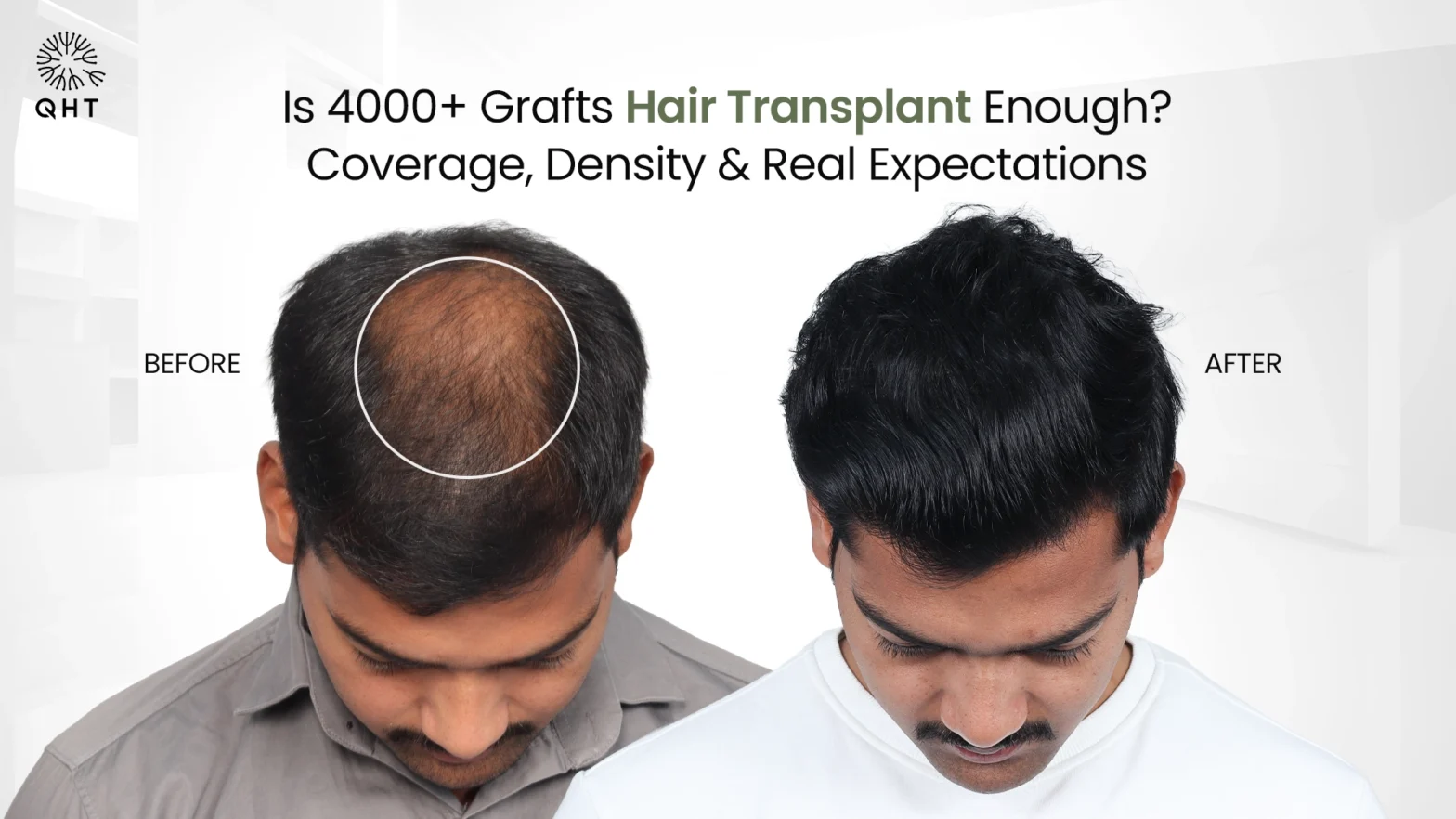
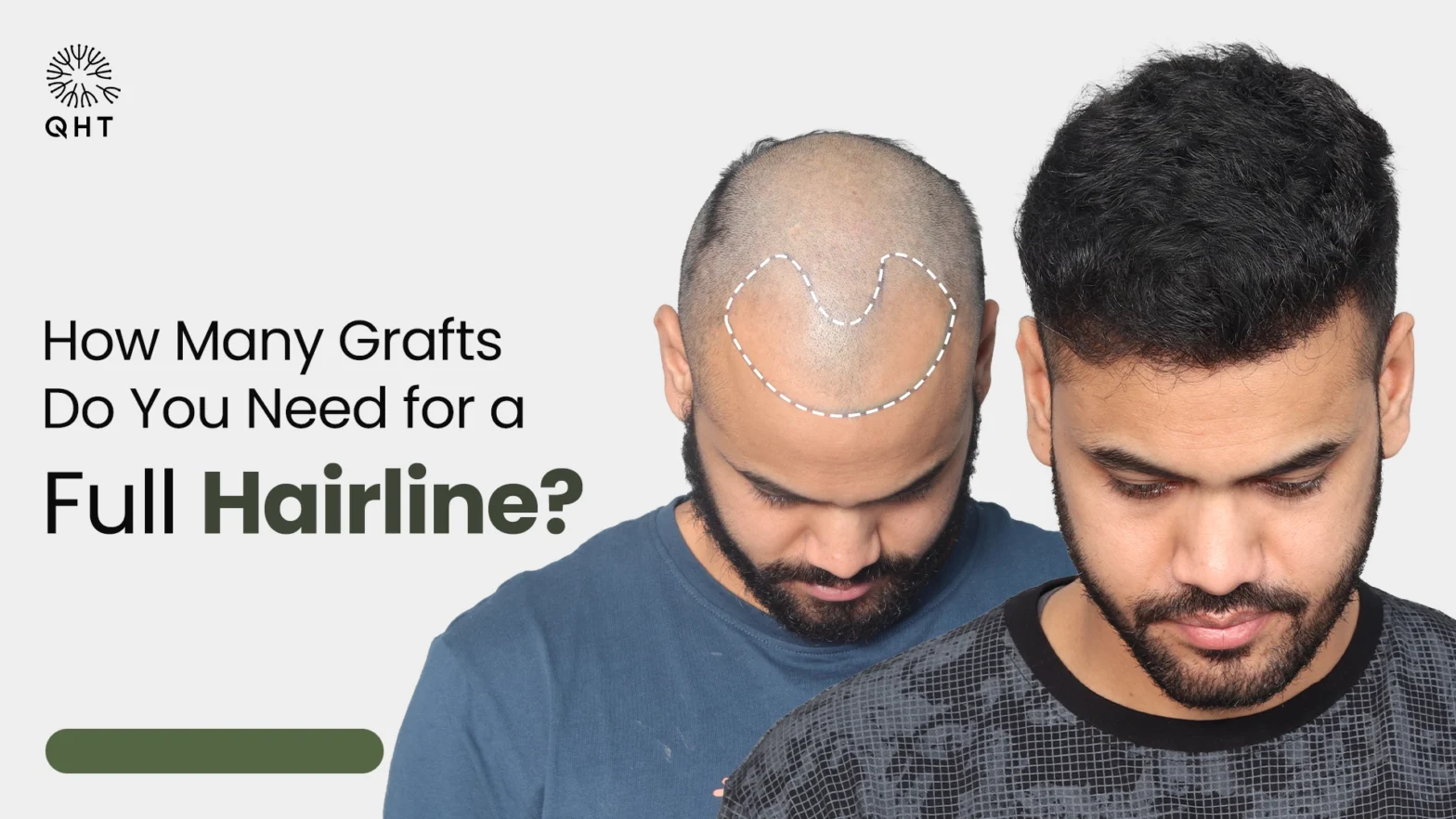
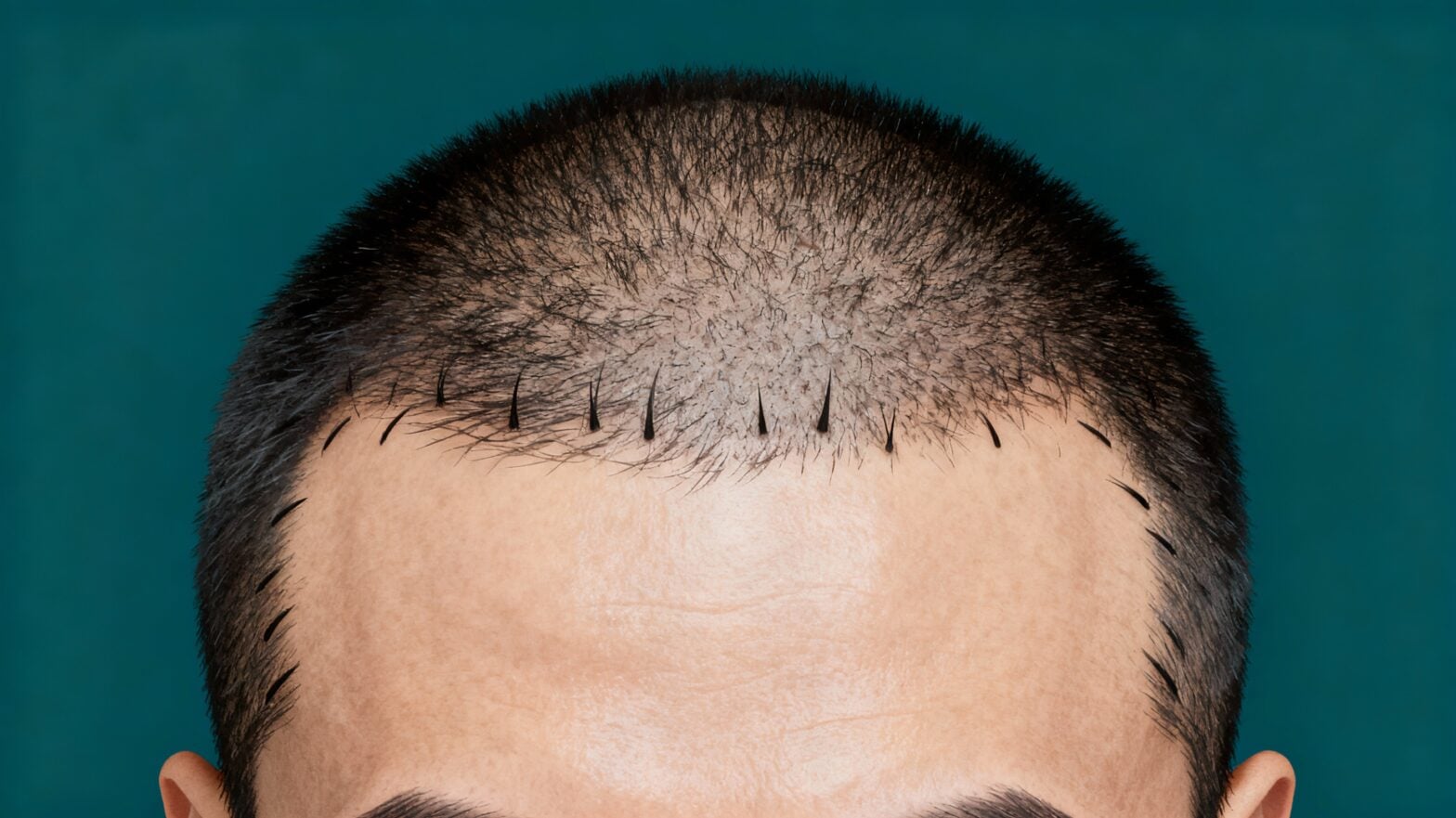
Planning a hair transplant isn’t just about the method; it’s also about the numbers. The number of grafts you need will affect how dense your hair looks, how natural it looks, and how well it covers bald spots. A lot of people know that a 4000-graft hair transplant is a common standard for major hair restoration. But is it really enough? Will 4000 grafts cover the whole scalp? Is it able to make high-density? Does the number change depending on how much hair you have lost?
This in-depth guide covers everything you need to know about hair graft requirements, how to use a graft calculator in India, how hair transplant density works, and whether 4000+ grafts will really give you the results you want. You will also learn why an experienced clinic like QHT Clinic doesn’t just look at numbers but also at strategy, donor preservation, long-term results, and natural beauty.
This is the last word on how to plan a big hair restoration change.
What is a hair graft? Getting to the Basics
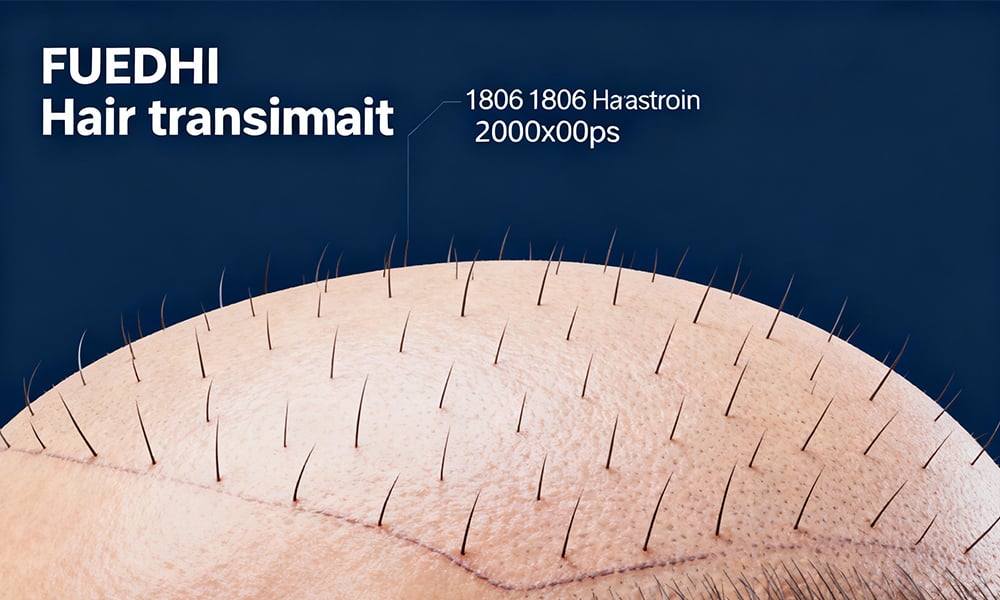
It’s important to know what a graft is before talking about high graft numbers. A hair graft is a small piece of tissue taken from the donor area that has one to four hair follicles in it. These are the units that were moved to bald spots. The number of hairs in each graft changes based on how your hair naturally looks.
Someone with thick hair may have grafts with more follicles, which makes the hair look thicker. People with finer hair may need more grafts to get the same result. This is why personalised evaluation is important and why general estimates don’t always work.
When do people usually need more than 4000 grafts?
Most of the time, a 4000-graft hair transplant is recommended for:
- Norwood baldness grade 5, 6, or early 7
- Big bald spots on the top and middle of the head
- Big restoration from front to crown
- Expectations for thick, dense coverage
- Fixing or doing a second surgery to fix the density
For a lot of people, 4000 grafts can make a big difference in how they look. But how well it works depends on where it is placed strategically, not just how many there are.
How Much Area Can 4000 Grafts Actually Cover?
Surgeons all over the world use this assumption as a rule:
2500–3000 grafts can cover the middle of the scalp and the front of the head.
A typical hairline, mid-scalp, and part of the crown can be covered by 4000 to 4500 grafts.
But full coverage is based on:
- How bad the baldness is
- the patient’s natural hair thickness
- the strength of the donor area
- The condition of your hair now
- How thick is your hair?
- the number of hairs in each graft
For some people, 4000 grafts can mean 8000–9000 hairs, while for others, it can mean only 5000–6000 hairs.
This is why QHT Clinic always calculates grafts based on personalised mapping instead of assumptions.
How a Graft Calculator Functions
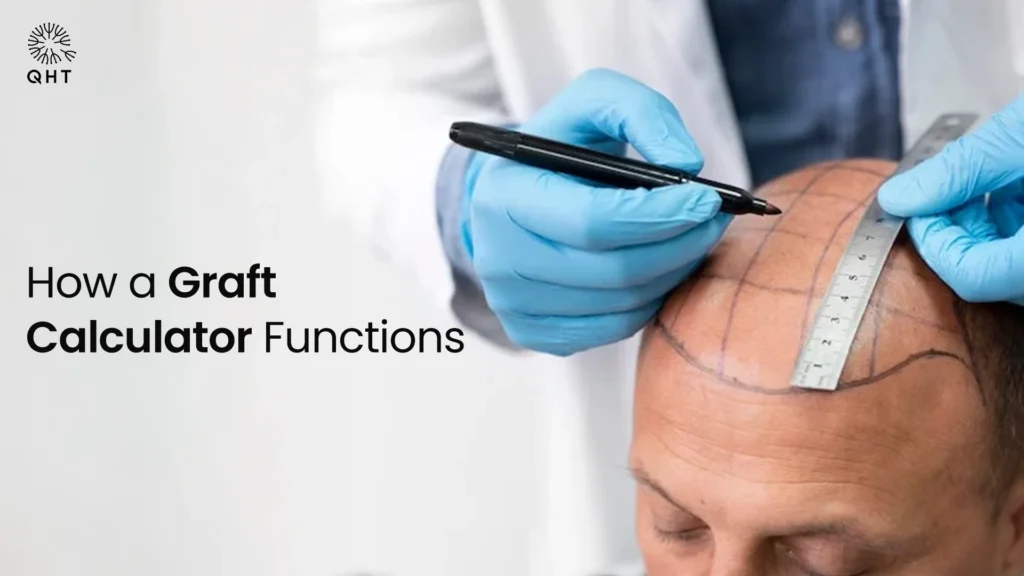
A graft calculator in India can help you figure out how many grafts you need by looking at the following:
- Current level of baldness (Norwood scale for men and Ludwig scale for women)
- Desired density (low, medium, or high)
- Characteristics of hair (calibre, texture, curl)
- Area of coverage in square centimetres
For example:
- For a natural look, the front of the head usually needs 30 to 40 grafts per square cm.
- Because of its whorled shape, the crown needs about 25 to 30 grafts per square centimetre.
- For high-density areas, you need 45 to 50 grafts per square cm or more.
If you want full coverage and natural density, 4000 grafts might be the right number. You might need more if you expect the density to be very high all over.
What is the maximum density that 4000 grafts can produce?
For a natural look, a normal scalp needs 50–60 grafts per square cm. A good surgeon, on the other hand, creates a density of 30 to 40 grafts per square cm because transplanted hair only needs to look like natural thickness, not be exactly the same.
With the right strategy for placement:
- It is easy to get natural-looking density back in the front and middle of the scalp with 4000 grafts.
- To balance the donor use, the crown may get medium density.
- Even medium-density areas look fuller if the hairline is well done.
This is why skill and creativity are more important than just numbers.
What if you are Norwood 6 or 7? Is 4000 grafts enough?
A Norwood 6 or 7 baldness case usually needs:
- Full coverage needs 5,000 to 6,500 grafts.
- More than one session if the donor area is small
- Conservative planning to keep donors healthy for a long time
In these situations, 4000 grafts can give:
- Complete change in the front
- Coverage in the middle of the scalp
- Coverage of a partial crown
It fixes the frame of the face and makes it look a lot better overall, but you may need a second session to get full coverage from hairline to crown.
This is where the surgeon’s experience makes a big difference in someone’s life. A clinic like QHT Clinic uses cutting-edge methods to safely get the most grafts while keeping the donor area safe for future use.
Things That Decide If 4000 Grafts Are Enough
The number is only meaningful when the following factors align.
1. Your Baldness Pattern
More bald area means more grafts.
- With 3500–4000 grafts, Norwood 5 may be able to get almost all of the results.
- People with Norwood 6 often need 4,500 to 5,500 grafts.
- Norwood 7 might need more than 6000 grafts over time.
2. The thickness and texture of your hair
Thick, coarse hair covers more area per graft. Curly or wavy hair makes things look fuller. You need more grafts to make fine, straight hair look full.
3. Quality of the Graft
Four-hair grafts cover more area than single-hair grafts.
Someone with a lot of multi-follicular grafts needs fewer units in total.
4. Strength of the Donor Area
Your donor may only be able to give you 4000 grafts, even if you need 5000. In these situations, strategic planning is very important. When it comes to grafts, the QHT Clinic puts safety first and focuses on designs that look the best.
5. The type of transplant technique employed
Graft survival rates are affected by FUE or advanced microsurgical techniques. A clinic that uses high-quality implantation tools and has a lot of experience makes sure that more than 95% of grafts survive. This means that fewer grafts give better results.
What Will You Get from a 4000 Grafts Hair Transplant at QHT Clinic?
A lot of people think that more grafts always mean better results when clinics give them numbers. This isn’t true. The main things that QHT Clinic does are:
- Design of a natural hairline
- Density zones that are strategic
- high survival rate for grafts
- little harm to the donor
- the most coverage for the eyes
- sustainability over the long term
This makes sure that every graft is important.
You can expect the following with 4000 grafts at QHT Clinic:
1. A Hairline That Is Young and Well-Defined
The hairline is the part of the transplant that is easiest to see. Surgeons at QHT focus on:
- natural inconsistencies
- Placement of micro-density
- points of the temple where needed
- framing with the face forward for a youthful look
2. Thick coverage on the front and middle of the scalp
This makes the hair look full again when seen from the front and top, which is usually the most important area for most patients.
3. Natural but partial crown coverage
If the crown is big or completely bald, the clinic may choose a medium-density approach to save grafts while still making the whorl pattern look natural.
4. High survival and natural growth of grafts
The transplanted hair blends in perfectly with the hair that is already there when the grafts are handled carefully and the angles are right.
5. Keeping the Donor Area Safe
QHT Clinic makes sure of the following, even during big sessions like 4000 grafts:
- Not too much harvesting
- even getting out
- Possibility of a future transplant if needed
This is important because the area where you get your hair is small and can’t be replaced.
How long does it take to get a hair transplant with 4000 grafts?
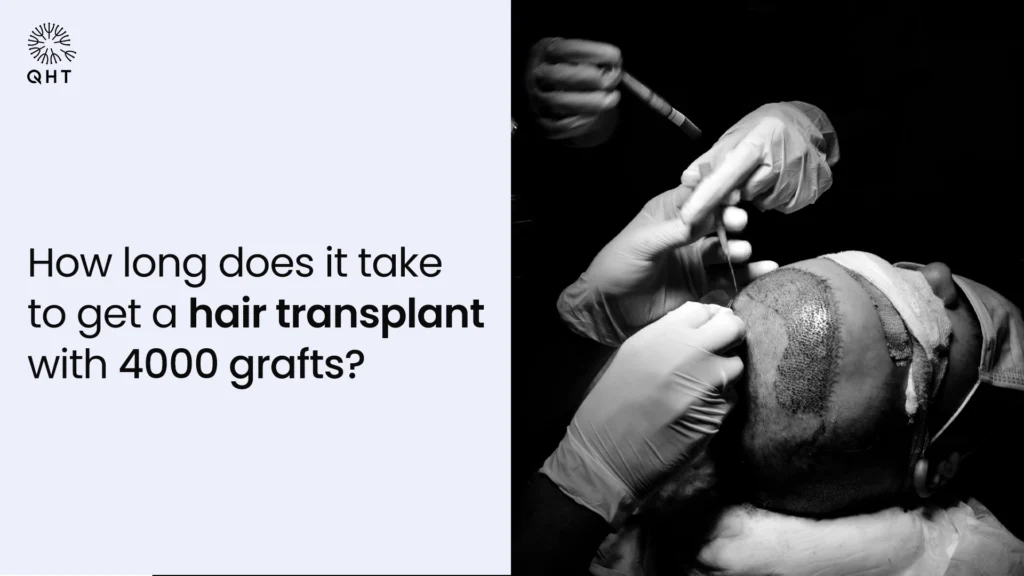
The length of the session will depend on the technique and the surgeon’s level of experience.
- FUE takes 6 to 8 hours.
- DHI takes 5 to 7 hours.
- Sessions that last all day for very big cases
At QHT Clinic, advanced tools and a well-organised surgical team make sure that procedures go smoothly and quickly without lowering the quality of the graft.
Recovery Expectations After 4000 Grafts
Recovery is similar to smaller procedures but with a slightly longer healing time because of the larger graft count.
The usual time it takes to recover is:
- Day 1–3: A little swelling and tightness
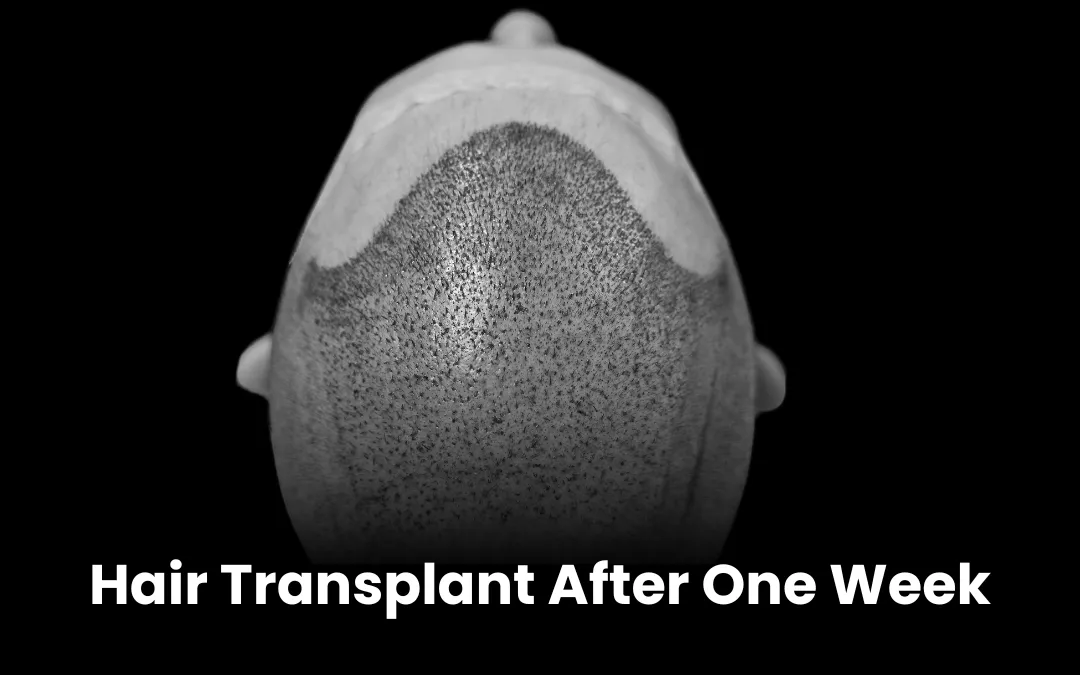
- Days 7–10: The crusts fall off.
- Day 15: The area where the donor and recipient meet looks almost normal.
- Phase of shedding from months 1 to 3
- Months 4–6: Early growth
- Months 8–12: A time of big growth
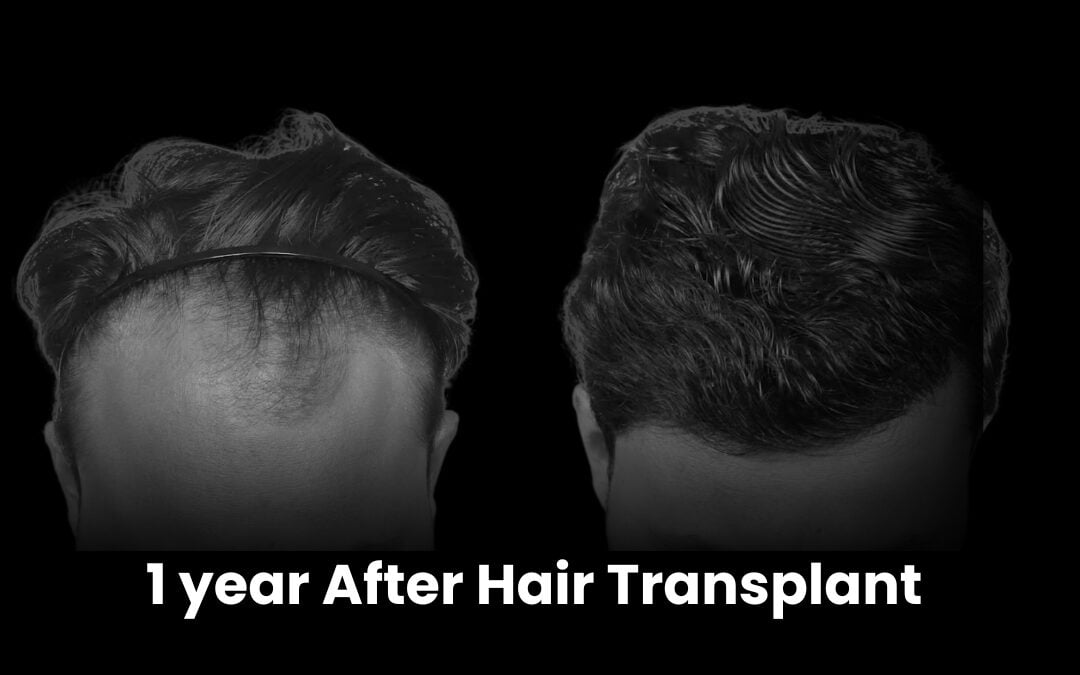
- Month 12–18: Final thickness and density
A longer session makes a big difference, but you have to be patient.
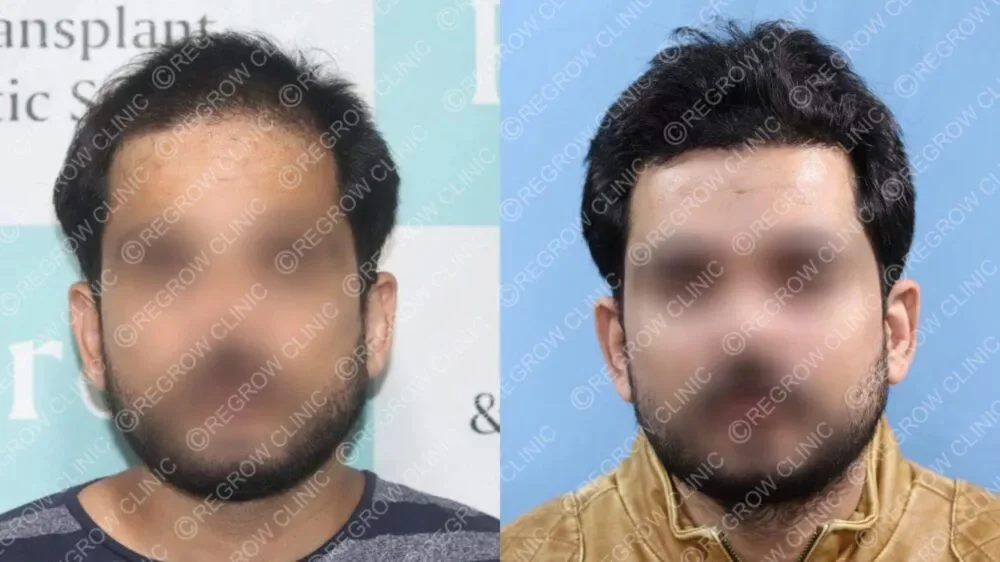
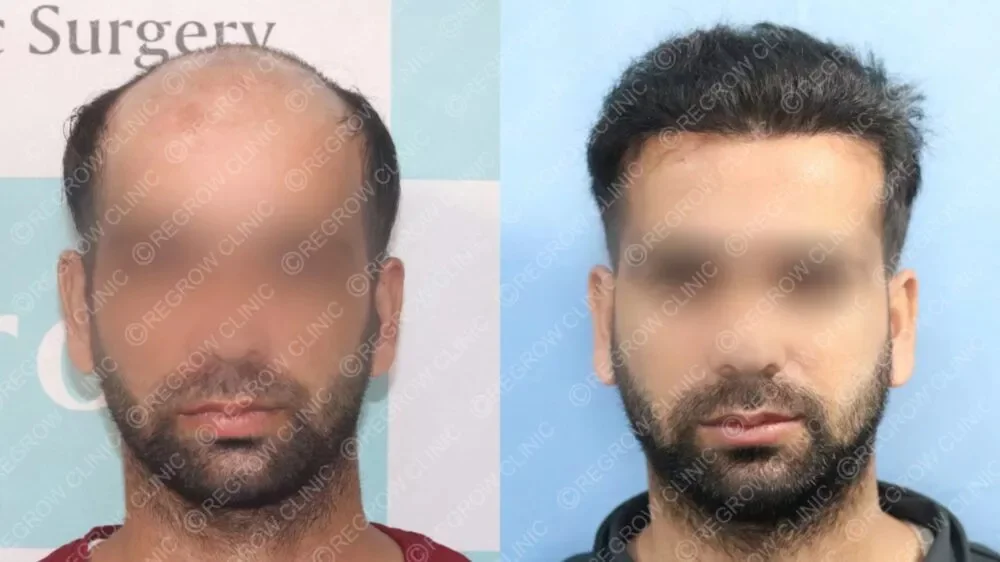
What results can you realistically expect from 4000 grafts?
Following clinical standards and common outcomes:
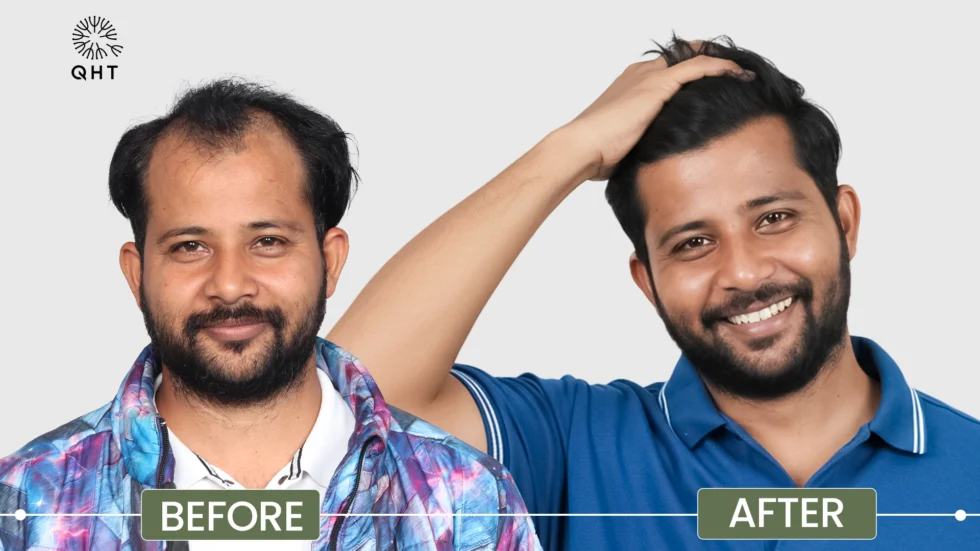
- You can completely fix a receding hairline.
- The front and middle of the scalp can look naturally thick.
- The crown might be covered in part or in a moderate way.
- The donor area is still healthy for future sessions if needed.
- The overall look becomes much younger.
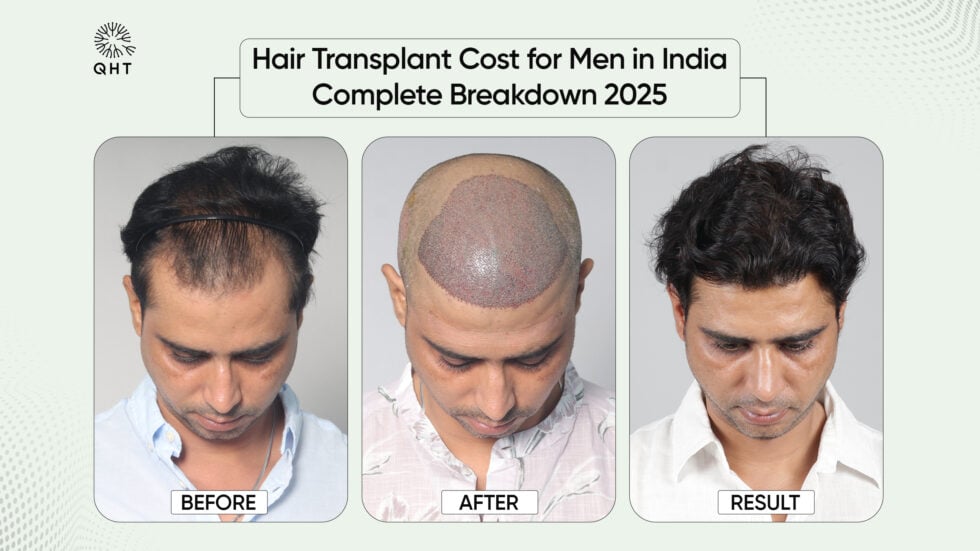
A 4000 graft surgery is enough for a remarkable transformation in the majority of cases, as long as expectations match the scalp’s natural limitations.
Most of the time, a4000-graft surgery is enough to make a big difference, as long as the person’s expectations are in line with what the scalp can actually do. If you’re losing hair or have a progressive pattern like Norwood 6–7, you may eventually need a second session to address:
- Density of the crown
- adding to the middle of the scalp
- Areas where natural hair keeps getting thinner
The QHT Clinic plans for the long term. The goal is not just to make you look better today, but also to make sure you still look natural decades from now.
Who Should Get a Hair Transplant with 4000 Grafts?
You are well-suited for such a session if you:
- They are losing their hair at a moderate to advanced rate
- Have a lot of donors
- are healthy
- Know what realistic density expectations are
- Want a big change that is easy to see
- Want a single plan that covers everything from the hairline to the crown.
The final treatment plan depends on the size of your face, the quality of the donor area, and your hair goals.
Common Misconceptions About 4000 Grafts
- More grafts always give better density
Not all the time. Placement strategy and the quality of the graft are more important.
- Anyone can safely take out 4000 grafts.
That’s not true. High-volume extraction can’t happen in a weak donor area.
- 4000 grafts will cover everything.
Depends on scalp size, baldness grade and density expectations.
- Crown must be fully covered in a single session
In cases of advanced baldness, surgeons may focus on the frontal zone to get the best cosmetic result.
Why Picking the Right Clinic Is More Important Than the Number of Grafts
A 4000-graft surgery needs a lot of skill. A bad clinic can ruin the donor area, leave scars, make hairlines look unnatural, or lower the chances of survival.
What makes QHT Clinic different is that it focuses on:
- Clean extraction with high accuracy
- minimal cutting
- improved angles for implantation
- natural gradients of density
- safe and moral planning for grafts
- design of hairlines in art
- Keeping donors for a long time
This is how 3000 grafts from QHT can be better than 5000 grafts done somewhere else.
Conclusion
Many people can get a natural, youthful hairline, thick coverage in the front, a big difference in the middle of the scalp, and even some crown restoration with a 4000-graft hair transplant. The success of these 4000 grafts depends on a number of important factors, such as how bald you are, how strong and healthy your donor area is, how thick you want your hair to be, and, most importantly, how skilled the surgeon is who is doing the work. For most people with moderate to severe hair loss, 4000 grafts can really change their lives and make them happy, especially when done by a skilled and detail-oriented centre like QHT Clinic.
A carefully planned treatment plan from skilled professionals is what really makes the difference if you want the most coverage, balanced density, and results that last.
Book a Consultation Today
Latest Videos
-

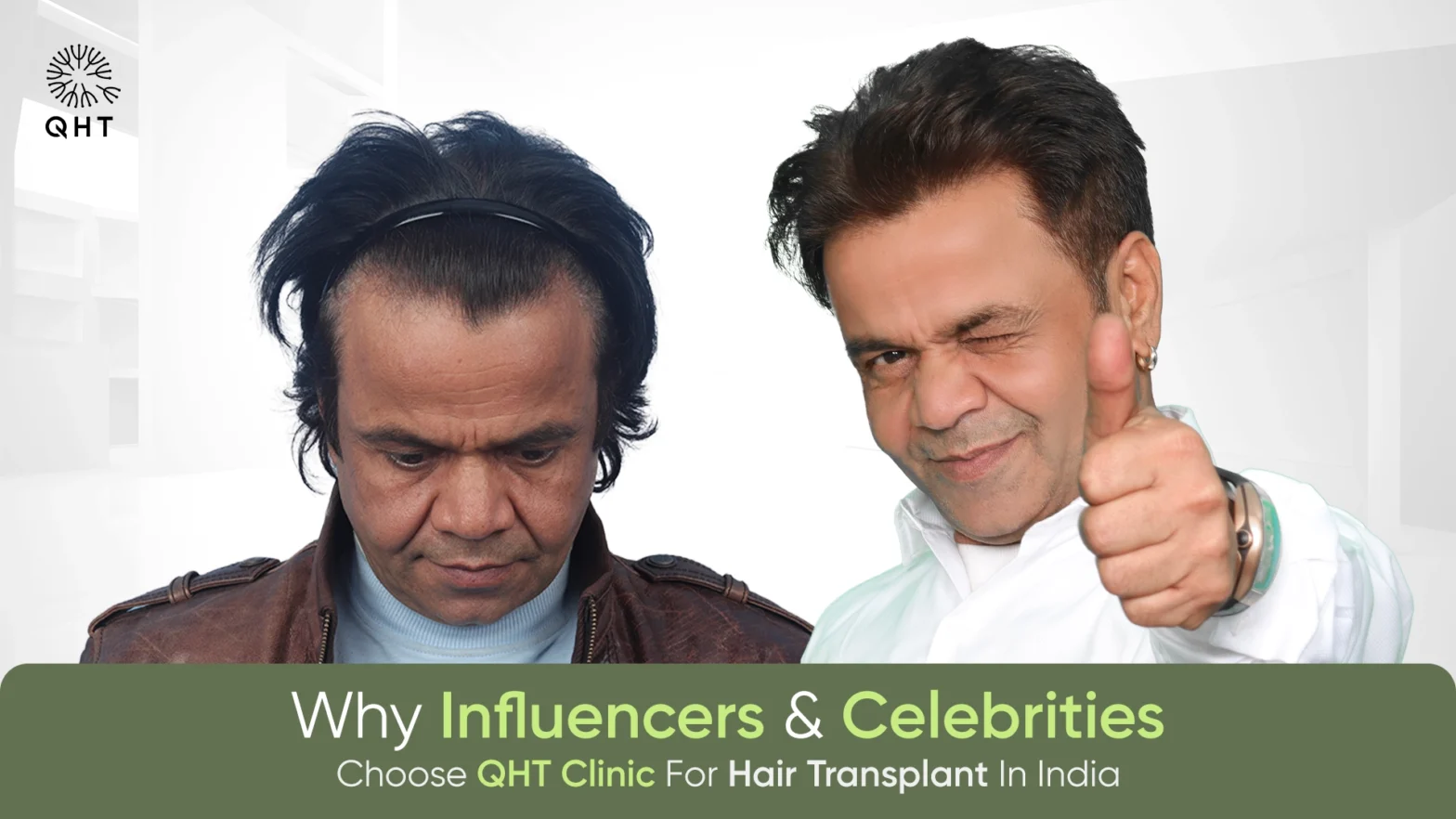
Rajpal Yadav | Bollywood Actor Hair Transplant Journey at QHT Regrow Clinic Haridwar
Click to Watch
-

FUE Hair Transplant Results | DAYA's FUE Hair Transplant Results
Click to Watch
-

Best Hair Transplant Result 2021 || NW Grade VI A || 3,422 Grafts
Click to Watch
-
Best Hair Transplant Result 2022 | Grade 4
Click to Watch
-

YouTuber Mehtab Saifi Hair Transplant
Click to Watch
-

ACP Pradyuman Hair Transplant - Actor's Hair Transplant
Click to Watch