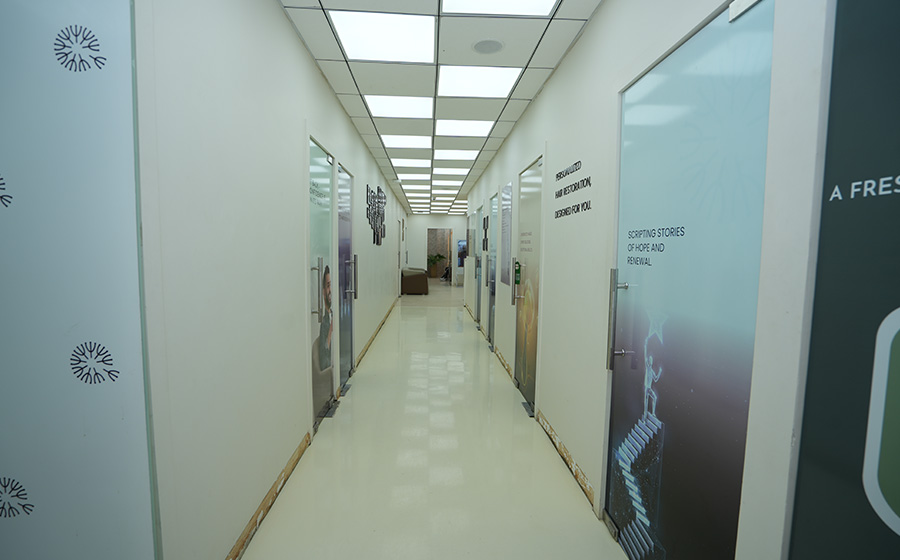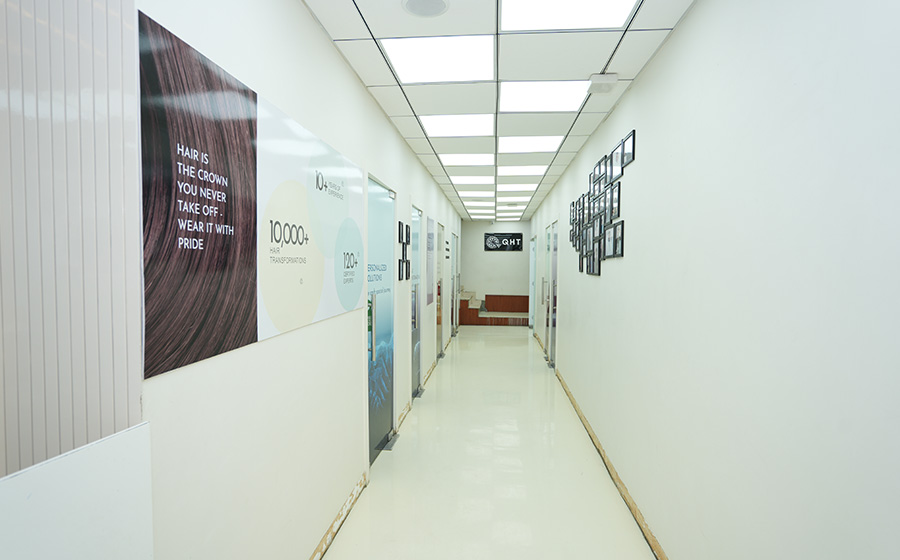


With the availability of multiple options, selecting the right hair transplant clinic is a challenging decision to make. The hair transplant is a permanent surgical procedure, and the quality of results depends on surgical expertise, treatment planning and after care, not just on a clinic’s treatment price.
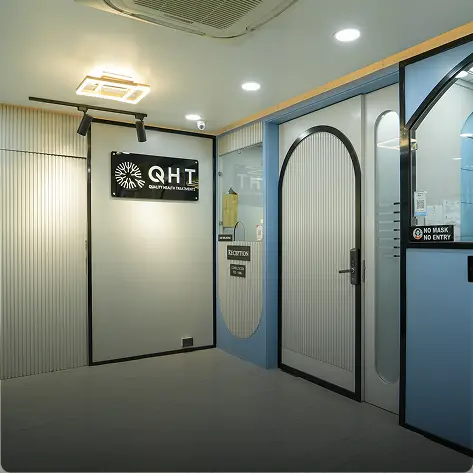
Ensure that the procedure is led by expert surgeons and not by technicians or unlicensed personnel. Certified surgeons consistently deliver natural, predictable results.
Advanced techniques such as FUE and QHT deliver superior results. The technique recommended for the individual case, however, depends on the extent of baldness or the patient’s Norwood grade.
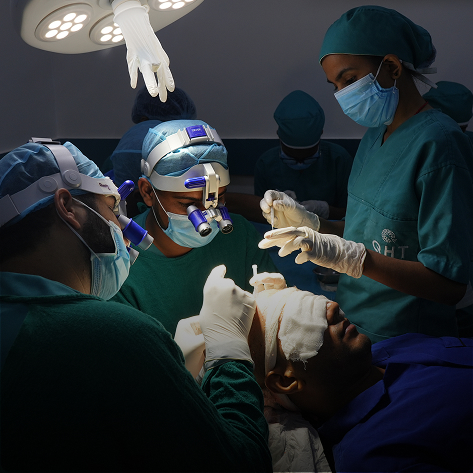
A trustworthy clinic provides an accurate, clear quote with a full description of all treatments included and no hidden charges.
Structured and systematic care after surgery is important as it directly impacts the treatment outcomes. Look for a clinic that provides clear, quality guidance at every stage of recovery.
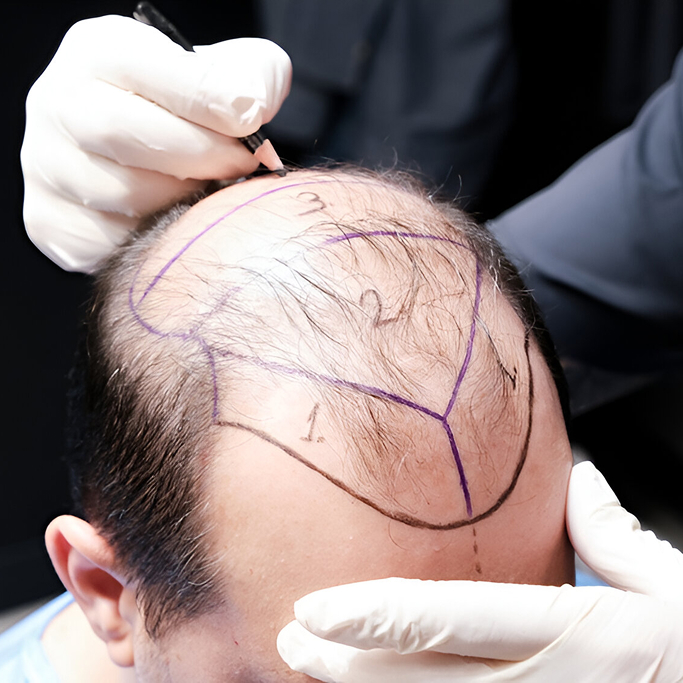
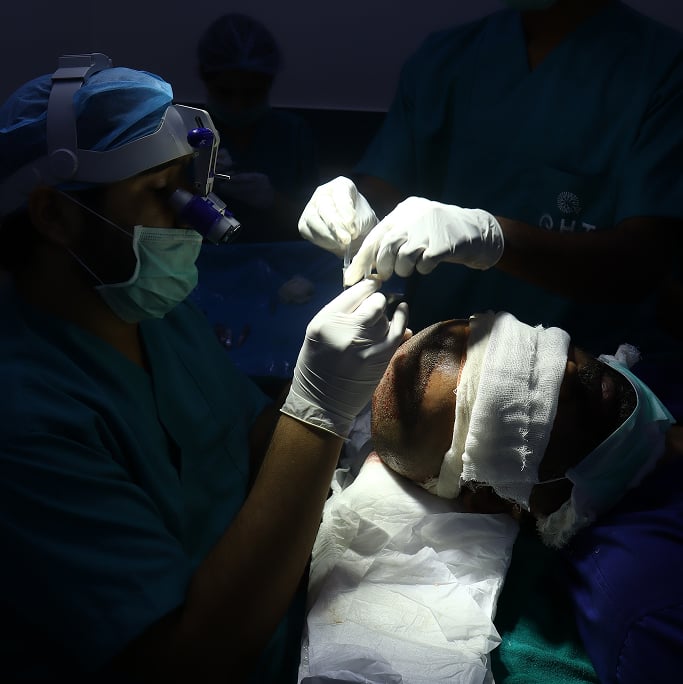
Select the clinic with experienced surgeons to ensure precise hairline design, correct angulation and optimal graft survival for long-lasting results. Technique and clinical judgement play a crucial role in achieving natural-looking results.
A natural coverage that blends seamlessly with existing hair is more important than placing grafts without proper planning. Strategic graft placement aligned with the angulation and direction of hair growth accurately replicates the natural hairline.
Every case of hair loss is different, and hence the treatment approach varies. A personalised treatment plan based on your hair loss pattern, donor capacity and expectations should be prioritised over the promise of quick results.
Long-term support covering both pre- and post-recovery makes the treatment more affordable and produces satisfactory results. Clinics that offer a lifetime hair growth guarantee provide better long-term value than those that do not.
Hair loss is progressive, and without early intervention, the extent of baldness increases, making treatment more extensive and gradually depleting the donor reserve. This can make future hair restoration more difficult.
Procedures performed without the surgeon's expertise frequently yield unnatural or unsatisfactory results. Clinics delegating the procedure to technicians or unlicensed personnel often create the need for corrective procedures and retreatment.
Recovery and aftercare are just as important as the surgical procedure itself. Following the instructions, taking prescribed medications and attending scheduled follow-ups ensure better healing and improved long-term results.
Early treatment intervention is the most cost-effective and safe strategy. The early consultation allows better graft planning, donor area preservation and more predictable results.
Clinics with fully dedicated in-house teams maintain consistent quality throughout the procedure. Outsourced technicians or professionals introduce variability and risks that can compromise outcomes.
Understanding what results can be genuinely achieved at your current stage of hair loss reduces the likelihood of disappointment. Realistic expectations lead to outcomes that feel natural, confident and satisfying.
Dedicated operating theatres, US-FDA-approved technology, and standardised sterilisation protocols are non-negotiable requirements for safe treatment and reduced risk of complications.
The hair transplant results vary from patient to patient, and not every patient is suited to the same procedure. Understanding the key factors that influence the outcomes helps set realistic expectations and supports informed decision-making
The extent and pattern of hair loss determine the technique selection and complexity of the procedure. A greater degree of baldness increases the number of grafts required, affecting the available donor reserve.
Scalp donor hair from the back of the scalp is DHT-resistant (hair fall-resistant) and permanent. To ensure better results, the quality of hair at the donor site should be in good health and with adequate density to provide good coverage over bald areas without visible thinning at the donor site.
FUE, FUT and QHT each have distinct features and advantages. The right technique depends on individual needs and Norwood grade, donor supply, lifestyle and desired density.
An experienced surgeon not only has precise skills but they design hairline in alignment with the patient's facial structure, ensures better graft handling and survival rates, and accurately replicates natural hair growth patterns to achieve the best possible outcomes.
The graft survival rate depends heavily on how the grafts are handled during the procedure. The out-of-body time impacts the survival of grafts and must be minimised. QHT technique reduces the time to less than two hours, giving superior survival rates compared to the conventional FUE and FUT.
Delhi is India’s emerging medical hub with internationally trained surgeons, state-of-the-art clinics and the most advanced technologies for accurate diagnosis and precise graft placement. Patients from across the world are opting for Delhi for their hair restoration journey. The city offers international-level care and expertise at a very competitive price.
Many clinics are equipped with dedicated in-house surgical teams, operating theatres, safe, sterile environments and tools to minimise discomfort and improve graft extraction and survival rate.
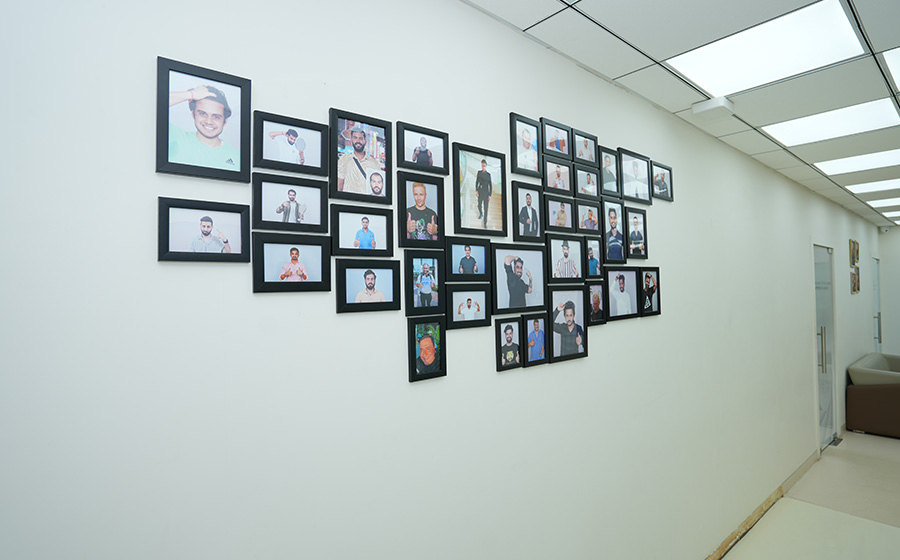
At QHT, we have successfully treated over 15,000 patients, both nationally and internationally, consistently delivering safe, natural results.
Delhi’s advanced clinics operate with US-FDA-approved technology, digital scalp analysis systems, and dedicated operating theatres.
Leading hair transplant surgeons in Delhi bring global training and expertise to every procedure.
In Delhi, hair transplant procedures cost only a fraction of the price when compared to global costs.
Preferred destination for international patients seeking hair transplant treatment.
US-FDA approved technology
Certified Hair Transplant Surgeons
A hair transplant is a permanent surgical procedure performed as a treatment for progressive hair thinning or baldness. The hair follicles from the donor area are harvested and transplanted to thinning or bald areas.
The ideal candidates for the treatment:
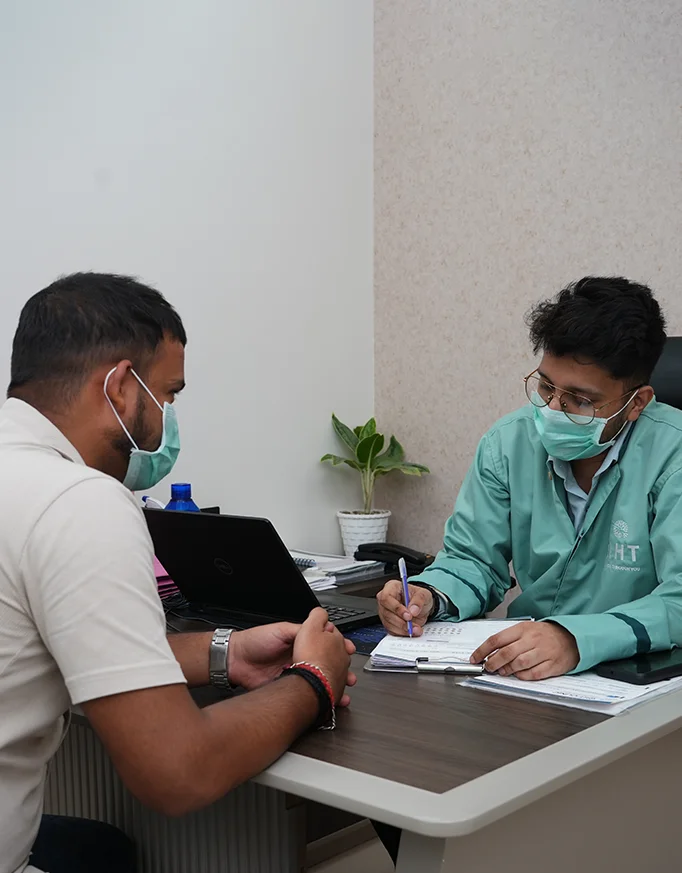
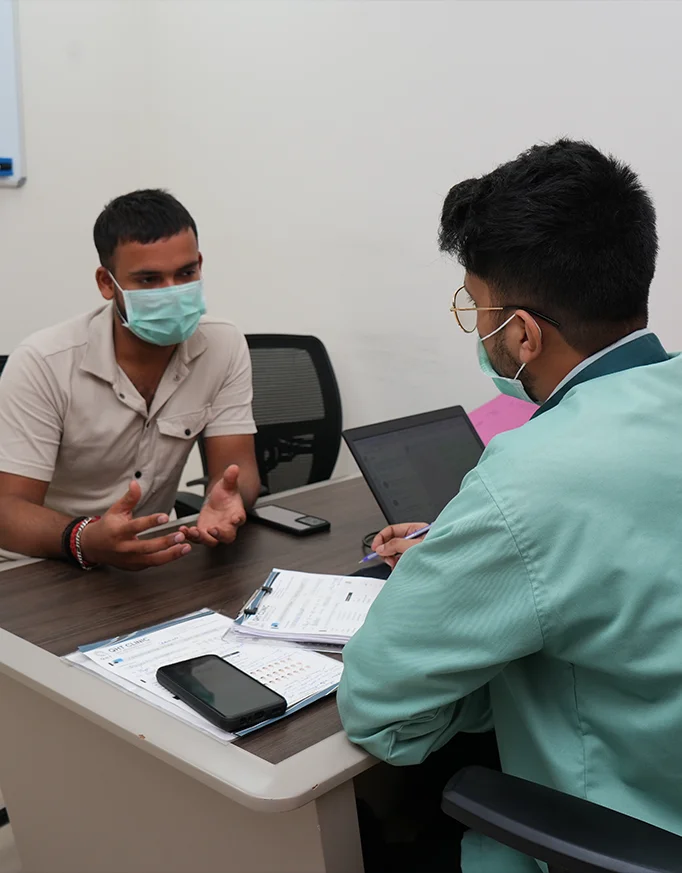
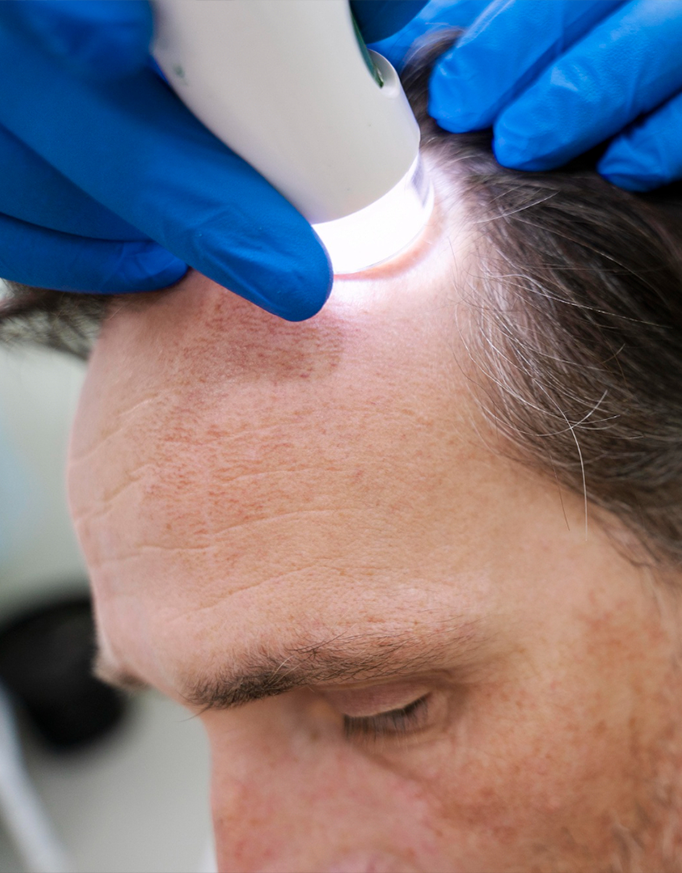
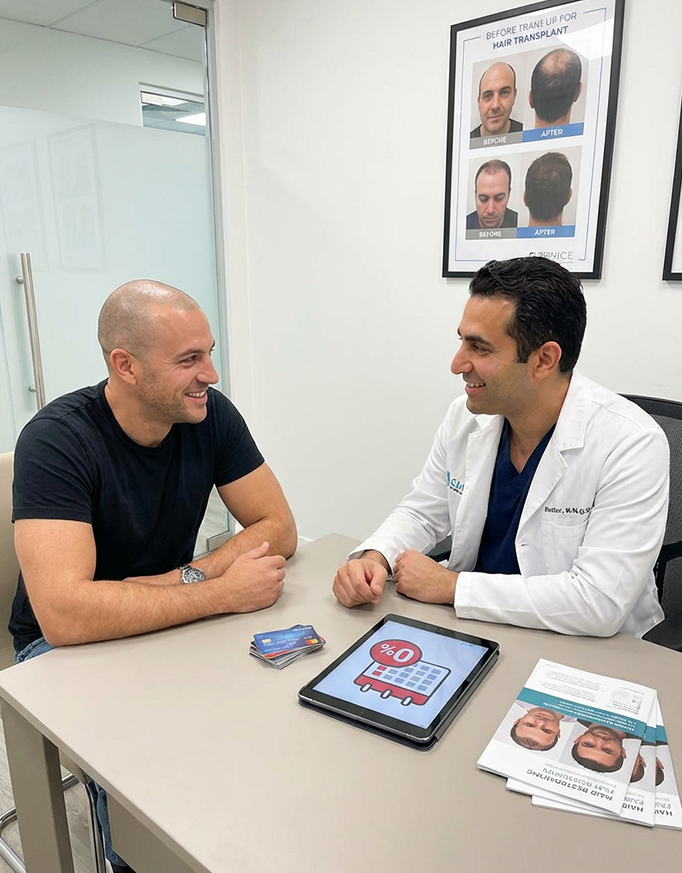
A personalised consultation at QHT Clinic includes digital scalp analysis by a trichologist, accurate hairline design and honest guidance.
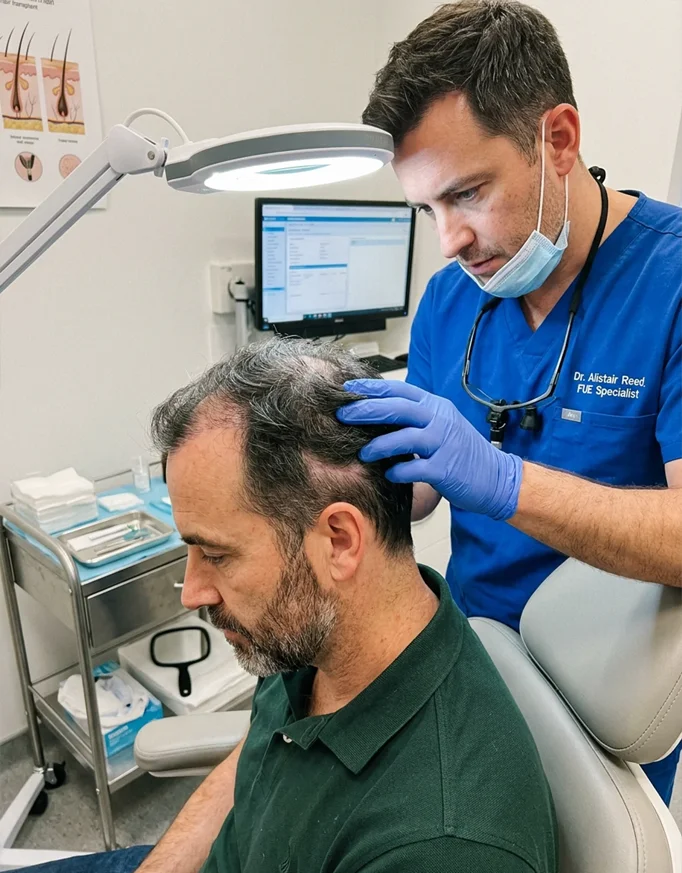
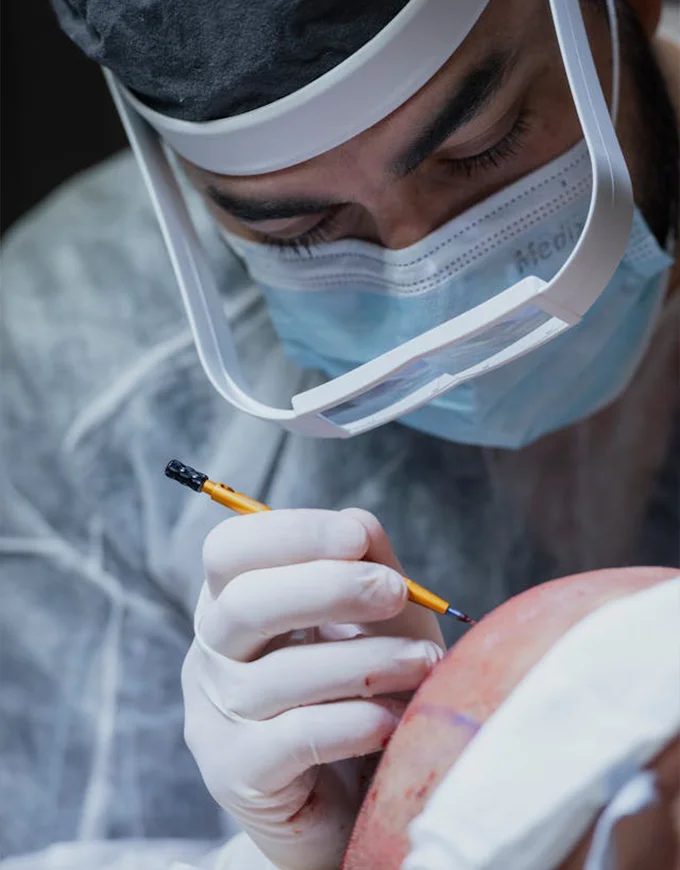
The procedure begins with a thorough consultation and scalp assessment, covering scalp analysis, donor site evaluation and a personalised graft estimate. The procedure is performed under local anaesthesia, and the grafts are extracted from the donor zone using micropunch tools. The harvested follicles are implanted into the thinning or bald spots.
Techniques used for this procedure are FUE, FUT and QHT. Once the treatment procedure is complete, the healing journey begins, which takes 1-2 weeks for initial recovery.
Our Hair Transplant Clinic in Delhi offers structured follow-up guidance for optimal healing post-surgery and help patients navigate recovery confidently. With proper attention and clinical support, the treatment outcomes are natural and long-lasting.
Recovery after a hair transplant is gradual and, for most patients, straightforward with proper care.
Early Recovery: Redness and scabbing in the first week are common. The discomfort can be managed with the prescription medication. After 2 weeks, the transplanted hair falls (shock loss), which is quite common and expected.
New Growth Phase: In 3-4 months, the new growth begins and becomes gradually visible.
Progressive Density: In 6-8 months, coverage becomes noticeable and gives a fuller appearance
Full results: Permanent density and complete coverage are visible in 9-12 months. The transplanted hair blends naturally with existing hair.
The regular follow-up visits during the recovery period are important. Some adjunctive therapies, including medications, PRP, and LLLT, may also be recommended depending on individual needs.
This is a globally recognised gold standard treatment for hair restoration and the most widely used technique worldwide. Individual hair follicles are extracted using micropunches and implanted at the recipient site with no linear scar. Best suited for individuals with short hairstyles, as this requires shaving of the donor area before treatment.
No linear scar: Individual follicle extraction without the need for incisions or stitches, leaving no visible scar at the donor site.
FUT involves the removal of a strip of scalp from the donor area that carries follicular units. The individual follicular units are extracted under a microscope. This technique yields the highest graft count in a single session. It is suitable for individuals with advanced baldness (Norwood grade 5- 7)
The QHT technique is an exclusive, patented technique of the QHT Clinic developed by expert surgeons for a better graft survival rate. It is an advanced form of FUE that involves the simultaneous extraction and implantation of hair follicles into balding areas. It reduces out-of-body time to under two hours for grafts, which ensures a higher graft survival rate and more natural, denser long-term results than conventional FUE.
Not sure which technique is right for you? Book a consultation with QHT Clinic in Delhi for a detailed assessment and personalised guidance.
Delhi has earned a reputation as the best hair transplant destination over the years. Patients from India and other countries travel to Delhi for hair restoration treatment, particularly drawn by its combination of surgical expertise, advanced technology and competitive pricing.
QHT Clinic brings you a world-class experience in Delhi with in-house surgical teams, international safety standards and commitment to long-term results.
15,000+ patients with successful hair restoration.
Every stage of the procedure is led by a surgeon to ensure safety and accuracy
Affordable treatment with seasonal discounts and zero-cost EMI options
Extensive follow-up and post-surgery care. A dedicated team is available throughout the recovery for guidance and support.
At QHT Clinic, every rupee invested goes towards the long-lasting results. QHT's commitment to deliver precision and high-standard patient care ensures that each patient receives both value and quality.
Permanent density with a natural look, not a temporary improvement.
A personalised hairline created by experienced surgeons to complement your facial structure
Clean and well-maintained surgical environment to ensure patient safety.
Pay what's quoted, no hidden charges.
Discover a range of advanced hair restoration solutions at QHT Clinic, tailored to meet your unique needs and ensure natural, lasting results, with transparent hair transplant cost in Delhi.
Reach out anytime or visit us directly for personalized assistance, expert guidance, and seamless support experience.
QHT Clinic, 521, Model Colony, Ranipur More, Haridwar, Uttarakhand.
D -15, Outer Ring Rd, above Federal Bank, Prashant Vihar, Sector 14, Rohini, New Delhi, Delhi, 110085
QHT Clinic Opposite Hotel Park HyattRoad No. 2 Banjara Hills, Hyderabad, Telangana
Nursing Home Bearing plot No 3, Sector 46, Gurugram, Haryana 122022
Yes. Hair transplant is a permanent solution to hair loss. Grafts are extracted from the donor zone, the back and sides of the scalp, which is genetically resistant to DHT-related baldness. Once transplanted, these follicles grow naturally for life and do not require ongoing medication to maintain results.
Most patients return to daily activities within 7–10 days. Redness and scabbing typically resolve within two weeks. Transplanted hair sheds in the first four weeks; this is completely normal. New growth begins around 3–4 months, and full, permanent density is typically visible by 9–12 months.
Hair transplant results develop gradually. Transplanted hair sheds in the first few weeks, which is expected and temporary. New growth becomes visible around 3–4 months. By 6–8 months, noticeably fuller coverage with natural texture appears. Final results with complete density are visible at 10–12 months post-procedure.
No. The procedure is carried out under local anaesthesia and is not painful. Patients may experience mild soreness or tightness in the days following surgery, which is easily managed with prescribed medication. Most patients report that the experience was considerably more comfortable than they expected.
The number of grafts depends on your Norwood grade and the density you wish to achieve. Norwood 2-3 cases typically require 800–1,800 grafts. Norwood 4–5 cases generally need 2,000–3,200 grafts. Advanced Norwood 6–7 cases may require 4,000–6,000 grafts or more, sometimes in combination with body hair. A scalp assessment at QHT Clinic will provide a precise, personalised graft count.
Yes. Women can undergo hair transplant surgery in Delhi. Female hair loss typically presents as diffuse thinning, hairline recession, or patchy loss rather than complete baldness. QHT Clinic offers procedures tailored to female hair loss patterns, including hairline lowering and temple restoration, using FUE and QHT techniques for minimal scarring and natural results. Medical therapies are often combined with surgical restoration for optimal outcomes.
Yes. QHT Clinic Delhi offers zero-cost EMI and financing plans to make hair restoration financially accessible. Flexible monthly payment options are available in collaboration with major banks and financial providers. Ask about current plans during your free consultation.
Yes. Hair transplant costs in Delhi are generally lower than comparable procedures in Mumbai or Bangalore. Despite the competitive pricing, Delhi’s top clinics offer internationally trained surgeons, advanced technology, and high graft survival rates, making it one of the best-value destinations globally for hair restoration.
Yes. Body hair, most commonly beard hair, and sometimes chest or back hair, can be used as a donor source when scalp donor supply is insufficient. This is typically relevant for Norwood 6–7 patients. QHT Clinic Delhi has experienced surgeons who strategically combine scalp and body hair to achieve natural density and cosmetic harmony.
QHT is an advanced evolution of standard FUE. Its primary advantage is immediate graft implantation directly after extraction, which dramatically reduces out-of-body time for follicles. This results in a clinically superior graft survival rate, faster recovery, denser results, and more precise angulation compared to conventional FUE. QHT is the preferred technique for patients seeking the most accurate and long-lasting outcomes available.
Yes. When performed by an experienced surgeon using modern techniques. At QHT Clinic Delhi, every hairline is artistically designed to match the patient’s facial structure, age, and natural hair growth direction. Micro-instruments ensure precise placement with minimal scarring. With proper aftercare, transplanted hair blends seamlessly with existing hair for permanent, undetectable coverage.