



Best Hair Transplant Clinic in Delhi: What to Look For
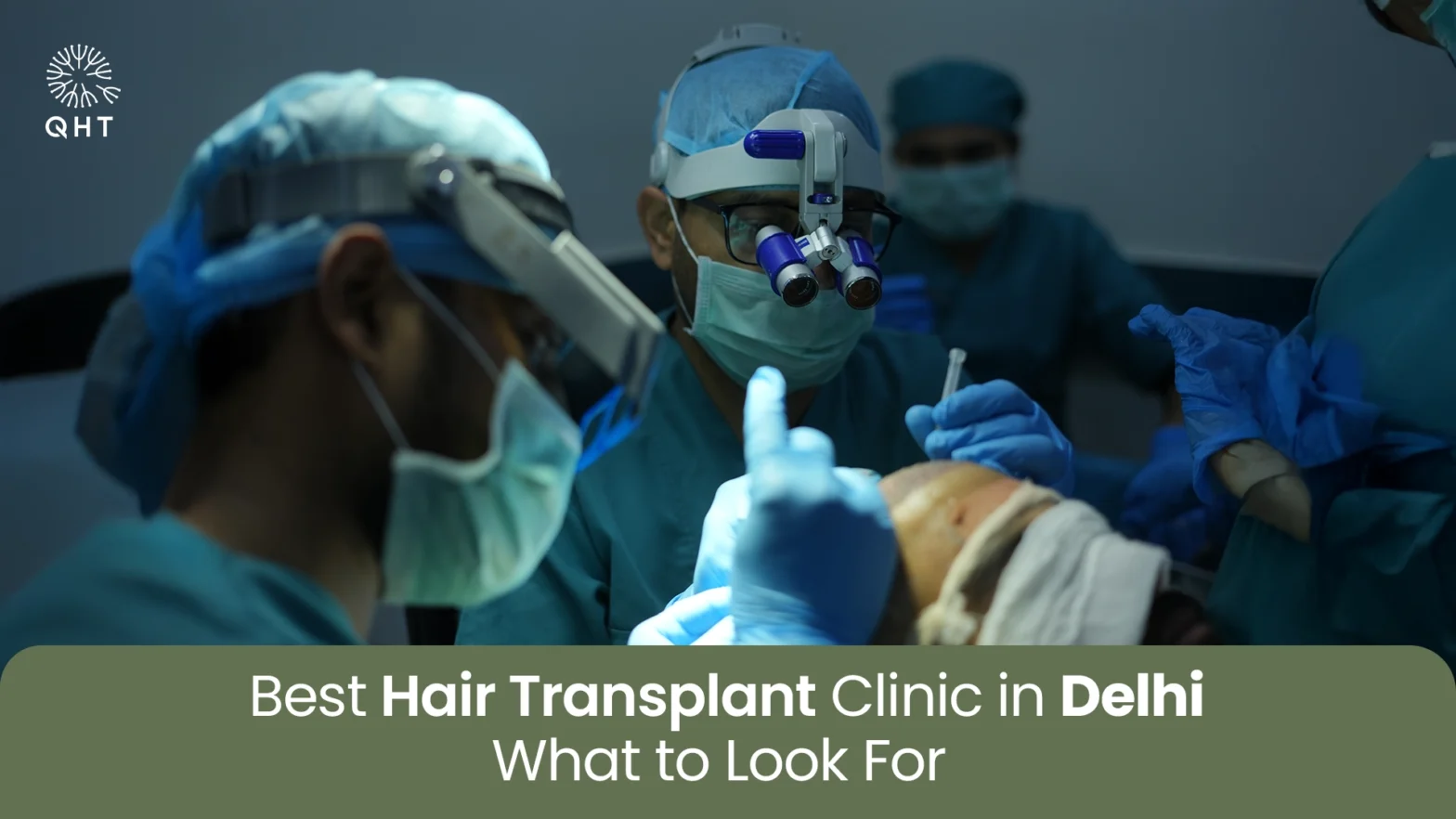
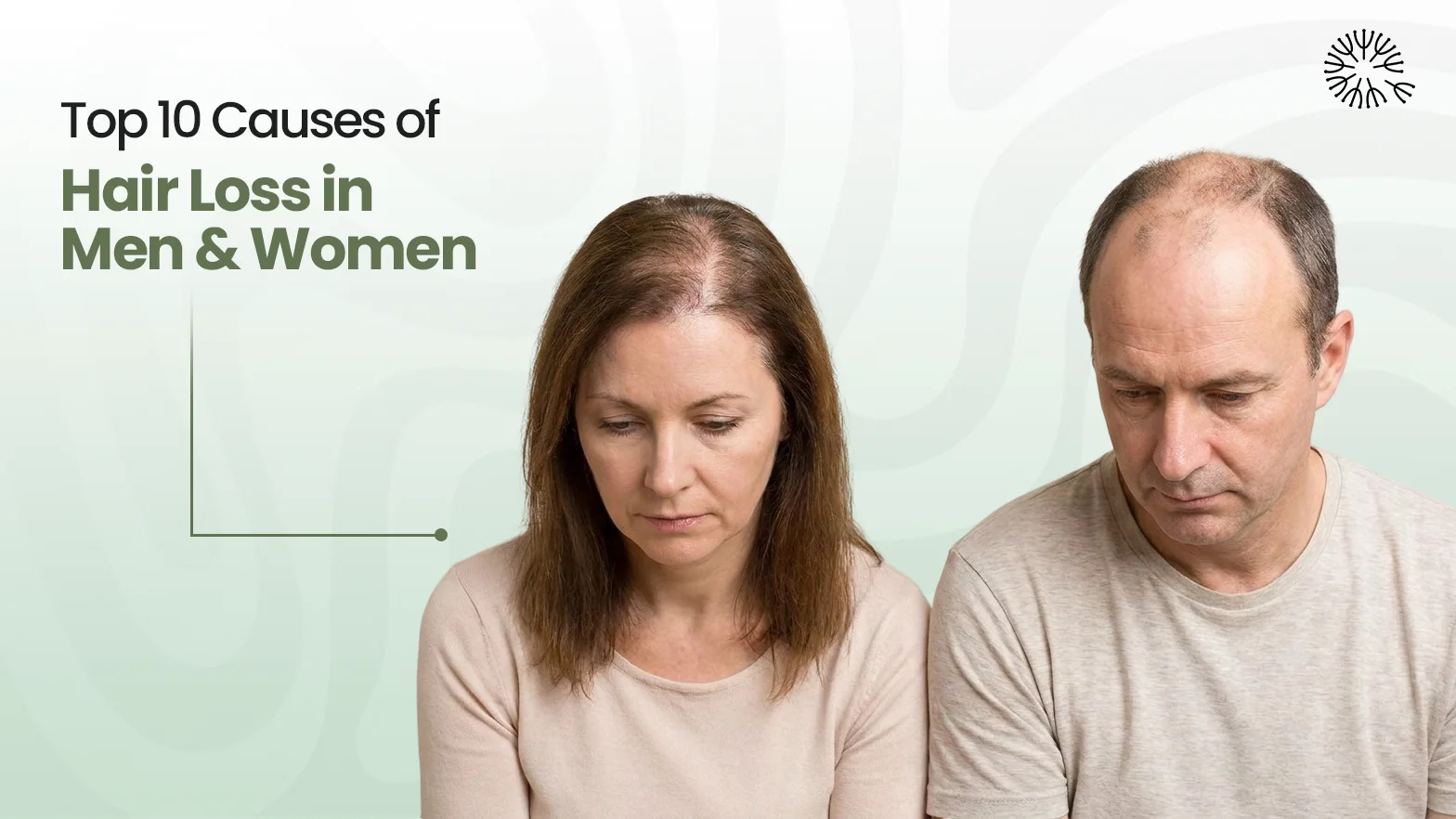
Hair loss can affect your confidence, your look and your emotional well being- especially if you are experiencing visible thinning or patchy areas on your scalp. Because of these issues, many people find it difficult to know what treatments are actually effective and how to find high-quality care. Finding a good clinic in a city like Delhi can be intimidating due to the number of choices that are available. However, with the advancement in the science of hair restoration, the experience of the medical team and the ethical approach taken when planning treatment will greatly impact the long term success of the procedure.
Knowing the difference in standards between trustworthy and marketing driven clinics will help protect not only your scalp health but also your investment and outcome. This guide entails how to choose the best hair restoration clinic in Delhi, to help you choose wisely with confidence. If you are a candidate for safe medically supervised alternatives to restore hair, this in-depth analysis will help guide you through the decision making process effectively.
Quick Answer Box
High-quality hair transplantation clinics in Delhi are ones that provide medically-approved advanced, quality treatments for hair restoration done by highly skilled practitioners. A reputable clinic is one that will provide its patients with a detailed plan before treatment and full post recovery support, after treatment.
- Licensed clinicians
- Advanced transplant techniques
- Customized plans for each client
- Documented safety procedures
- Honest & ethical advice, with regards to treatment
- Care after procedure
Table of Contents
- Why Choosing the Right Clinic Matters?
- Evaluating Surgical Expertise and Medical Credentials
- Technology and Infrastructure Standards
- Patient Safety, Hygiene, and Sterilisation Protocols
- Post-Procedure Care and Long-Term Monitoring
- Realistic Expectations and Outcome Transparency
- How to Stop Hair Fall Based on the Root Cause
- Myths About Hair Fall Treatment
- Frequently Asked Questions
Why Choosing the Right Clinic Matters?
Hair transplantation is a surgical treatment that permanently changes the appearance of your scalp. Choosing an inappropriate clinic can result in a higher incidence of complications, including: increased possibility of contracting an infection, poorer hair density, greater chance of scarring, poorly designed hairline placement, and dissatisfaction after completion. Often, people make hasty choices based on a discount, celebrity advertisements, or promises that are not realistic, only to find out later that they sacrificed the quality of their medical treatment.
Once you have your hair transplanted, it cannot be undone. If the hair in the donor area is damaged or misused, it cannot be restored again. Because of this, choosing a reputed clinic is even more important than the actual procedure. Patients should make sure to focus on safety, experience, and ethical treatment planning rather than the promotional claims made by the clinics they are considering.
Evaluating Surgical Expertise and Medical Credentials
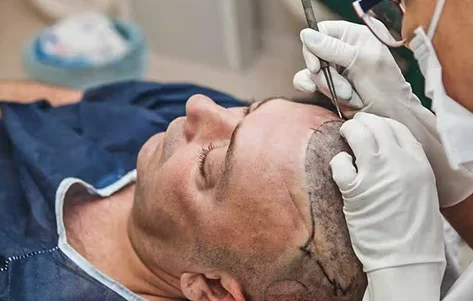
A surgeon’s level of expertise is the most significant variable in achieving successful hair transplant. An experienced hair restoration surgeon will utilize their medical expertise, anatomical knowledge, and operative discipline throughout each phase of the procedure. They will ensure accurate graft harvesting, reduce the chances of injury, implant grafts at the correct angle and placement to the scalp, and design a natural hairline. Each of these technical components has a direct effect on graft growth, scar formation, and the final result.
Experienced surgeons can tailor their technique according to the elasticity of the scalp, blood supply, thickness of hair, and strength of the donor hair. They will make sure that your final result is a great success. Choosing a clinic with specialized surgeons is a crucial component for hair transplant success.
Technology and Infrastructure Standards
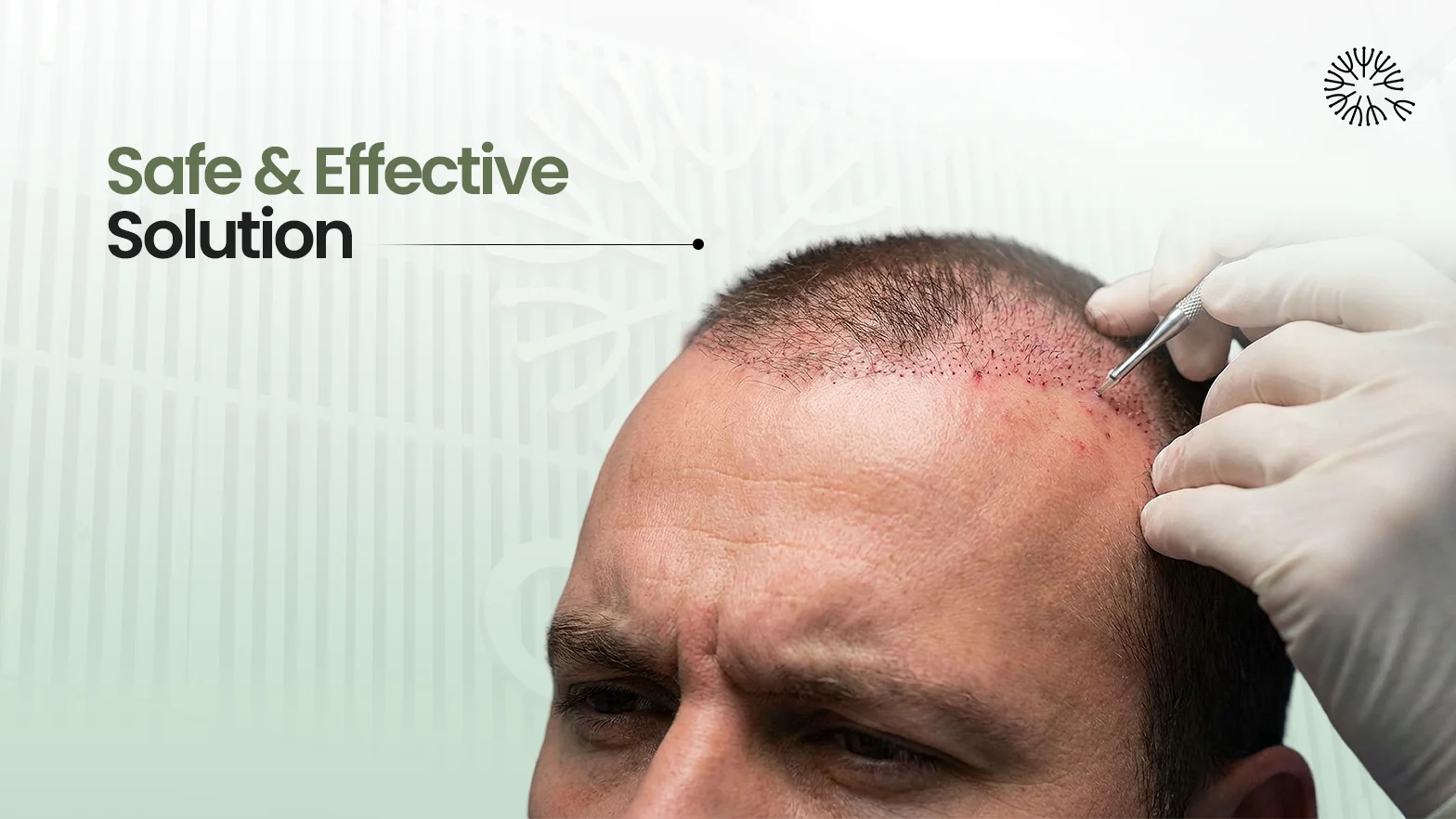
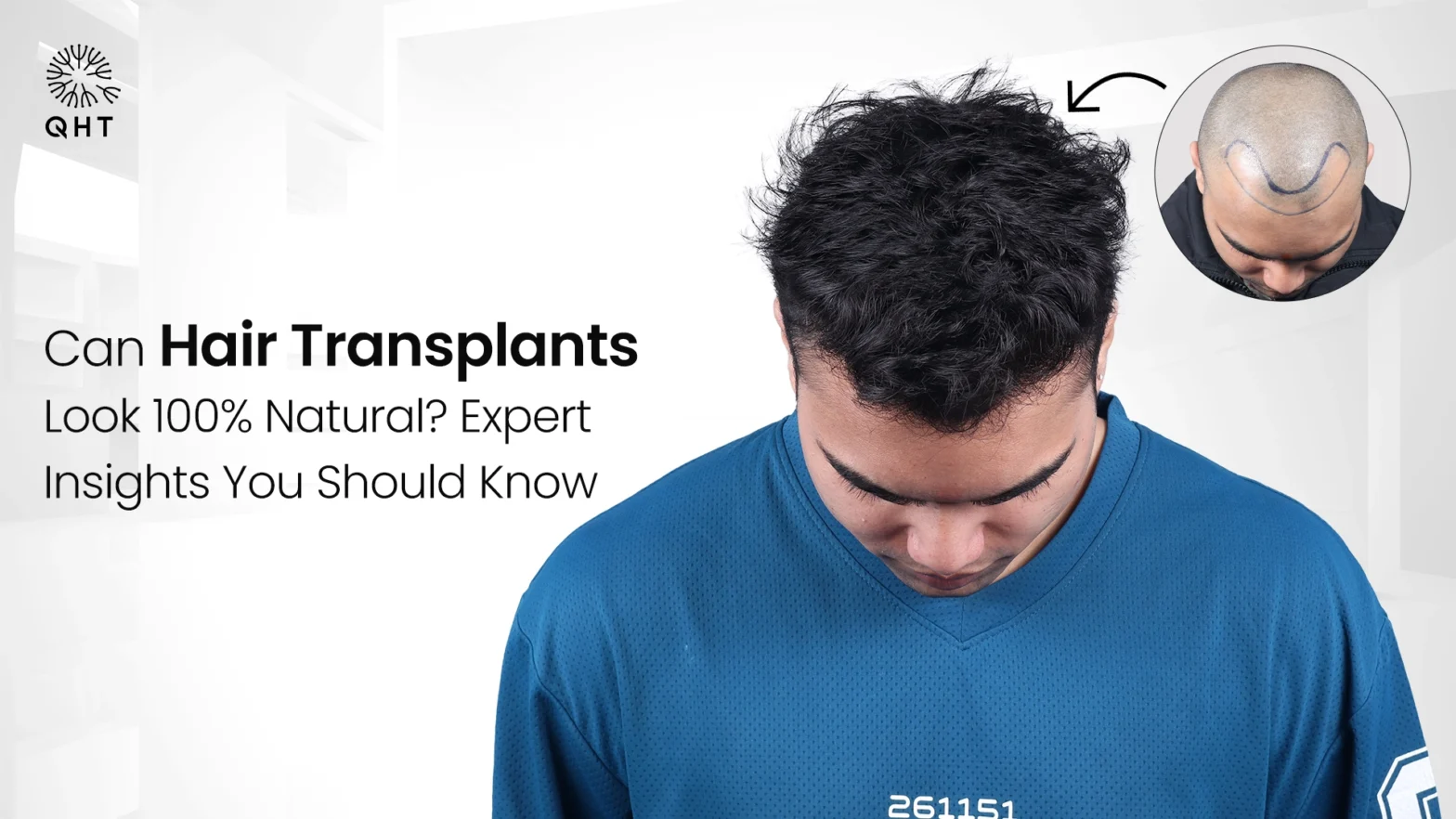
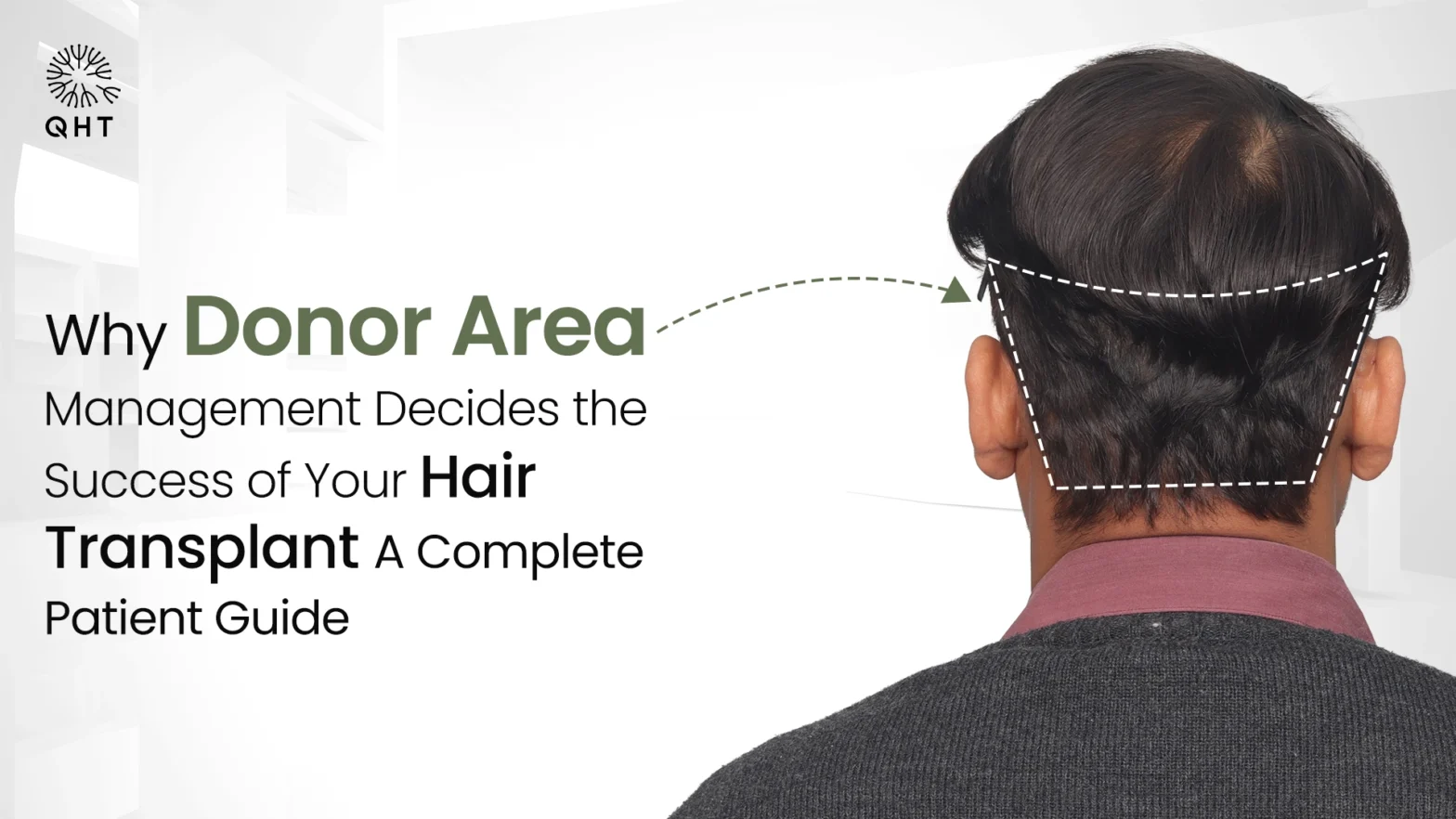
Modern hair transplantations utilize updated technology and clinical equipment. Precise extraction tools minimize follicular damage and preserve donor area appearance, while implantation devices provide controlled depth and angle placement of grafts (both of which are necessary for natural density and direction). With improved technological advancements, consistency, accuracy, and overall survival rates of grafts have improved.
A clinic’s infrastructure demonstrates its commitment to clients’ health and wellness. Digital scalp evaluation systems can be utilized to assess donor quality, create density maps, and support long-term planning. A clinic having modern surgical equipment has the capability of delivering greater aesthetic results while minimizing the risk of procedural complications and recovery issues.
Patient Safety, Hygiene, and Sterilisation Protocols
Cosmetic surgery must ensure patient safety. The risk of infection, inflammation or loss of grafts during surgery is greatly reduced by following strict sterilisation practices. The use of disposable medical instruments, sterile products and controlled operating environments significantly reduces postoperative complications and promotes faster recovery.
It is equally necessary for clinics to prepare themselves for any possible clinical emergencies. Clinics need to be capable of handling unexpected adverse effects from long surgical procedures by treating allergic reactions, excessive bleeding or another type of severe medical response. Clinics must provide appropriately trained personnel along with adequate monitoring systems and emergency response policies so that safety remains the number one priority throughout the entire surgical procedure.
Post-Procedure Care and Long-Term Monitoring
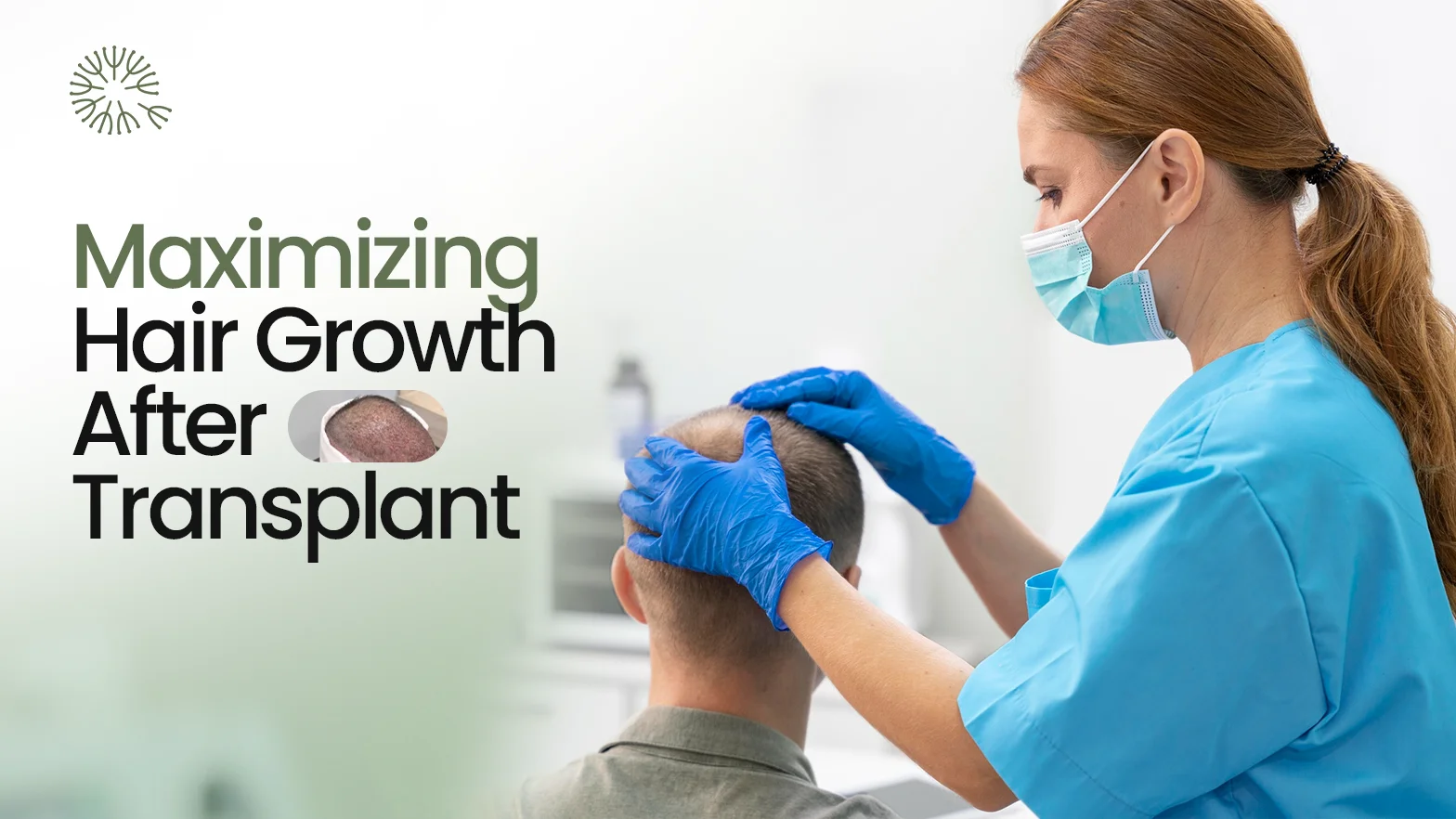
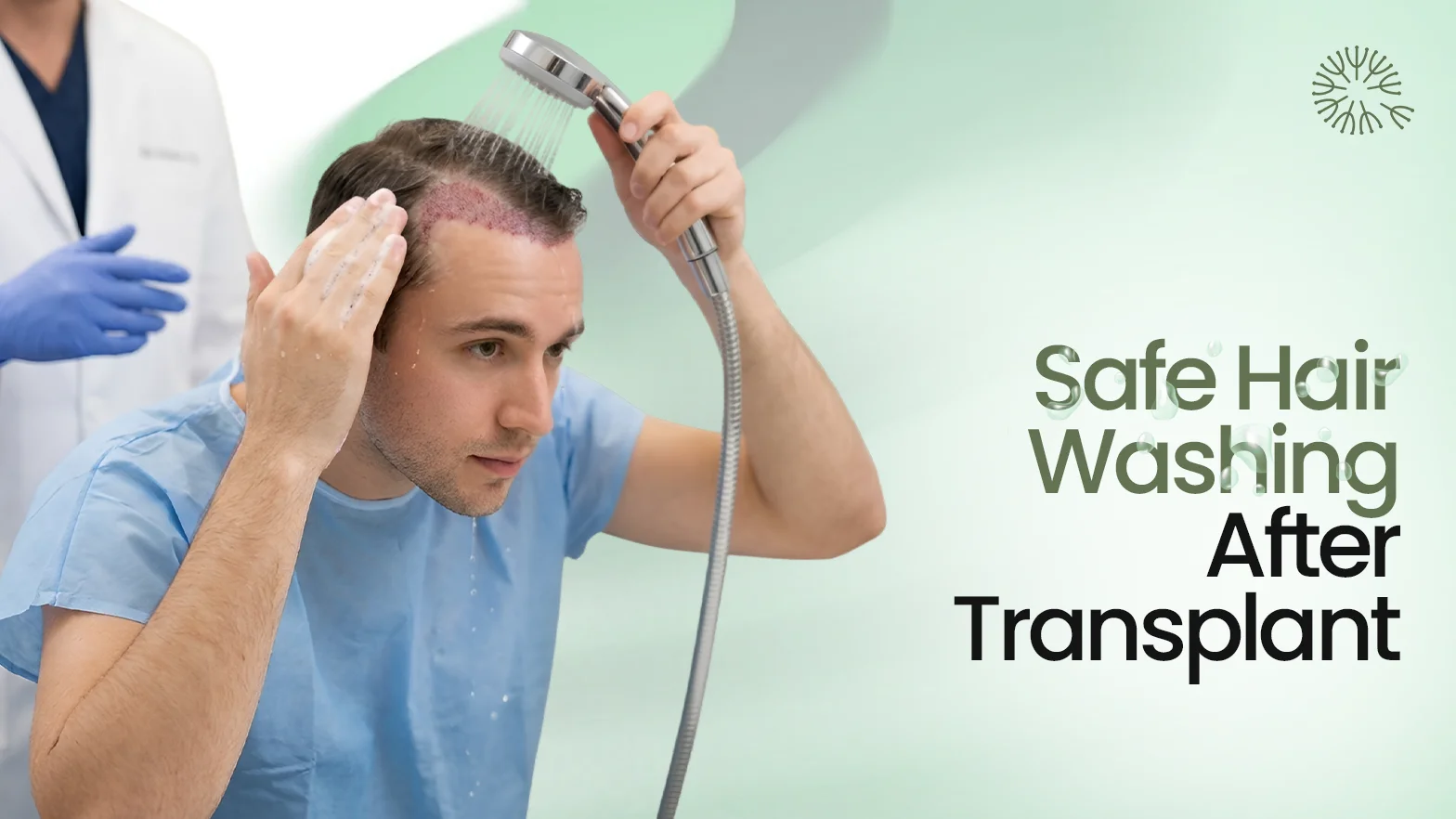
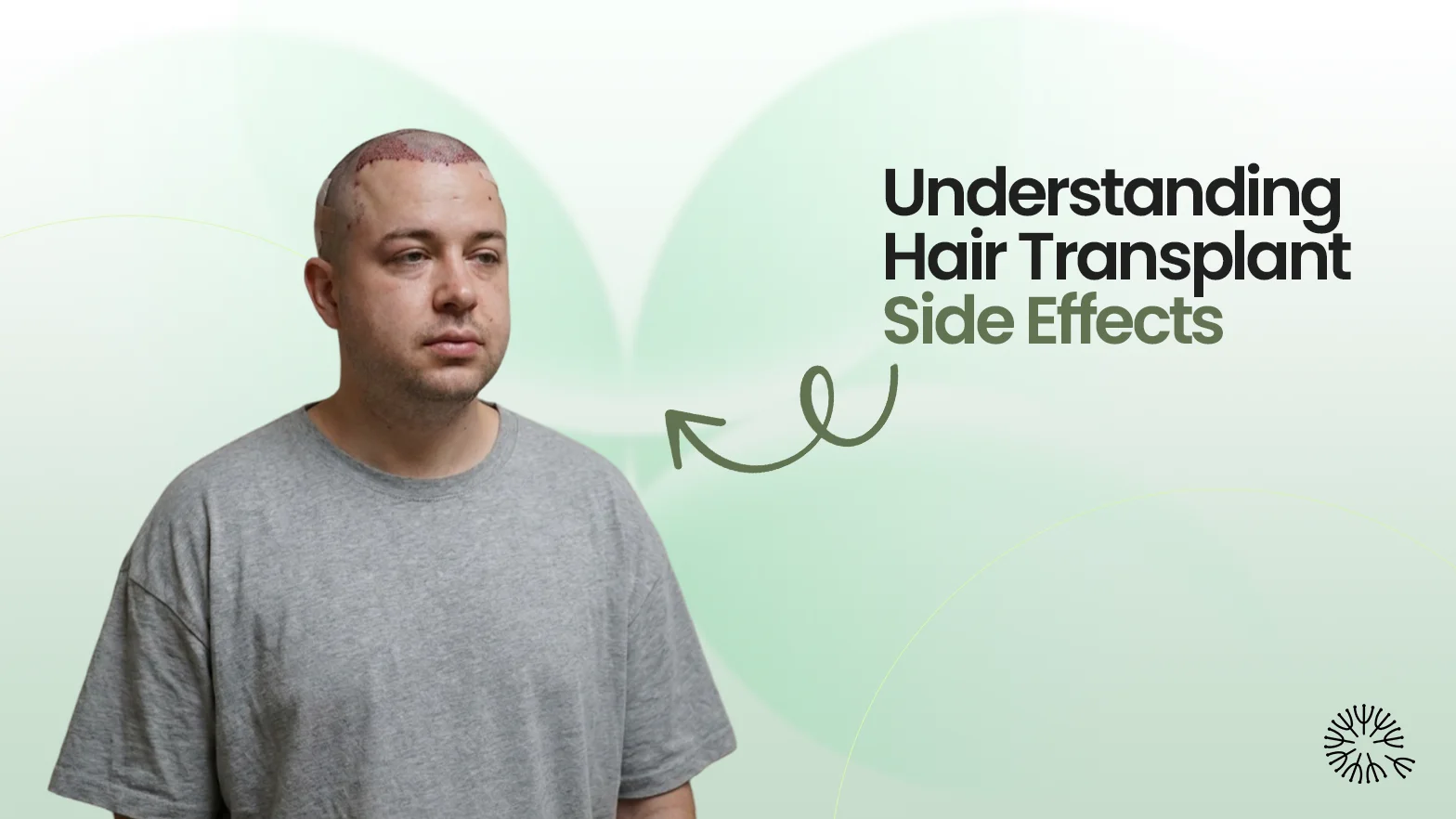
The success rate of graft survival and the final result relies heavily on the post-surgical care of the hair grafts. Following instructions given for washing hair, how to sleep, the use of medications and physical activities all contribute to the protection of the newly implanted follicles during the healing process. When aftercare is not adhered to, no matter how well the procedure was performed, the end result could still not be acceptable.
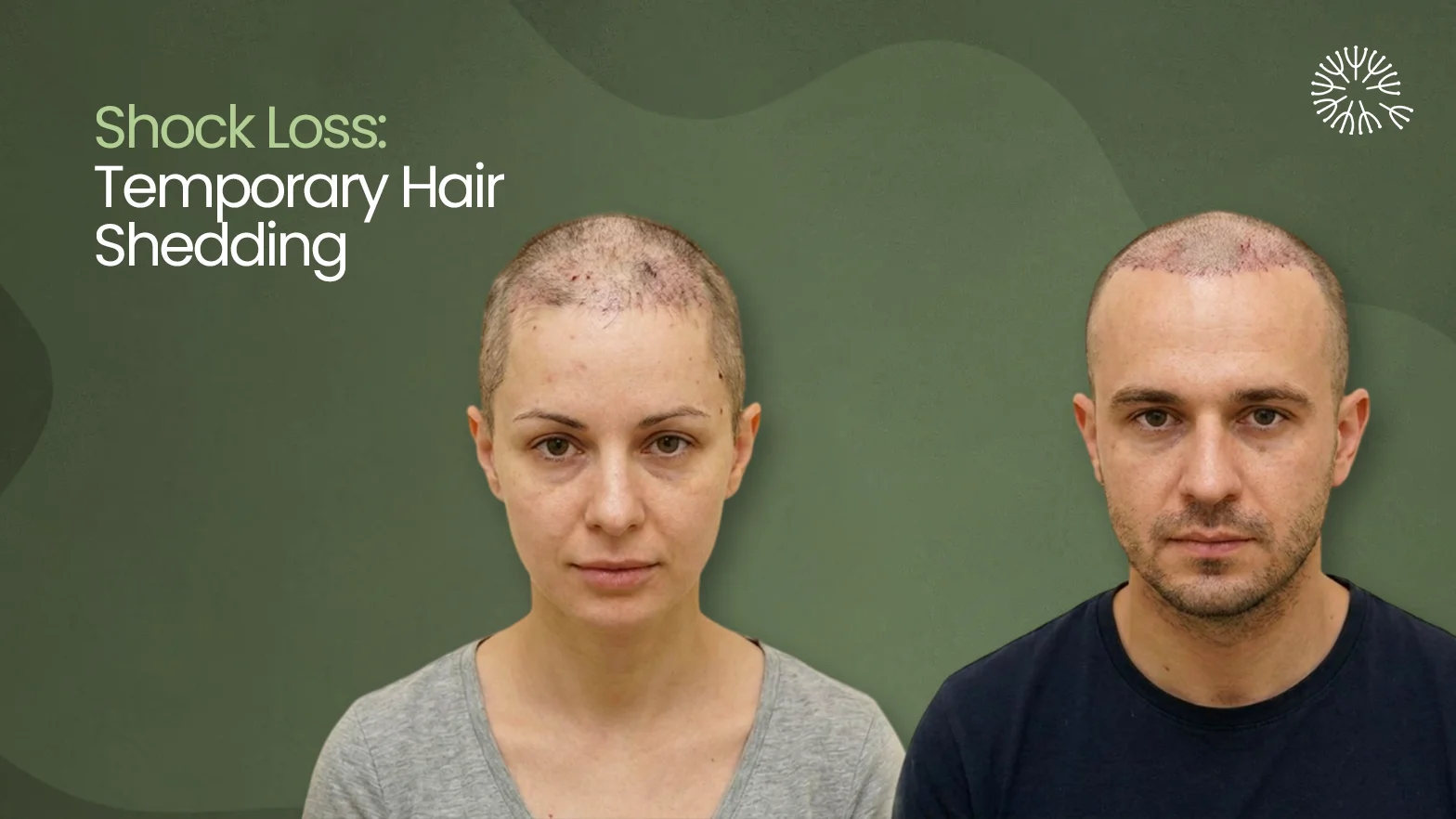
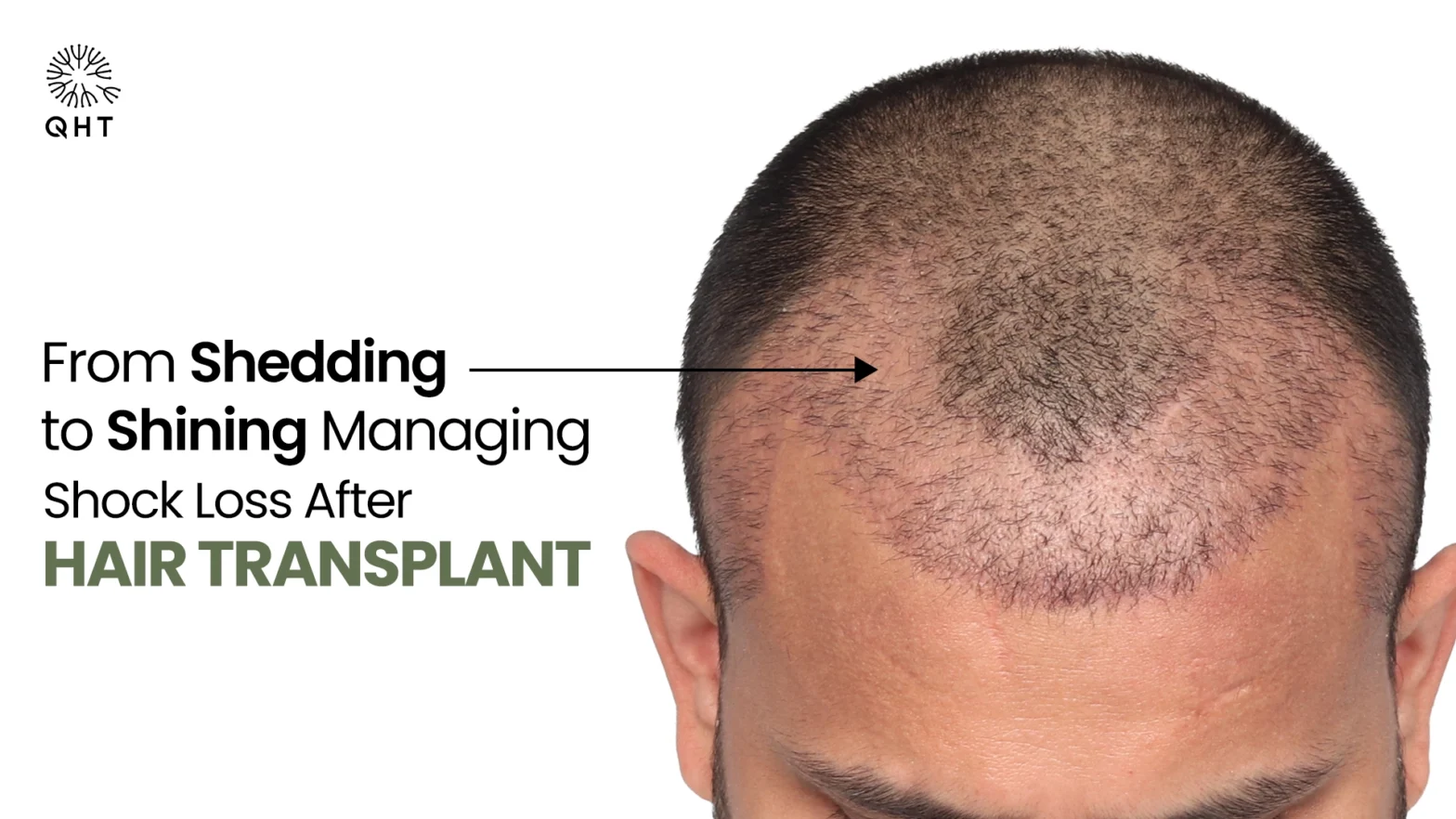
Regularly monitoring over an extended period of time can promote abundant hair regrowth and help identify problems like shock loss or irregular density early. Follow-ups can support the process of managing ongoing hair loss in non-transplanted areas and provide guidance on additional treatments that can help maintain scalp health and prolong the results.
Realistic Expectations and Outcome Transparency
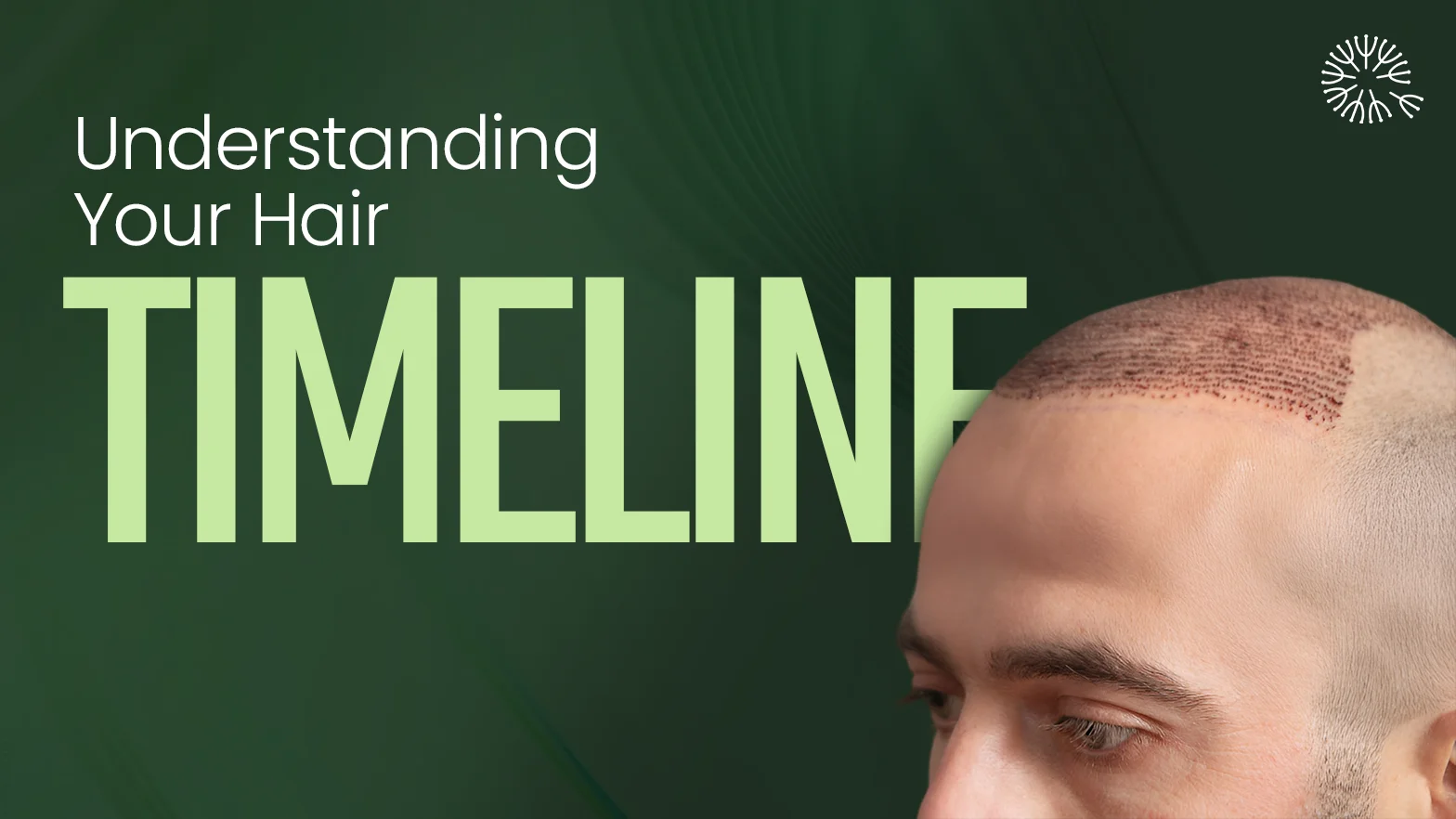
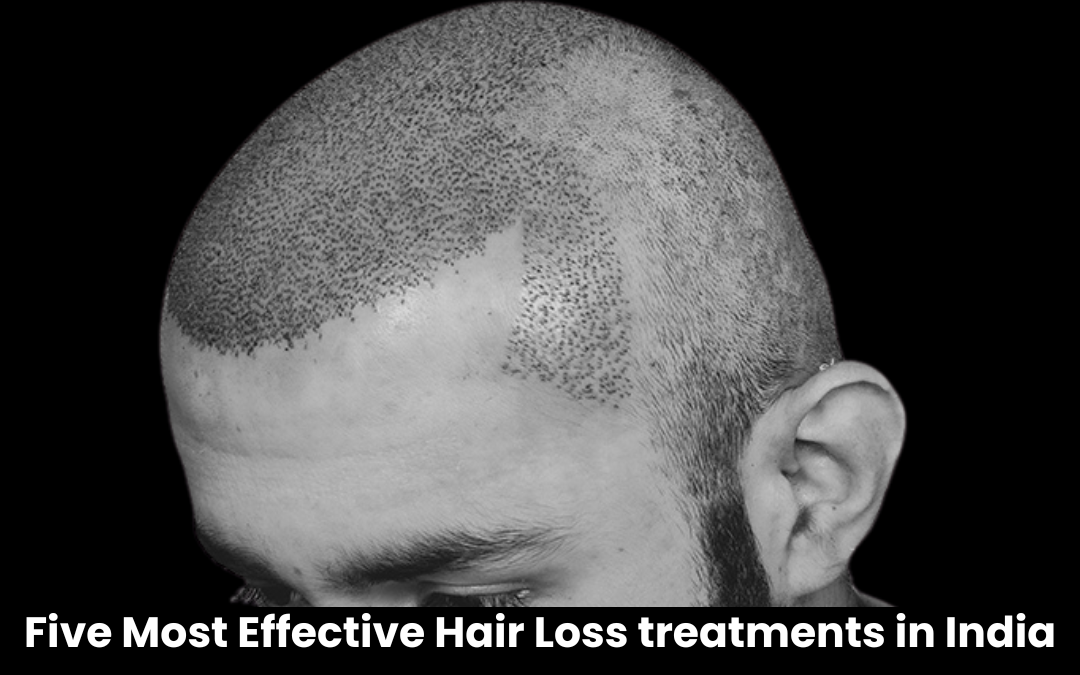
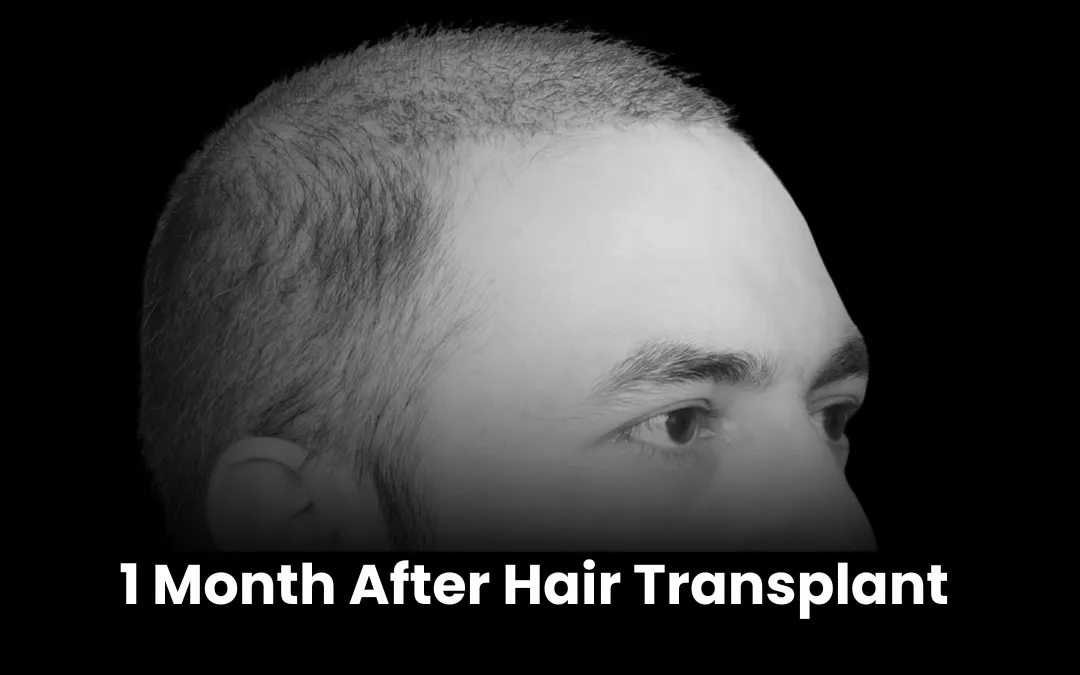
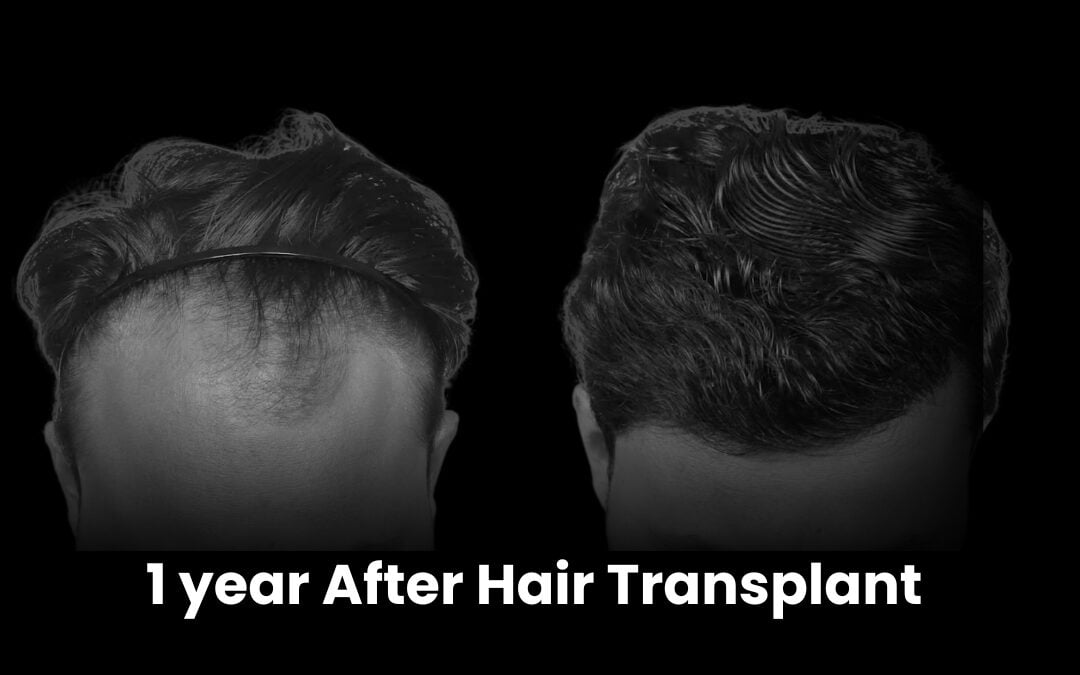
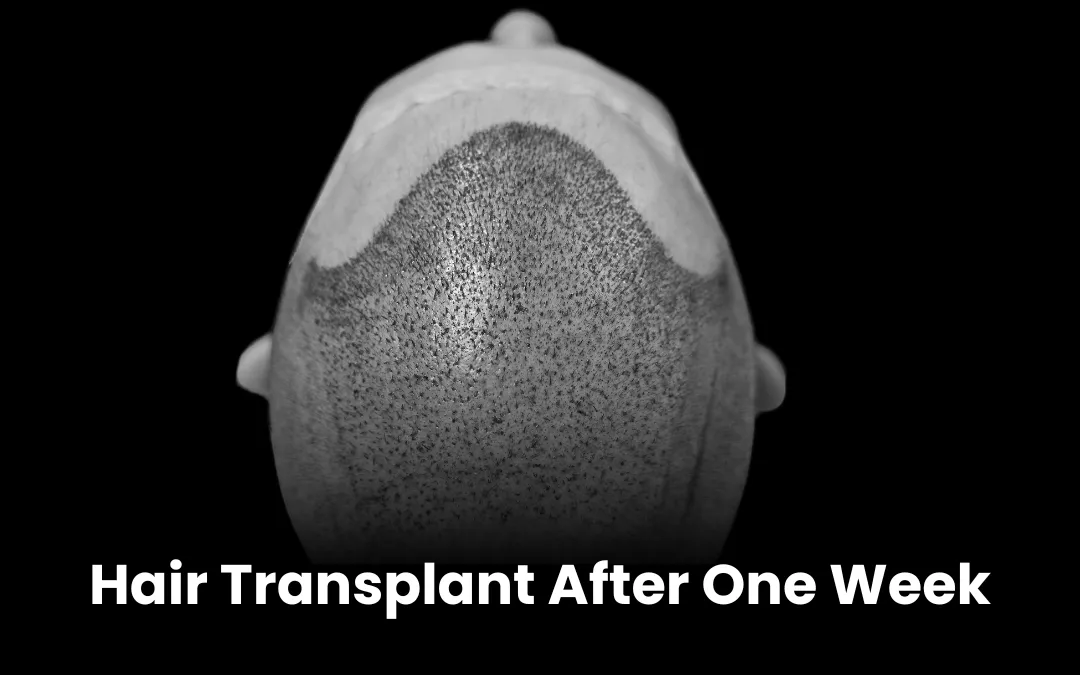
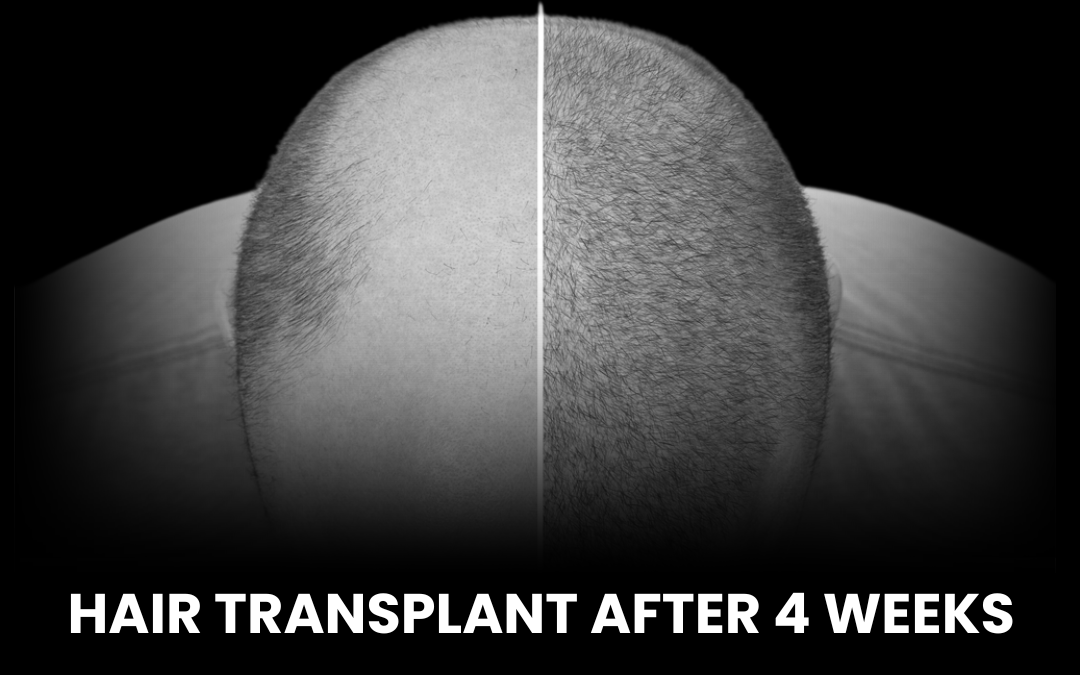
Setting realistic expectations will increase patient satisfaction. Expect to see visible hair growth approximately four to six months after surgery, but your final result may not be known until after one year. Being aware of the timing will help alleviate anxiety during the periods of shedding and regrowth.
Additionally, being upfront about density limitations is also important. A hair transplant simply redistributes hair that is already present; it does not create new follicles. By openly discussing the possible outcomes, clinics are helping patients understand what is realistic, as opposed to giving out fake promises.
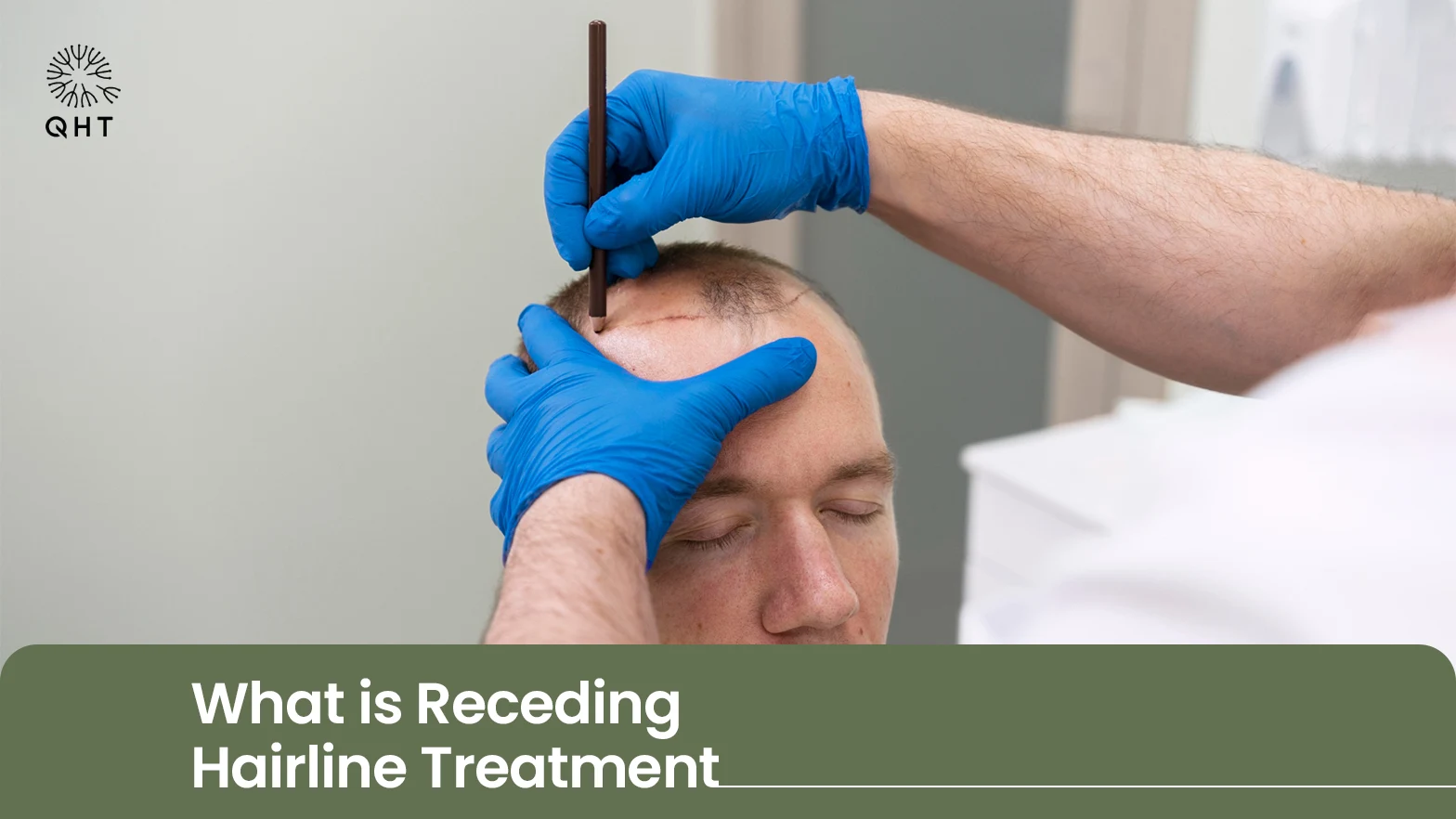
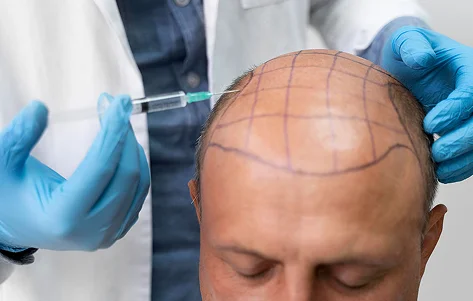
If you are experiencing signs of progressive thinning, receding hairlines or patchy baldness, undergo an objective medical evaluation that will help you determine your treatment options. Receiving advice early can minimize unnecessary procedures and facilitate more effective long-term planning.
How to Stop Hair Fall Based on the Root Cause?
The underlying causes of hair loss must always be treated first before relying solely on cosmetic solutions.
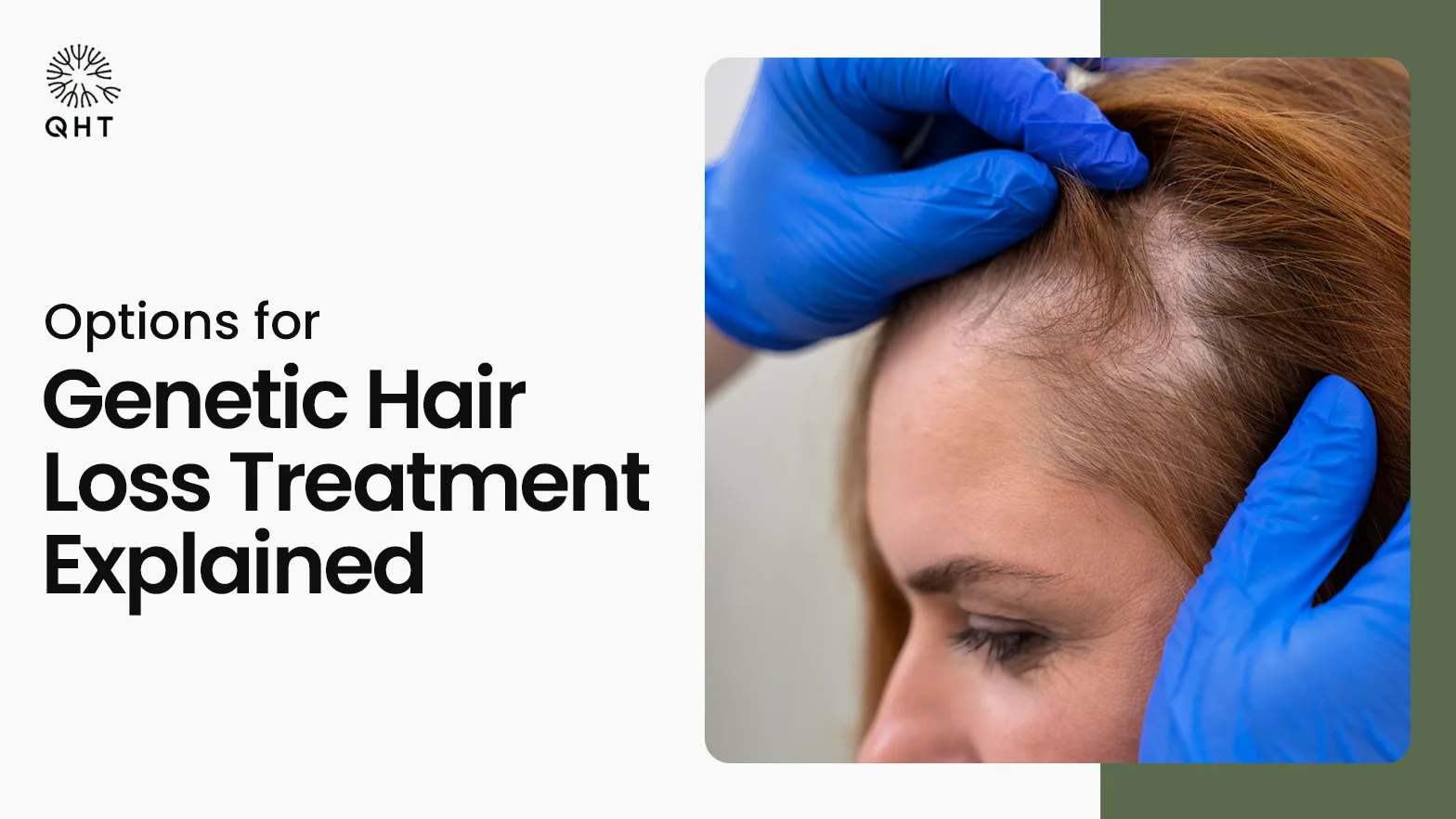
Genetic Hair Loss: Patients suffering from androgen related hair loss need to have both medical stabilization and hair transplantation simultaneously in order to protect the surrounding follicles.
Nutritional deficiencies: Nutritional deficiencies need to be medically addressed when there is insufficient iron, an inadequate amount of protein or an imbalance of vitamins; all of which cause an acceleration of hair shedding.
Hormonal imbalances: Hormonal imbalances, specifically with the thyroid and metabolic disorders, can affect the hair cycle, and need to be treated holistically.
Lifestyle Factors and Stress: Chronic stress negatively affects the functioning of the hair follicles, disrupting the growth cycle of the follicles. Adequate sleep patterns, stress levels, and scalp hygiene would all have a positive impact on recovery.
Scalp disorders: Inflammation, infections or dermatitis can negatively impact the health of hair follicles, ultimately requiring dermatology treatment.
A good clinic will incorporate a combination of diagnosis, medical treatment, lifestyle counselling and surgical planning for long-term success.
Myths About Hair Fall Treatment
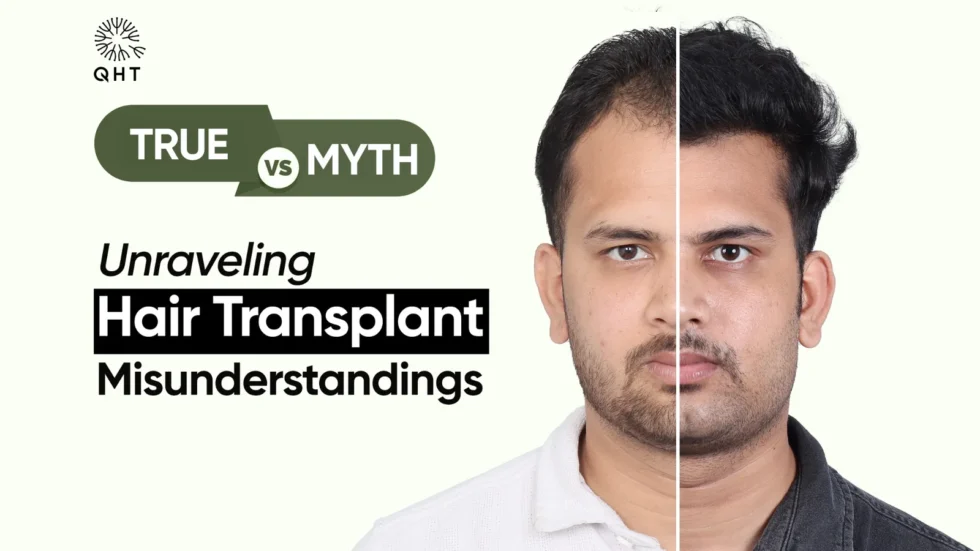
Myth: Full density is achieved right away after a hair transplant.
Truth: The body takes time to grow hair and achieve the density desired.
Myth: Transplanted hair requires lifelong special care.
Truth: After recovery, the hair that has been transplanted behaves the same as other hair.
Myth: All hair transplant clinics give the same results.
Truth: Results vary depending on the level of skills, planning and execution style of the surgeons of respective clinics.
Myth: Hair loss will automatically stop after a hair transplant.
The underlying cause of hair loss will still continue, if it is not treated medically.
Frequently Asked Questions
-
What causes hair loss every day?
The daily loss of hair is normal, certain hair shed on a daily basis. However, excessive hair loss may indicate stress, lack of nutrients, hormonal changes, scalp conditions, and genetic causes.
-
Can hair loss revert back to normal?
In most cases, hair loss due to lifestyle choices or medical conditions may be reversed. However, in the case of genetic hair loss, it must be managed with appropriate therapies and procedures.
-
When should I consult a hair specialist?
Consult a hair specialist for hair loss lasting longer than three months, thinning hair being visible, or scalp discomfort.
-
Will a hair transplant work for everybody?
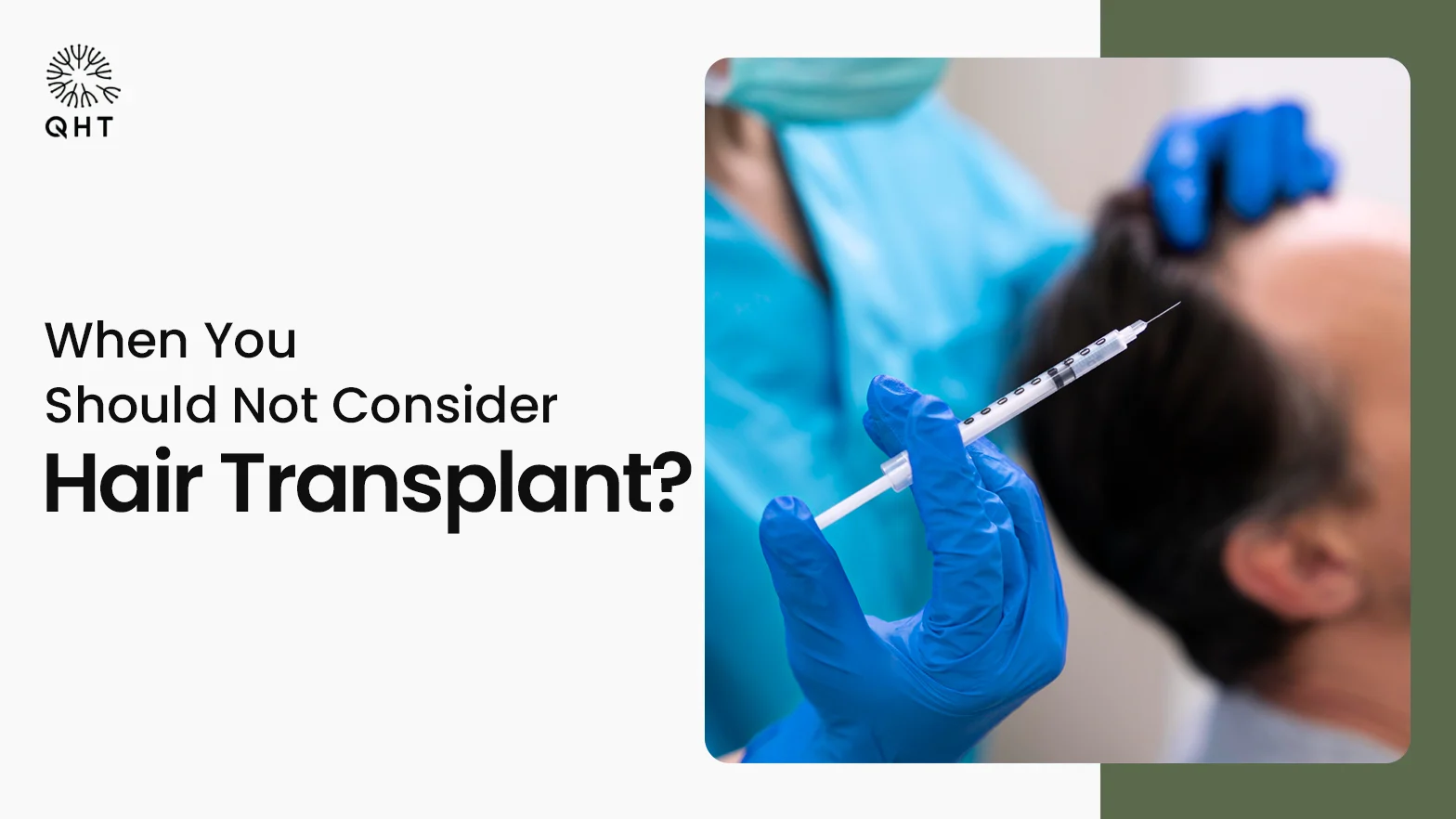
In order for a hair transplant to work for an individual, the quality of donor hair, the condition of the person’s scalp, and the person’s pattern and amount of hair loss must be medically evaluated.
-
How long will it take to see new hair growth after a hair transplant?
Approximately four to six months after a hair transplant, patients will begin to see some new hair growth. However, it takes approximately nine to twelve months from the time of the hair transplant to see full new hair growth.
Why Choose QHT Clinic
- Evidence-based standards of practice related to hair loss restoration protocols
- Medically supervised consultations when developing a treatment plan
- Patient education and clear guidance through the process
- Strict clinical and safety standards for the procedures
- Customised treatment plans provided based upon the specific diagnosis of the individual
Schedule a consultation with QHT Clinic today.
Take your first step towards determining the overall health of your hair by having an assessment performed in an ethical, safe and individualised manner.
Book a Consultation Today
Latest Videos
-

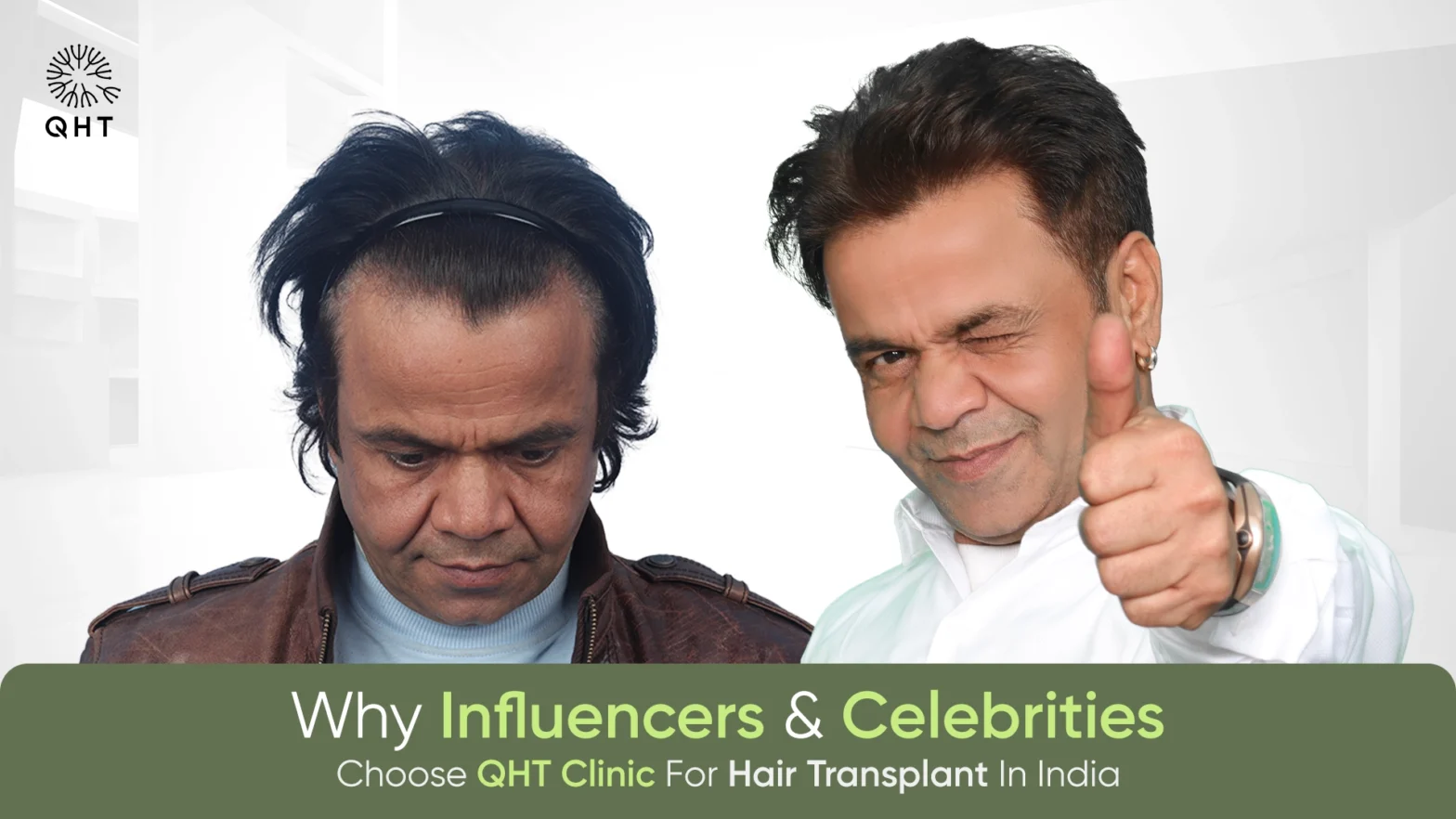
Rajpal Yadav | Bollywood Actor Hair Transplant Journey at QHT Regrow Clinic Haridwar
Click to Watch
-

FUE Hair Transplant Results | DAYA's FUE Hair Transplant Results
Click to Watch
-

Best Hair Transplant Result 2021 || NW Grade VI A || 3,422 Grafts
Click to Watch
-

Best Hair Transplant Result 2022 | Grade 4
Click to Watch
-

YouTuber Mehtab Saifi Hair Transplant
Click to Watch
-

ACP Pradyuman Hair Transplant - Actor's Hair Transplant
Click to Watch