



Grade 7 Hair Transplant: Is Full Coverage Really Possible?
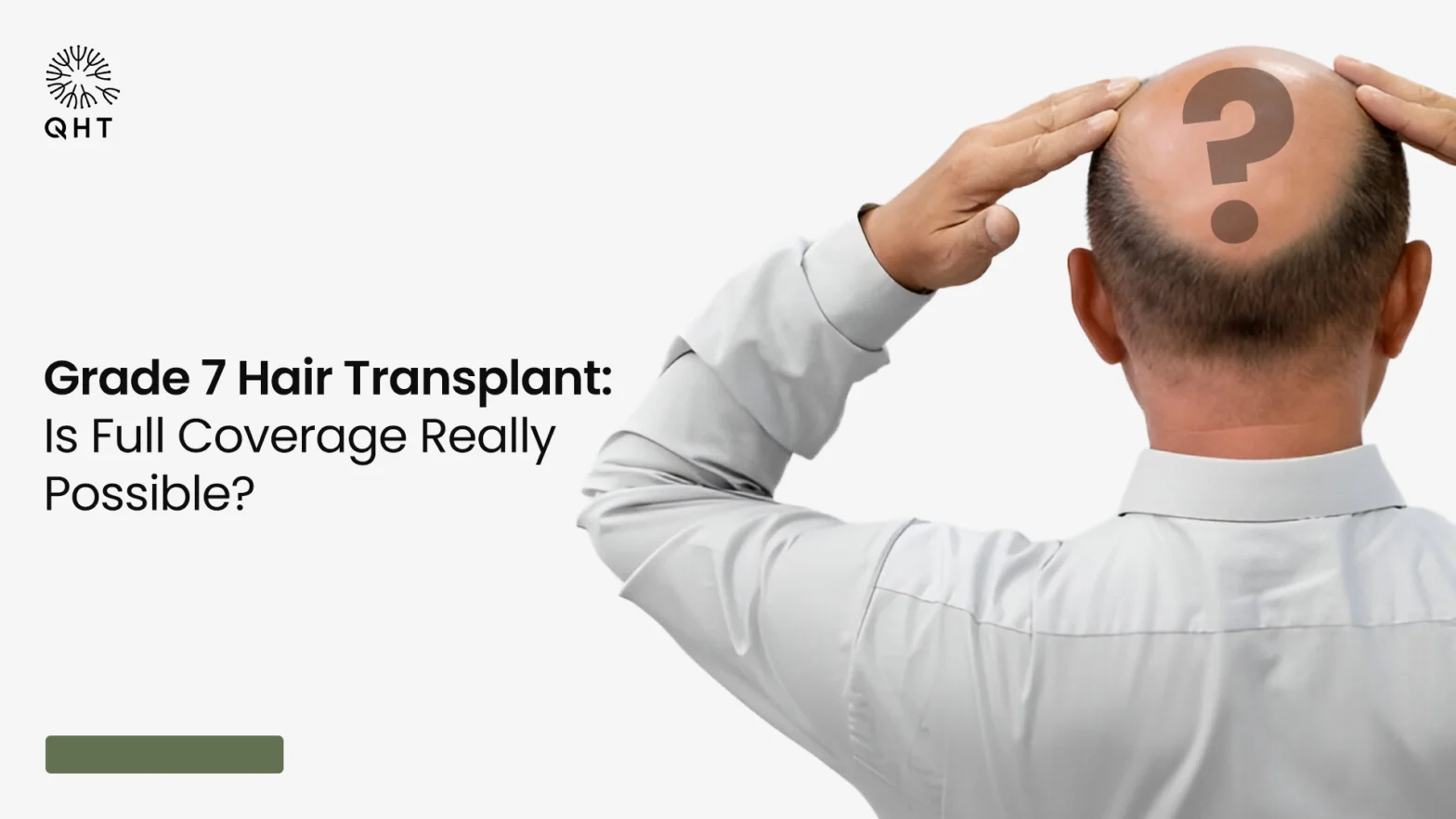
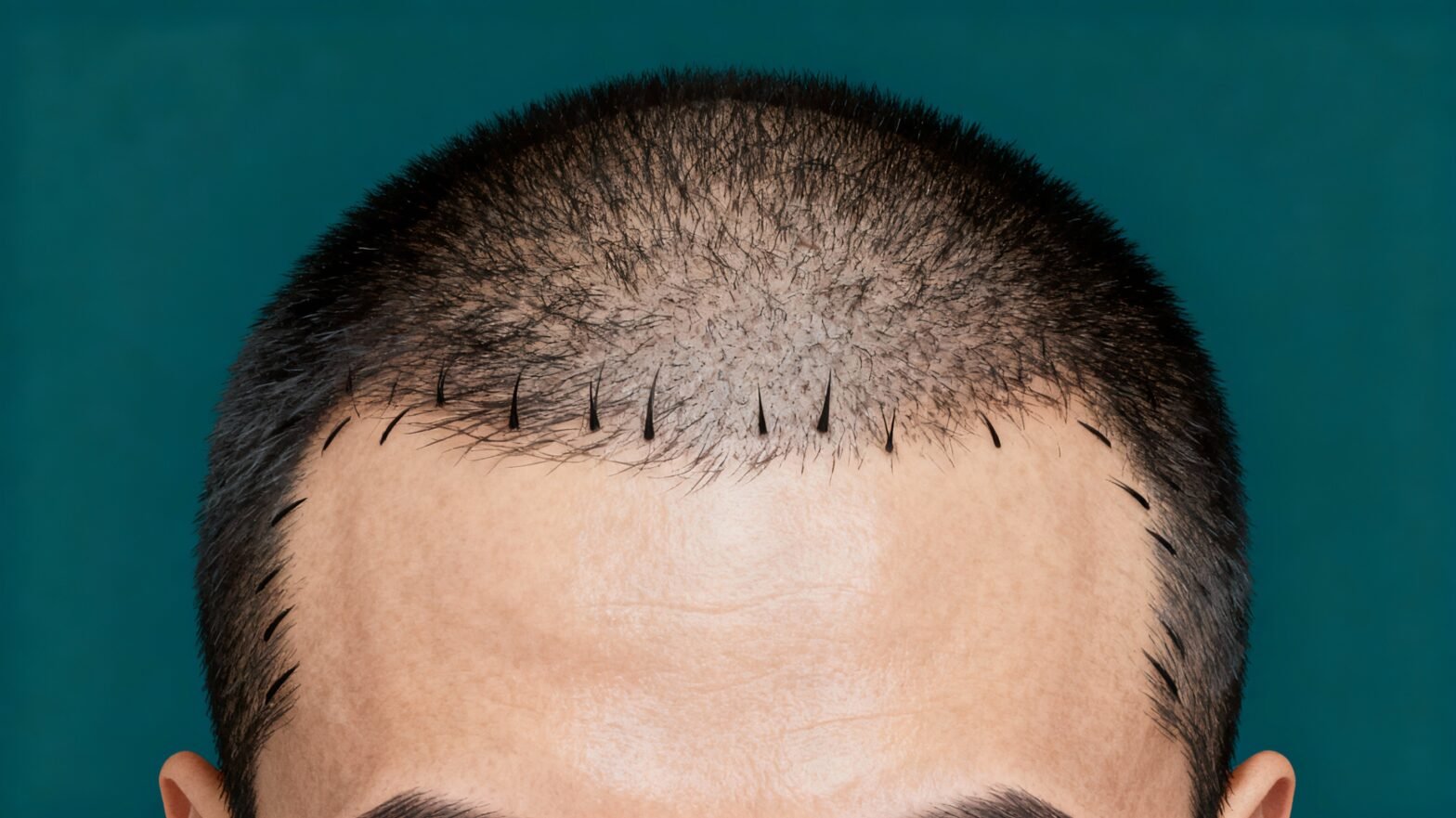
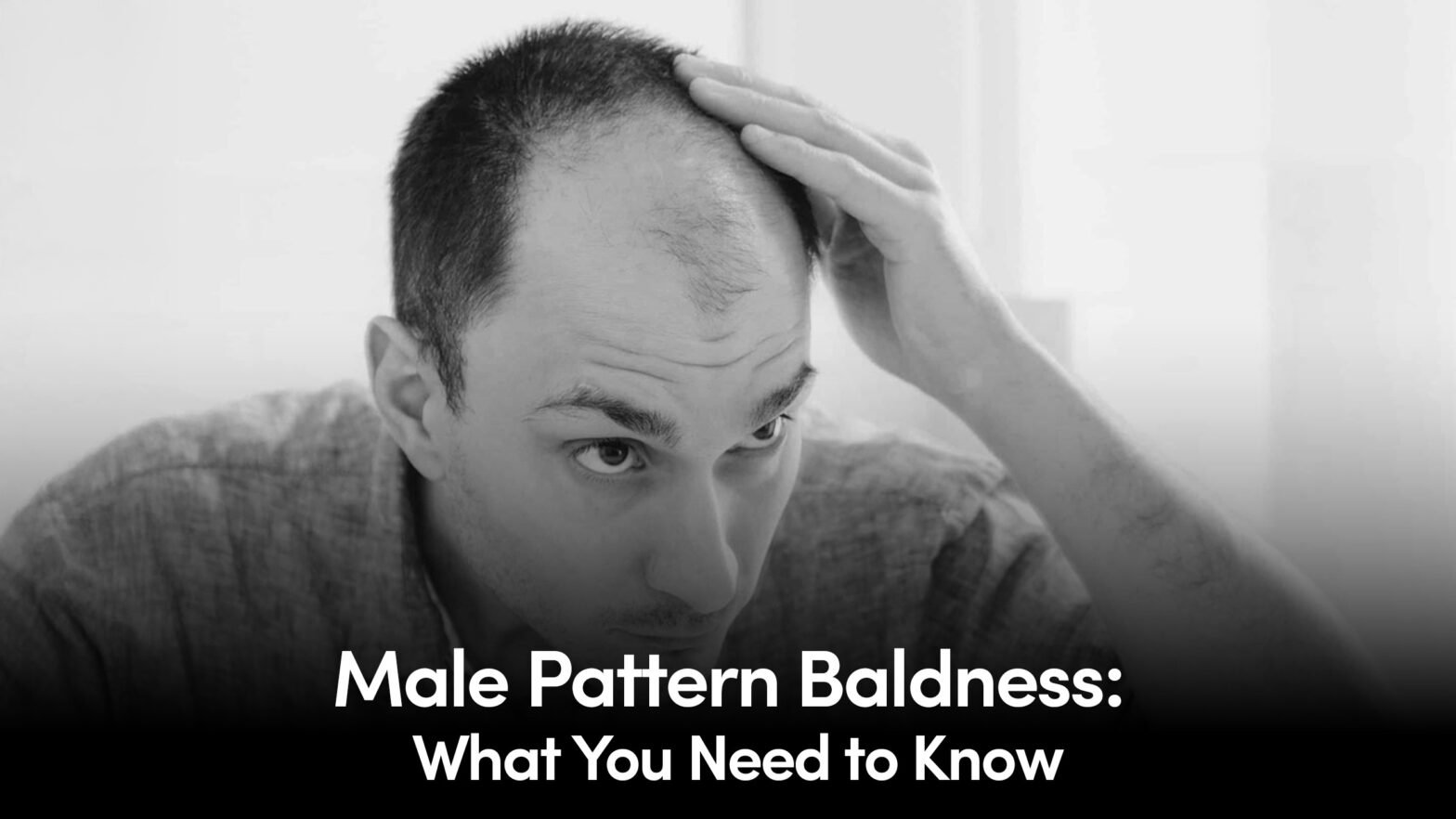
Reaching a stage of hair loss where the top of the scalp is almost entirely bare, frontal hairline gone, crown exposed, the familiar “horseshoe” of hair around the sides and back remaining, can feel like the worst-case scenario. This is usually put in Grade 7 (Norwood VII) on the Norwood scale. At this point, a lot of men wonder, “Do I have any other options, or can a hair transplant still help me?”
At QHT Clinic, we often counsel clients facing this stage of loss. The good news is that you can get a hair transplant even if you’re in seventh grade. The more important question to ask is, “What kind of result is possible?” Is it really possible to get a full coverage hair transplant? Or will the outcome be a compromise?
This service-page style guide will explain what Grade 7 means, the problems it causes, what “full coverage” looks like (and what it doesn’t), how many grafts you might need, how we plan and perform surgery at QHT Clinic, and what you should expect in terms of results before and after.
What does hair loss in grade 7 or Norwood VII mean?
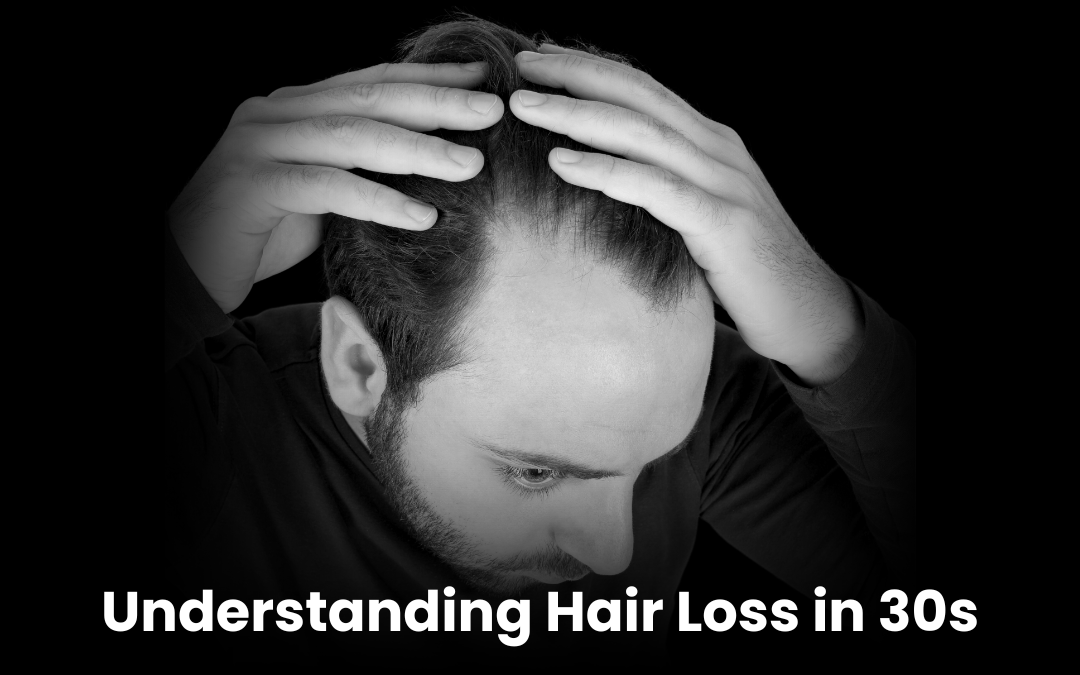
Grade 7 (or Norwood VII) on the Norwood–Hamilton scale is the most serious type of male pattern baldness. At this point:
- The hairline in the front has either completely or almost completely receded.
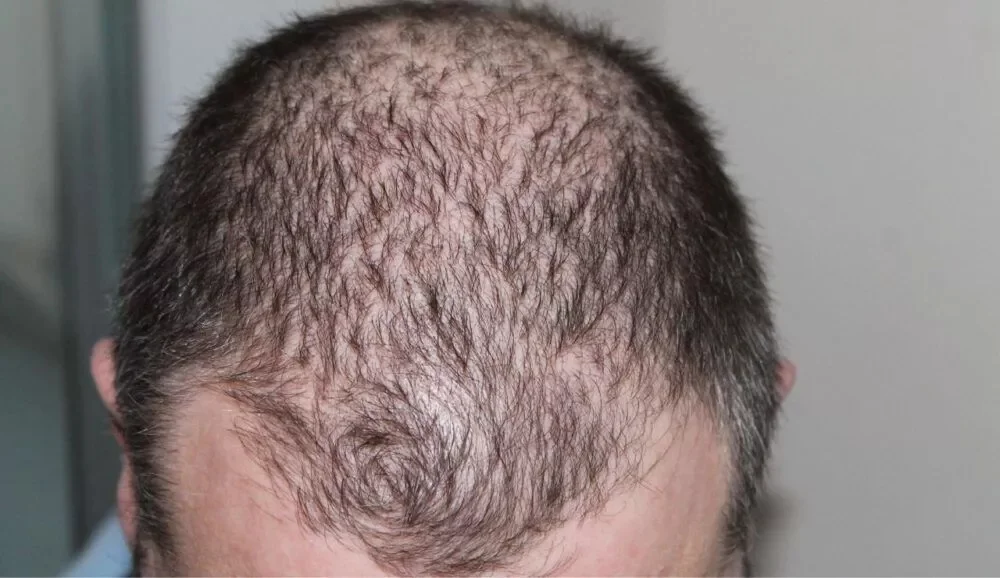
- The crown (vertex) is bald or almost bald, and it may touch the front bald zone.
- There is only a thin band of hair left around the sides and back of the head. This is called the “horseshoe” or “ring.”
- The area where the organ is taken from is often smaller or weaker, which makes planning the transplant more difficult.
In real life, the bald area that needs to be covered is very big, usually the whole top of the head from the hairline to the crown. One scientific review says that it may take 9,000 to 10,000 follicular units (FUs) to cover a bald spot on a Grade 7. Thieme
This doesn’t mean you can’t go ahead; it just means you need to fully understand how big the challenge is before you do.
Is it possible to get full coverage with a Grade 7 hair transplant?
The short answer is: It depends. With the right donor supply, surgical plan, realistic density goals and patient expectations, significant coverage is possible. But “full” coverage, as in restoring exactly what you had originally, is often not feasible. Here are the considerations:
What the research shows
An examination of 820 cases of advanced baldness (Norwood 5–7) revealed that 94% of patients were content post-surgery at the 12-month mark; however, 62% desired additional sessions to enhance coverage or density.
Another review states:
“When hair loss is at Norwood 7 … a fuller hair transplant becomes difficult to perform due to the limited number of grafts.”
Why full high-density coverage is challenging
- The donor area is often already depleted or weakened, which means there are fewer follicles that can be harvested.
- The bald zone, which is the area where the recipient is, is very big and needs a lot more grafts than the earlier stages.
- To match full natural density (the density you once had) is nearly impossible because of graft/recipient-area mismatch and donor limitations.
- Patients need to think about losing more hair in the future because their natural hair may keep thinning even after a transplant.
What “full coverage” really means
In most Grade 7 cases, the goal changes from trying to get your hair density back to:
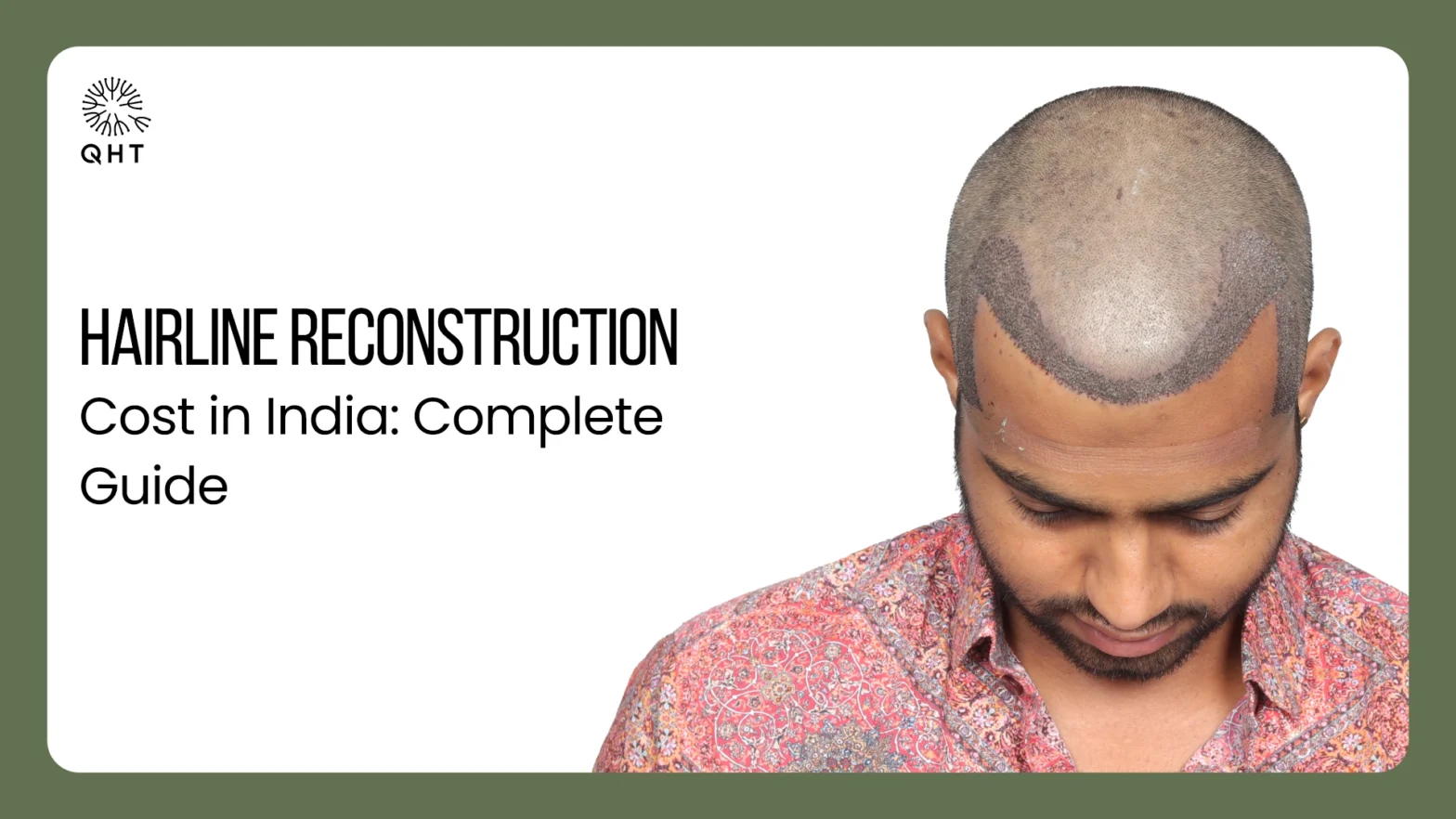
- Rebuilding a framed, natural hairline and visible coverage at the front and/or middle of the scalp.
- Giving the hair enough volume so that the scalp doesn’t look shiny or bald from a normal distance.
- Accepting slightly lower density in the crown or back, or using auxiliary approaches (like scalp micropigmentation) to simulate fullness.
Yes, it is possible to make big improvements, but you need to set realistic goals.
How many grafts do you need to fix grade 7 hair loss?
Planning requires estimating the number of grafts. In Grade 7, the requirements for grafts are higher than they were in previous grades.
Some estimates for reference:
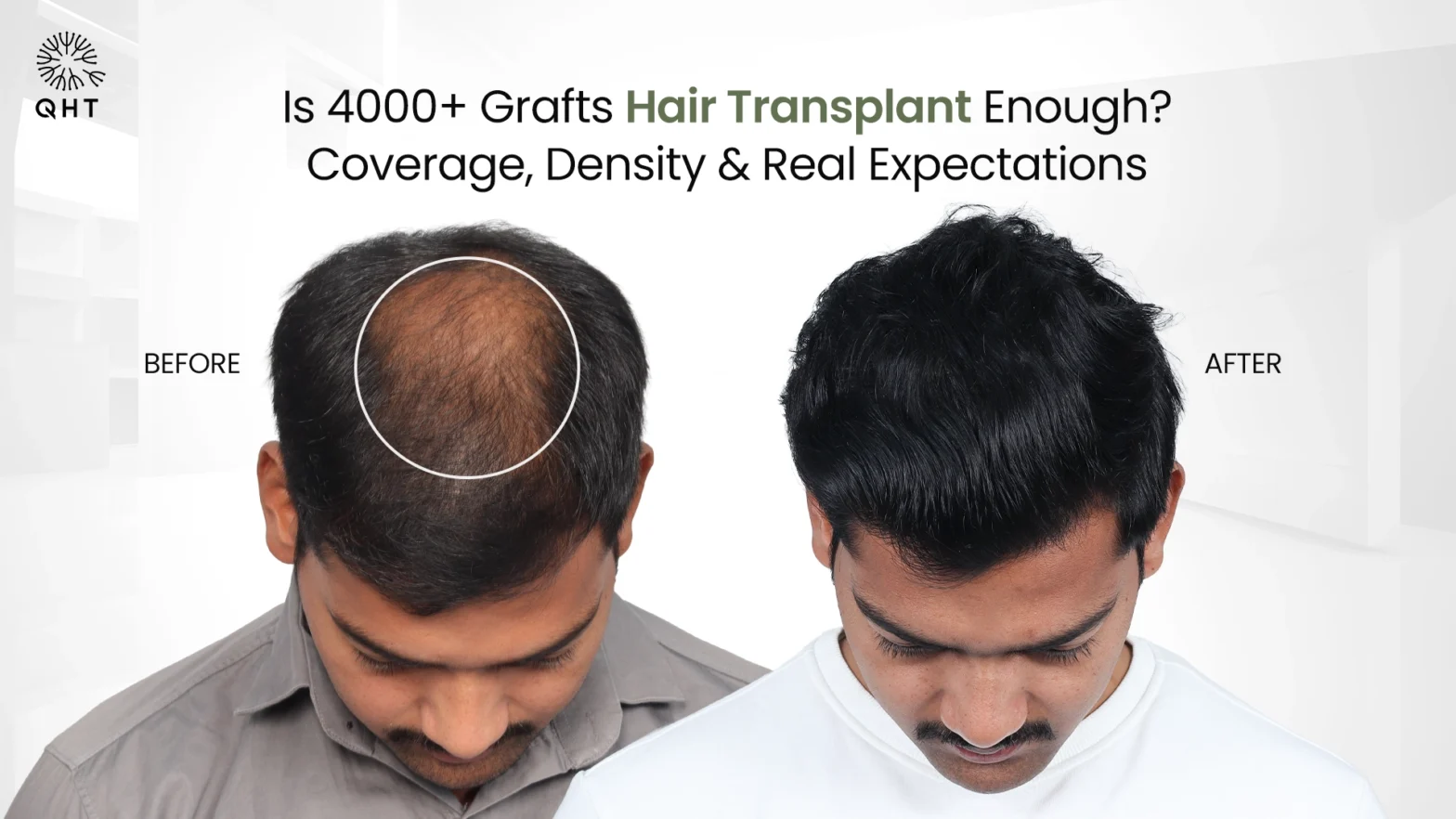
- One chart says that for Norwood VII, you might need more than 4,000 grafts in one session, but that’s the least amount you need to see a difference.
- A scientific paper said that full coverage would take about 9,000 to 10,000 FUs. In Grade 7, 300 to 350 cm².
- Another source says that a normal case needs 4,500 to 5,000 grafts, taking into account the limits of the donor.
At QHT Clinic, we look at the strength of the donor hair (density, calibre, and stability), the size of the bald area (scalp surface measurement), the colour, curl, and calibre of your hair, and the risk of future hair loss. Based on that, we might suggest:
- One big session (if the donor area is strong).
- Or two sessions, each 9 to 12 months apart, with the first one framing the front and middle of the scalp and the second one filling in the crown and back.
- Or a hybrid strategy, which is a combination of a partial transplant and scalp micropigmentation or a low-density transplant for cosmetic reasons.
How the QHT Clinic Does Hair Transplantation for Seventh Graders

At QHT Clinic, we apply a structured, realistic yet hopeful protocol for Grade 7 cases. Some important parts are:
-
Thorough Evaluation
Checking the donor (density, safe zone, quality).
Measure the scalp to find out how big the bald area is.
Assessment of hair characteristics (single vs. multi-follicular units, calibre, curl).
Talk about future hair loss and how it affects planning.
-
Setting Realistic Goals
We explain what “full coverage” means for you in particular.
We talk about trade-offs, like hairline design, density distribution, and the use of other treatments.
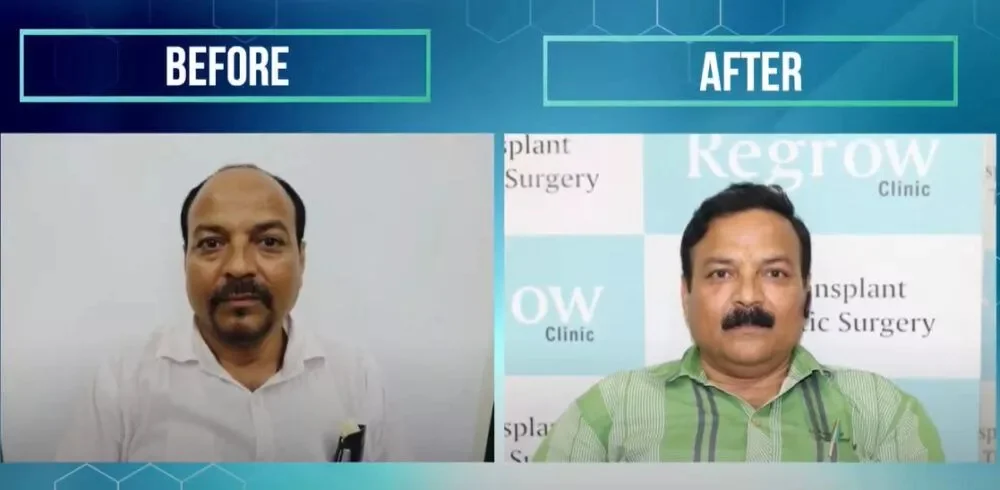
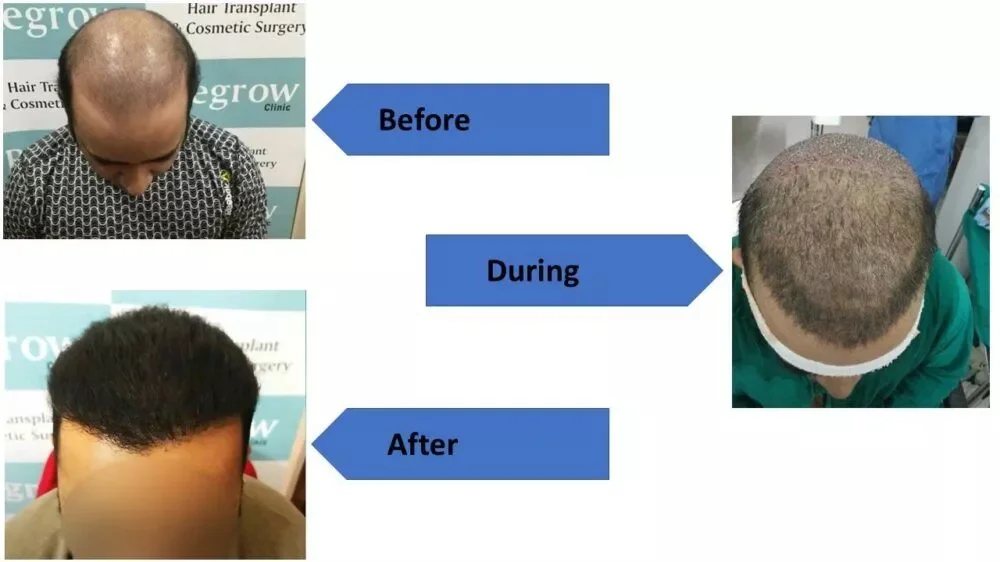
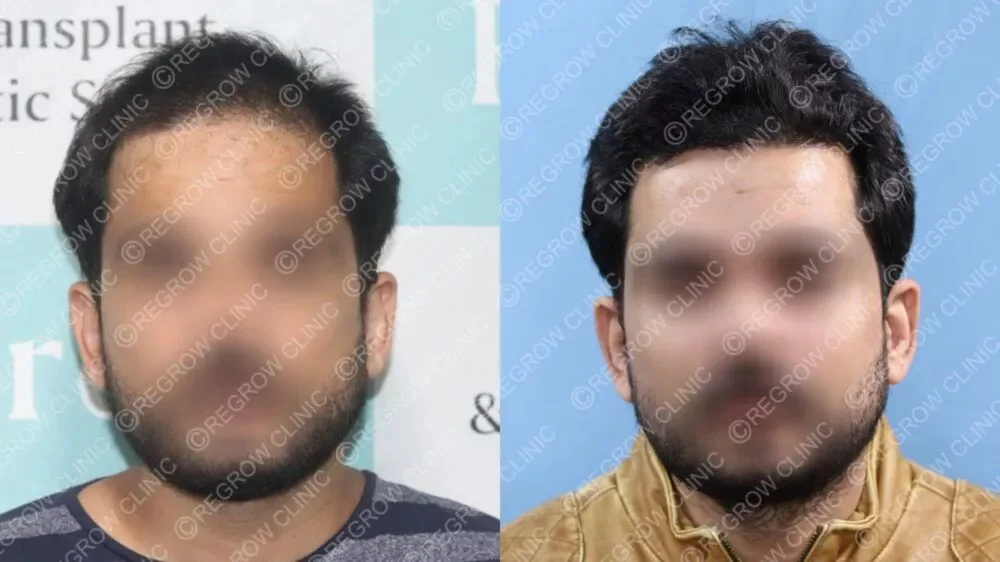
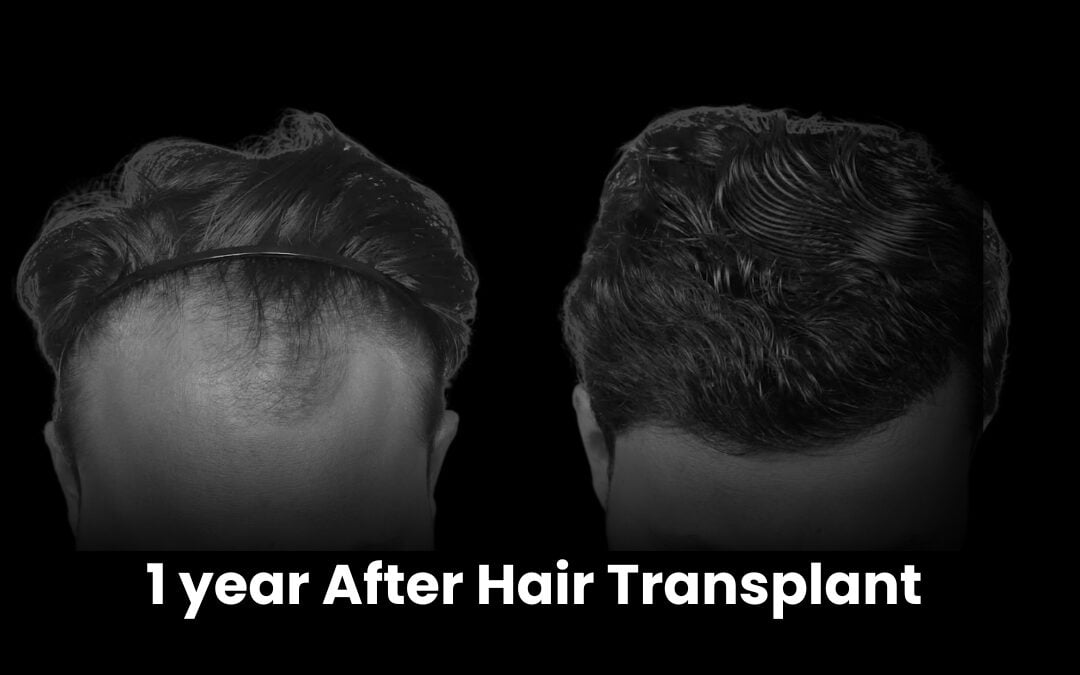
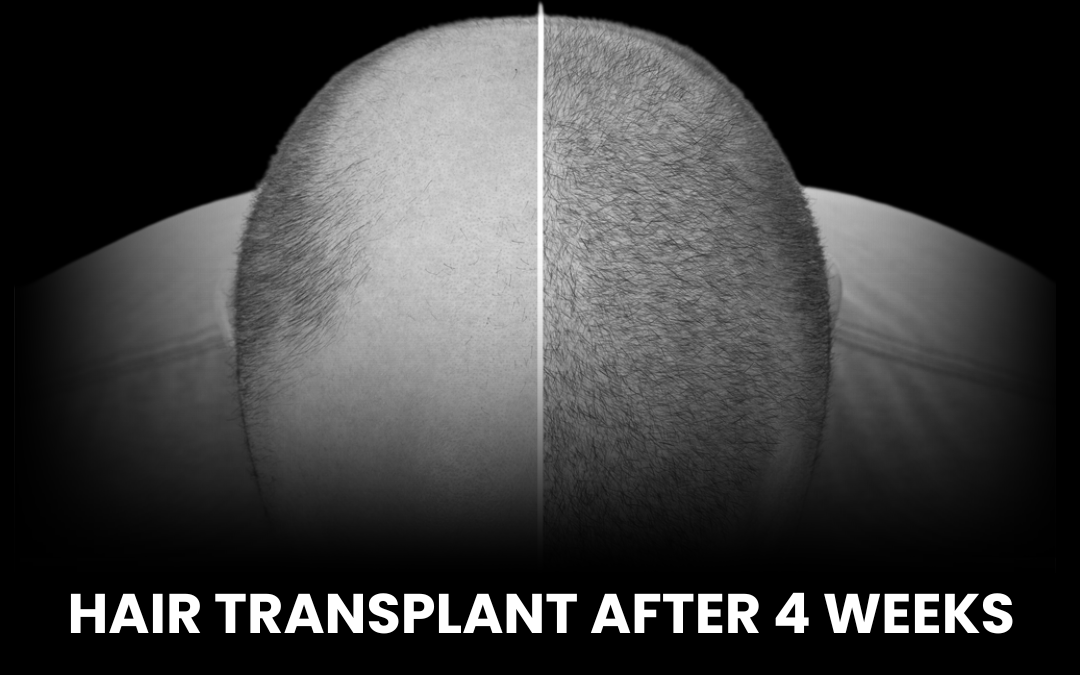
Samples of similar Grade 7 cases before and after.
-
Surgical Planning
Prioritise the hairline and face-framing zone first.
Mid-scalp and crown coverage next, if donor allows.
Instead of one session that is too full, you might want to plan more than one.
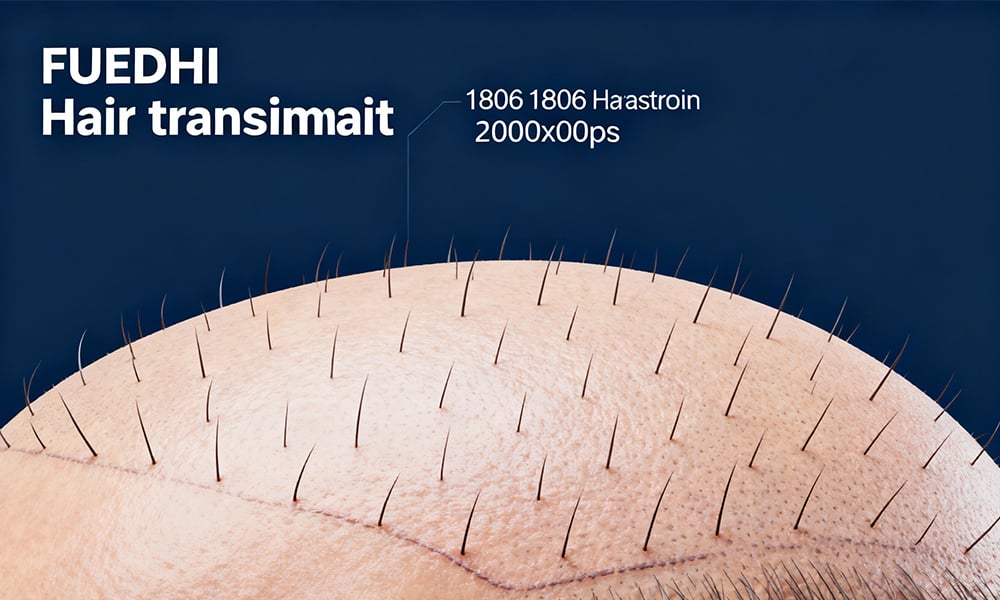
Use advanced FUE, DHI, or hybrid methods to make sure that the graft lasts as long as possible.
-
Do it with care
Use minimally traumatic extraction to protect the donor area.
Implant with correct angle, direction and density gradient for a natural look.
Maximise the yield from a limited donor supply by optimising graft survival.
-
After Surgery and Maintenance
Give medical treatment (DHT blockers, Minoxidil) to keep the hair that is already there.
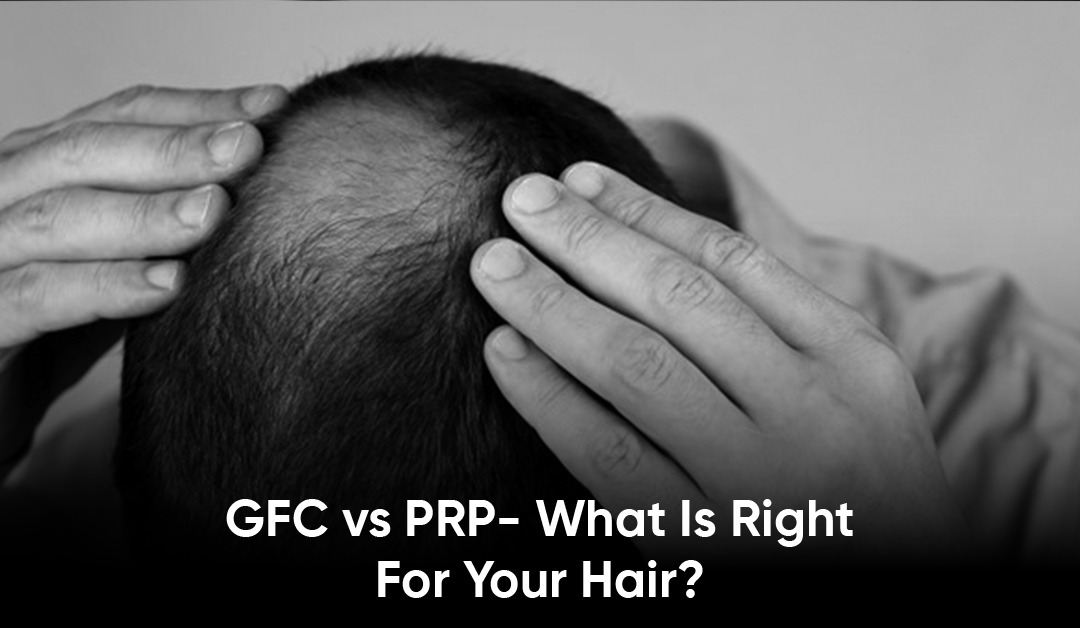
Offer regenerative treatments (PRP, GFC) to enhance new growth.
Long-term monitoring and, if necessary, follow-up sessions or SMP.
Things to think about before getting a Grade 7 hair transplant in India
Costs for Grade 7 are higher than for early-stage hair loss because there are more grafts and the process is more complicated. In India:
- Some clinics say that you need 5,000 to 6,500 grafts for Grade 7. The price can range from ₹1,50,000 to ₹4,00,000, depending on the city and the method used.
- The price will also go up if the need for graft rises to 8,000–10,000.
At QHT Clinic, we give a personalised quote after evaluating the donor and recipient. This quote includes the possibility of multiple sessions and the cost of ongoing maintenance.
When Grade 7 Might Not Be the Best Time for a Hair Transplant
In some cases, surgery may not be the best option for treating Grade 7 cases. Some of the reasons are:
- Very weak donor area (low density and miniaturisation).
- There is a very large bald area compared to the donor supply, so the density gain would be very small.
- Unrealistic expectations (like thinking you can have a full head of hair with a lot of youth).
- Aggressive hair loss that is happening now, and no desire to keep it up long-term.
In these situations, we might suggest other options or additional steps:
- Wigs or hair systems.
- Scalp Micropigmentation (SMP) to make things look fuller.
- Medicinal and regenerative therapies to stabilise native hair prior to transplantation.
Important Things to Know Before Getting a Grade 7 Transplant
- Planning gets more realistic the bigger the bald spot and the weaker the donor area.
- It is very possible to improve the way things look, but “full natural density” may not be.
- You might need more than one session or extra therapies.
- Expect 12-18 months for the final outcome; patience is essential.
- Long-term care (medication, lifestyle) is just as important as the surgery itself.
- Pick a clinic that has worked with complicated cases before and is open about its counselling.
Why Choose QHT Clinic for a Grade 7 Transplant?
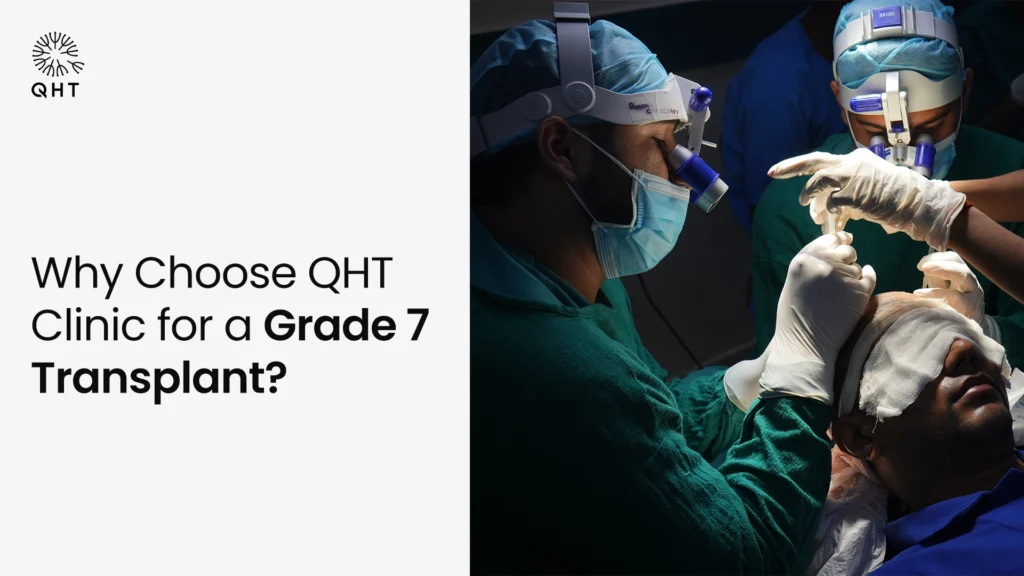
We specialise in advanced hair restoration cases at QHT Clinic, including Grade 7, by offering the following:
- Consultations led by a surgeon set realistic expectations.
- High-end technique (FUE/DHI/hybrid) made for a big transplant session.
- Strong plans for after-care and maintenance that include medications and support for healing.
- Clear pricing and complete before-and-after portfolios for similar advanced cases.
- Long-term follow-up to make sure your result lasts and you don’t lose more hair.
Conclusion
Getting a Grade 7 hair transplant isn’t easy, but it’s not impossible either. You can turn a scalp that is almost bald into one that looks fuller and more natural with the help of a partner who understands how complicated it is (like QHT Clinic).
The key is: “full coverage” doesn’t mean “exact replication of early youth density”, it means optimum use of available donor hair. “Full coverage” doesn’t mean “exactly copying the density of early youth.” It means making the best use of the donor hair you have to make a big, long-lasting, and natural difference in your appearance.
If your hair loss has reached Grade 7 and you’re thinking about getting a transplant, call QHT Clinic today to make an appointment. We’ll look at your donor area, mark the bald spot, plan how many grafts you might need, talk about what density you can realistically expect, show you examples of what it will look like before and after, and create a personalised treatment plan to not only restore your hair but also your confidence.
Book a Consultation Today
Latest Videos
-

Rajpal Yadav | Bollywood Actor Hair Transplant Journey at QHT Regrow Clinic Haridwar
Click to Watch
-

FUE Hair Transplant Results | DAYA's FUE Hair Transplant Results
Click to Watch
-

Best Hair Transplant Result 2021 || NW Grade VI A || 3,422 Grafts
Click to Watch
-

Best Hair Transplant Result 2022 | Grade 4
Click to Watch
-

YouTuber Mehtab Saifi Hair Transplant
Click to Watch
-

ACP Pradyuman Hair Transplant - Actor's Hair Transplant
Click to Watch