



Transplant Done, What Next? The Secret to Long-Term Hair Growth Maintenance
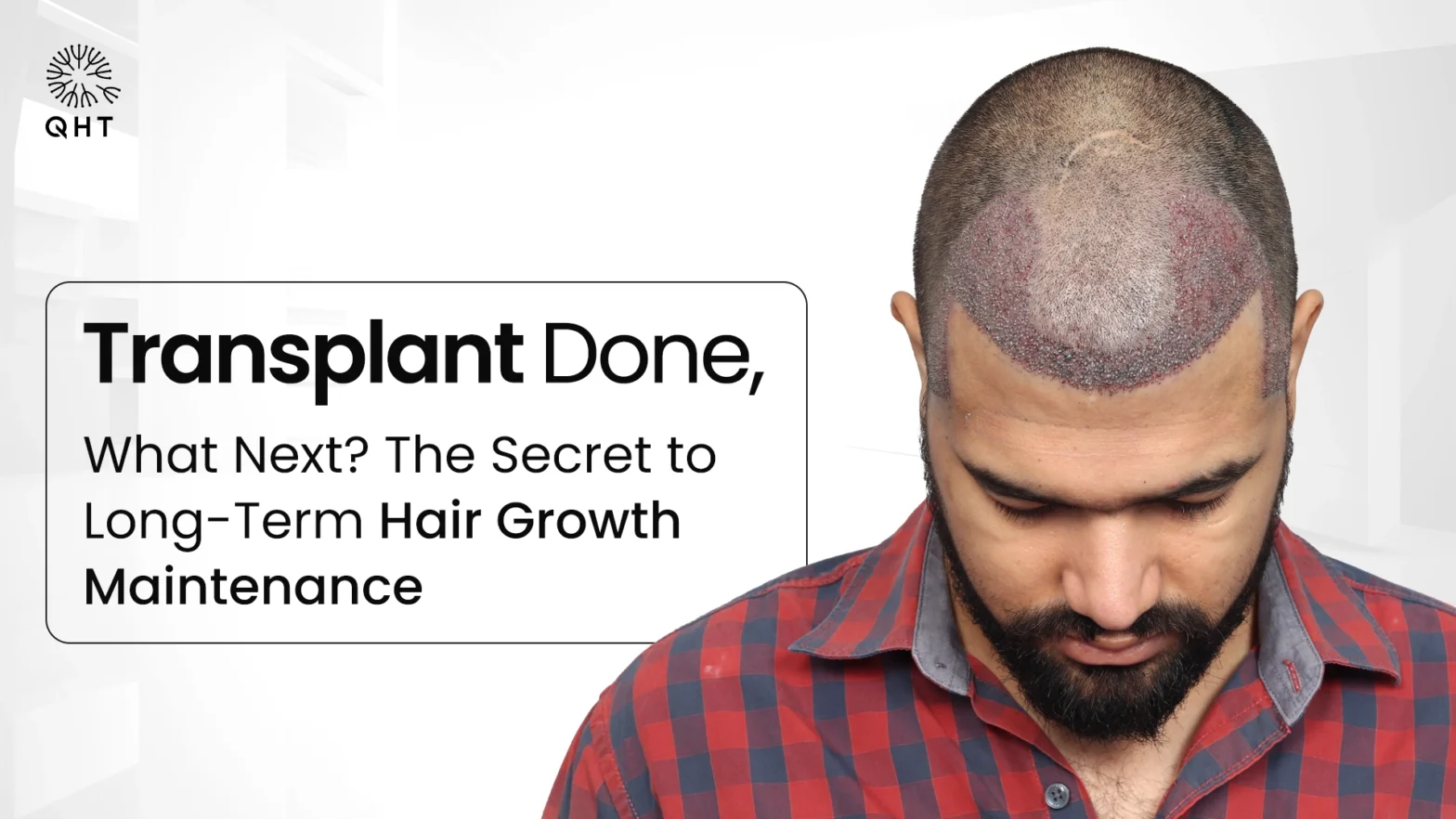
One of the most effective and reliable ways of combating baldness and hair loss is hair transplant surgery.
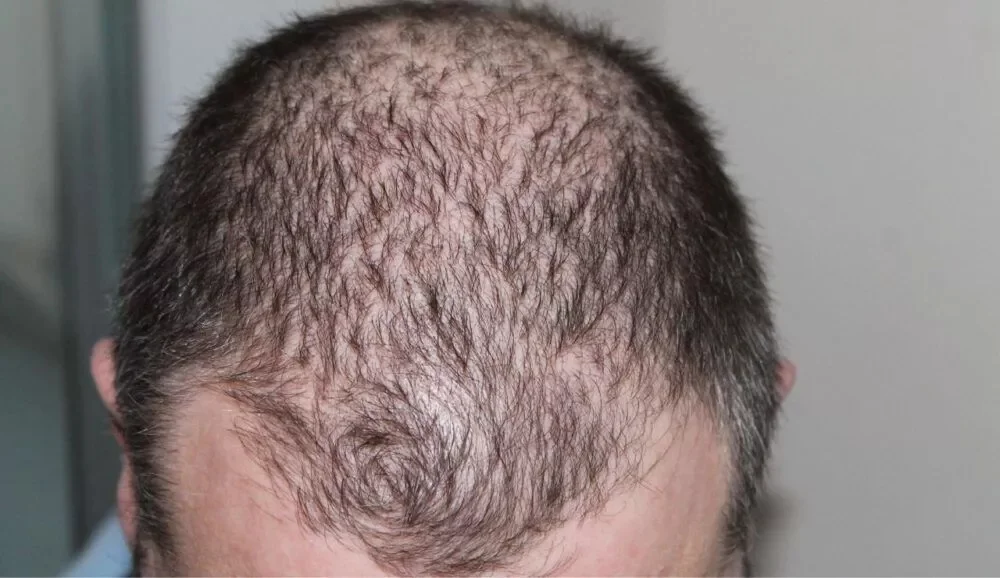
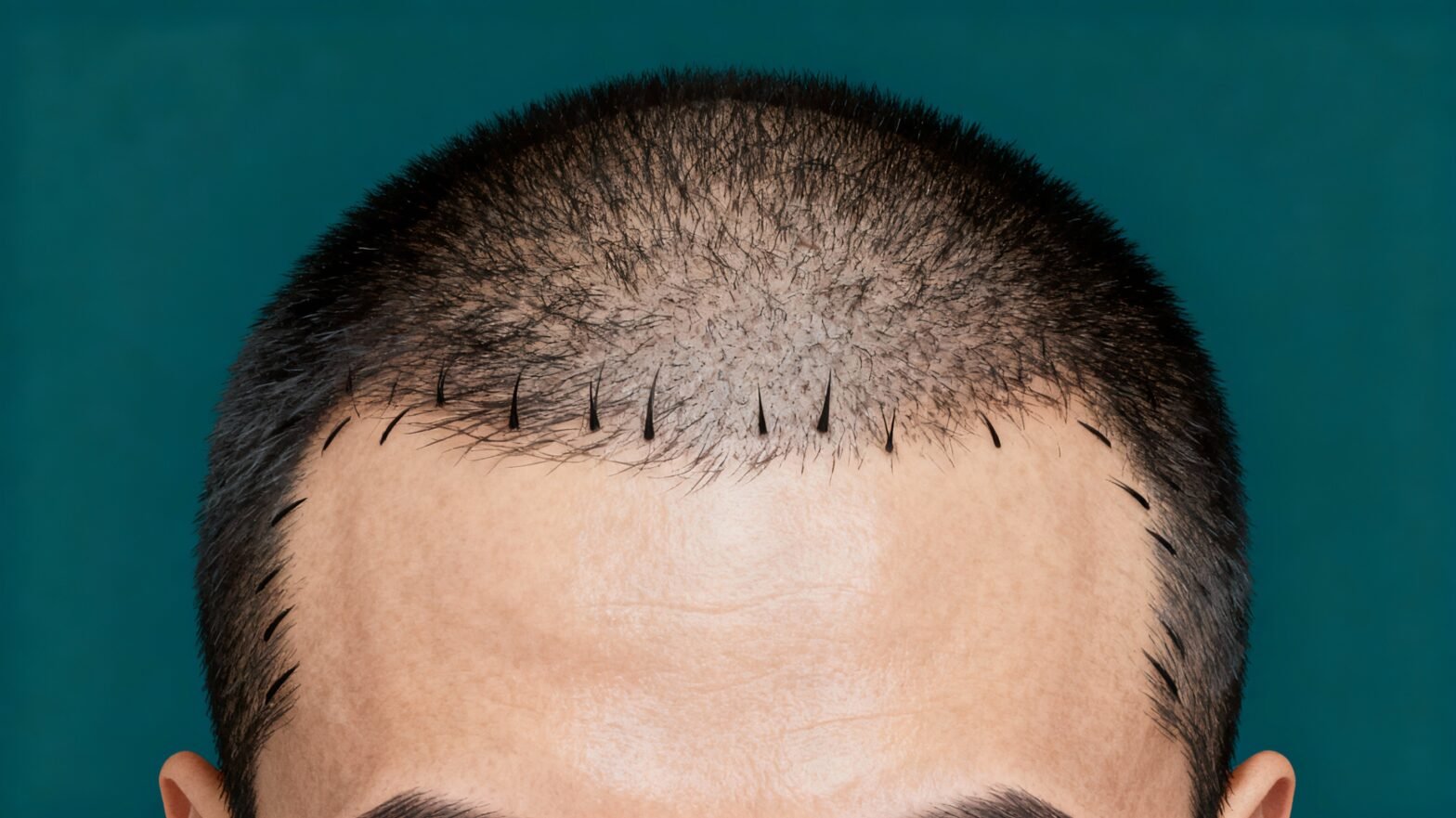
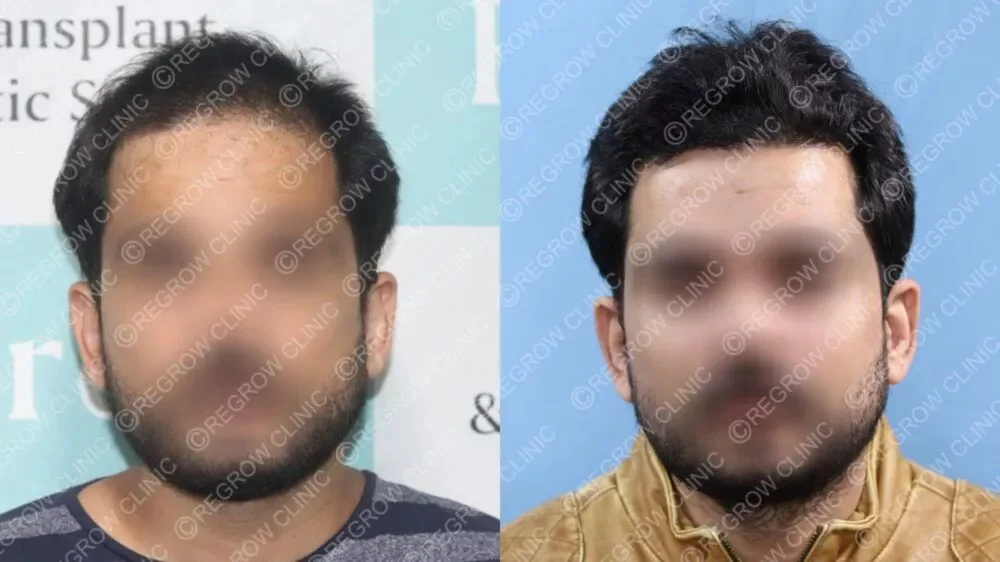
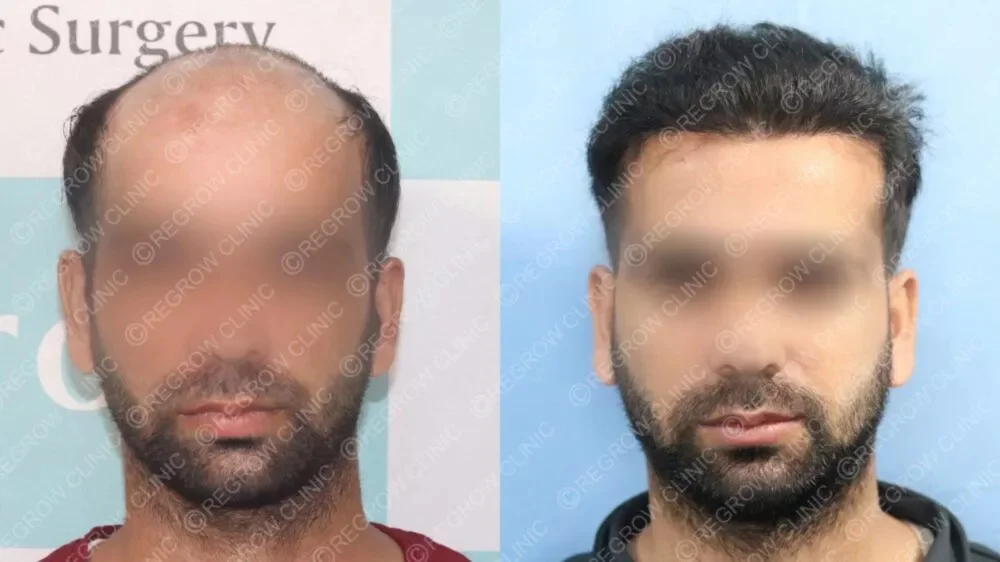
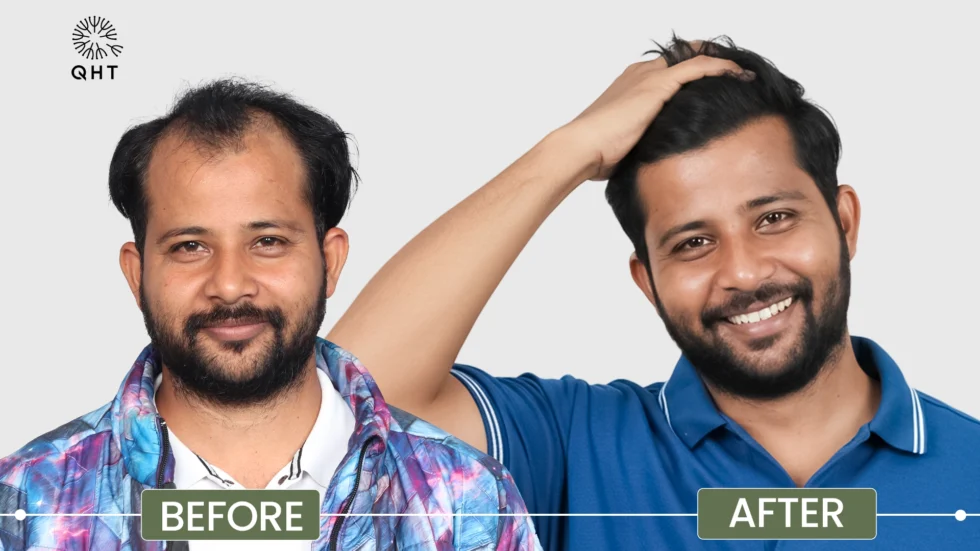
We are all aware of how hair loss can undermine our posture and self-assurance. The need for hair transplants is growing since having a thick, healthy mane on one’s head has long been seen as a sign of life and vigour. However, achieving the desired, natural-looking hair quality following a transplant is just as important as getting the process done. The hair transplant maintenance phase is the crucial stage where a hair transplant truly transforms promised restored tresses into a reality of regrown hair.
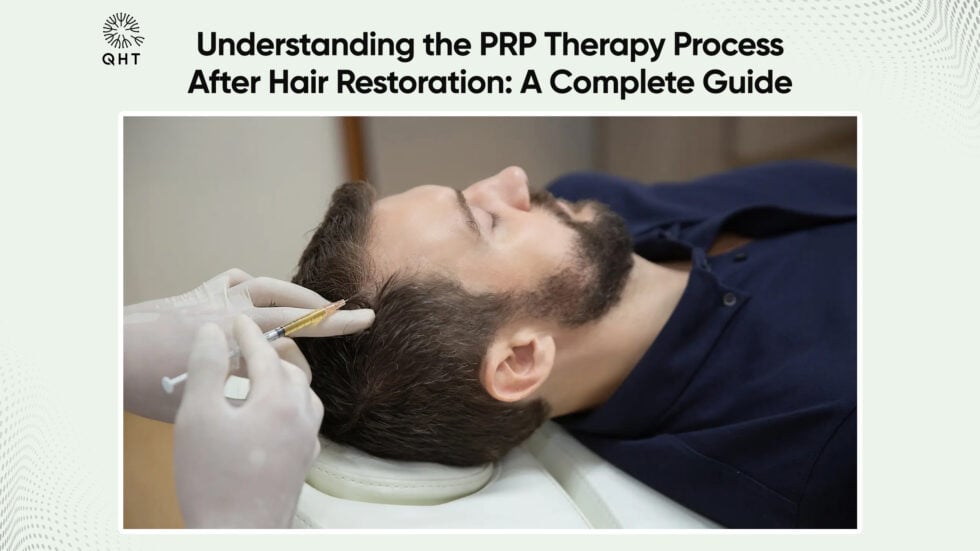
To maximise the survival of any transplanted grafts, the postoperative phase is essential for healing and includes prescription medications and a gentle scalp care regimen. A renowned clinic like QHT Clinic provides effective guidelines to successfully care for the transplanted hair with utmost care. With 15+ years of experience, the results of the hair transplant are aesthetically appealing, but post-operative growth depends upon the patient’s consistency post hair transplant.
This blog will help you understand why post-operative care is important and the guidelines to follow to achieve the maximum growth and the desired result.
After hair transplant surgery, the procedure can be divided into many stages, each of which requires close monitoring for optimal outcomes.
Understanding the post-hair transplant care

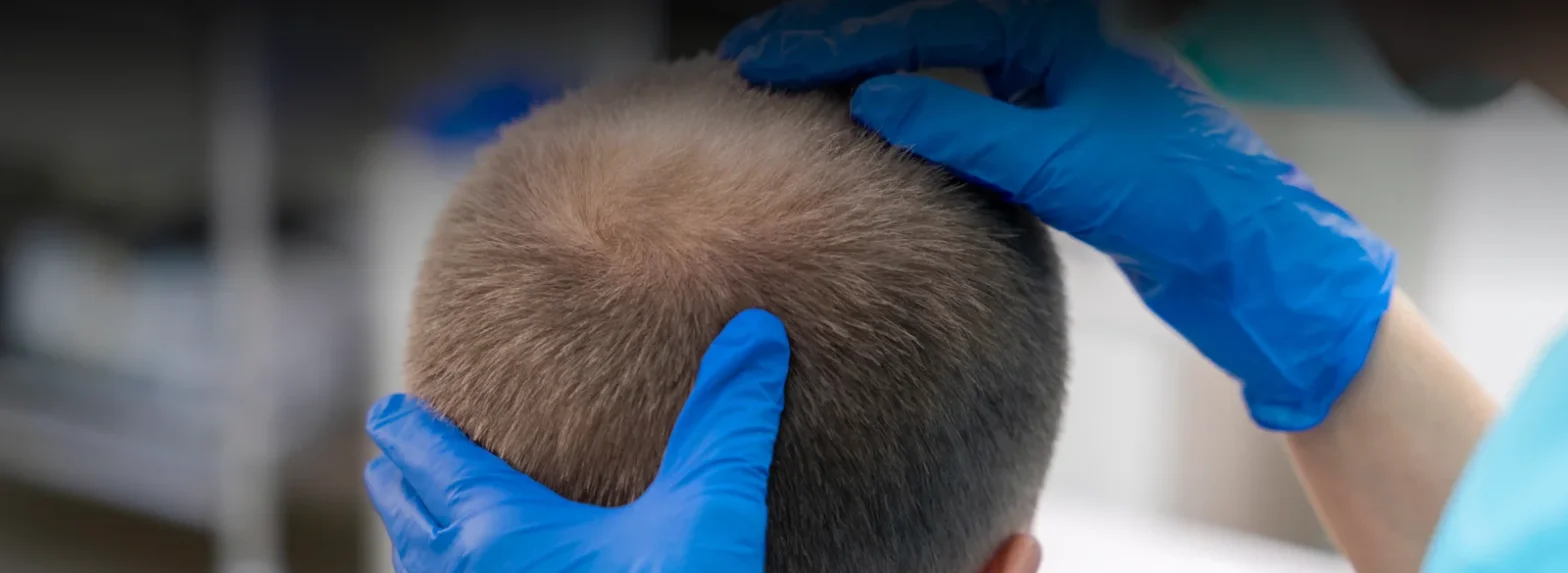
You will be in the acute recovery phase following surgery (typically within the first few days). At this point, it’s critical to pay close attention to your surgeon’s instructions. It’s crucial to handle these brand-new hair transplants gently, making sure the donor and recipient areas are clean and avoiding any movement that can disturb your grafts.
When the grafted hair follicles begin to establish themselves in their new surroundings, there is a lengthy recuperation period that can last many months.
The Value of Post-Operative Care in Hair Transplant Procedures
Following surgery, proper care is essential for a number of reasons:
Boost Graft Survival: The initial days following surgery are critical, as was already discussed. Antibiotics and anti-inflammatory drugs aid in the successful and healthy integration of the transplanted follicles into their new scalp regions.
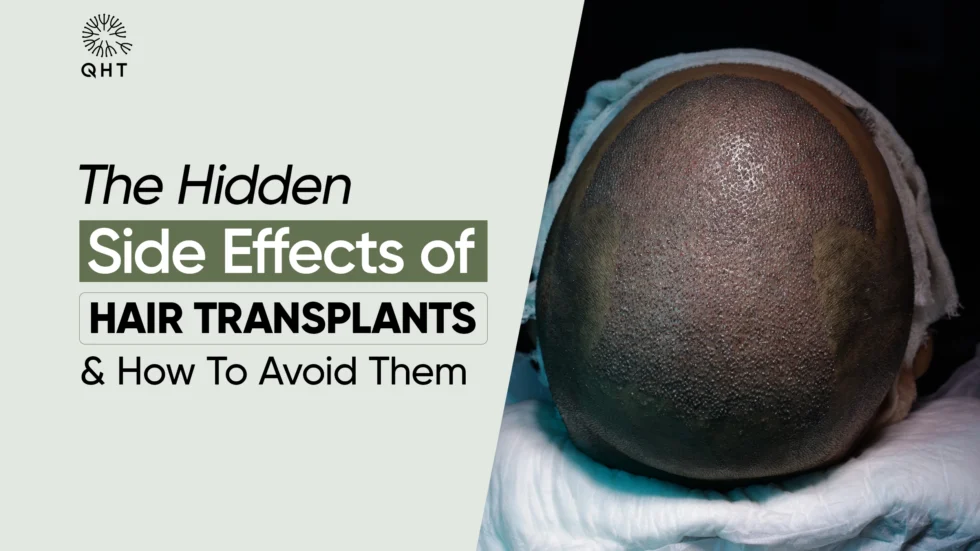
Ideal Healing Conditions: The surgery areas heal more quickly when scalp swelling, itching, and other irritations are avoided. Additionally, it helps avoid infection because folliculitis is an infection that can be brought on by itching or scratching your hair. Cause it will impact the grafts’ survival and future growth, proper care is crucial during this time.
Open Communication and Follow-Ups: Regular check-ups should be used by your surgeon to track your development. Your pharmaceutical regimen may be modified during your hair restoration journey to minimise adverse effects, suit individual healing rates, and meet extra demands (e.g., switching from pain relievers or increasing supplement amounts).
Early upkeep of hair transplants
Short-term Maintenance
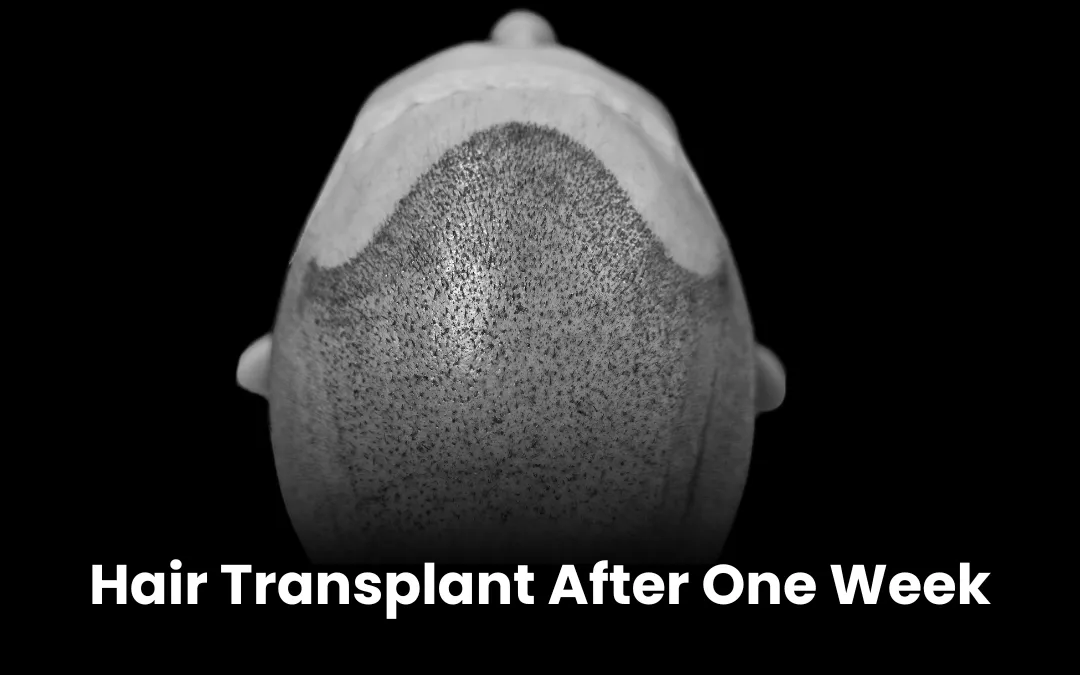
In order to ensure that your scalp heals properly and your grafts become firmly attached, you should take the following actions during the critical first seven to ten days following your hair transplant:
- Your surgeon is aware of your specific needs; therefore, pay close attention to their aftercare instructions.
- Maintain a clean scalp.
- To keep your hair transplants hydrated, mist them frequently with saline solution (don’t worry, too much moisture won’t harm them).
- Try not to touch the transplant site unless your clinic instructs you to. Don’t rub or scrape the transplant area; always touch it lightly.
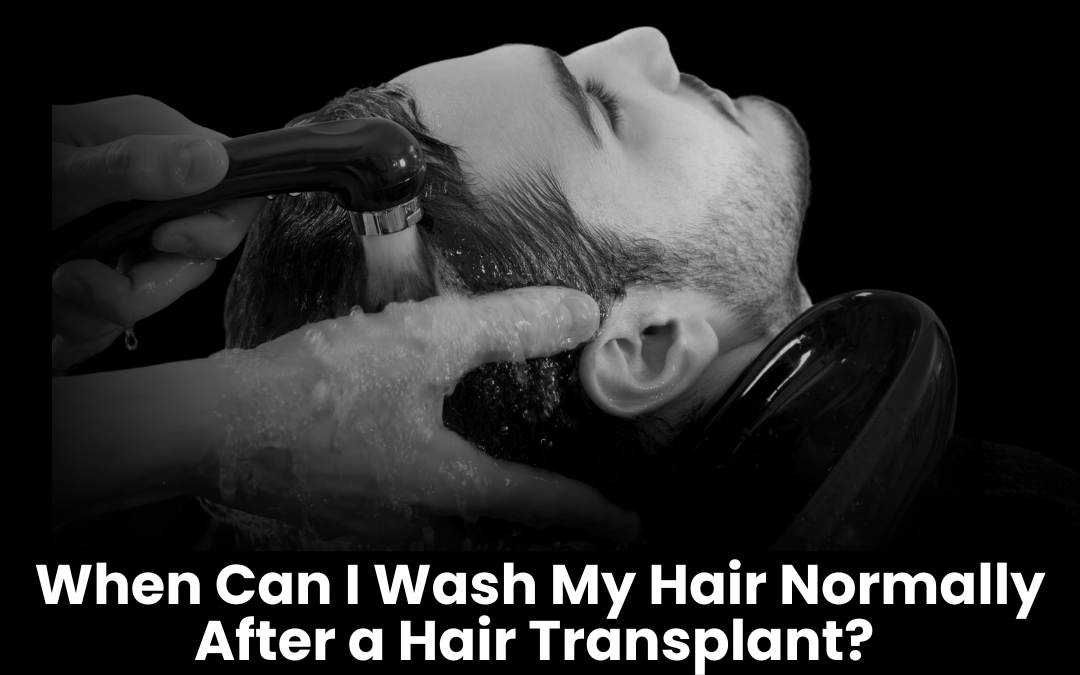
- When you start washing your hair again, you can do it every day, but instead of rinsing off with the shower head, use extremely gentle strokes and carefully pour water from a jug (the pressure can dislodge your grafts).
- Keep your head slightly raised (at a 45-degree angle) when you sleep. You can comfortably accomplish this without coming into contact with your donor area by using a travel pillow.
- You can take paracetamol if you’re in pain.
- Antihistamines can help relieve scalp itching if it bothers you.
- Avoid alcohol consumption and smoking.
- If your unpleasant symptoms don’t go away after two to three days of at-home care or get worse rather than better, call your surgeon.
Recognising the Post-Transplant Hair Growth Cycle
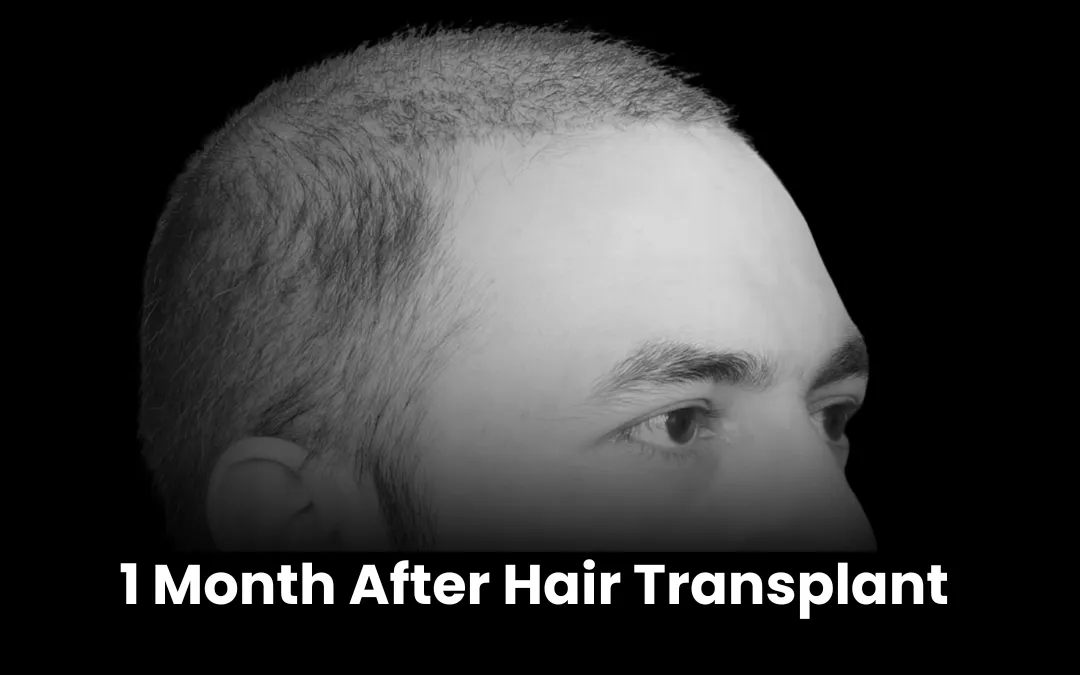
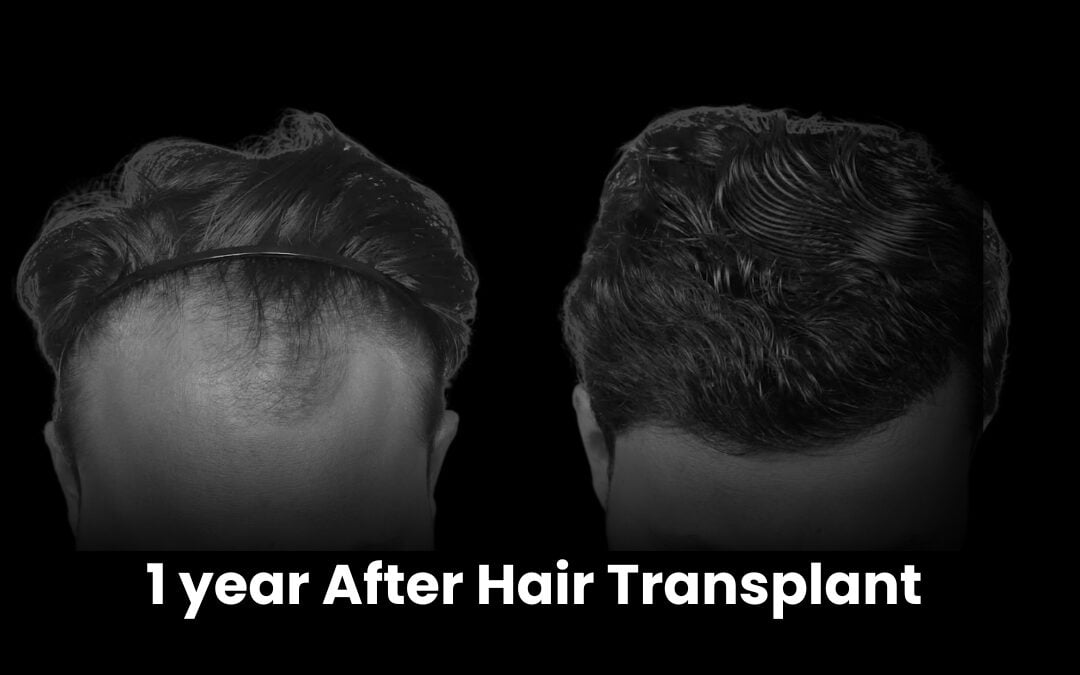
Transplanting healthy follicles into balding or thinning areas is the key to a successful hair transplant. However, to guarantee that these follicles develop properly, appropriate care is required. Hair growth may become apparent in three to six months, and the complete effect may take up to a year. Therefore, at this time, it is essential to maintain the scalp and follow a hair care regimen.
Long-Term Maintenance
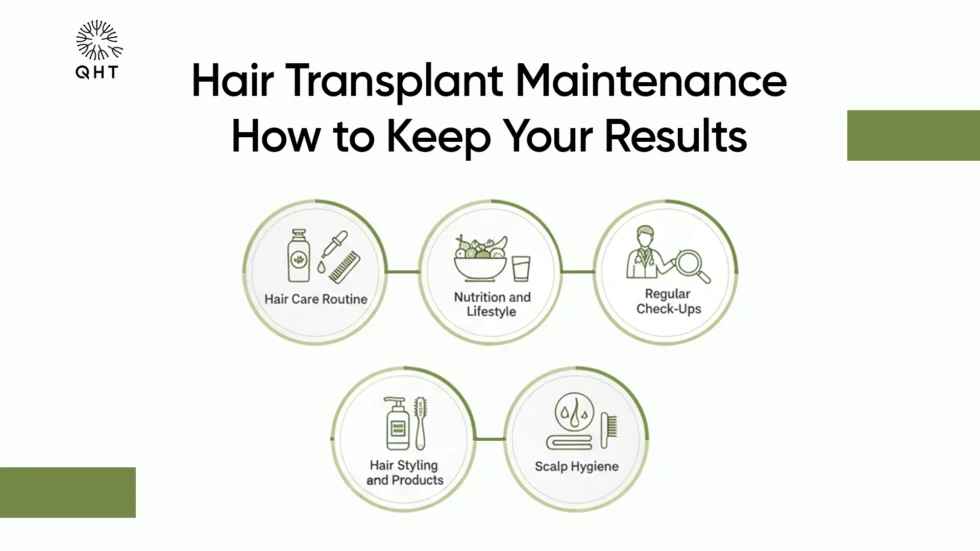
First Tip: Take Care of Your Scalp
It is unquestionably crucial to keep your scalp clean after a transplant. Maintaining a clean, clutter-free scalp is crucial for preventing illness and fostering an environment that is conducive to the growth of the implanted hair.
A healthy scalp lowers the risk of infection, which can significantly diminish the likelihood that your hair transplant will be effective. Additionally, it aids in exfoliating and clearing the skin of dirt and dead skin cells that could block hair follicles and impede hair development.
Start with a gentle, non-medicated shampoo that your transplant surgeon recommends.
Tip 2: Supplements and Medication
Vitamins, nutrition supplements, and medications are frequently essential for encouraging good hair growth following transplantation.
Finasteride and minoxidil are common medications used to both prevent further hair loss and promote the growth of new hair. Additionally, they will help maintain the health of your original hair, facilitating a more seamless transition to newly planted hair.
Supplements like biotin, vitamins (such as D and E), and minerals (like iron and zinc) are also beneficial. They supply the hair follicles with crucial chemicals that will support the maintenance of the best possible health for the hair. Your doctor may recommend supplements and drugs following FUT or FUE hair transplant surgery, which could significantly affect both the long-term health of your hair and the results of the procedure.
Tip 3: Nutrition and Diet
Consuming a nutritious and balanced diet guarantees that your hair gets the right quantity of essential vitamins, which helps encourage growth following hair transplantation. Your body receives the necessary nutrients from the proper diet, which can then support the growth of healthy hair follicles.
You should always incorporate foods that are high in protein in your diet, such as fish, eggs, lentils, and lean meat.
Tip 4: Hair Health and Hydration
A well-hydrated scalp is essential for healthy hair. Adequately hydrated hair is less susceptible to outside contaminants that might cause it to become dry, brittle, or dull, which could prevent you from getting the volume you want following surgery. To keep your scalp hydrated, make sure you consume eight glasses or more of water each day. As the body transfers nutrients to hair follicles, proper hydration aids in the natural stimulation and improvement of hair development. Additionally, it helps maintain the flexibility of hair shafts. Maintaining plump and vibrant new transplant hair can be facilitated by drinking adequate water.
Tip 5: Gentle Hair Maintenance
The only way to take care of your new hair is to stick to a mild hair care regimen. Hair tends to be brittle after transplant; avoid chemicals and harsh treatments that could hinder the development of your hair strands. Because sulphate removes the natural oils from hair, leaving it extremely dry, shampoos and conditioners without sulphate are preferable. Look for products that support hair growth and are appropriate for transplant hair care because they are typically gentle on the scalp and grafts.
Tip 6: Maintenance and Patience
This is crucial because you must understand that your hair transplant will take time to show effects. It may take some time to notice any difference in your hair’s development because hair growth is a natural process. At this point, just hold on.
Maintaining your transplanted hair consistently is also crucial. Continue to adhere to surgical advice, such as prescription drugs for wound care, gentle cleaning, and weather protection. Such consistent attention guarantees the intended result.
Tip 7: Regularly check in with the surgeon
To get the greatest outcomes for yourself, regularly monitor your post-operative appointments with your surgeon. When it comes to ensuring that your transplant heals properly and that any concerns or queries you may have are promptly addressed, these sessions are extremely important.
Your surgeon will assess the effectiveness of your hair transplant during these follow-up visits to guarantee appropriate healing and the development of new hair. They may need to make some adjustments to your treatment plan and provide you with post-transplant hair management guidance based on your individual regimen.
Seasonal Modifications to Care
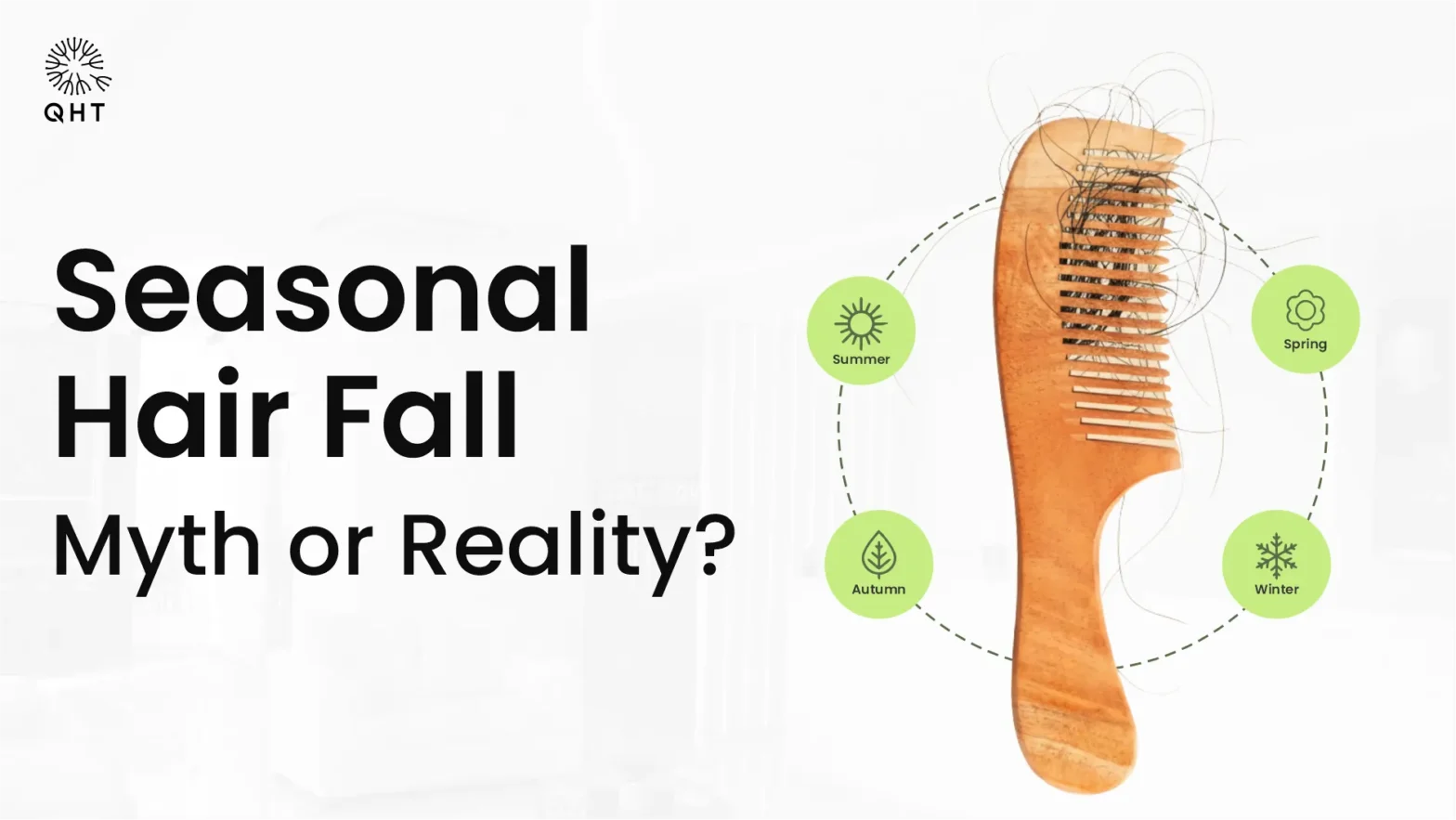
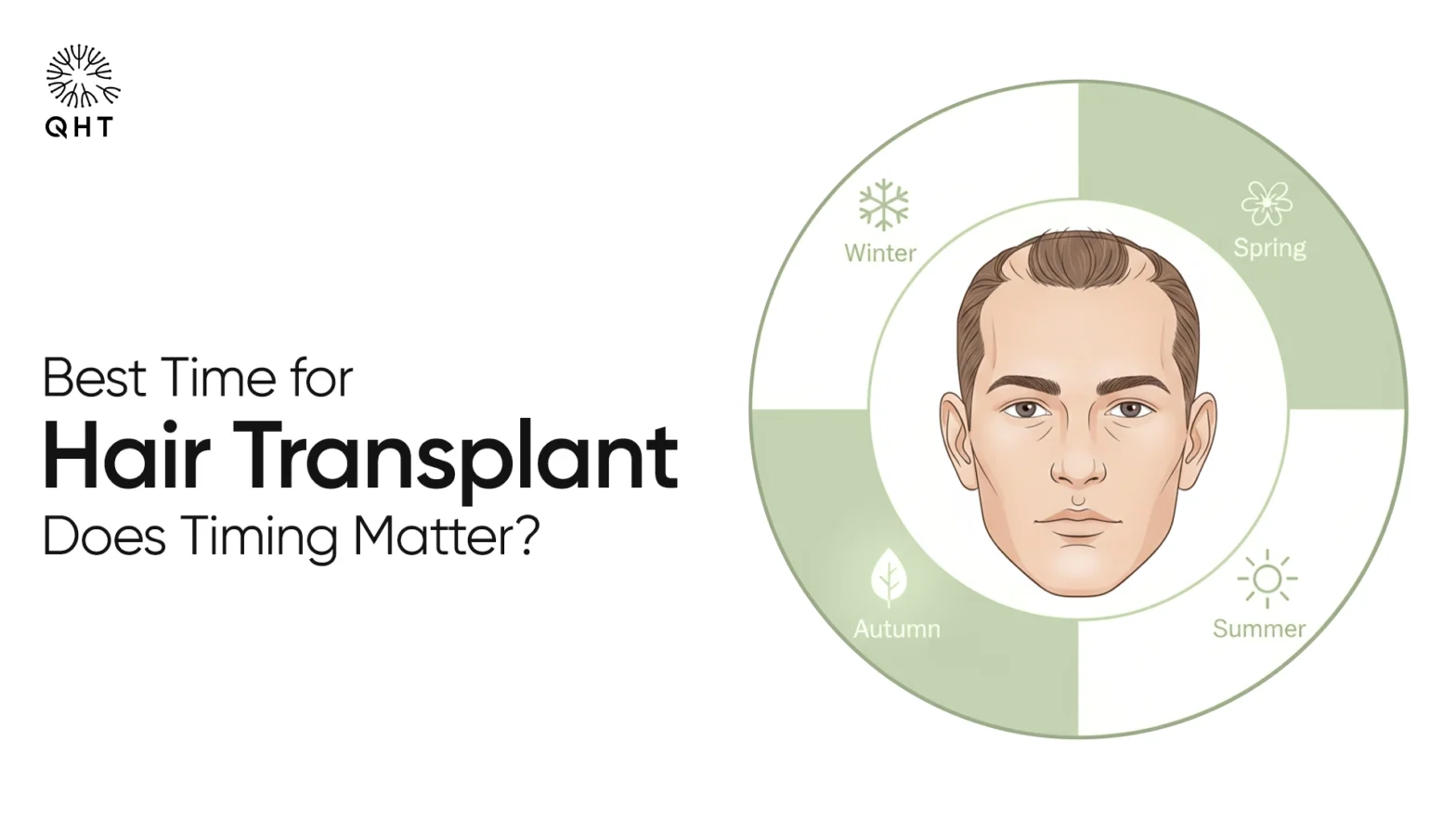
Summer
High temperatures, intense UV radiation, profuse perspiration, and an increase in outdoor activities (beach/swimming) are experienced.
Wear loose, wide-brimmed hats for strict sun protection; avoid swimming in chlorinated pools or seas for at least four to six weeks; stay in cool, air-conditioned places; and keep your scalp clean to prevent sweat-related infections.
Winter
Cold/dry air (indoors and out), risk for impaired blood circulation, tendency to use hot water/heat styling equipment.
To counteract dryness, apply moisturisers prescribed by a doctor; think about installing a humidifier indoors; wash with lukewarm water; and wear loose, soft, warm hats outside to protect your scalp from chilly winds while still allowing it to breathe.
Spring
Itching and irritation can be brought on by pollen and allergens, as well as erratic weather (rain, wind). Take prescription medication for allergies to prevent scratching; wear a loose cap or an umbrella to shield yourself from wind and rain; take advantage of the pleasant weather for low-impact activities like strolling, but stay out of the direct sun.
Autumn
The weather is usually consistent and pleasant, which is great for recuperation. Maintain basic post-operative care; use moisturising products if necessary to keep the scalp hydrated as the air may begin to dry up; and wear a breathable hat for protection from wind and light rain.
Risks of Inadequate Aftercare
The following complications arise when aftercare is neglected:
An infection
Scarring or irreparable hair loss can result from post-transplant infections, which are frequently caused by inadequate cleanliness. By using sterile procedures, recommended antibiotics, and round-the-clock assistance, QHT Clinic reduces this risk. Their proficiency in treating hair loss guarantees that grafts are safeguarded, establishing QHT Clinic as a reliable hair clinic for long-term, safe hair restoration results.
Follicular Shock
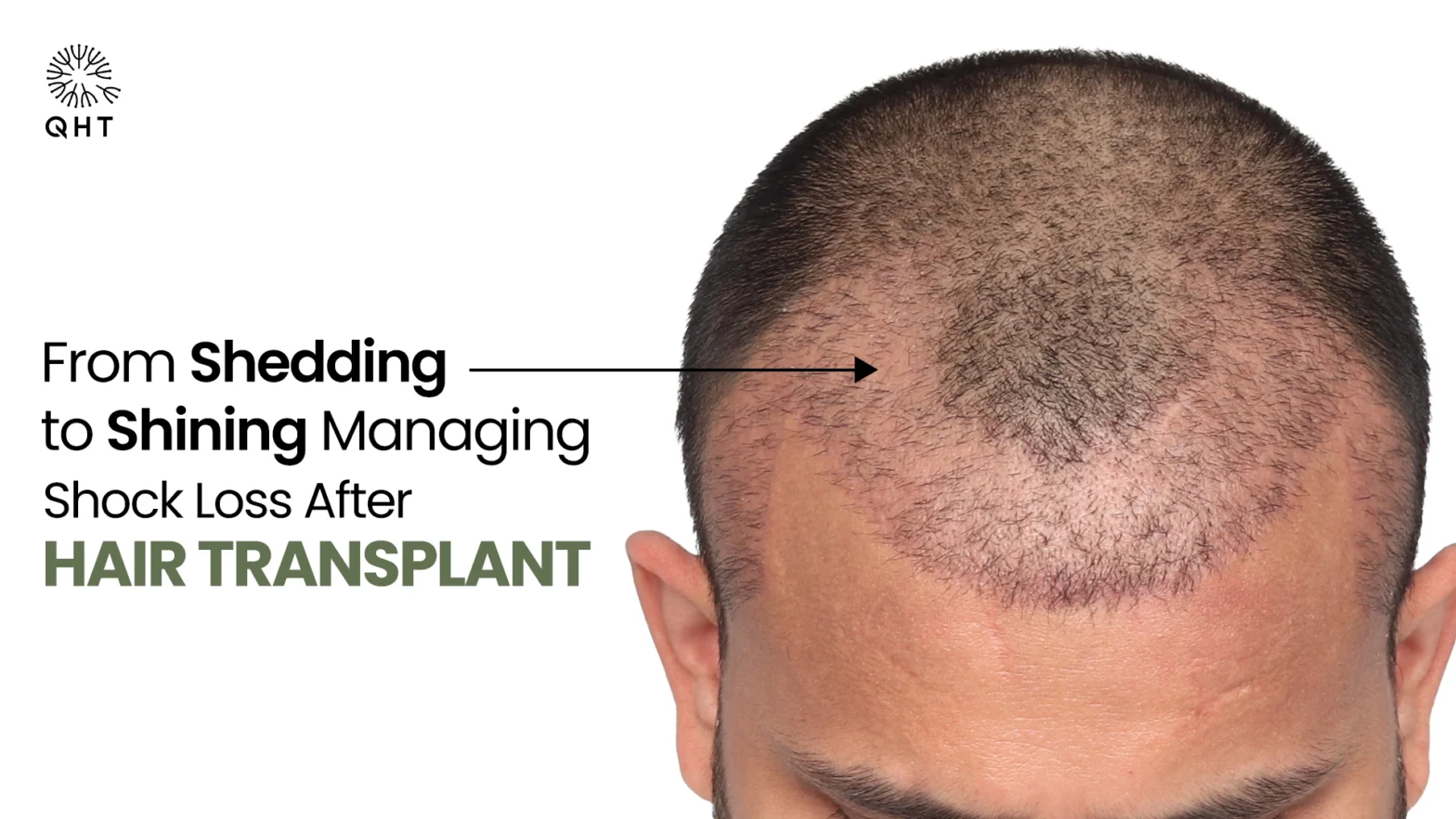
Trauma-induced follicular shock delays the creation of new hair by causing premature shedding. QHT Clinic’s gentle approach reduces the stress associated with graft handling, and customised aftercare addresses issues including cortisol-induced hair loss. This proactive strategy, exclusive to QHT Clinic, guarantees a stable recovery and establishes their hair transplant operations as a dependable natural hair loss remedy.
Inconsistent Growth
Graft injury or inadequate aftercare are common causes of uneven development. The team at QHT Clinic employ microprecision instruments to guarantee the best possible graft density and longevity. Their techniques minimise patchiness when combined with customised hair regrowth treatment programs, demonstrating why QHT Clinic is India’s top hair clinic for flawless, full-bodied hair transplant results.
Selecting a trustworthy hair clinic like QHT Clinic reduces these dangers. Patients can secure the promise of their hair transplant investment by avoiding common pitfalls thanks to our team’s expertise and round-the-clock support.
Why trust QHT Clinic for all your hair restorative procedures?
A hair transplant is a life-changing choice, and both the patient’s dedication to aftercare and the surgeon’s ability are critical to its success. QHT Clinic offers a complete hair loss solution for disorders ranging from cortisol hair loss to hair thinning by combining state-of-the-art methods with carefully designed recovery procedures. You may protect your investment and expedite the process of getting a fuller, healthier mane by giving post-operative care first priority.
Book a Consultation Today
Latest Videos
-

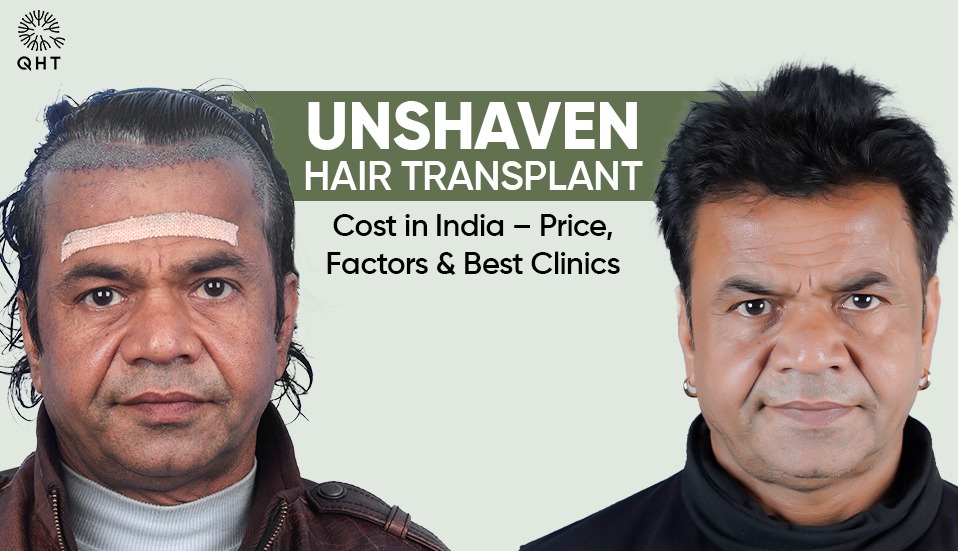
Rajpal Yadav | Bollywood Actor Hair Transplant Journey at QHT Regrow Clinic Haridwar
Click to Watch
-

FUE Hair Transplant Results | DAYA's FUE Hair Transplant Results
Click to Watch
-

Best Hair Transplant Result 2021 || NW Grade VI A || 3,422 Grafts
Click to Watch
-

Best Hair Transplant Result 2022 | Grade 4
Click to Watch
-

YouTuber Mehtab Saifi Hair Transplant
Click to Watch
-

ACP Pradyuman Hair Transplant - Actor's Hair Transplant
Click to Watch