



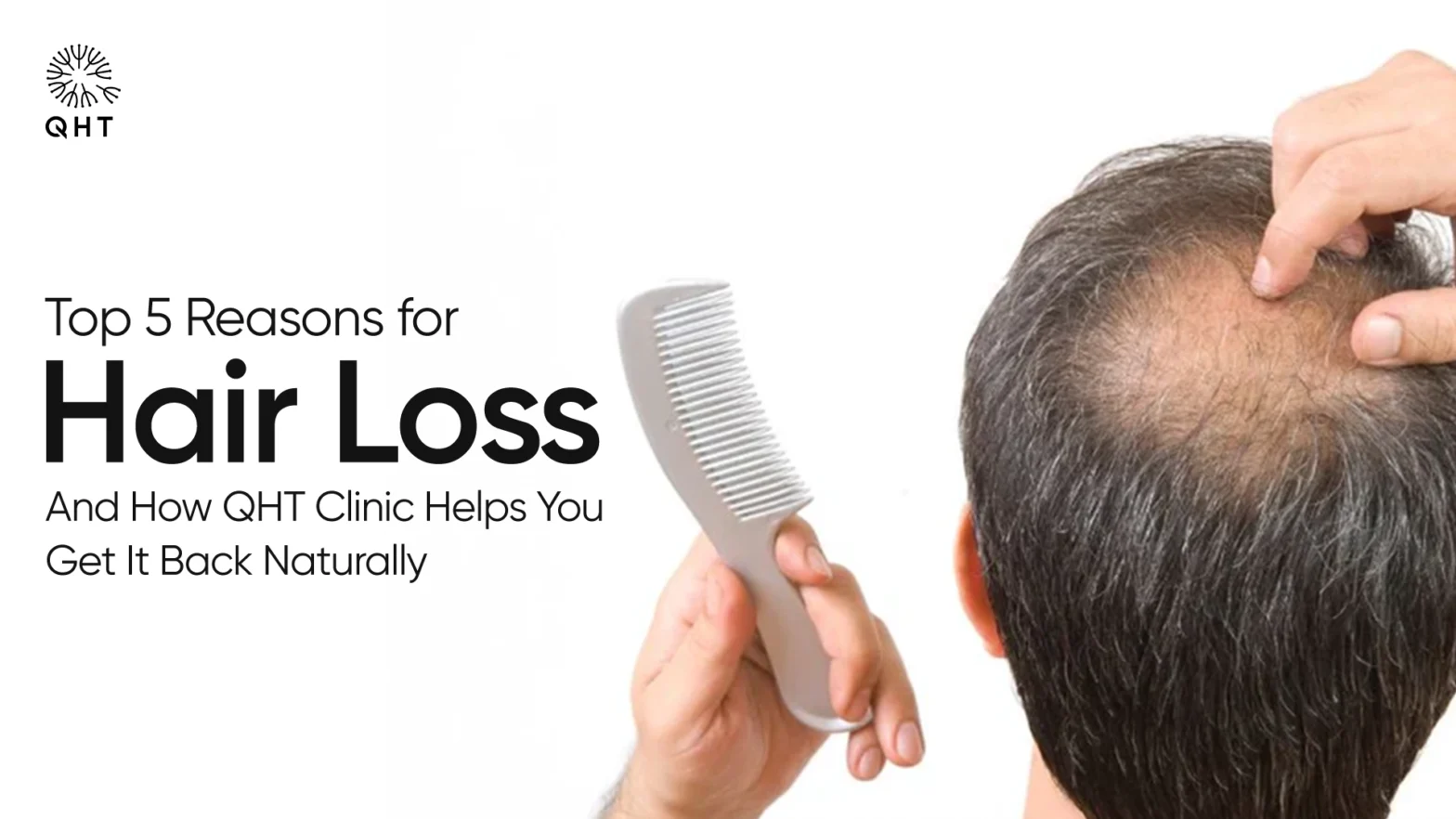
Top 5 Reasons for Hair Loss — And How QHT Clinic Helps You Get It Back Naturally
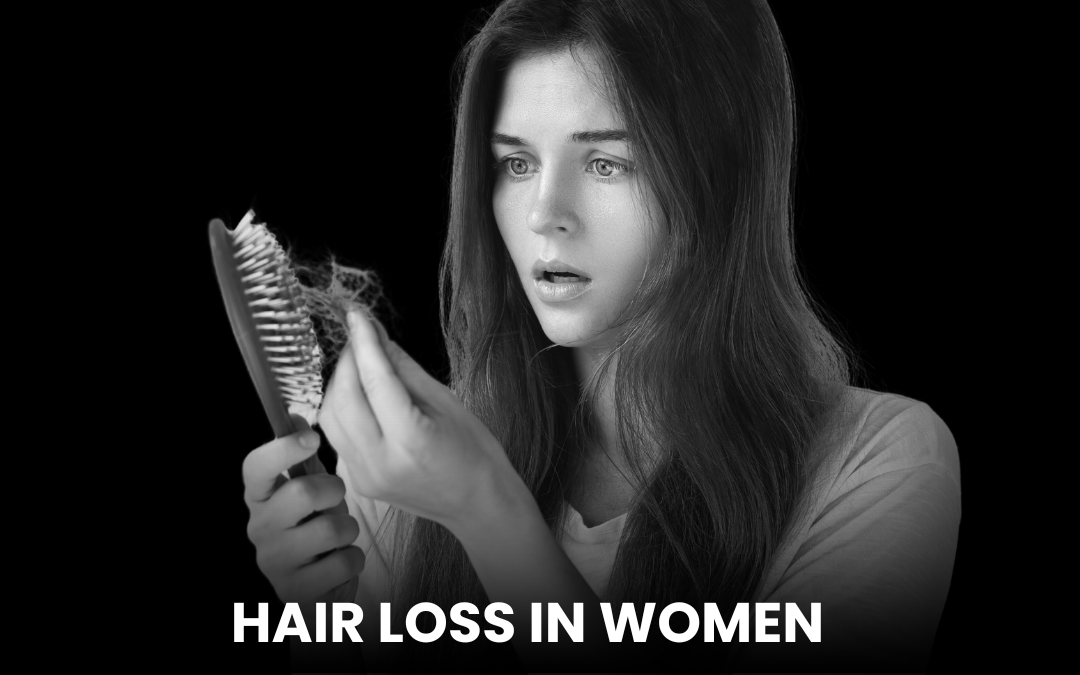
As part of your hair’s normal growth cycle, it is normal to lose a little hair every day. For most people, maintaining a full head of hair and allowing lost hair to regrow is the norm. However, the growth cycle of your hair can be disrupted by disease, hormonal fluctuations, stress, ageing, and genetic disorders. More hair falls out, but it’s not always the case that new hair grows back in its place.
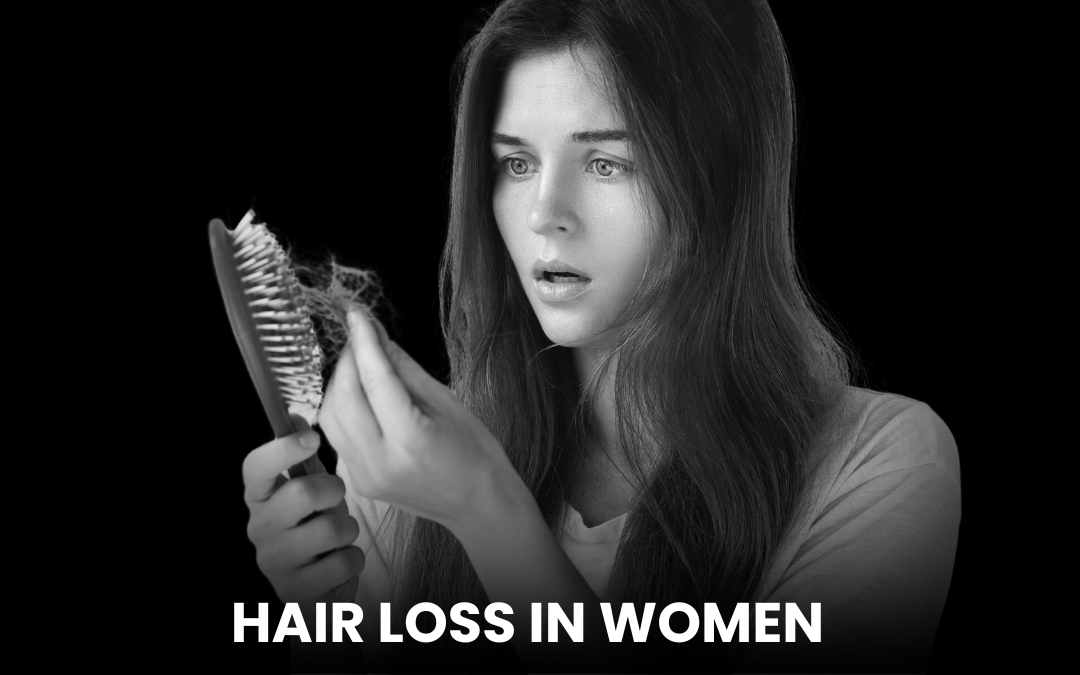
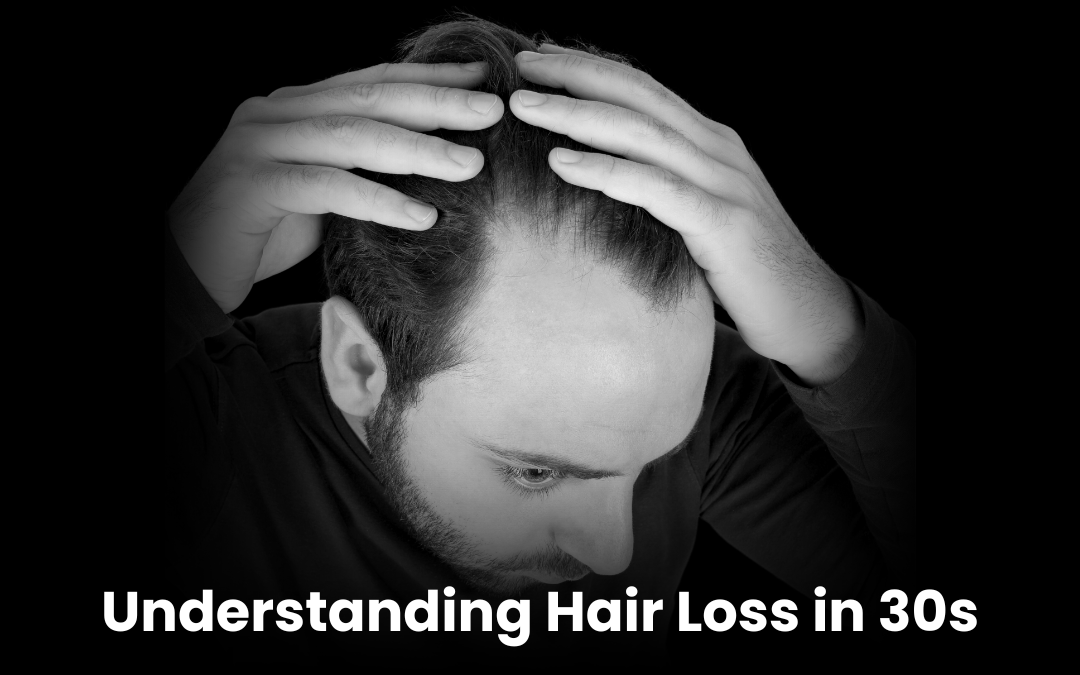
Loss of hair can be disastrous. You’re not alone if you believe your hair may be thinning. One of the most frequent problems dermatologists encounter is hair loss. Women of all ages can have hair loss, despite the common misconception that it mainly affects men.
Regardless of the reason, ‘Alopecia’ is the medical term for hair loss. Alopecia has a variety of causes, some of which are inherited (they typically run in families). The good news is that many cases can be treated.
However, determining the cause of your hair loss is the first step. Simply by examining your scalp and asking you some questions, a medical professional can make a diagnosis. In other cases, they might have to do a small skin biopsy, which involves taking a tiny sample of skin to examine under a microscope. Early diagnosis and treatment are crucial since alopecia may be curable or reversible depending on the underlying reason.
We, at QHT Clinic India, can help you understand the exact trigger behind your hair loss and how various treatments can aid in combating the issue. With 15+ years of experience, our team provides suitable advice required by the patients and caters to all their issues patiently.
Symptoms of Hair Loss
Depending on the cause, hair loss can occur in different ways. It may affect your entire body or just your scalp, and it may appear suddenly or gradually.
Hair loss symptoms and indicators might include:
Thinning on top of the head gradually.
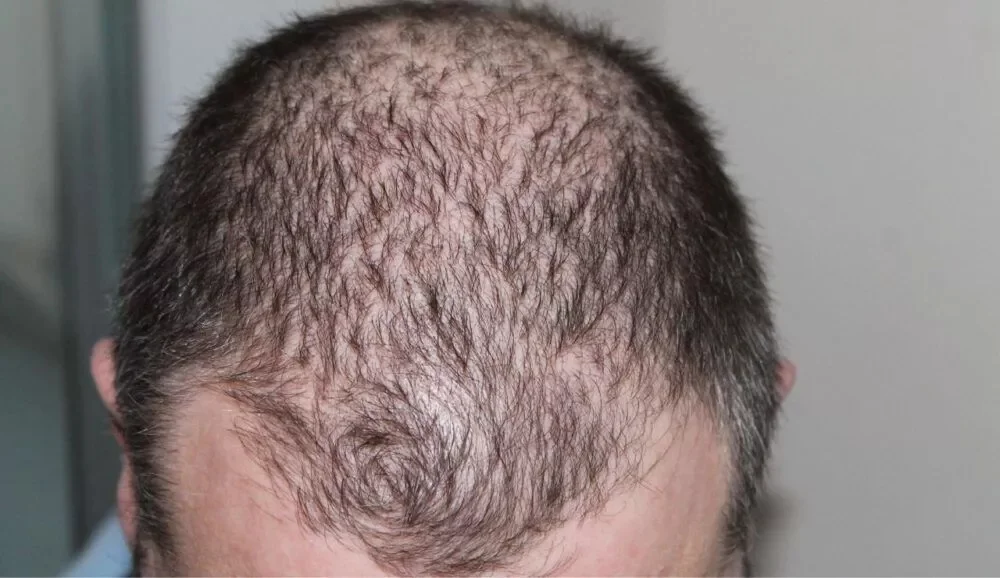
As people age, this is the most prevalent form of hair loss. In men, hair frequently starts to recede near the forehead’s hairline. The part in the hair is usually broader in women. A receding hairline (Facial Fibrosing Alopecia) is an increasingly prevalent pattern of hair loss in older women.
Bald patches or circles.
Some people develop patchy or circular bald patches on their eyebrows, beard, or scalp. Before the hair falls out, your skin may start to itch or hurt.
Hair suddenly becomes loose.
Hair loosening may result from an emotional or physical trauma. When you comb, wash, or even gently tug your hair, handfuls of hair may come out. Although it is transient, this kind of hair loss typically results in general hair thinning.
Loss of hair throughout the body.
You may lose hair all over your body as a result of some illnesses and medical procedures, such as chemotherapy for cancer. Usually, the hair grows back.
Scaling patches that cover the scalp.
Ringworm infection is the main cause. Broken hair, redness, swelling, and occasionally leaking may accompany.
Reasons linked to hair loss
Every day, people usually shed 50 to 100 hairs. Since new hair is growing in at the same time, this is typically undetectable when the hair that has fallen out is not replaced by new hair; hair loss results.
Usually, one or more of the following reasons are linked to hair loss:
Ancestry (heredity).
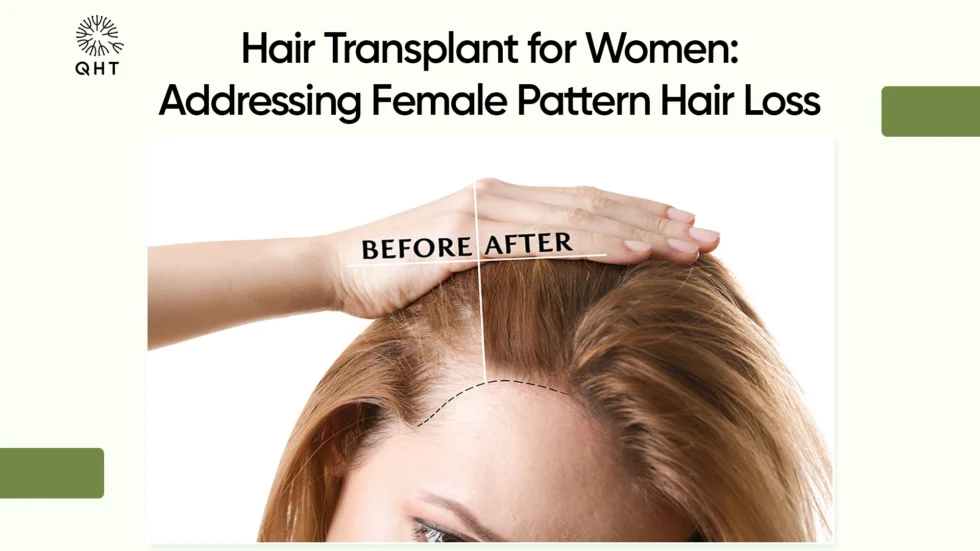
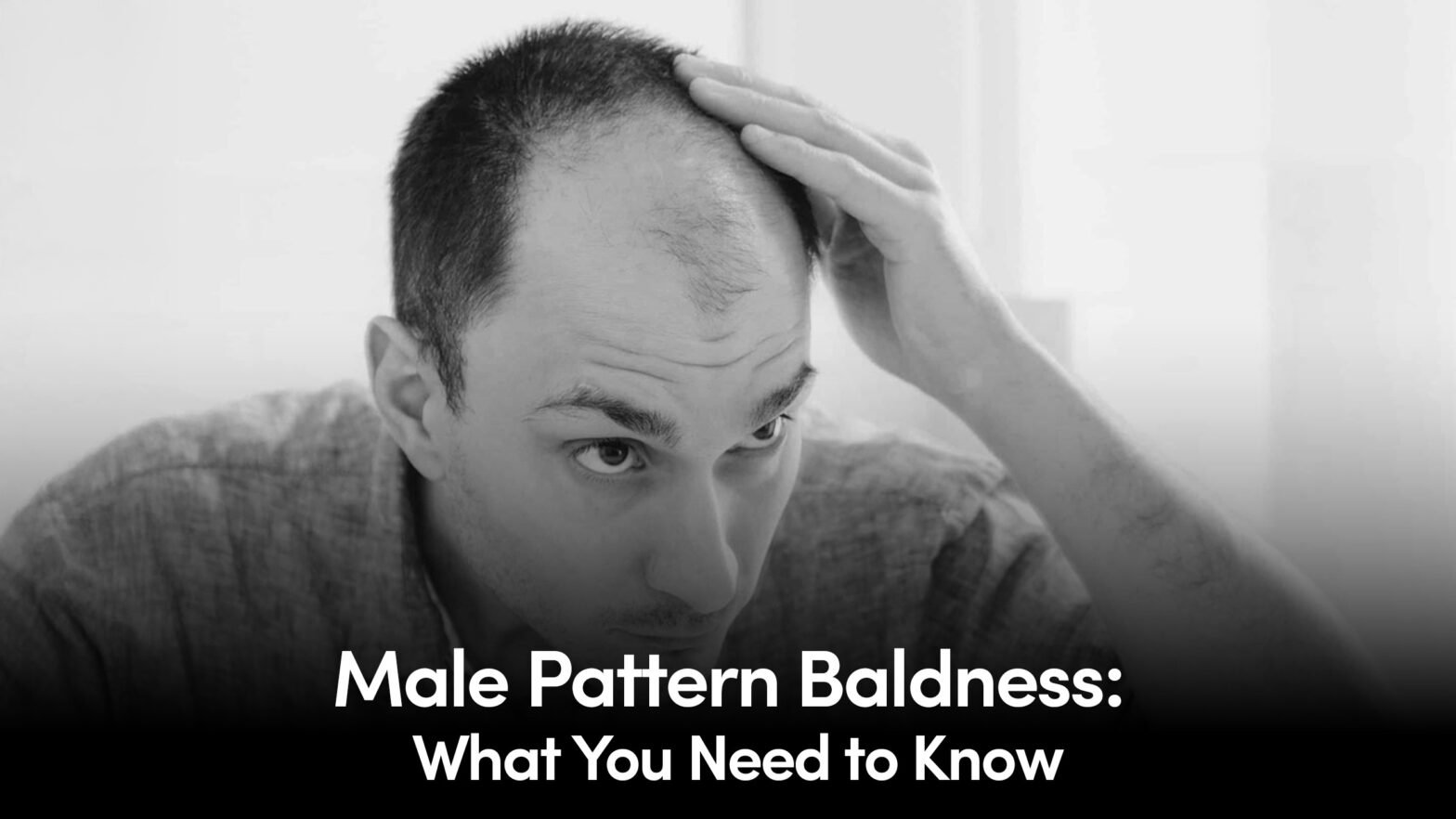
Ageing-related genetic conditions are the most common cause of hair loss. Male-pattern baldness, female-pattern baldness, and Androgenic Alopecia are the terms used to describe this disorder. It typically happens gradually and in predictable patterns, such as thinning hair at the top of the head in women and a receding hairline and bald spots in men.
Hormonal shifts and illnesses.
Hormonal changes brought on by pregnancy, childbirth, menopause, and thyroid issues are just a few of the factors that can result in either temporary or permanent hair loss. Medical disorders include ringworm and other scalp infections, trichotillomania, a hair-pulling disorder, and Alopecia Areata, an immune system-related ailment that results in uneven hair loss.
Medications.
Certain medications, including those for cancer, arthritis, depression, heart issues, gout, and high blood pressure, can cause hair loss as a side effect.
Radiation treatment for the head.
It’s possible that the hair won’t regrow in the same way.
A really distressing incident.
Several months following a physical or mental stress, many people notice a general thinning of their hair. This kind of hair loss is transient.
Treatments and hairstyles.
Traction alopecia is a kind of hair loss that can be brought on by excessive hairstyling or hairstyles that pull your hair tight, like cornrows or bunches. Hair loss can also be brought on by permanents and hot oil hair treatments. Hair loss may be irreversible if scarring develops.
Causes for hair loss
Among the potential causes for hair loss, the top five reasons ofrhair loss are:
- Androgenetic Alopecia

Male or female pattern baldness is known medically as androgenetic alopecia. This disorder is also known as hereditary alopecia. It frequently results in hair loss.
Androgenetic Alopecia is inherited. Hair loss from the crown of the head and temples is common in males with this illness. The hair typically becomes thinner throughout the head in females with androgenetic alopecia.
Although it can begin at any time after puberty, the disorder is more likely to manifest as a person ages. Androgenetic alopecia frequently develops in females following menopause. This could be related to hormones.
A hair growth medication called Minoxidil (Rogaine, Loniten) can be used to treat androgenetic alopecia. With this medication, noticeable improvements in hair growth usually take 6 to 12 months.
Additional possible therapies consist of:
- A drug called Finasteride (Propecia) is used to treat Male Pattern Baldness.
2 . One drug that may lessen Female Pattern Baldness is Spironolactone (Aldactone).
- Laser therapy, which stimulates hair growth by applying a low-level laser to the scalp
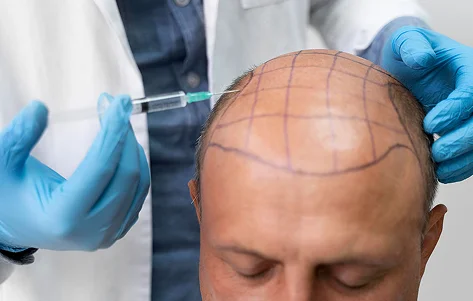
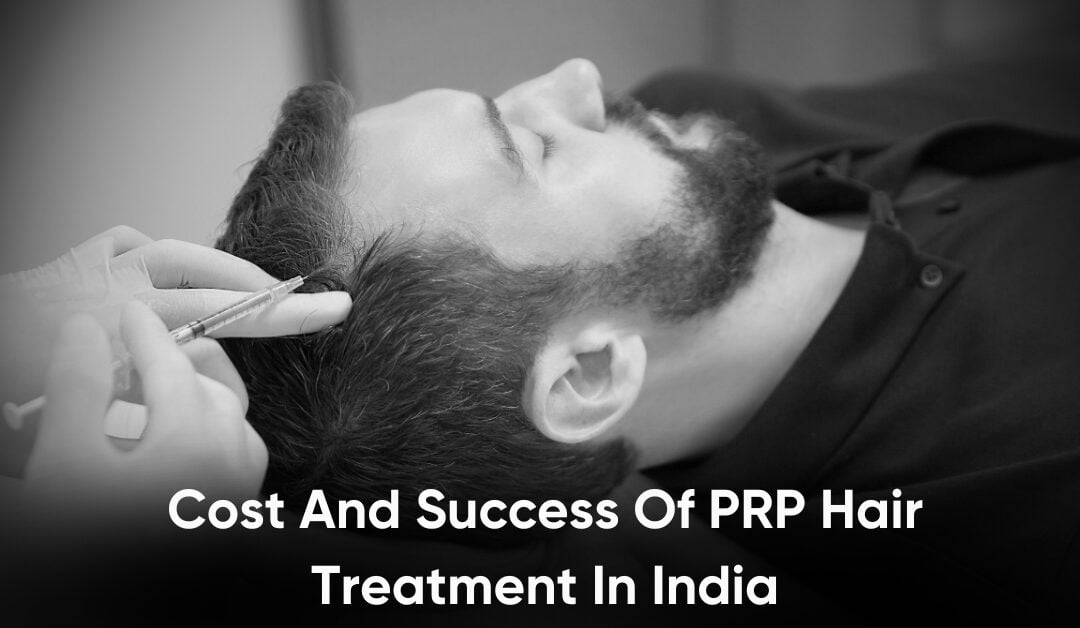
4 . Platelet-rich plasma, when a physician injects blood plasma into a patient’s scalp.
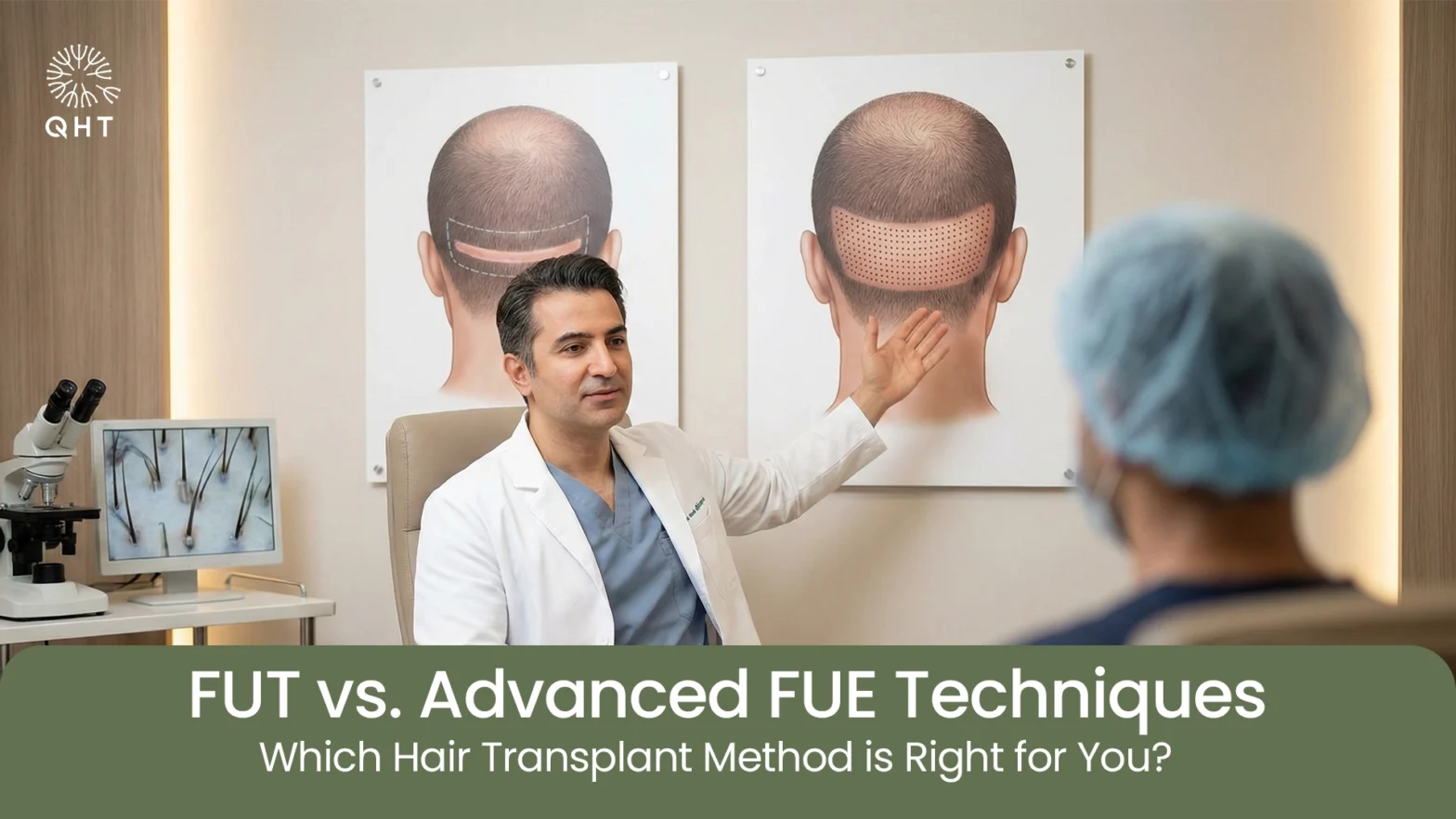
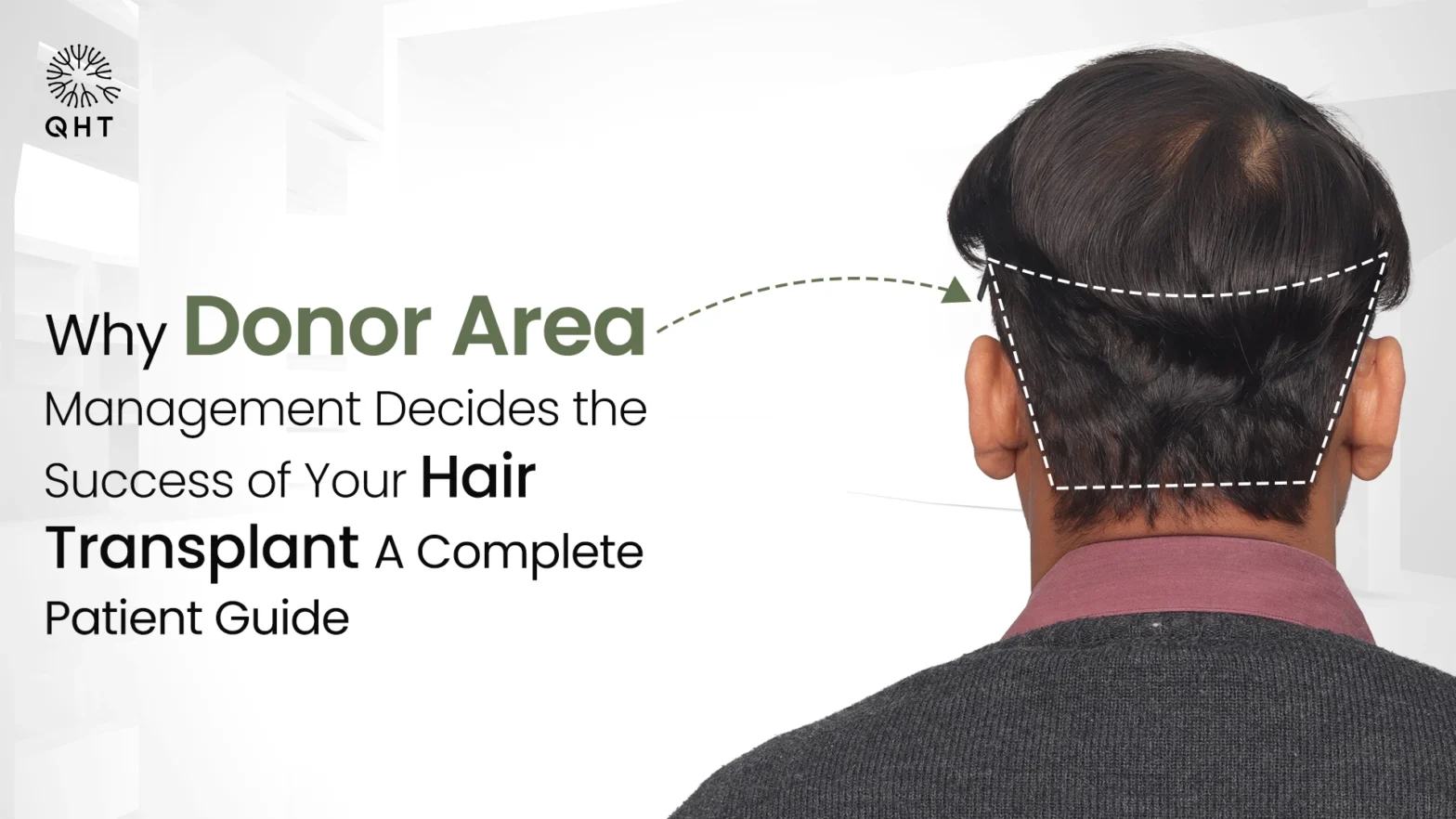
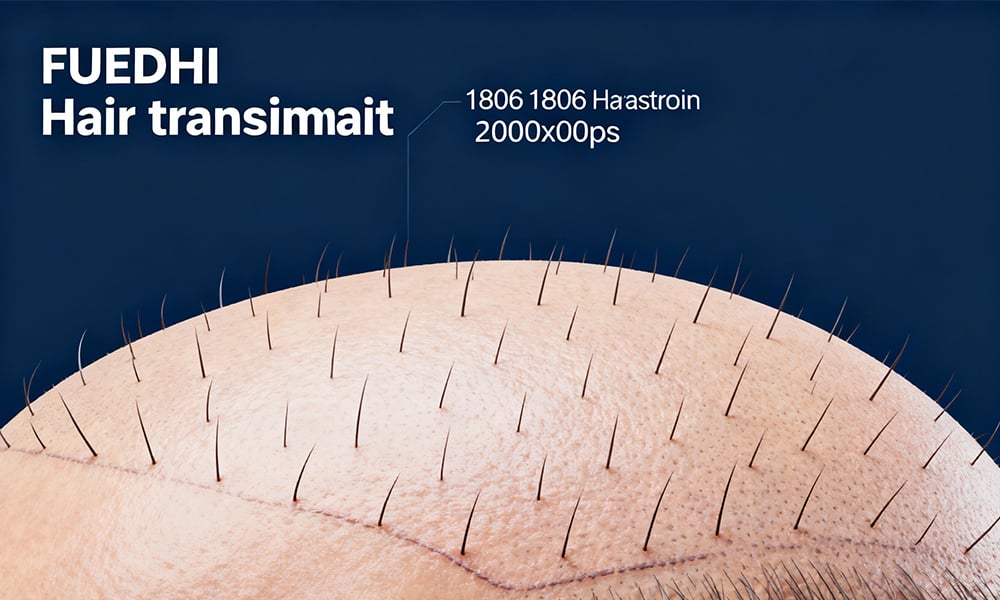
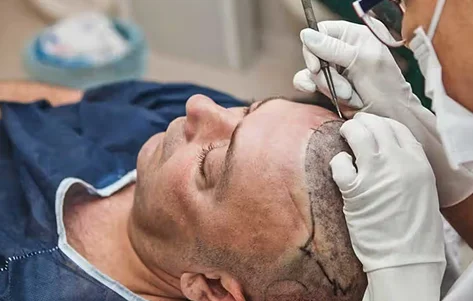
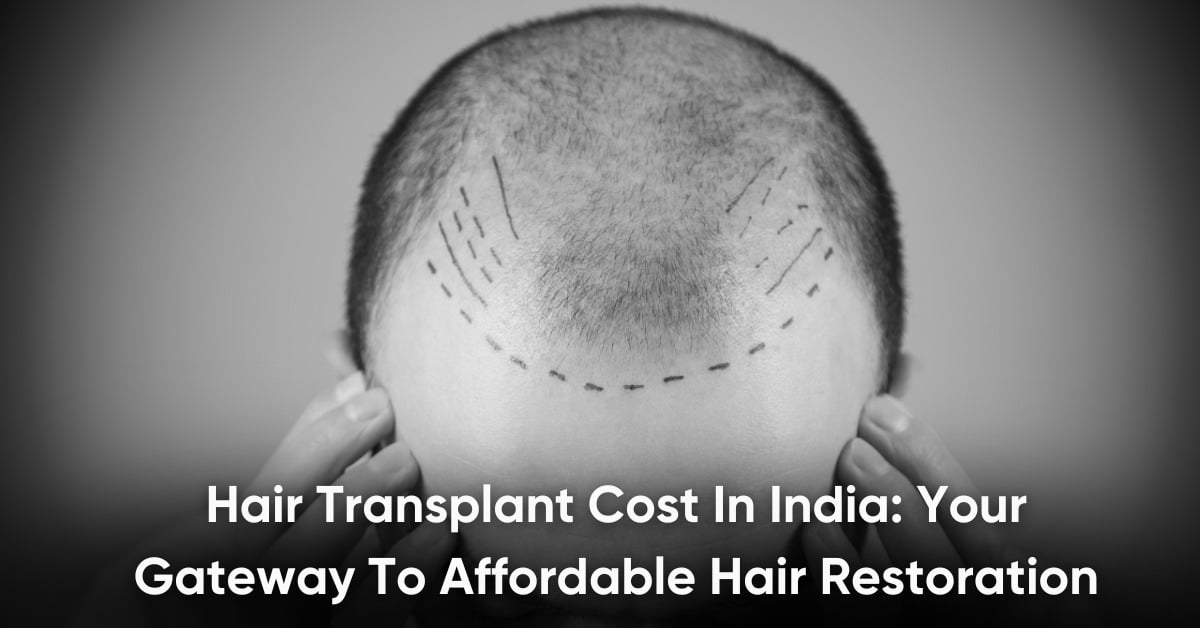
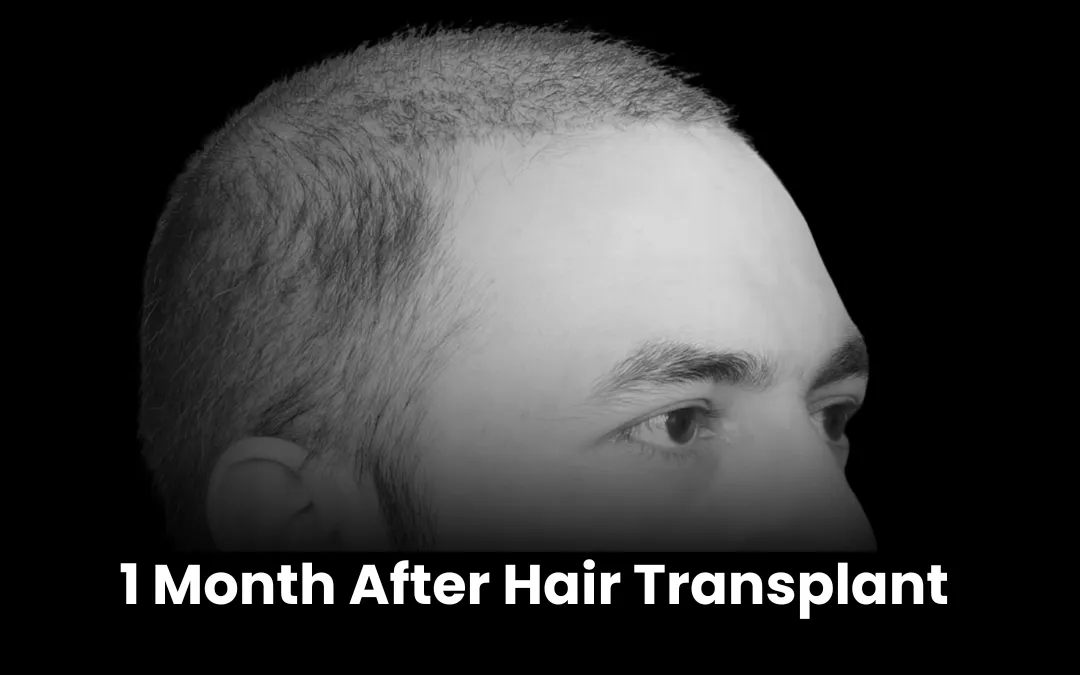
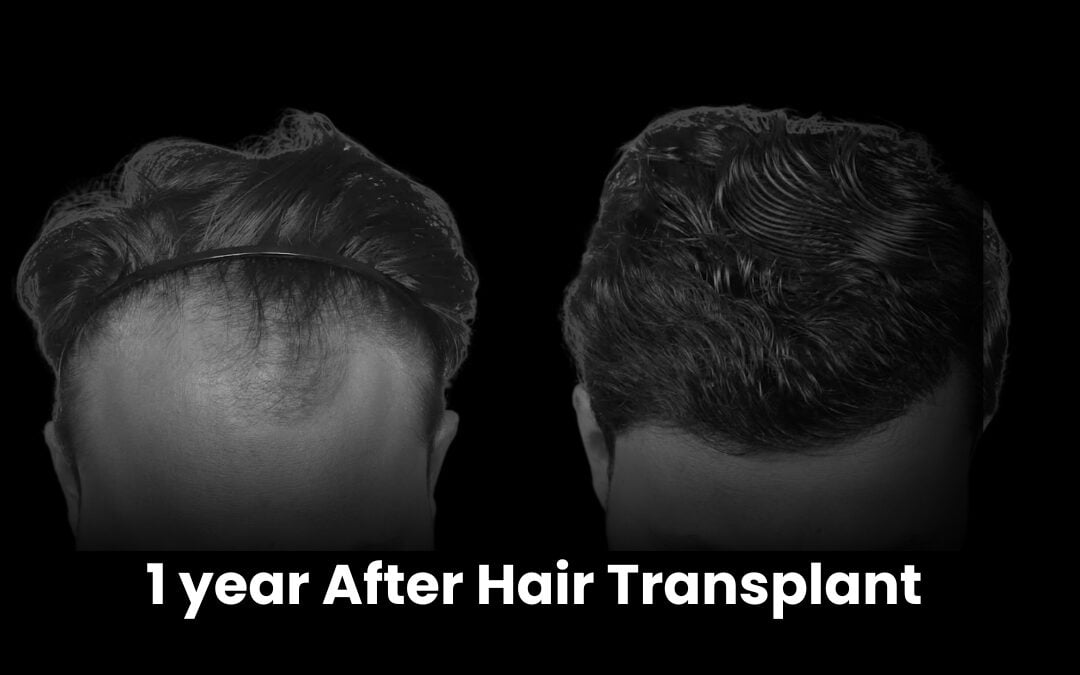
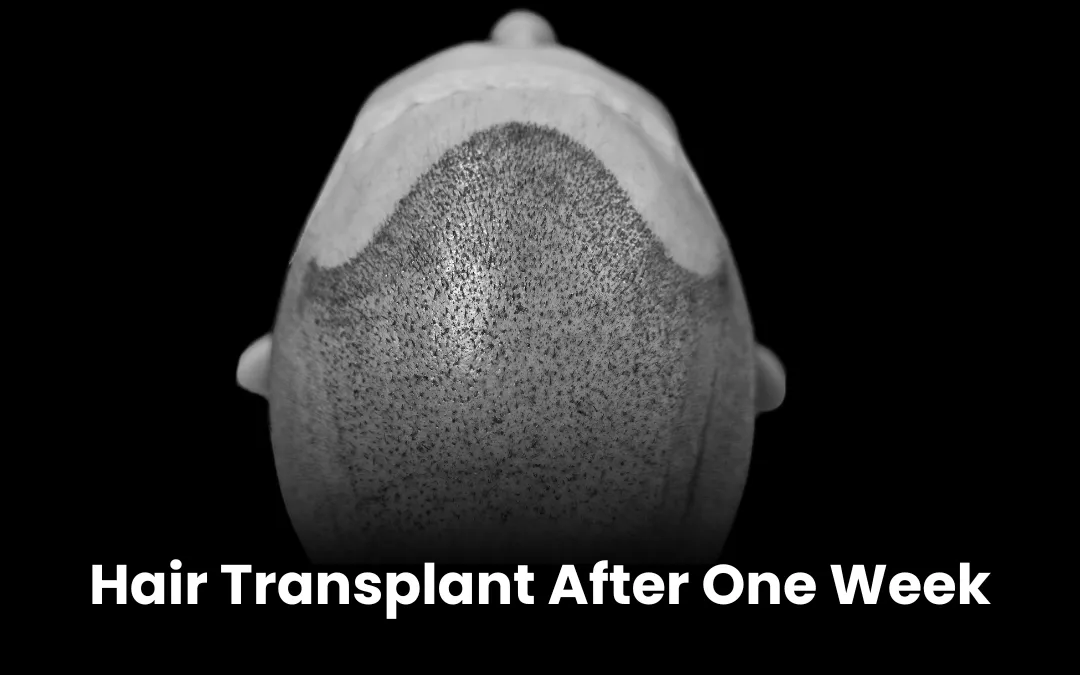
- Hair transplant, where a surgeon moves healthy hair follicles from one part of the scalp to another, and a specific dietary supplement.
- Being pregnant
Shortly after giving birth, some people may have substantial hair loss. A drop in oestrogen levels is the cause of this. This kind of hair loss is transient and typically goes away in a year or less.
Hair volume can be increased by:
- Utilising fine hair care products
- Selecting a volumising shampoo and conditioner; avoiding conditioning shampoos or intensive conditioners, which could be too heavy for fine hair; and putting conditioner on the ends of the hair rather than the scalp to prevent weighing down hair.
- Telogen Effluvium
There are four stages that healthy hair follicles go through.
During the anagen phase, the hair follicle pulls out hair and causes it to develop. Natural hair shedding starts in the telogen phase and increases in the exogen phase, whereas hair growth slows during the catagen phase.
When a person develops telogen effluvium, their hair stays in the telogen stage of the cycle. This results in an excessive amount of hair falling out, sometimes in handfuls.
The following are a few potential causes of telogen effluvium:
1 .Childbirth
2.Extreme stress and quick weight reduction
3.Thyroid disorders and certain drug s
4.Certain drugs
Although telogen effluvium is typically a transient illness that goes away with time, it is advisable to consult a doctor to find out what’s causing it. To lessen hair loss, a doctor might need to address the underlying cause of the illness.
A doctor may recommend a different medicine or a lower dosage if they believe a prescription is causing hair loss.
- Anagen Effluvium
Large amounts of hair fall out quickly during the anagen (growth) phase of the hair cycle due to anagen effluvium. Hair loss from the head and other body parts, such as the eyebrows and lashes, may result from it.
Anagen Effluvium may be caused by the following:
- Chemotherapy
- Radiation treatment
3 .Fungus-related infections
4.Autoimmune condition
5.Depending on the underlying reason, this disease may be treated with a topical minoxidil solution (Rogaine).
Cooling the scalp during chemotherapy may be beneficial if the patient has anagen effluvium. Usually, hair grows back in three to six months.
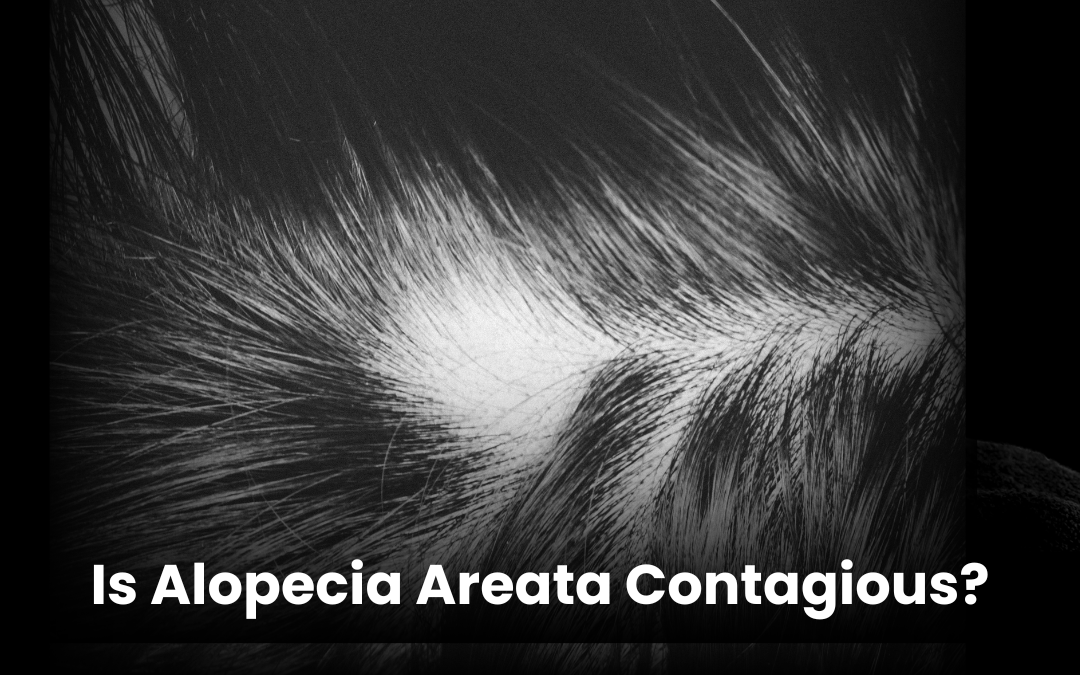
- Alopecia Areata

An autoimmune disorder called Alopecia Areata causes abrupt hair loss. Hair follicles and other healthy body parts are attacked by the immune system.
Eyelashes, eyebrows, and scalp hair can all fall out in tiny pieces.
A person should see a doctor if they are facing such symptoms. To aid in the regrowth of hair, a physician could suggest corticosteroid injections for the scalp or other drugs.
Hair Loss Treatment
QHT Clinic’s hair loss treatment is one of the best hair loss treatments offered in the country.
At QHT Clinic, India, our prime focus is to rule out the potential cause of the hair loss and prescribe the most suitable method to tackle the issue effectively.
There are several effective ways of combating hair loss issues in both men and women.
The non-invasive approach includes:
- Prescribing medications like Minoxidil and Finasteride in case of pattern hair loss.
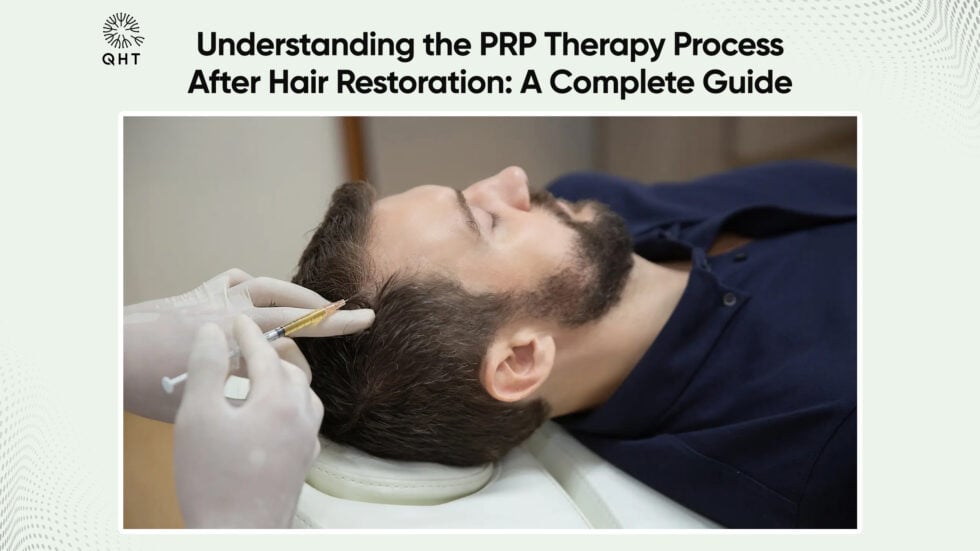
2 .PRP therapy works best for patients dealing with hair thinning as it improves the hair density and reduces the bald spots effectively by promoting hair regrowth.
3.Natural remedies and serums work best for people opting for a holistic approach to tackle hair loss.
Not everyone is comfortable opting for a hair transplant.
Many people prefer to use natural remedies for promoting hair growth.
Invasive Approach
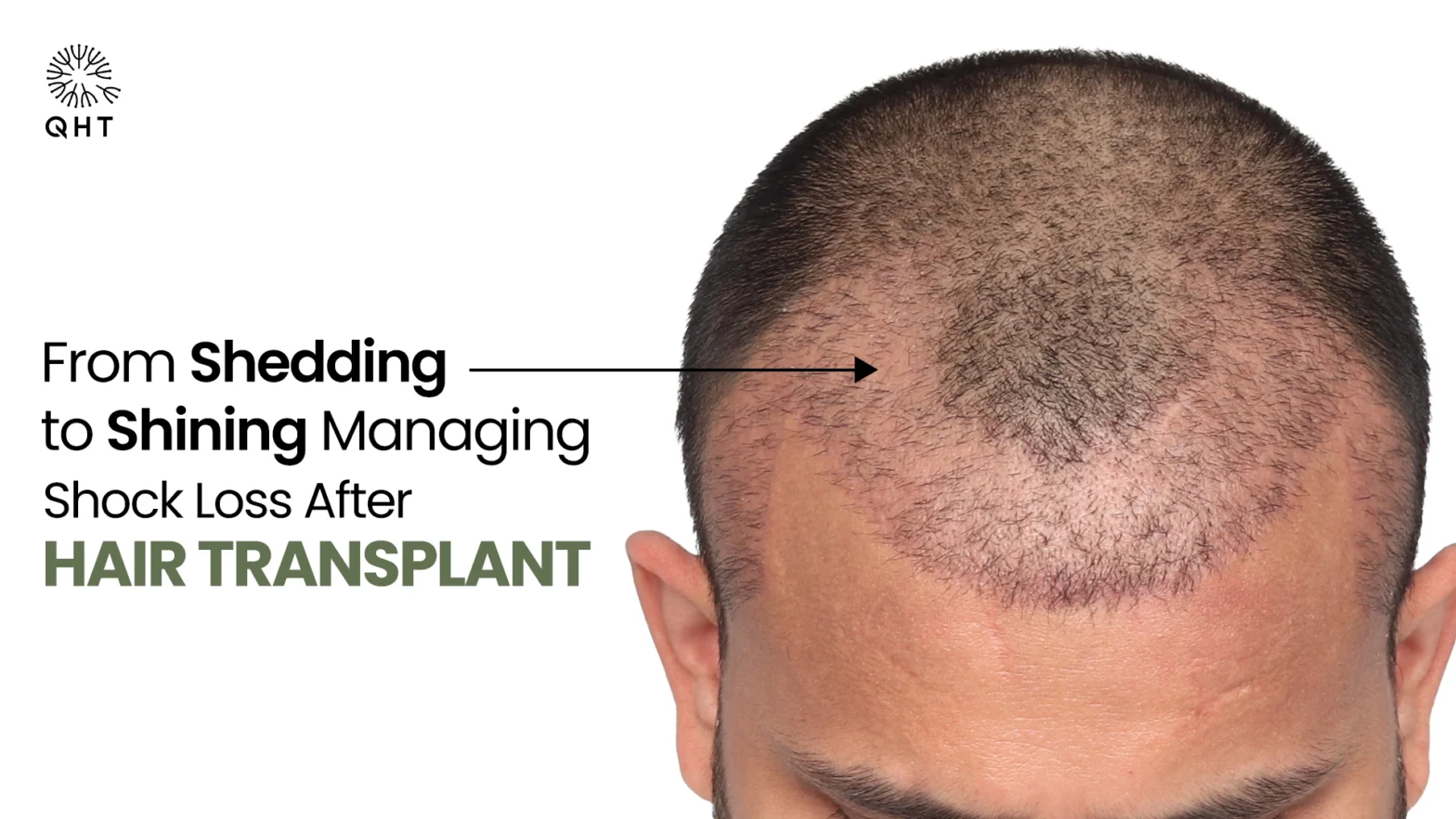
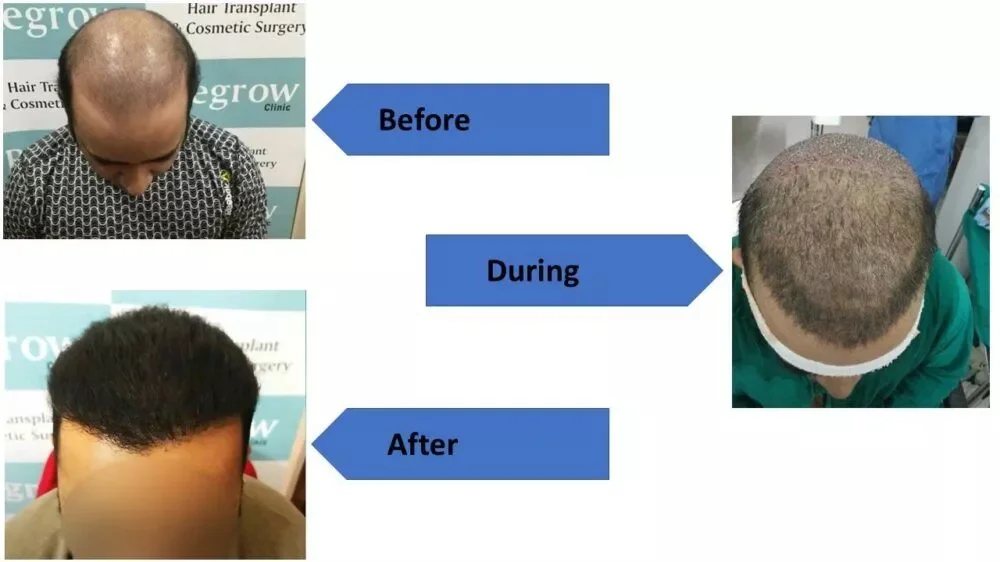
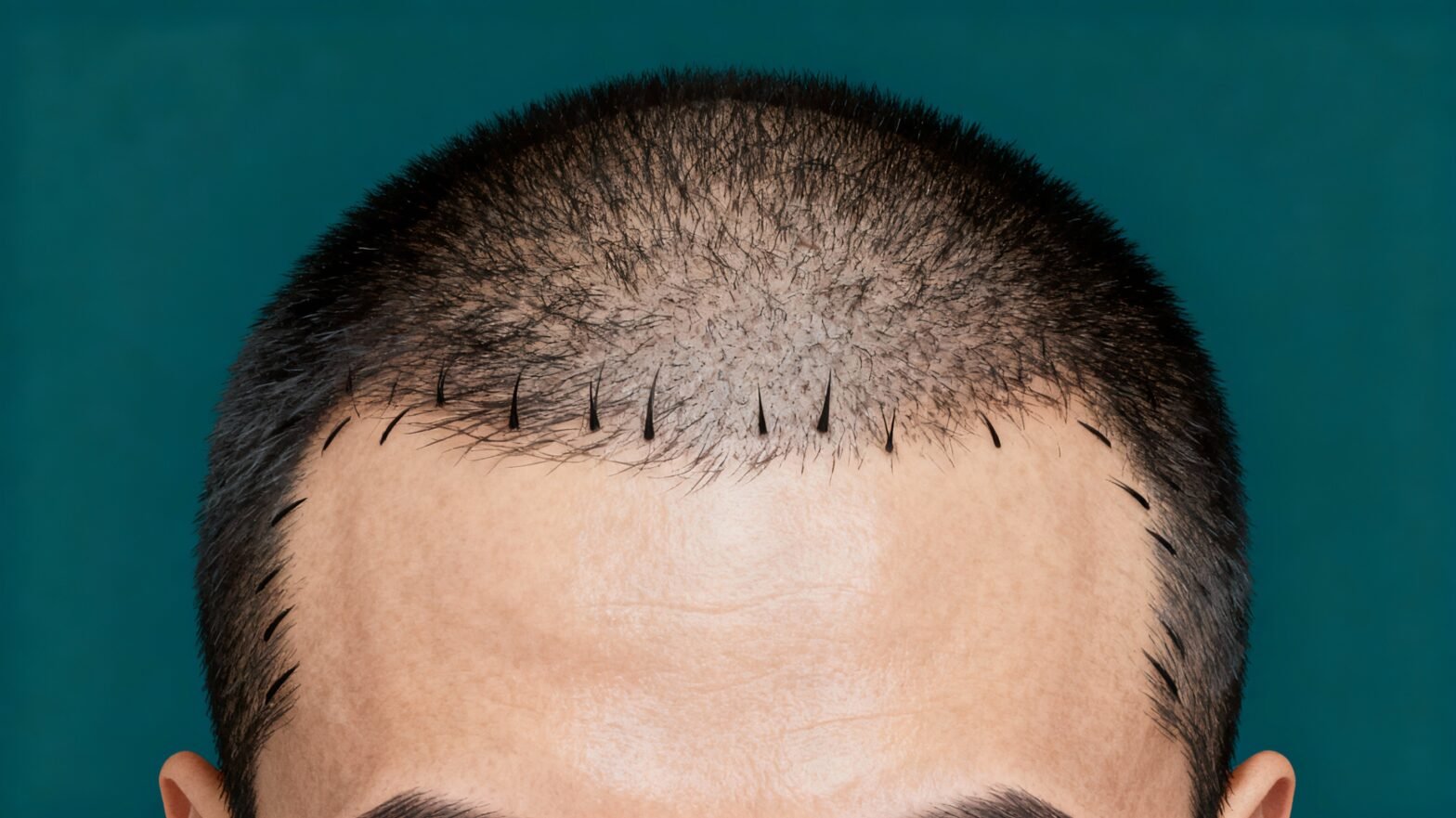
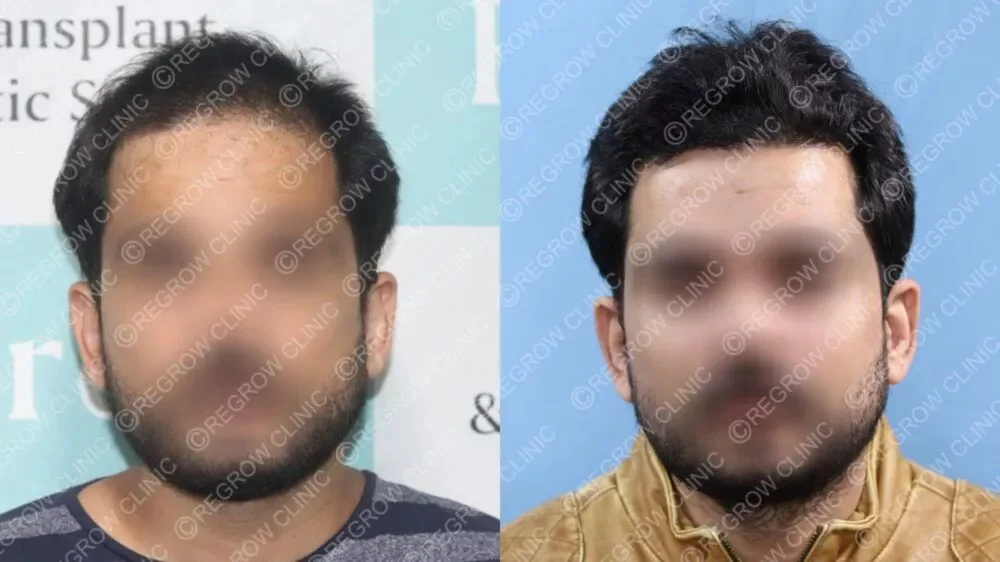
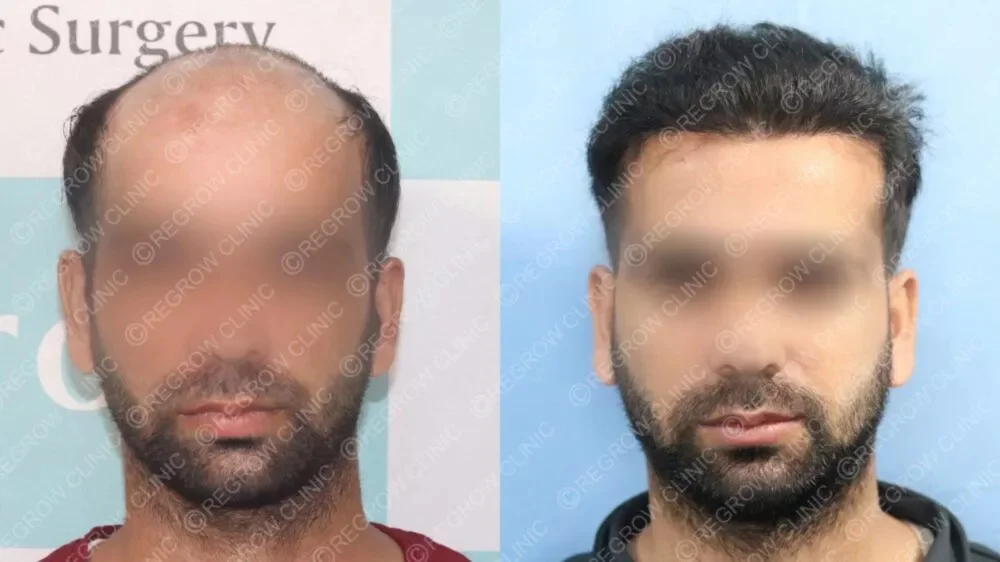
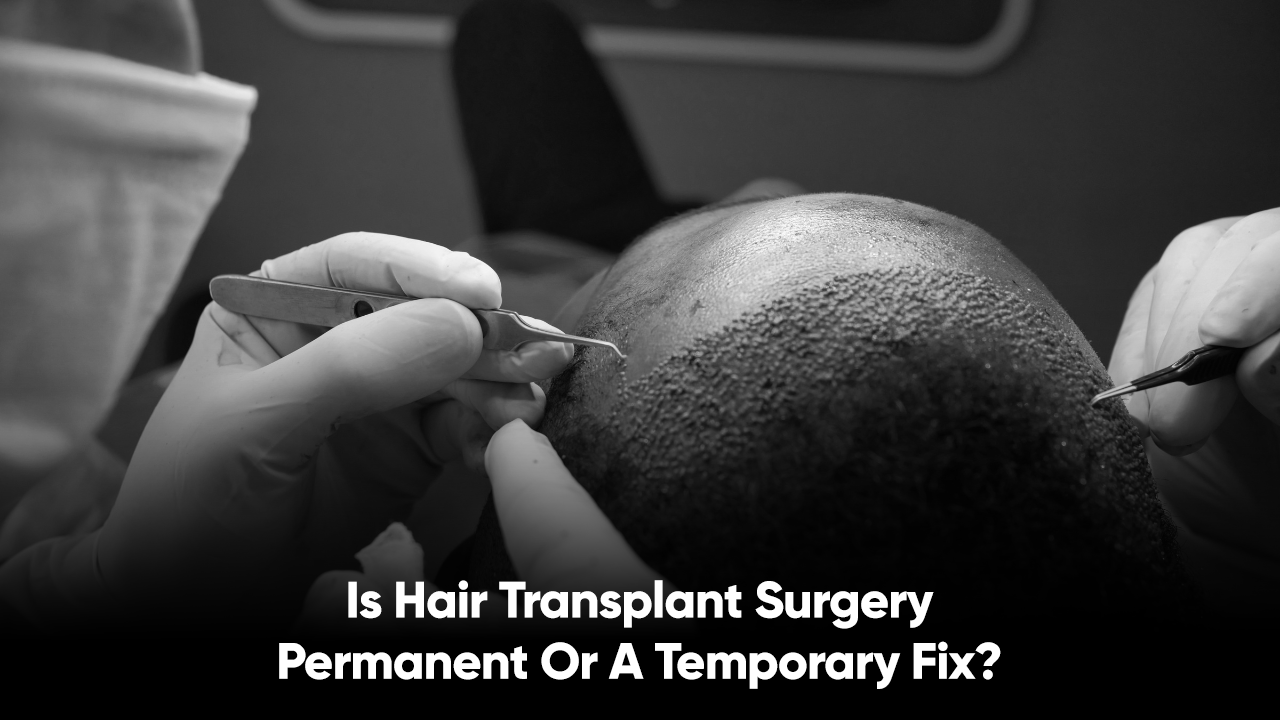
The invasive approach to tackle hair loss issues includes undergoing an ‘hair transplant.’
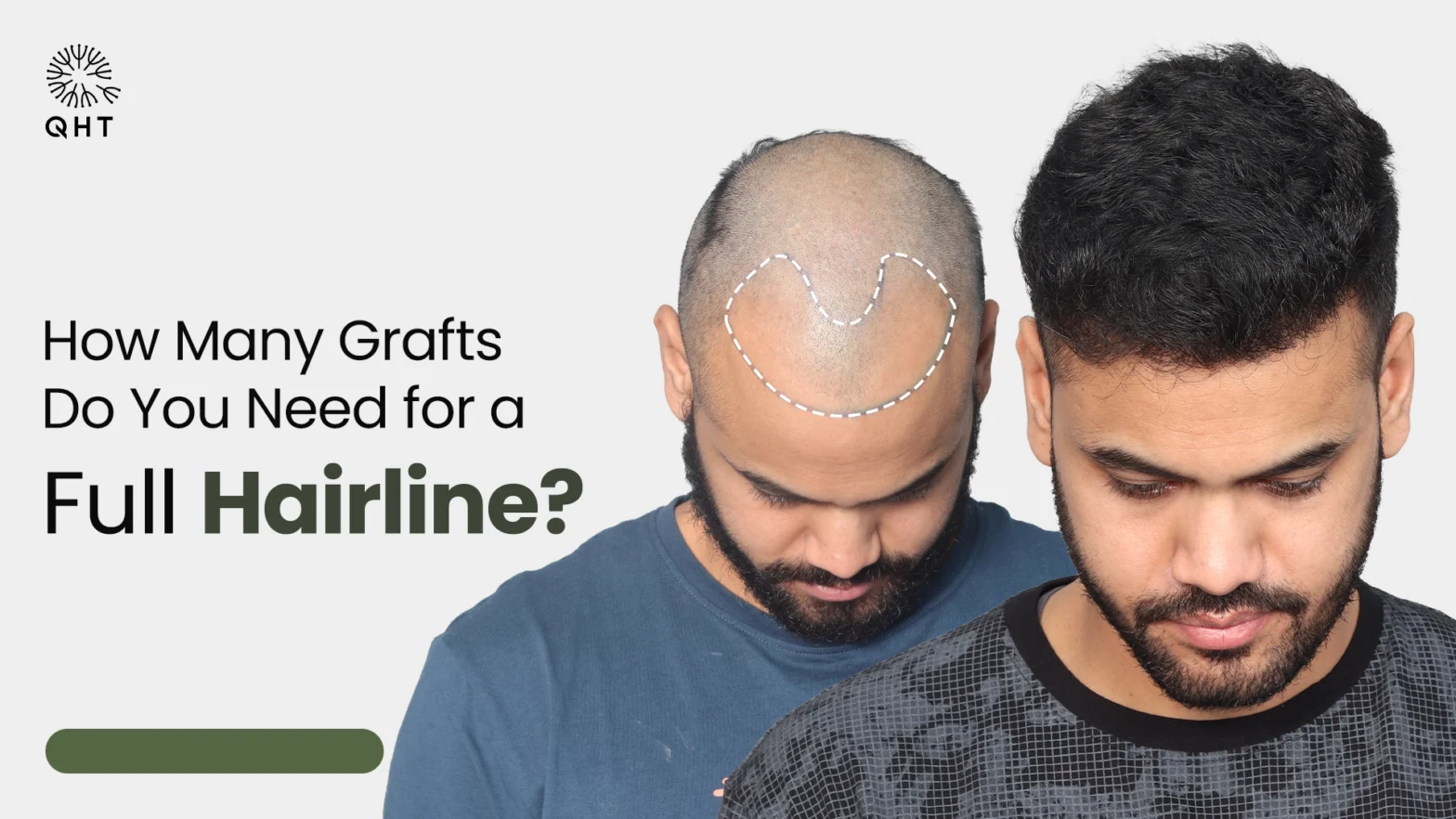
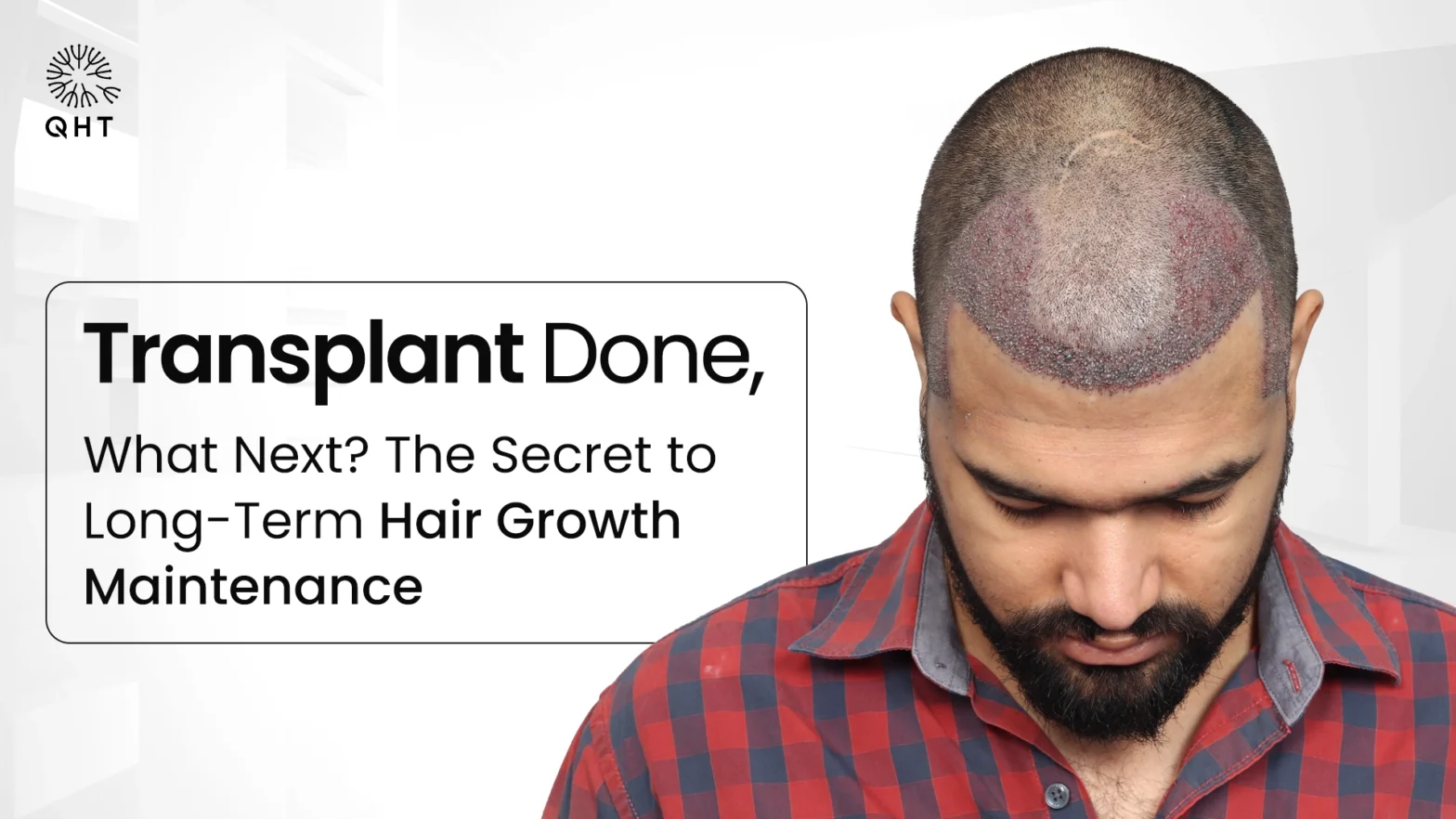
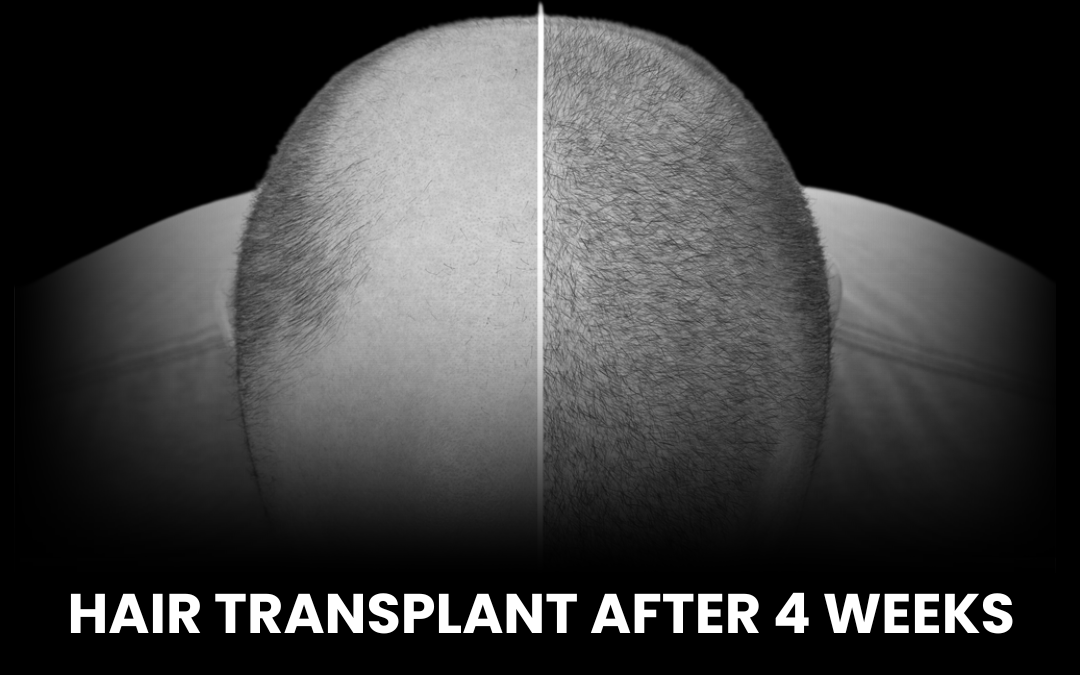
For people experiencing severe hairfall and baldness, a hair transplant is an effective treatment.
What Makes QHT Clinic the Best Option for Your Hair Restoration Procedures?
One of India’s top options for various hair restoration treatments is QHT Clinic. Every patient at QHT Clinic is a member of the extended family rather than just a client. It’s about providing the finest unsolicited advice in the patient’s best interest while adhering to medical ethics.
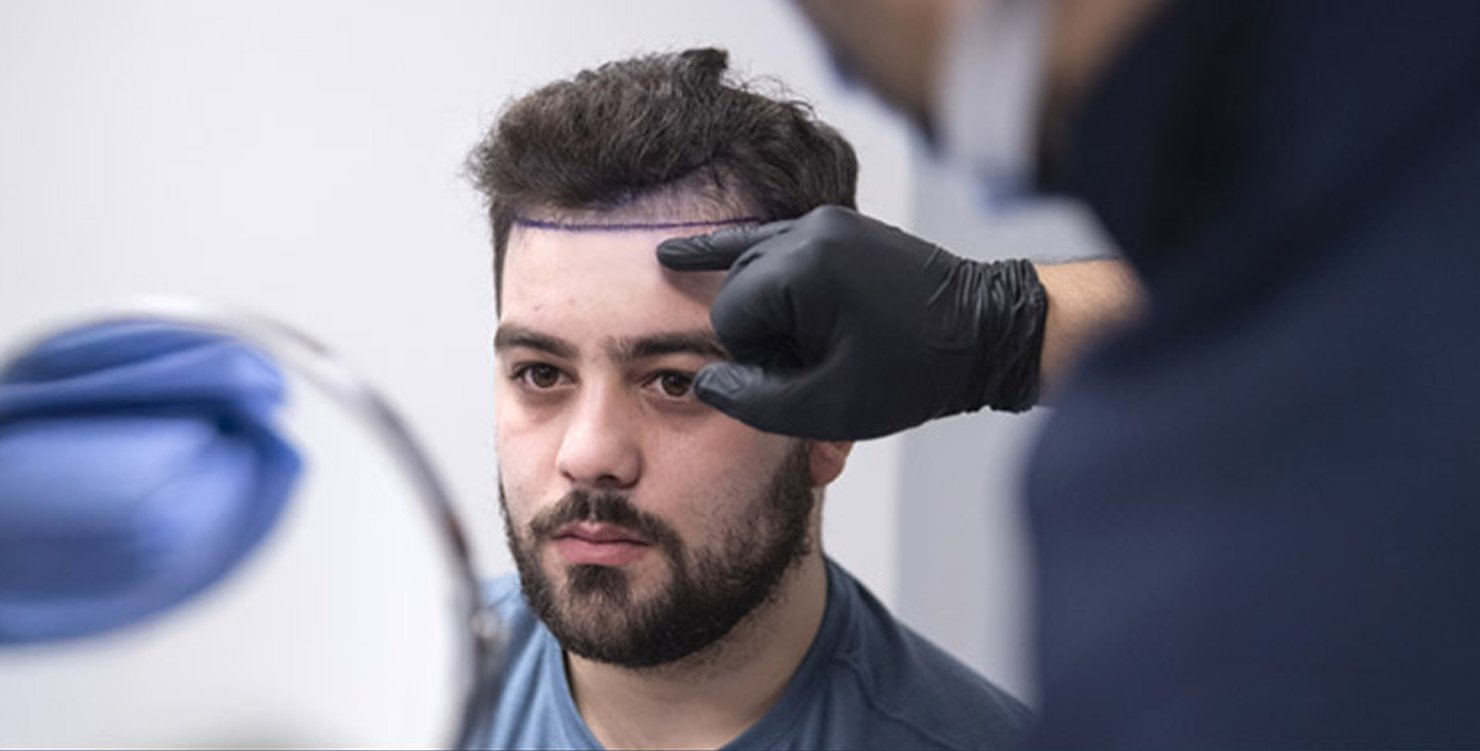
Every hair restoration process at QHT Clinic is meticulously planned by the team and experts.
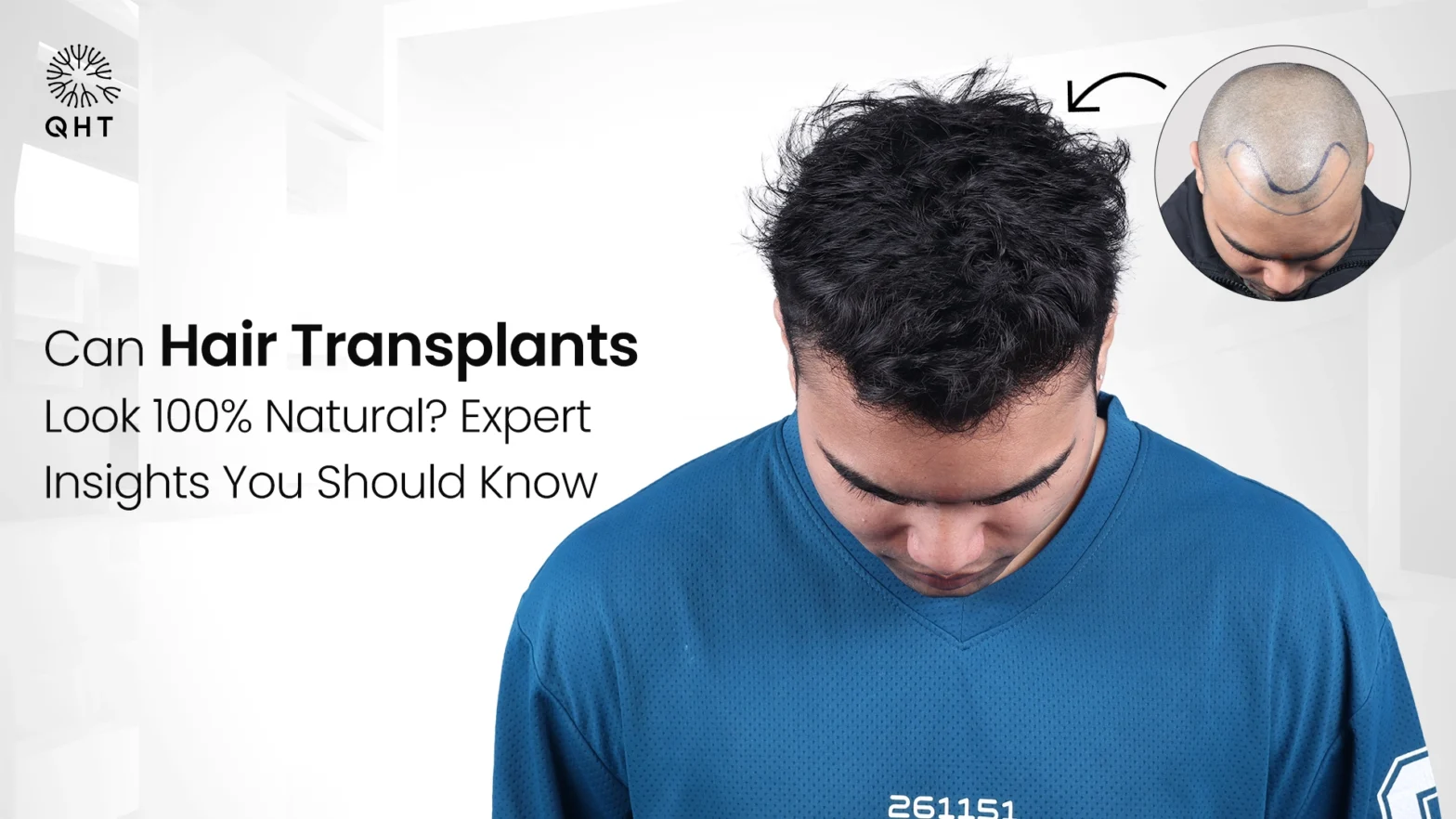
Aesthetically, natural hair is produced by carefully choosing and utilising follicular units in conjunction with precision and top-notch articulation.
Book a Consultation Today
Latest Videos
-

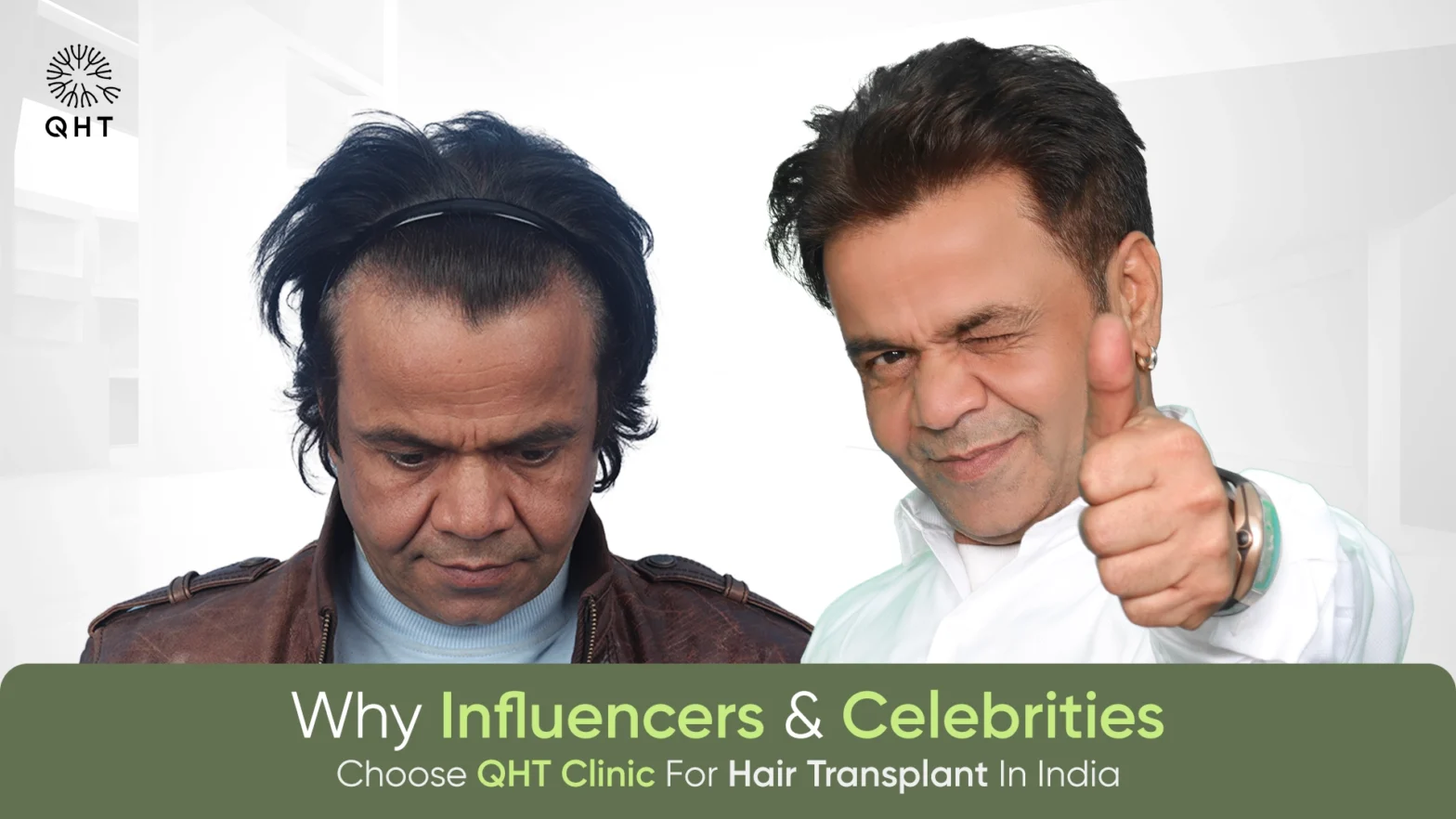
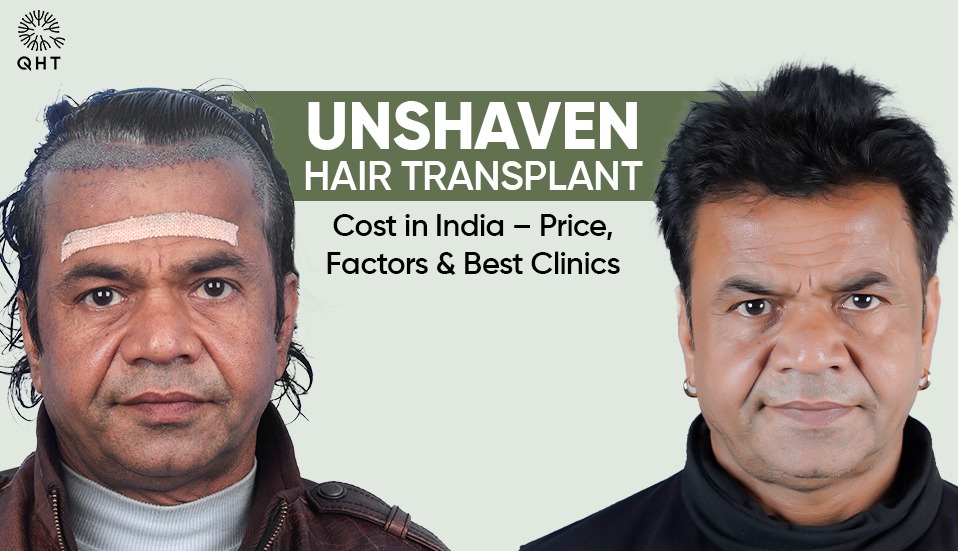
Rajpal Yadav | Bollywood Actor Hair Transplant Journey at QHT Regrow Clinic Haridwar
Click to Watch
-

FUE Hair Transplant Results | DAYA's FUE Hair Transplant Results
Click to Watch
-

Best Hair Transplant Result 2021 || NW Grade VI A || 3,422 Grafts
Click to Watch
-

Best Hair Transplant Result 2022 | Grade 4
Click to Watch
-

YouTuber Mehtab Saifi Hair Transplant
Click to Watch
-
ACP Pradyuman Hair Transplant - Actor's Hair Transplant
Click to Watch