



Best Time for Hair Transplant: Does Timing Matter?
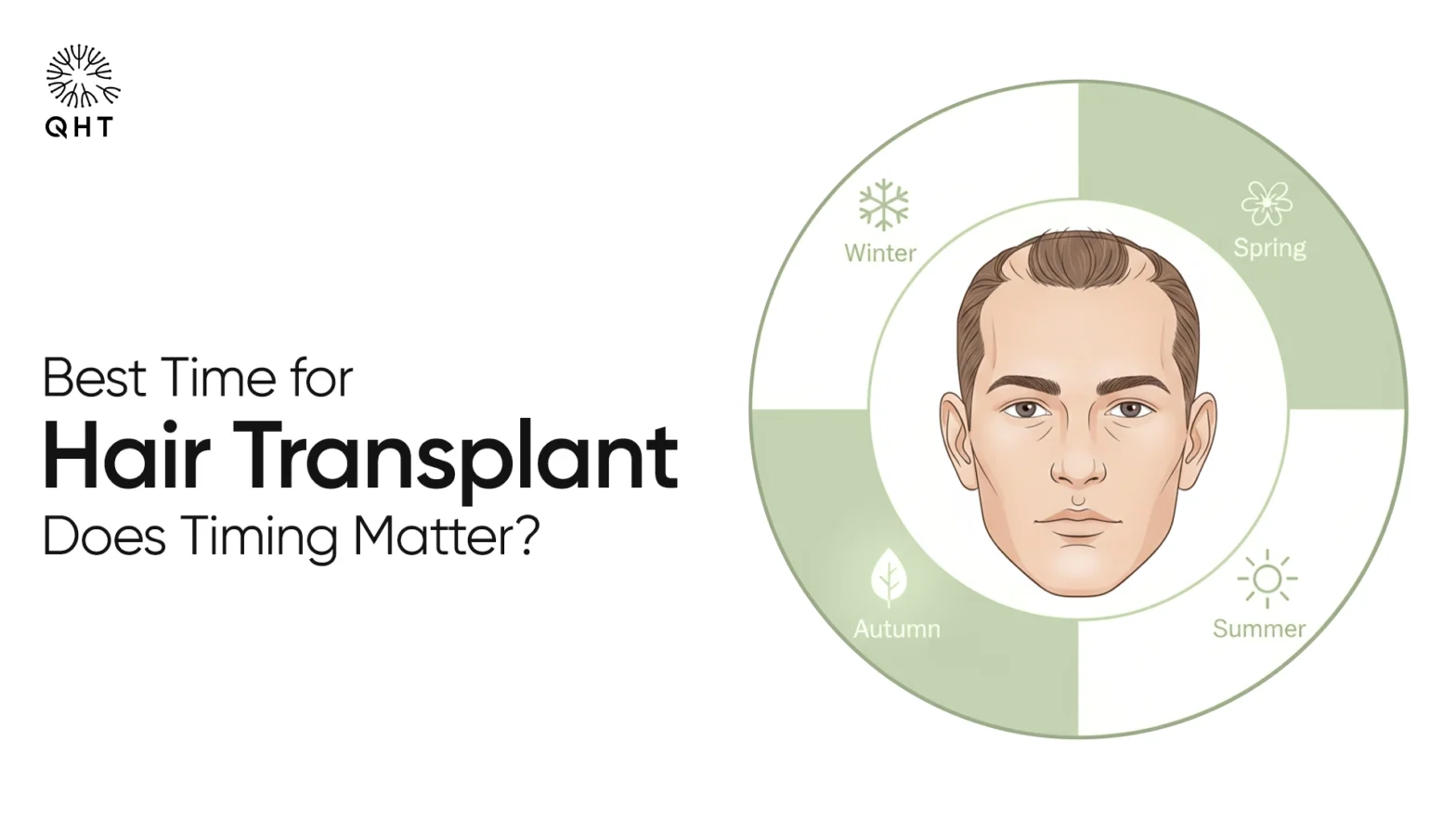
Having excessive hair loss alters not only the looks but also self-confidence. A hair transplant is a matter of getting confidence and being younger to many people. Then the question is, When should a hair transplant be performed? One myth is that winter is the best season and some people believe summer is the best season. Such discussions can be confusing. The truth is that season can have a bearing on whether the recovery is comfortable or not, but using modern methods, hair transplants are safe and effective throughout the year. This blog will dispel winter and summer hair transplant myths, compare and contrast winter and summer hair transplants and how the QHT clinics guarantee successful outcome in any season.
Why Is Timing Matters in a Hair Transplant?
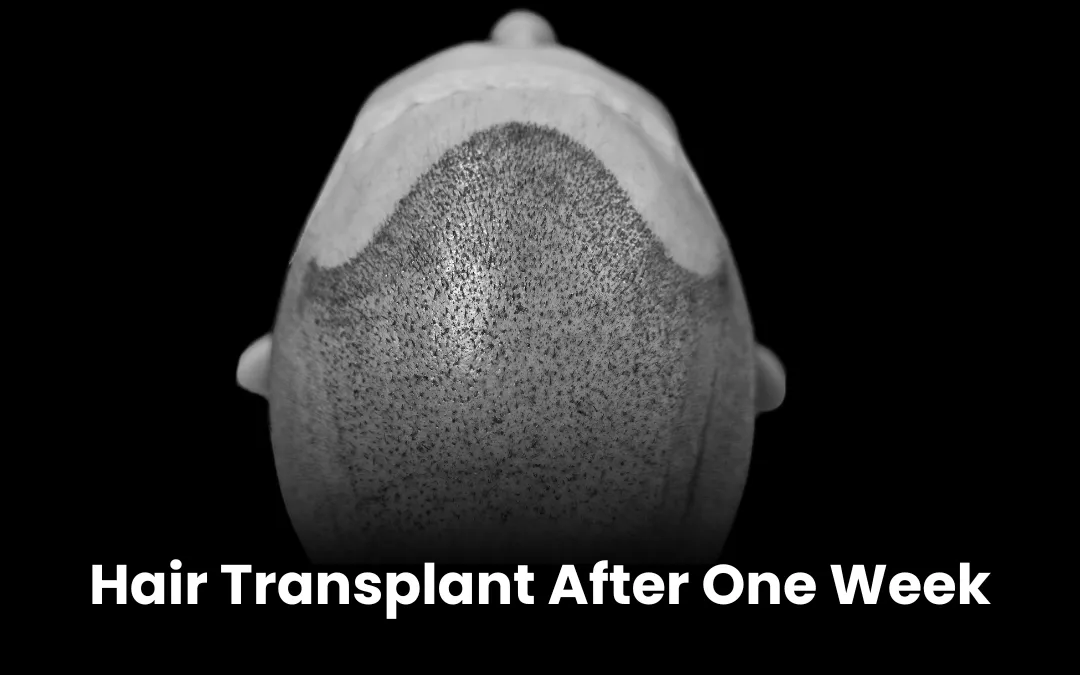
Hair transplant does not happen overnight. The actual process takes one day or two but the recovery and the development require months to be complete. The season you are recovering in may affect your comfort level in the recovery process, as well as aftercare:
- Summer (hot and humid months): Sweating may be irritating, more likely to become infected without hygiene, and may need to be washed more often.
- Winter (dry and cold months): The scalp in winter can be dry and easily lead to itching, flakiness, or even dandruff, which is why moisturization and scalp care is a crucial component of aftercare.
Both seasons are not unsafe, however, timing can influence comfort, day-to-day lifestyle, and aftercare practices. This is the reason most patients enquire about the ideal season when they want to undertake their hair transplant.
Best Season for Hair Transplant – Myth or Truth?
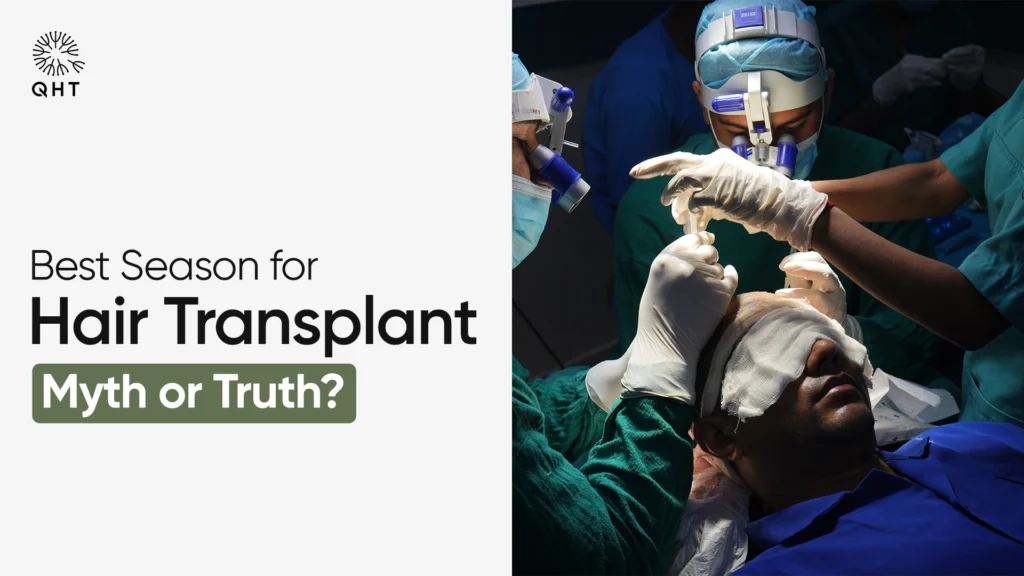
In fact, there is no single, ideal season that lets you have better results. The contemporary methods such as Direct Hair Transplant (DHT) and Follicular Unit Extraction (FUE) are very advanced. Irrespective of summer or winter hair transplant, your result would always be more dependent on:
- The expertise of the operator.
- The technology involved.
- Your willingness to provide aftercare.
With that said, every season has its benefits and its hardships. Knowing them allows you to know a time that would best fit your lifestyle.
Winter Hair Transplant
Many patients believe winter to be the best time to have a hair transplant. Here’s why:
Pros:
- Greater Protection of Sunlight: After surgery, it is considered important to protect the scalp against harsh exposure to sunlight. Winter sun is not so potent and people in most cases use caps or beanies and therefore it is convenient to cover the scalp.
- Discreet Recovery: Winter gear (caps and hoodies) allows you to cover your head until new hair growth occurs, which may help patients feel more confident during the recovery.
- Less Social Pressure: The winter months are generally not as packed with social events as the summer seasons; therefore, the patient can take advantage of having more personal time to themselves to heal.
These are some of the reasons why a hair transplant during the winter season is a very feasible option.
Cons
- Dryness and Itching: Cold weather and indoor heating can make the scalp excessively dry, leading to itching, flakiness, or dandruff during recovery.
- Reduced Outdoor Activity: Patients may limit outdoor activities due to the cold, which can affect overall blood circulation and healing.
- Risk of Infections from Coverings: Wearing woolen caps or tight winter headgear can trap sweat and bacteria, increasing the risk of infection if proper hygiene is not maintained.
Hair Transplant in Summers
There is an assumption that people are afraid to undergo a hair transplant in summer because the moisture can spoil the outcome. That is a myth. Summer transplants heal scrupulously well with reasonable aftercare. Summer, in fact, also has advantages of its own:
Pros
- Heals and improves blood circulation faster: Raised temperatures enhance the flow of blood that aids in the good healing of transplanted grafts.
- Holidays=More Recovery Time: Most individuals use the summer time to vacation, thus there is sufficient personal time in order to rejuvenate with no concern of office procedures.
- Active Lifestyle Motivation: The summer season is a common time when many patients plan their transplant procedures because as the winter season kicks in they are already looking forward to seeing the results of their decision grow on their forehead. It is obvious that hair transplant during summer is no less useful- only with added caution to prevent touching the sun and sweating during the initial days.
Cons
- Excessive Sweating: Hot and humid weather increases sweating, which can irritate the scalp and slow down the healing process.
- Higher Risk of Infection: Sweat and dust can accumulate on the scalp, raising the chances of infection if aftercare and hygiene are not strictly followed.
- Sun Exposure: Strong sunlight can damage sensitive grafts, making it necessary to avoid outdoor heat or wear protective headgear during recovery.
Factors That Matter More Than Season
Although people usually concentrate on the question of whether winter or summer is better, there are many more significant factors:
- Expert doctor: A competent doctor makes sure that the appearance is natural, whether in summer or winter.
- Clinic Standards: Hygiene, modern equipment, and trained personnel are more important than the weather outside.
- Aftercare Pledge: Vital aftercare after the surgery is washing, avoiding direct sun, and preventing scratching.
- Patient Health: Pre-existing health conditions and drugs have a greater effect on recovery than the weather.
The most suitable moment for hair transplant is therefore whenever you are mentally, physically and practically prepared and not seasonally.
QHT Clinic’s Approach on How to select the Right Time to perform Hair Transplant
In QHT Clinic, patients usually inquire whether it is necessary to wait till a specific season. The surgeons here are professionals and can assure them that there are no seasonal results. There are just several seasonal hair transplant myths that people believe. Rather, it is about patient comfort and post-treatment.
- The clinic gives specific post-transplant guidelines based on the season:
- The clinic gives specific post-transplant guidelines based on the season and clarifies winter vs summer hair transplant results.
- Winter: Patients are advised on managing dryness and flakiness with gentle moisturizers, dandruff control if needed, and avoiding tight woolen caps that may irritate grafts.
- Summer: Guidance is given on protecting the scalp from direct sun, maintaining strict hygiene to counter sweat and dust, and keeping the scalp cool and clean with proper washing.
- General Advice: Regardless of the season, patients are guided on safe sleeping positions, gentle washing techniques, and avoiding strenuous activities that may interfere with recovery.
Such personalised care gives patients the assurance that a time can be chosen that suits their lifestyle rather than wonder about myths about the season.
How Soon To Expect Results?

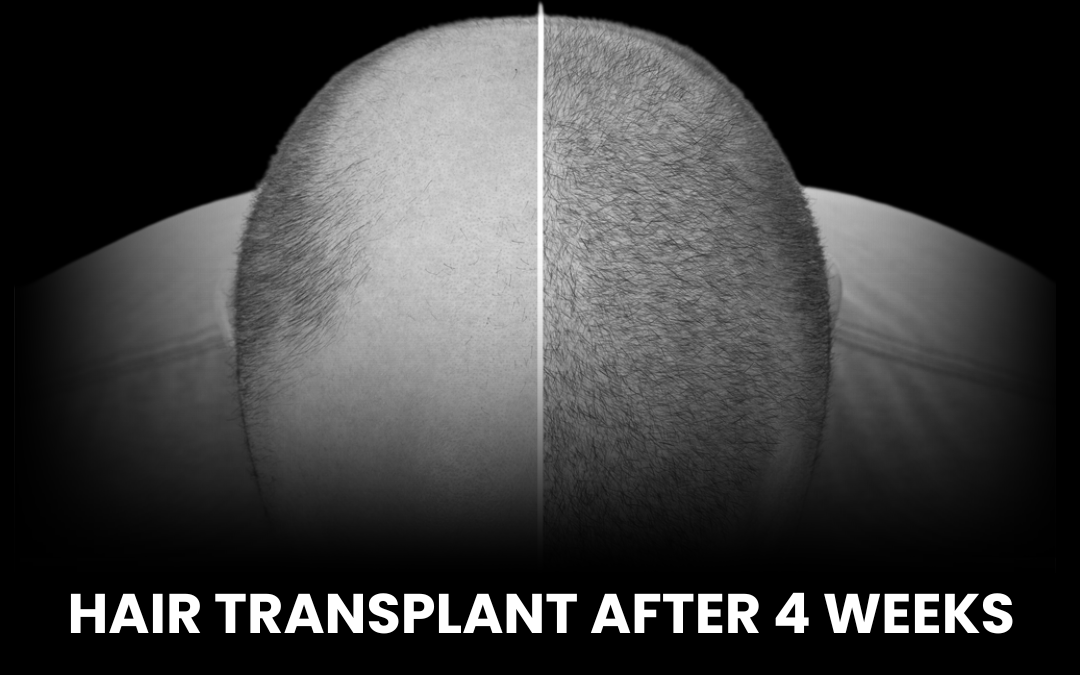
Patients also tend to associate results with seasons and they might ask questions like Do winter transplants grow faster. In truth, hair growth is guided by the same natural cycle whether you do the procedure at the onset of the summer or in the middle of the winter:
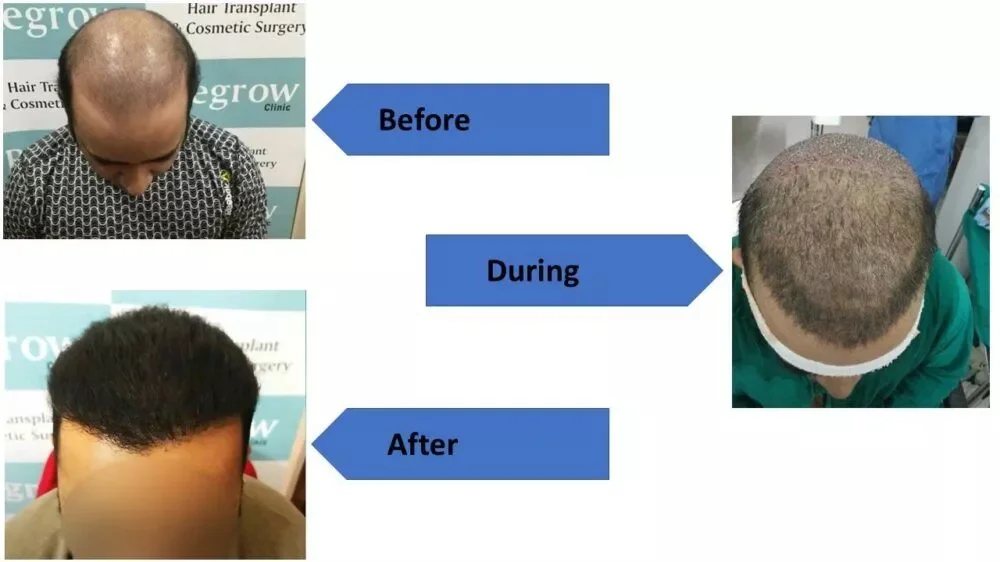
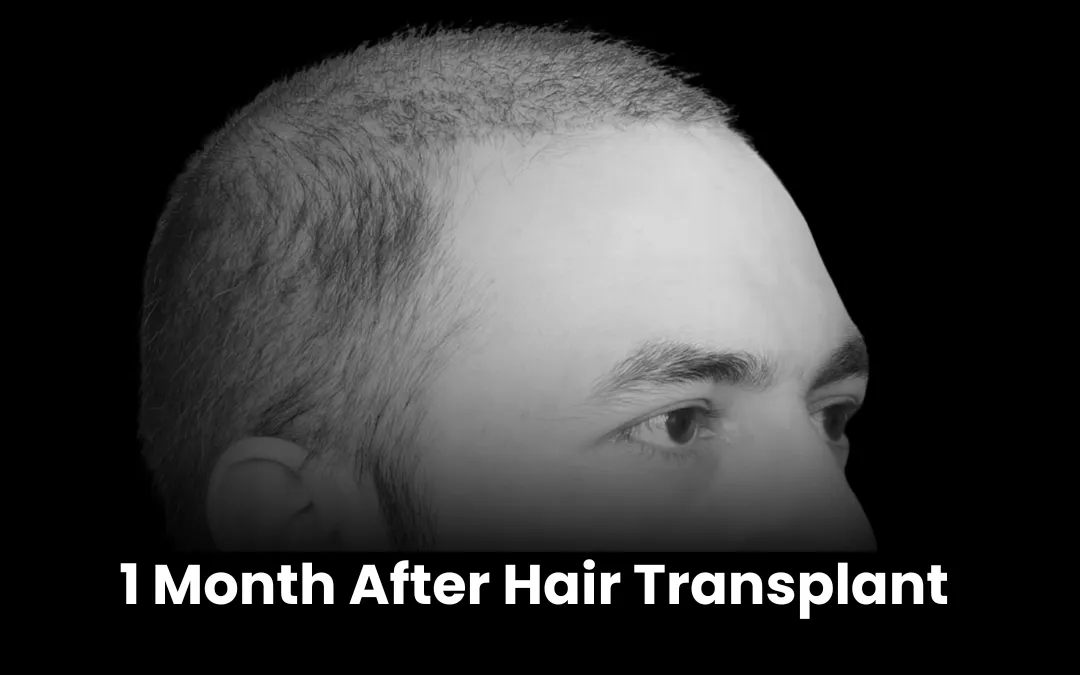
- The first 2 to 3 Weeks: Transplanted hair sheds initially.
- 4- Months: Hair development starts.
- 9 Months: Perceptible change in density.
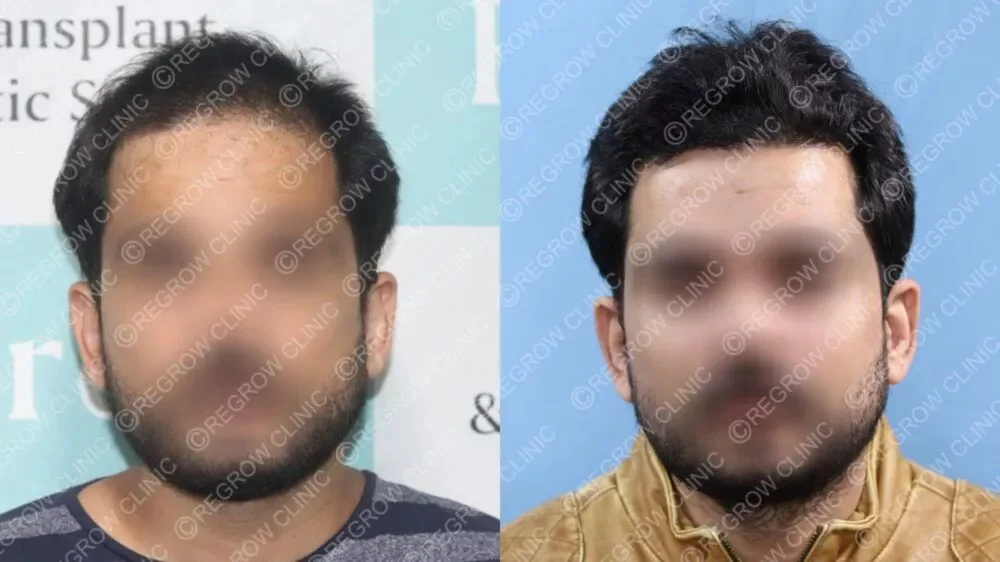
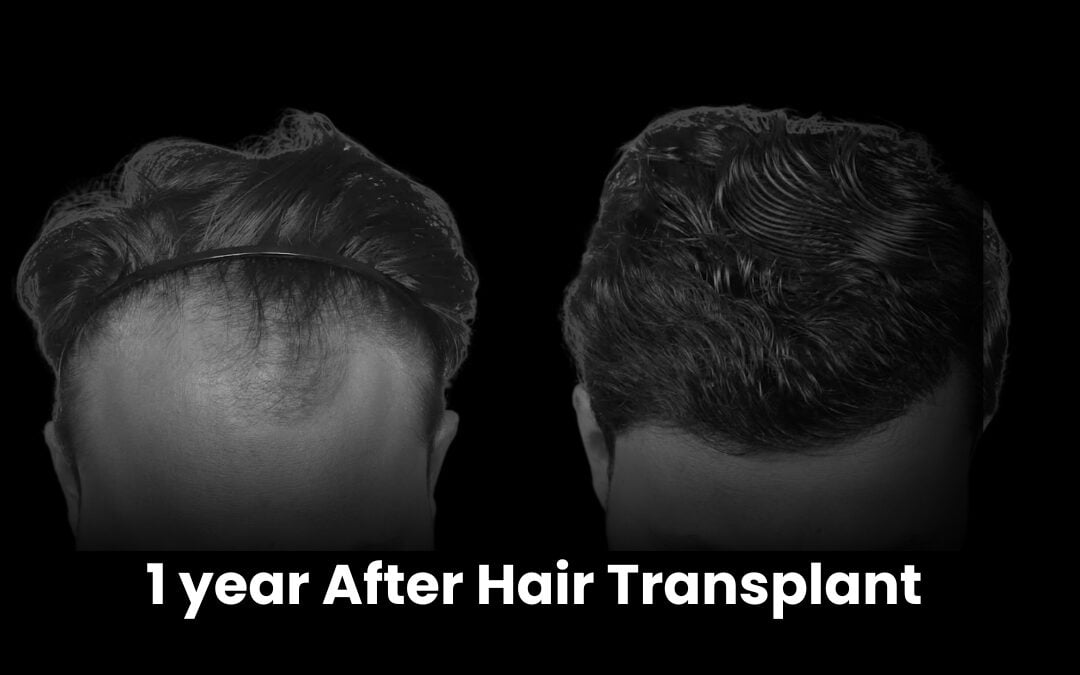
- 12 Months: Results which look natural.
And no matter when you would start, be it in June, or in December the final timeline will be the same as there is no best time for hair transplant recovery.
FAQS
1. Is winter really the best time for a hair transplant?
Myth: Winter gives faster or better results.
Reality: Results are the same year-round; only comfort and aftercare differ slightly with the season.
2. Will a summer hair transplant fail because of heat and sweat?
Myth: Heat and sweating can ruin grafts.
Reality: With proper hygiene, sun protection, and following aftercare, summer transplants heal just as safely as in winter.
3. Do hair transplants grow faster in colder weather?
Myth: Cold weather speeds up growth.
Reality: Hair follows the same biological growth cycle—shedding, regrowth, and thickening—regardless of season.
4. Should I delay my procedure until the “right” season?
Myth: Waiting for a particular season ensures better results.
Reality: The best time is when you are ready and can commit to aftercare; modern techniques ensure safe outcomes in any season.
Final Thoughts-What is the Optimal Timeline to Have a Hair Transplant?
The most appropriate season to do a hair transplant is the one that suits life and convenience. Winter may be more comfortable for you if you like it cooler during recovery. Summer may be the right season in case you desire the results soon.
There is no correct time in terms of the calendar, but when you are ready to make a step to take a hair transplant with the right clinic, right surgeon, and right mindset.
Trust and reliable results, when it comes to QHT Clinic, your experience will be smooth sailing, comfortable, and life-changing regardless of the season.
Book a Consultation Today
Latest Videos
-

Rajpal Yadav | Bollywood Actor Hair Transplant Journey at QHT Regrow Clinic Haridwar
Click to Watch
-

FUE Hair Transplant Results | DAYA's FUE Hair Transplant Results
Click to Watch
-

Best Hair Transplant Result 2021 || NW Grade VI A || 3,422 Grafts
Click to Watch
-

Best Hair Transplant Result 2022 | Grade 4
Click to Watch
-

YouTuber Mehtab Saifi Hair Transplant
Click to Watch
-

ACP Pradyuman Hair Transplant - Actor's Hair Transplant
Click to Watch