



Can Hair Transplants Look 100% Natural? Expert Insights You Should Know
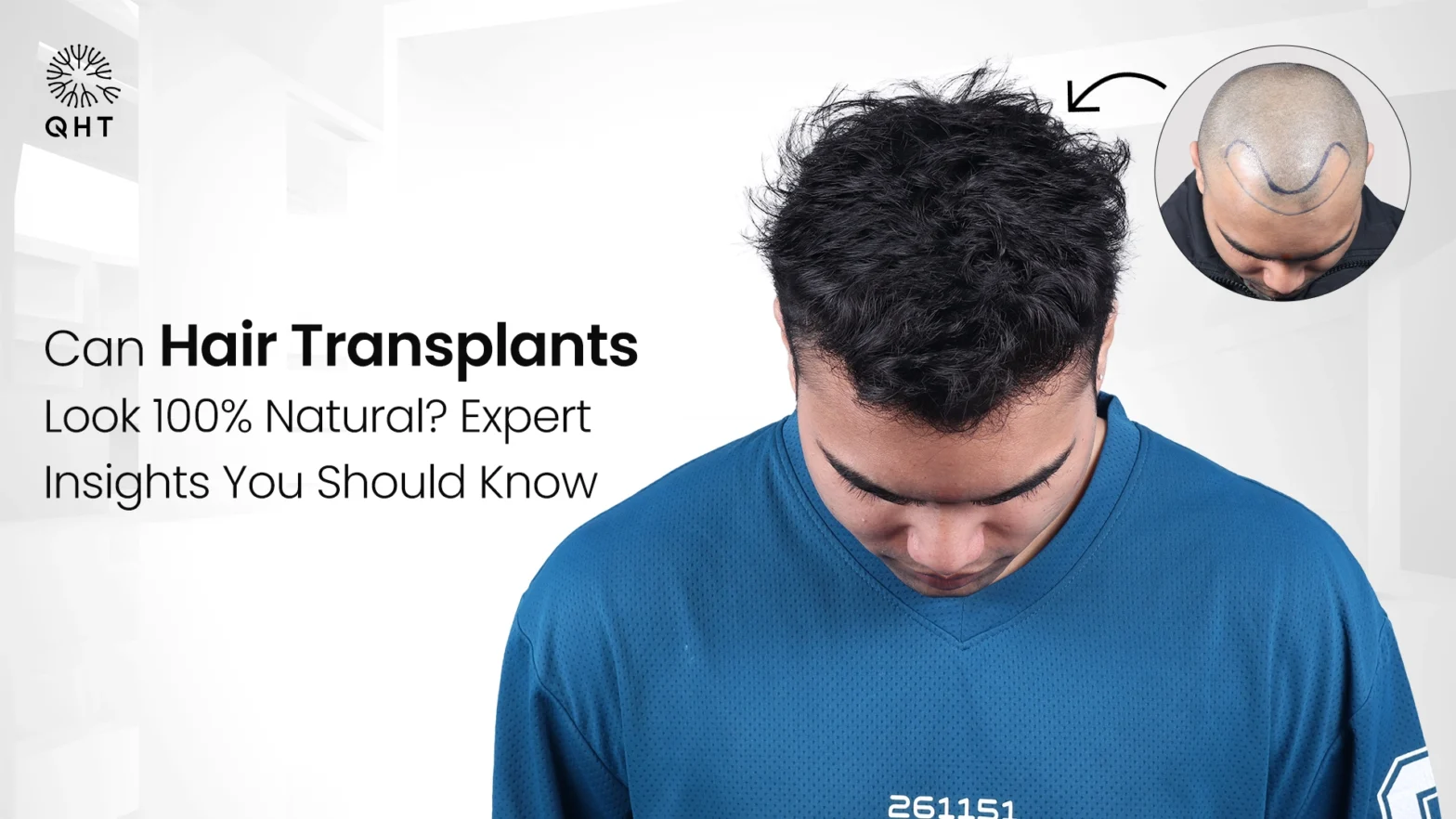
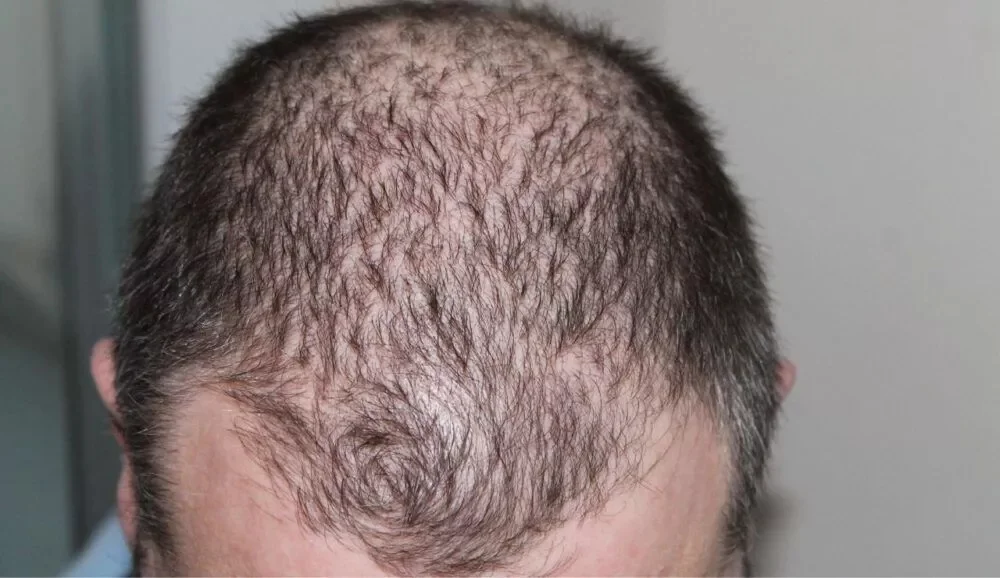
Hair loss can severely impact one’s appearance and self-image. Although there are now innovative medical therapies for restoring hair, the aspect that concerns most patients is, “Will a hair transplant look 100% natural?”
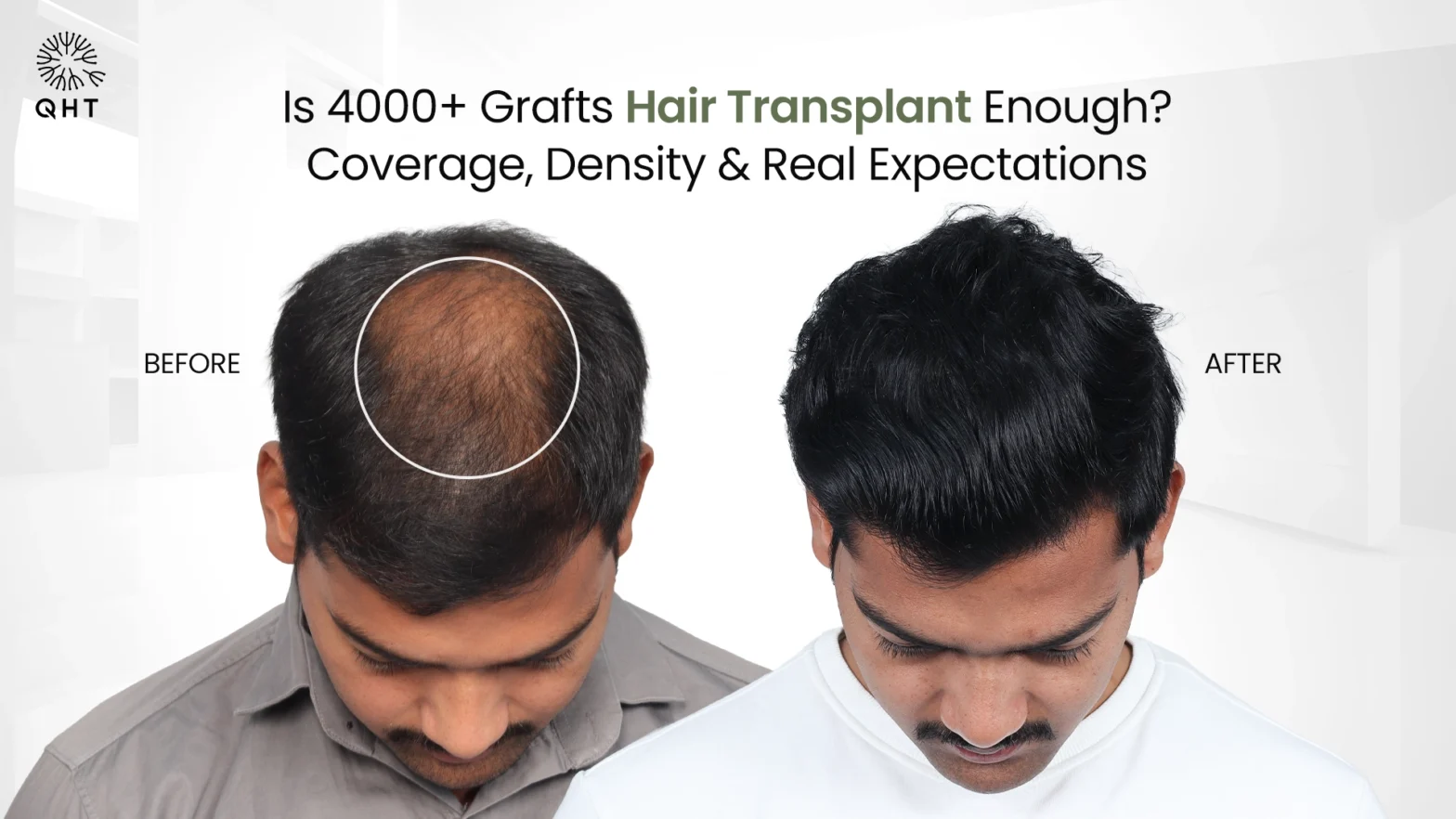
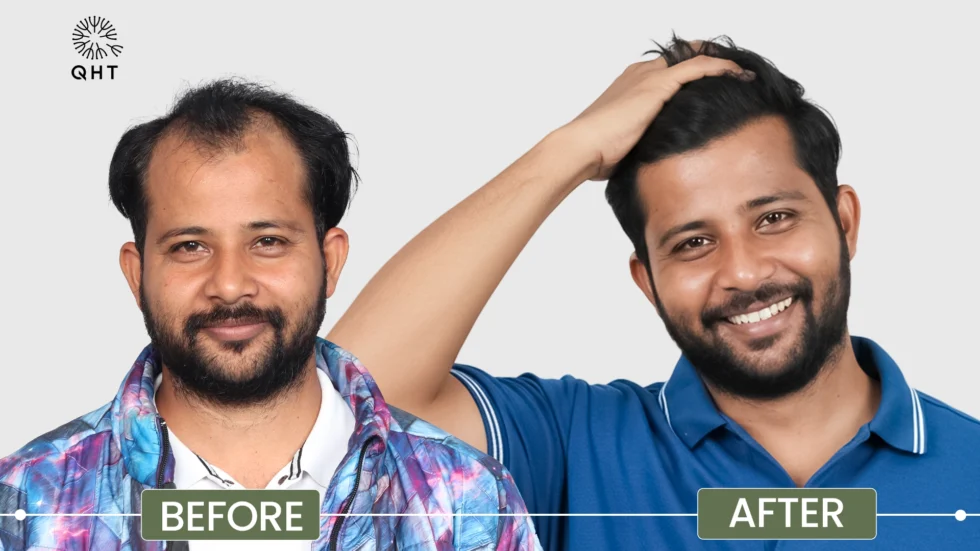
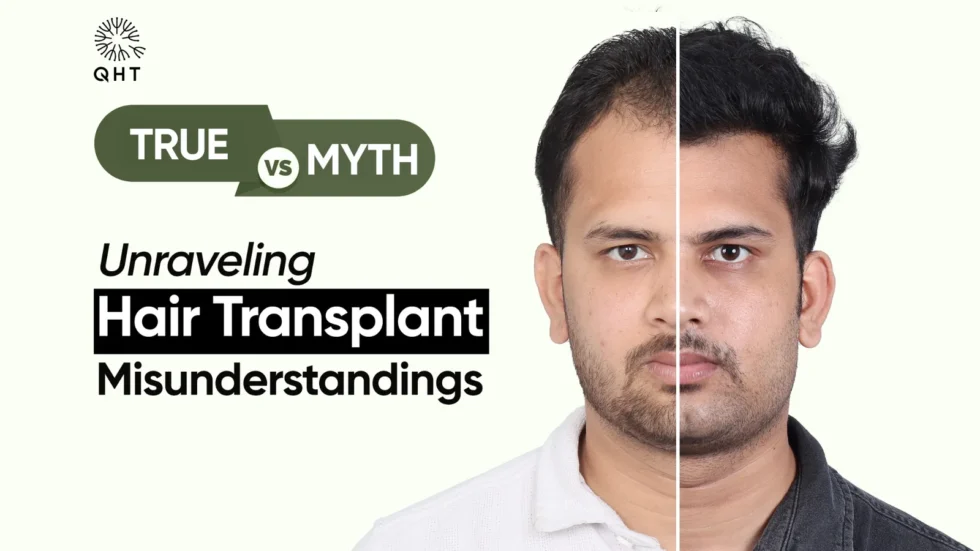
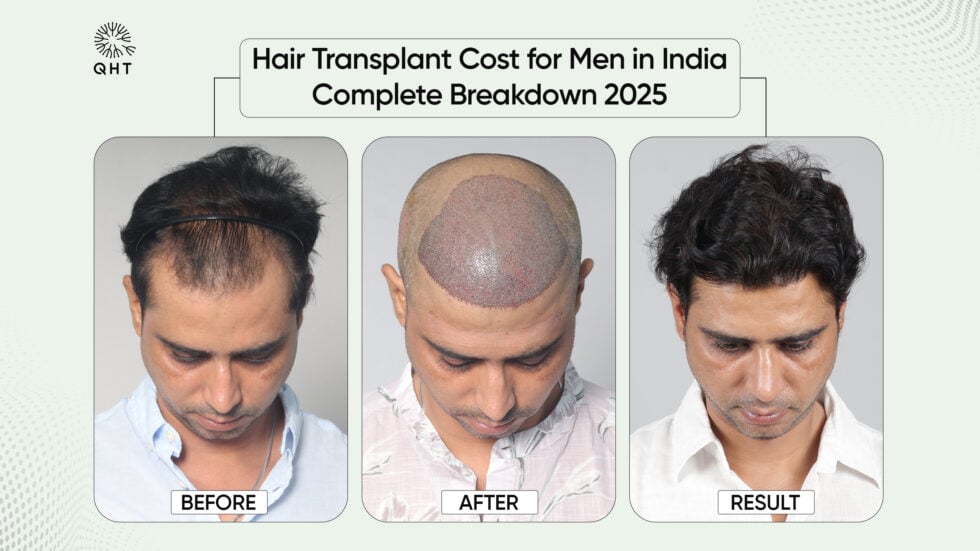
In the past, hair transplants were often criticised for being obvious or having an unnatural appearance. However, in recent times, due to the improvements in surgical techniques and increased accuracy, in conjunction with advanced artistic planning, many of those concerns are behind us today. The results of a hair transplant performed by a qualified surgeon, when done appropriately, can be difficult to detect even upon close examination.
Here at QHT we have witnessed hair transplants that look so natural, that even a hairdresser cannot tell if the individual had a transplant. In this blog, we will explore the factors leading to a natural hair transplant, its process and how to achieve long term results.
What Determines If a Hair Transplant Looks Natural?
The naturalness of a hair transplant is largely determined by how well the newly recreated hair resembles natural hair growth characteristics, such as the angle, direction, density, and distribution. If completed accurately, the newly transplanted hair should appear to blend in well with pre-existing hair while respecting the innate density of hair covering the scalp. Realistically, recreating hair requires more than just advanced tools and techniques; it requires surgical expertise, aesthetic judgement, and individualisation.
The main factors that induce natural results are:
- The technique of hair restoration (FUE, FUT, QHT)
- Hairline design and density planning
- Angle and direction of implantation
- Survival rate and implantation accuracy
- Post hair transplant care and recovery
Modern Techniques for Natural-Looking Hair Transplant Results
1. Follicular Unit Extraction (FUE)
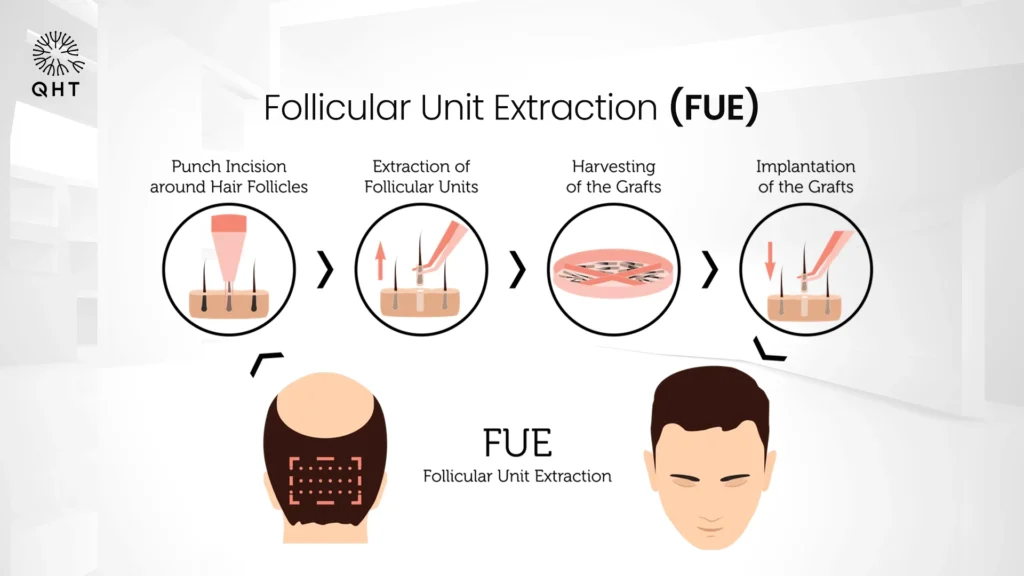
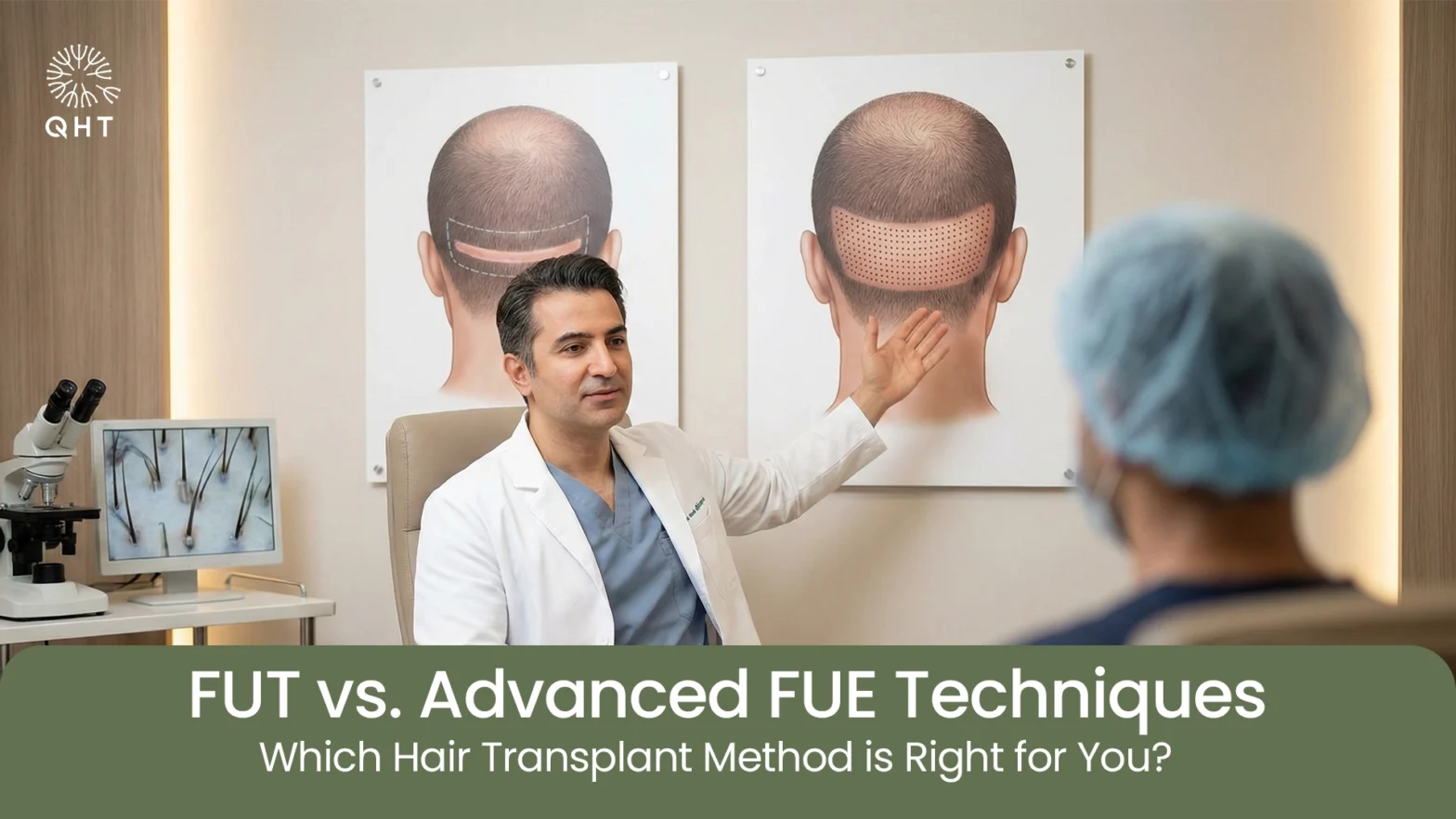
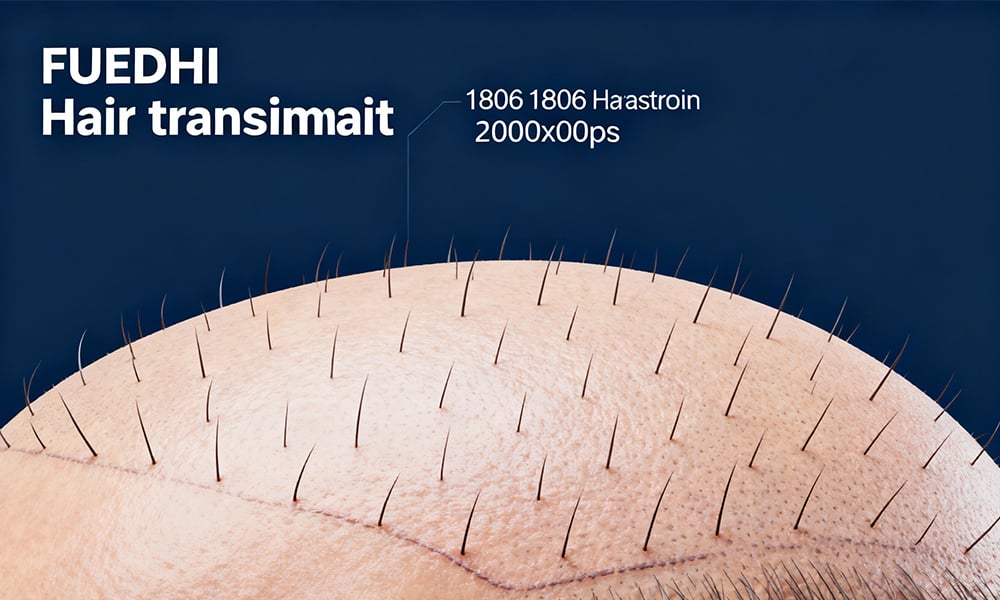
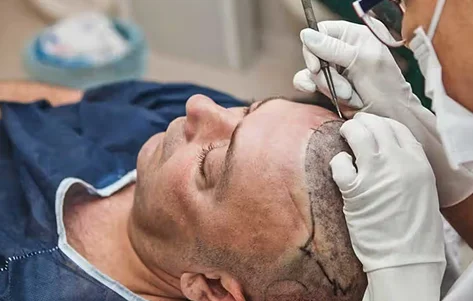
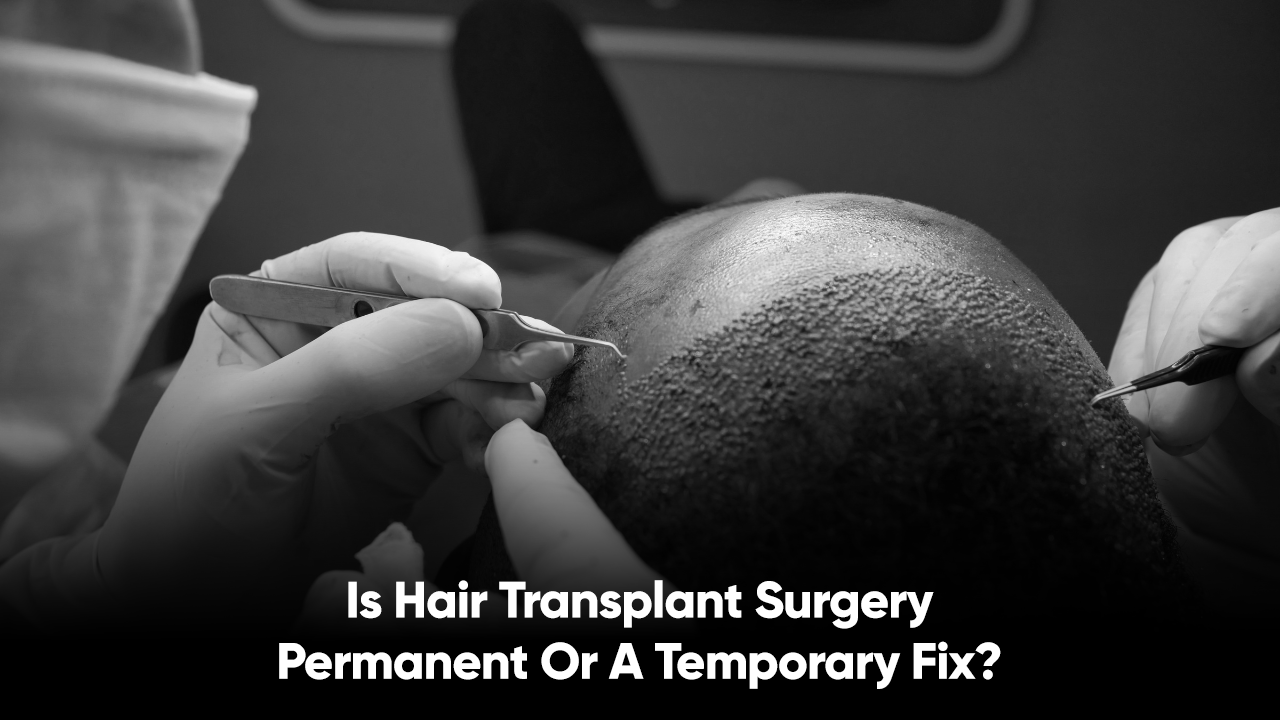
FUE is amongst the most popular techniques for obtaining natural hair transplant results. The technique involves harvesting a single follicular unit from the donor area and implanting the grafts into an area that is thinning or bald.
Since the technique does not involve linear incisions, it leads to minimal scarring and facilitates the placement of grafts at a desirable angle and depth to mimic natural hair growth. When FUE hair transplant is performed properly, a natural and dense coverage of hair is achieved, which is indistinguishable from natural hair.
2. Follicular Unit Transplantation (FUT)
During the surgical FUT procedure, a small strip of scalp with healthy hair follicles is excised from the back of the scalp and placed under a microscope to isolate a single hair follicle graft or multiple grafts. FUT may leave behind a faint linear scar, but it remains a great option for patients who are looking for larger numbers of grafts, and for a more consistent density across the surgical area.
The natural “look” and “feel” of a hair transplant lies in the distribution of the grafts. A competent surgeon will distribute grafts with precision and make sure that the transplant looks natural.
3. Quick Hair Transplant (QHT)
The signature Quick Hair Transplant (QHT) process offers all of the advantages and precision of FUE, along with the latest technology and techniques. The extraction and implantation processes happen nearly in real time, rather than in series, which minimises the time of graft exposure to ambient conditions and improves graft survival rates.
The technique uses sapphire implantation tools and high-powered magnification tools, which allow the surgeon to precisely control the angle, depth and direction of each graft to anatomically replicate natural growth patterns. The result is improved density of coverage, decreased recovery time, and a softer, more natural-looking outcome that blends in with the patient’s existing hair.
Why Does Hairline Design Matter Most?
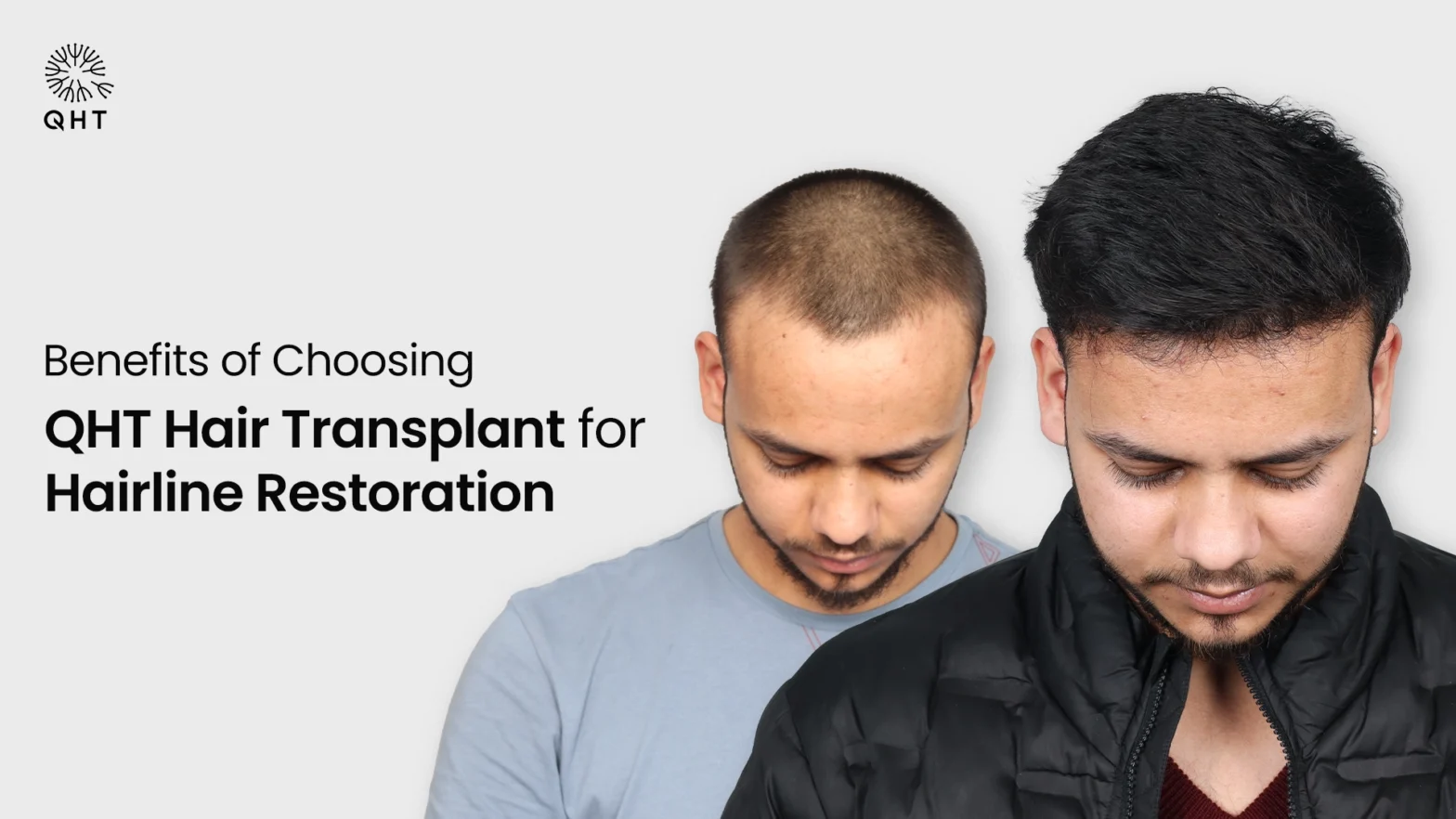
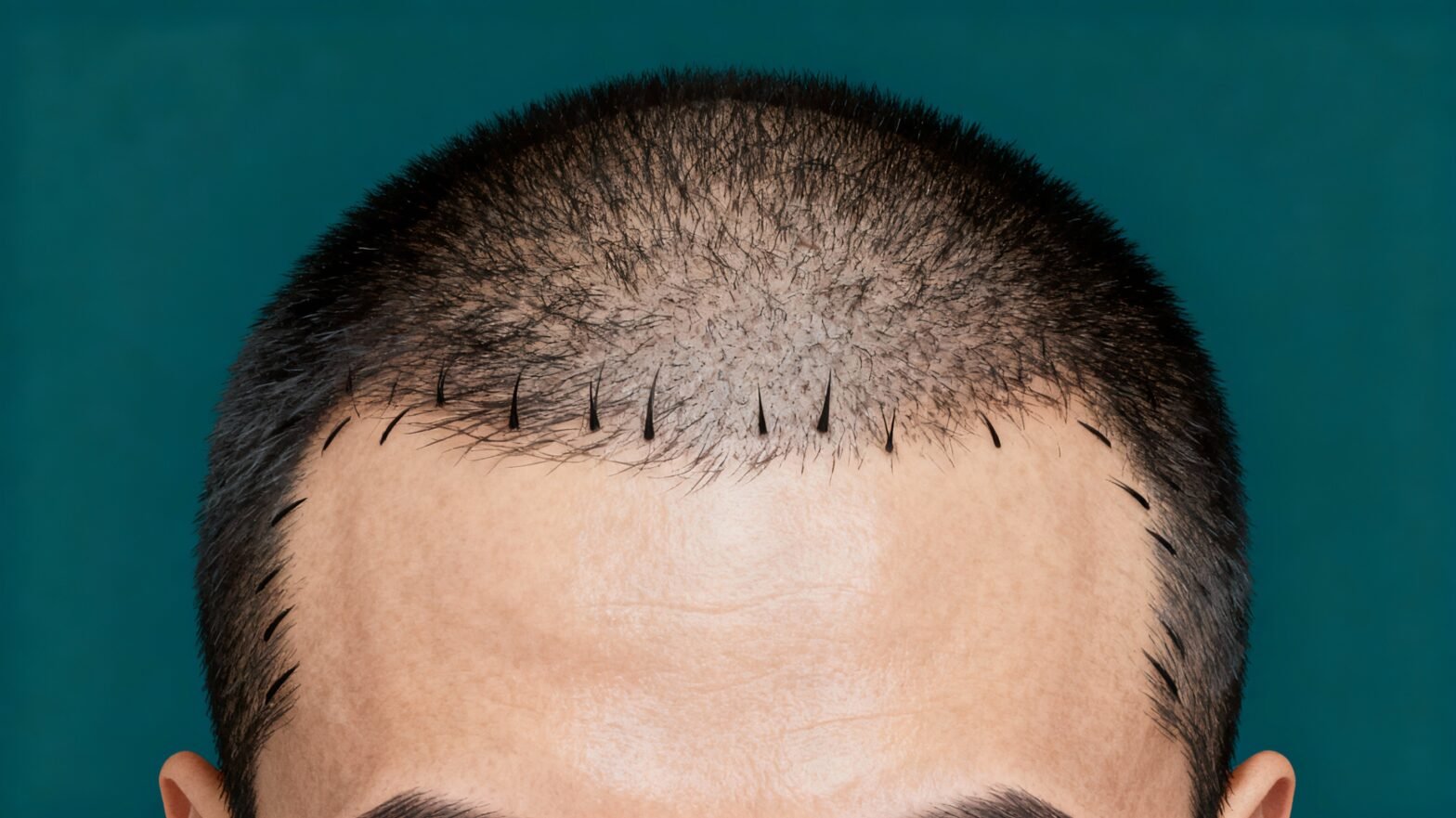
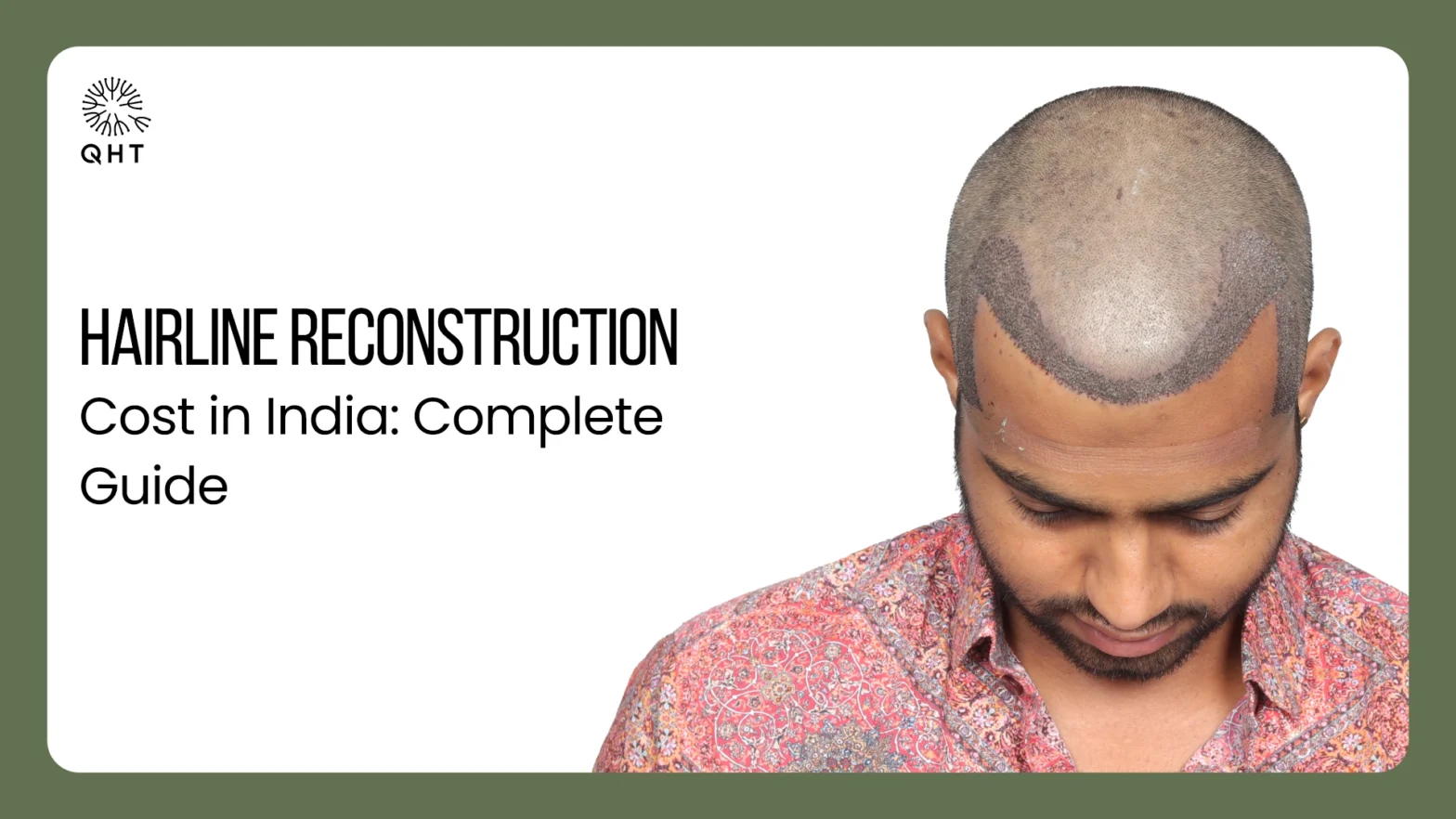
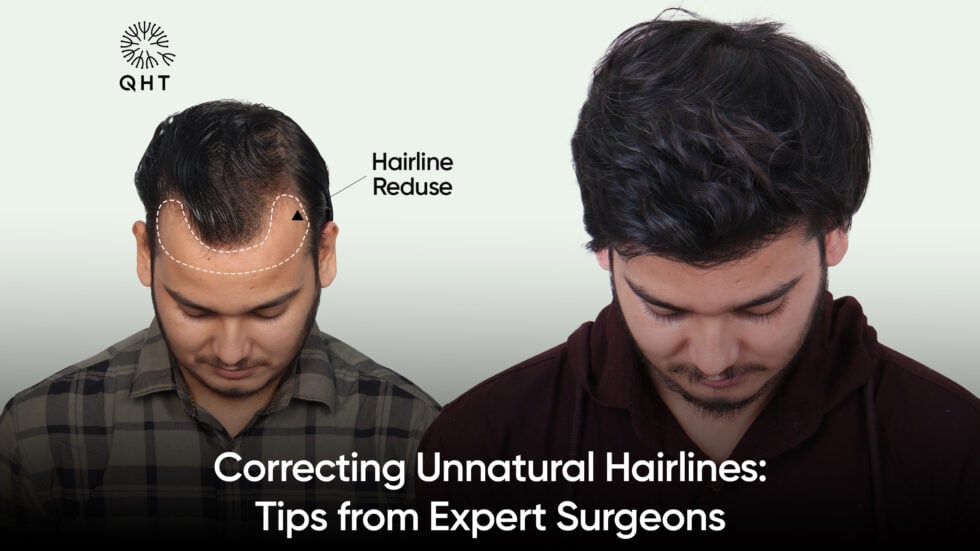
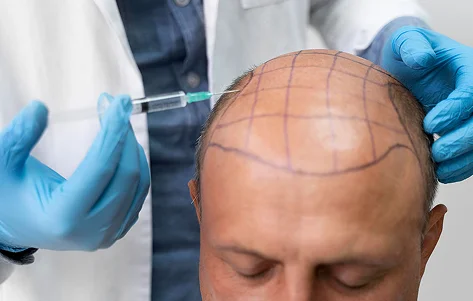
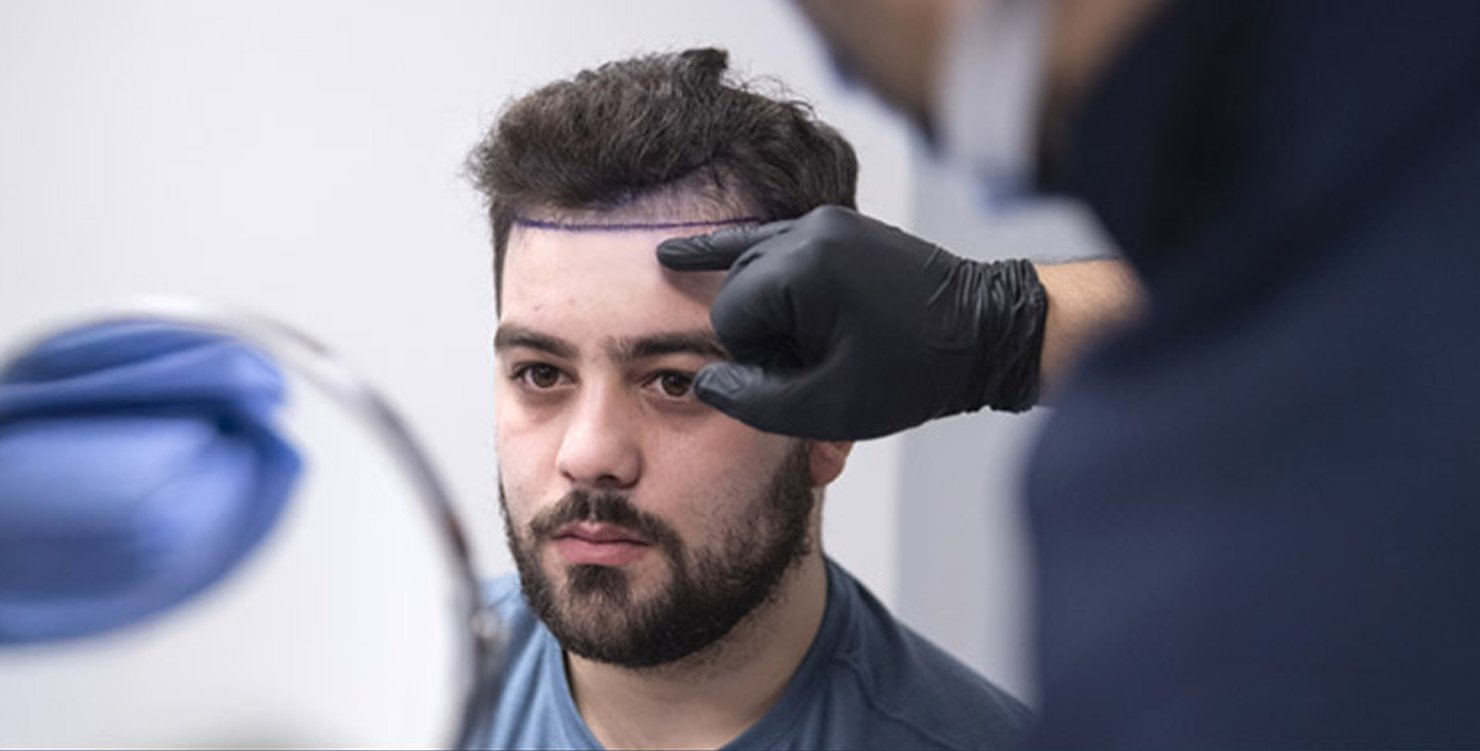
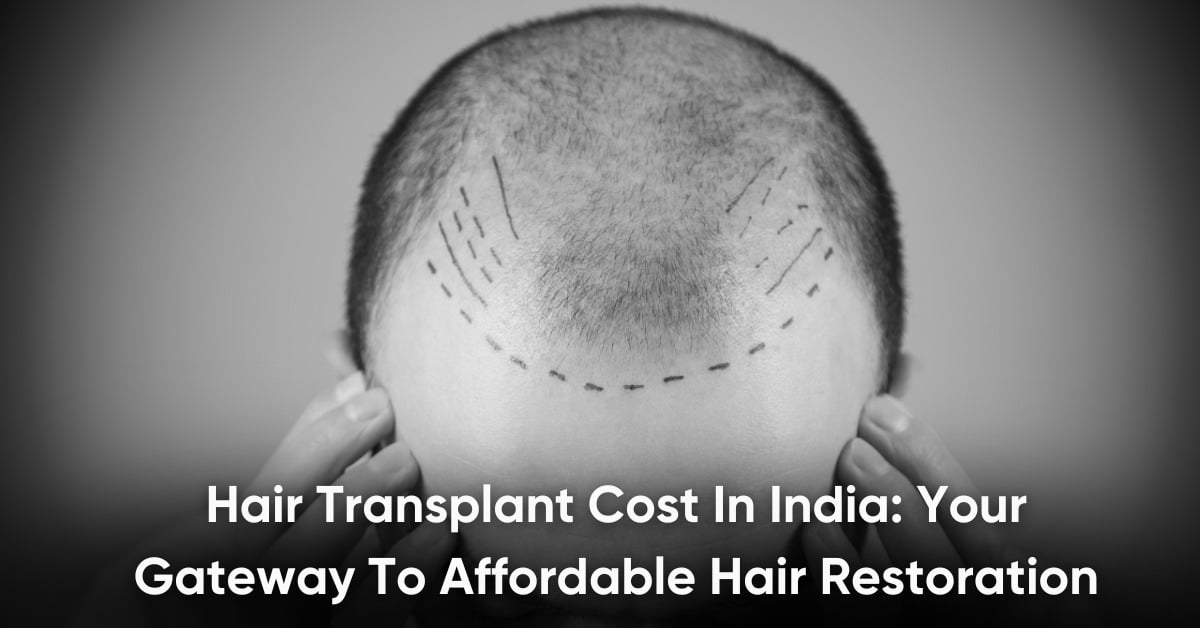
The hairline is the most noticeable part of any hair transplant- and the most important part that determines natural-looking results. A natural hairline does not have a straight or defined edge; it is somewhat irregular, just like hair naturally grows in different directions and densities. At QHT, surgeons design hairlines based on personal facial characteristics, age, and expectations of future hair loss patterns.
A well-designed hairline:
- Take into consideration the ratios of the forehead to create balance and proportion.
- Utilises single-hair grafts at the hairline to create a natural transition.
- Increases density with a slight gradation as the hairline moves back.
- It is oriented with the natural hair direction and texture.
When these factors are thoughtfully taken into consideration and performed, the outcome will be 100% successful and will look as if it is yours naturally.
The Role of Donor Hair in Natural Results
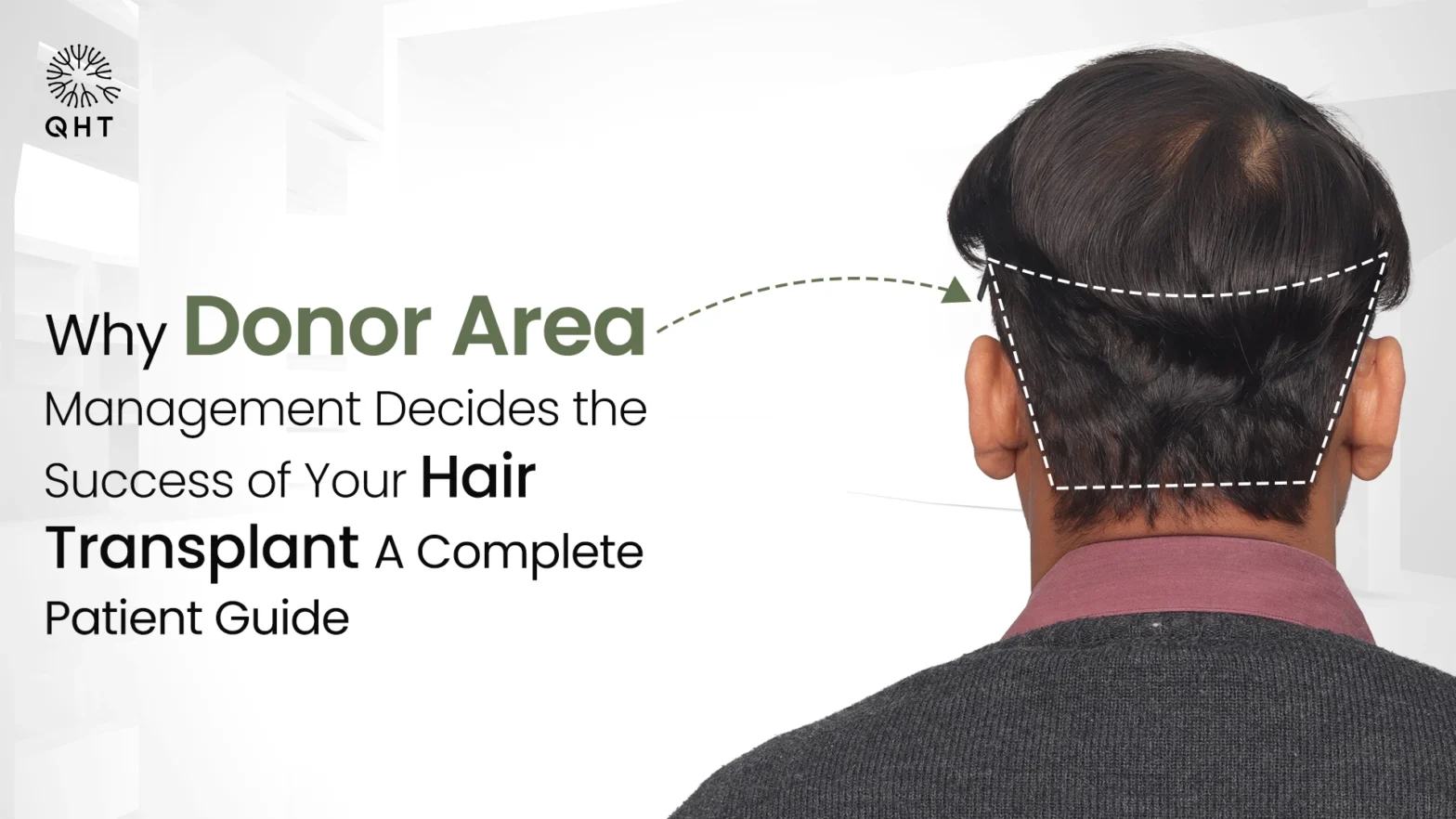
The donor region, which is the back and sides of the scalp, provides the hair follicles for the transplant. The quality, texture, and density of the donor hair are critical aspects in developing a natural-looking result.
If the donor hair is significantly different from the hair in the recipient area in regard to texture or thickness, the grafts may not match evenly after the transplant. This is why surgeons select grafts that resemble your natural hair characteristics, as well as their placement, prior to placing the grafts.
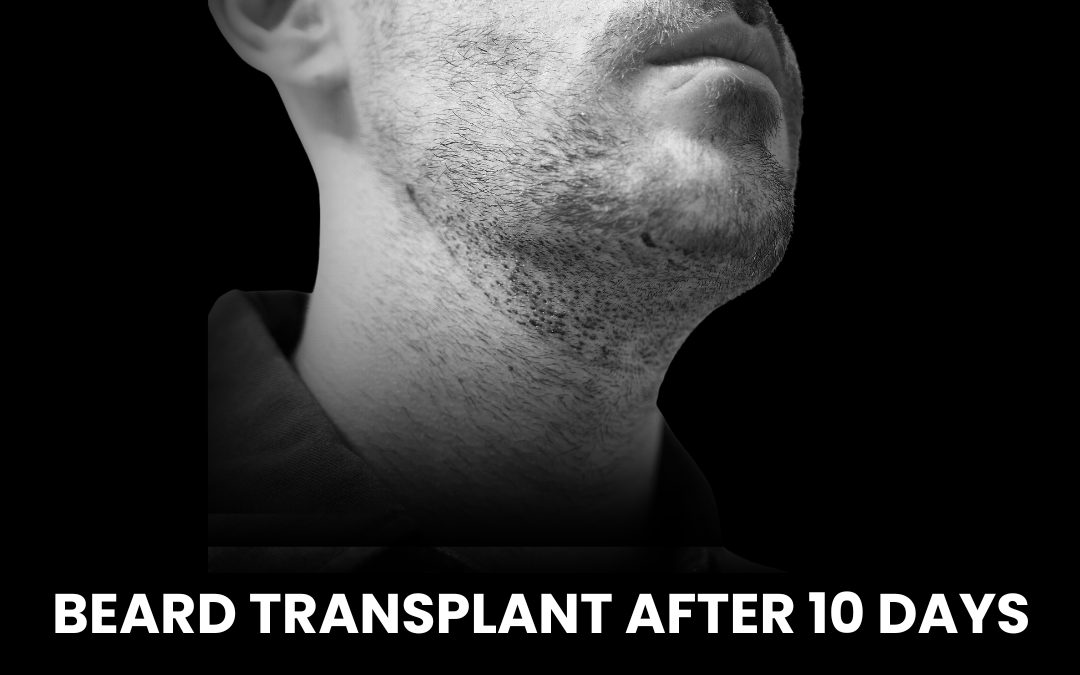
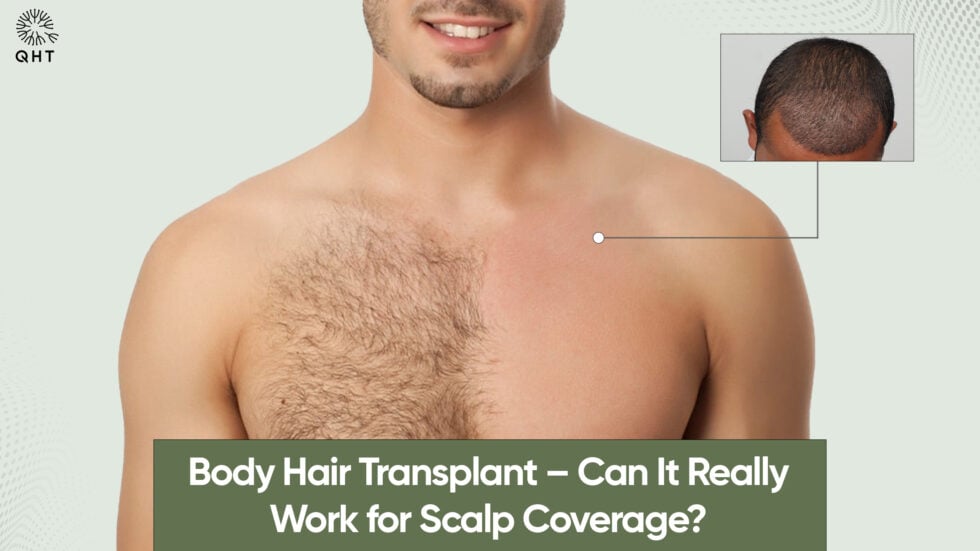
When the scalp donor supply is small, occasionally, body hair transplantation (from the beard or chest) can complement the graft supply. It takes intense planning to give a natural appearance.
Precision in Angle, Direction, and Density
Every hair on the scalp grows at an angle and direction of its own. Recreating this natural pattern is one of the most complex challenges of the procedural details.
An experienced surgeon will implant each graft at an appropriate angle and orientation to blend in with the surrounding hair. For example:
- Hair texture in the frontal area lies almost flat to the scalp.
- Crown hair texture grows in a swirl pattern.
- Temporal hair texture grows at a steeper angle.
Aligning these patterns is essential for transplanted hair to settle naturally and blend with existing hair, allowing the hair to remain natural under any lighting or wind circumstances.
Density planning- the number of grafts per centimetre squared- is equally critical. A density that is too high can damage the hair follicles; however, a density that is too sparse may look like your hair follicles looked before, sparse or patchy. At the same time, expert surgeons manage to stay consistent with digital density mapping equipment to plan a way to provide both consistent natural thickness and long-term survival of hair follicles.
Importance of Surgeon’s Skills
Even with the latest tools and technology, the experience and artistry of the surgeon are important in determining how natural your transplant appears. A skilled surgeon doesn’t just implant hair; they sculpt it. They will develop an understanding of facial integrity, anticipate future losses of hair, and create results that look natural as you get older. Conversely, a poorly executed procedure may lead to improperly placed grafts, unnatural density of grafts, or visible scarring.
At QHT, our surgeons blend leading-edge medical experience with aesthetic precision so that each graft enhances your appearance as a whole, not just fills in bald spots.
Post-Transplant Care

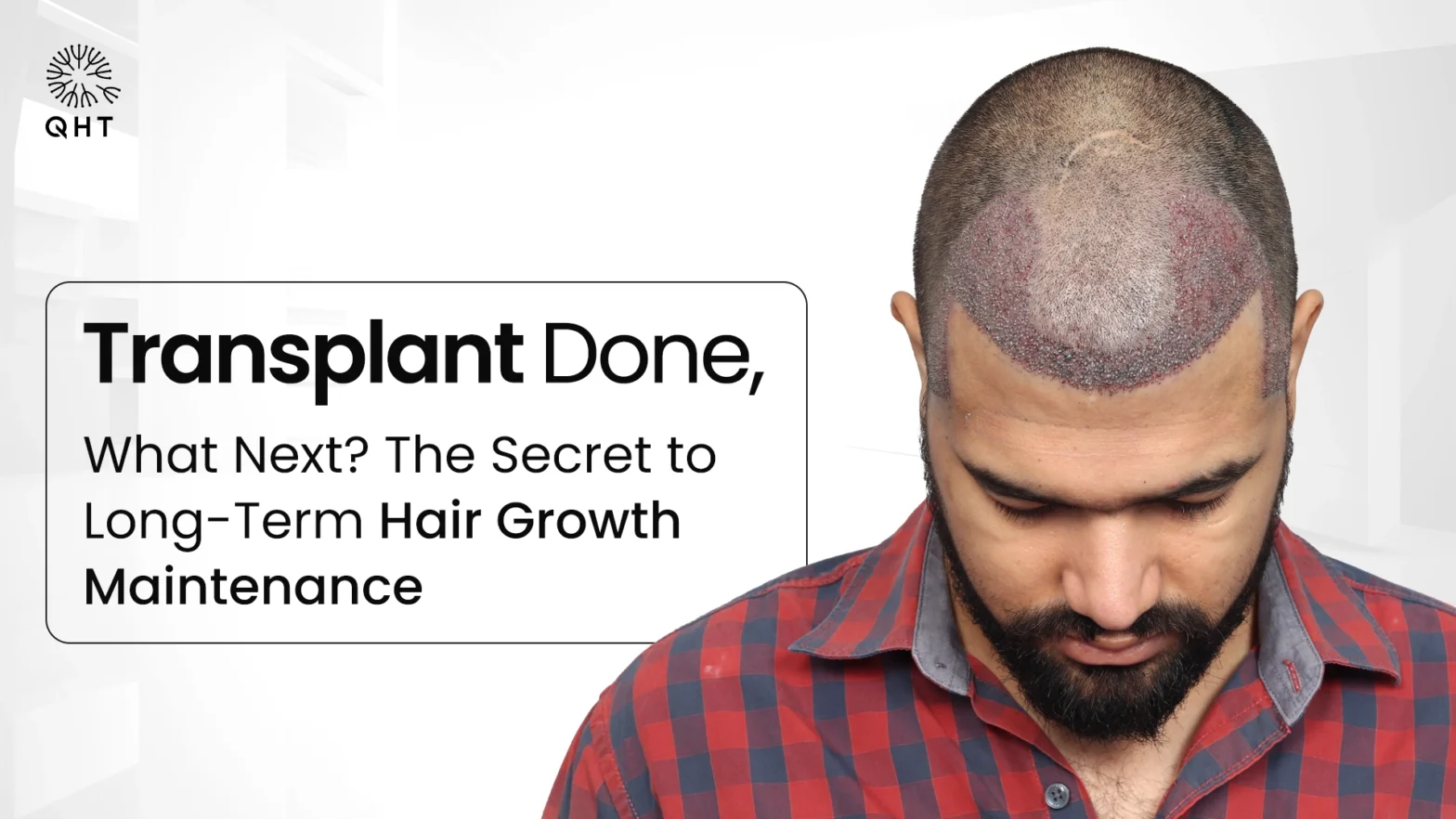
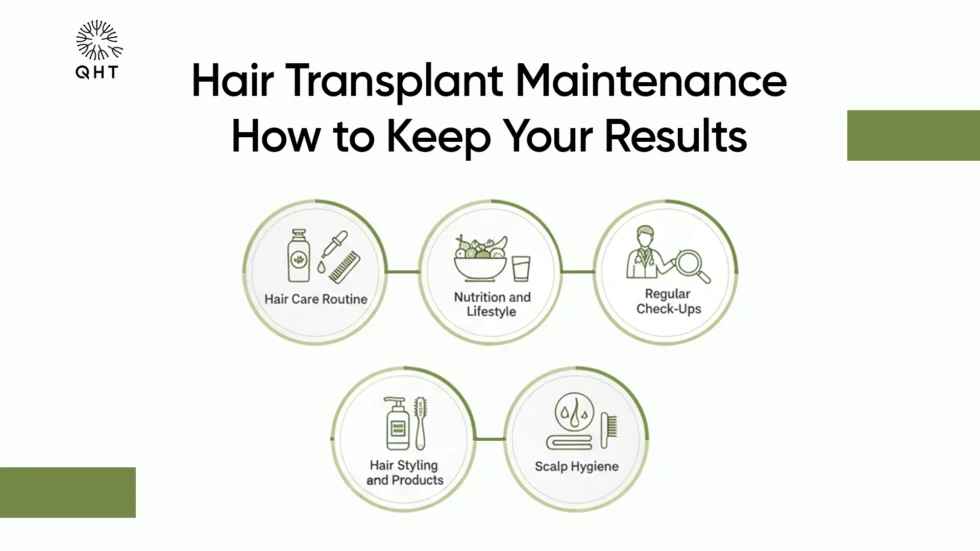
Whether highly sophisticated or less complicated, hair transplants always require dedicated aftercare to achieve natural-looking results. Following the instructions from your surgeon carefully can prevent complications and allow the grafts to heal and grow as desired.
- Immediate Care- Following your procedure, for the first few days, you need to protect the transplanted area. You must avoid any touching, scratching, or rubbing to prevent dislodging of the grafts. You should sleep on your back, elevated as much as possible to avoid swelling. Use hair care products as prescribed by your surgeon to avoid any side effects. Gentle use of these products will ensure clean healing and protection of the newly implanted follicles.
- During Healing- Once the scalp starts to heal, avoid vigorous exercise, direct sun, or swimming or soaking in water for at least two to three weeks. These activities can irritate the scalp and interrupt healing. Also, continue any prescribed medications as directed to help reduce inflammation, as it will aid in recovery and help the grafts settle in place.
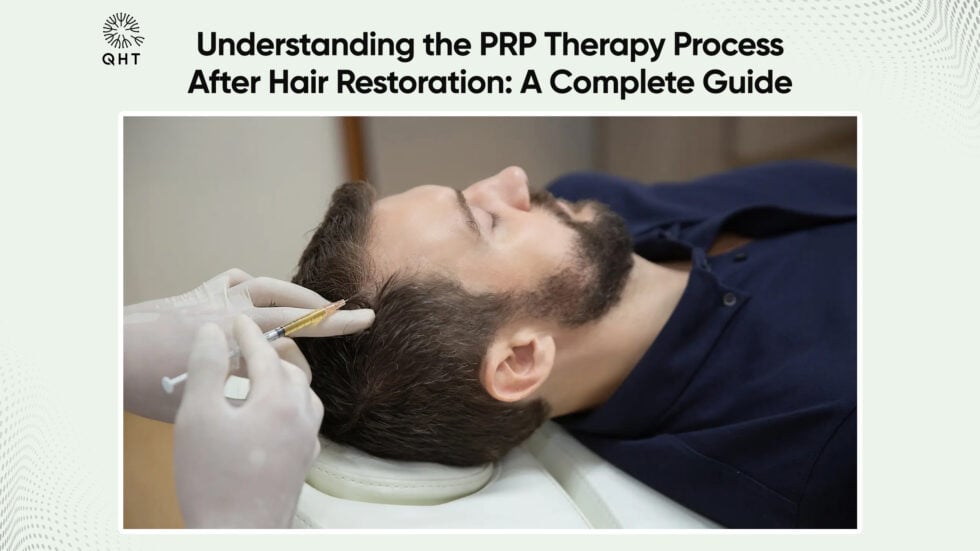
- Long-Term Maintenance– Healthy, long-lasting outcomes depend on consistent scalp care. You should eat a balanced diet, where each meal is rich in protein, vitamins, and antioxidants; this will give your follicles nourishment from the inside. Stay regular with your follow-ups and undergo PRP therapy if prescribed by your attending surgeon. Finally, don’t smoke, and be cautious with heat-styling tools as they can deteriorate hair quality over time.
How QHT Ensures 100% Natural Hair Transplant Results?
At QHT, we develop all procedures with one fundamental principle- authenticity. We aim to provide an outcome that looks natural and accurate.
- Tailored hairline design techniques based on perceived age and facial symmetry.
- Advanced QHT technique to extract and implant hair simultaneously for enhanced graft survival.
- Delicate graft management to maintain follicle integrity.
- Sapphire and high magnification tools for implantation to modulate angle, direction, and depth.
- Post-operative care with PRP and follow-up visits to enhance consistency of growth.
Each phase of the procedure- from planning to final regrowth—is assisted with care and empathy to achieve results that are not only natural but also precise.
Conclusion
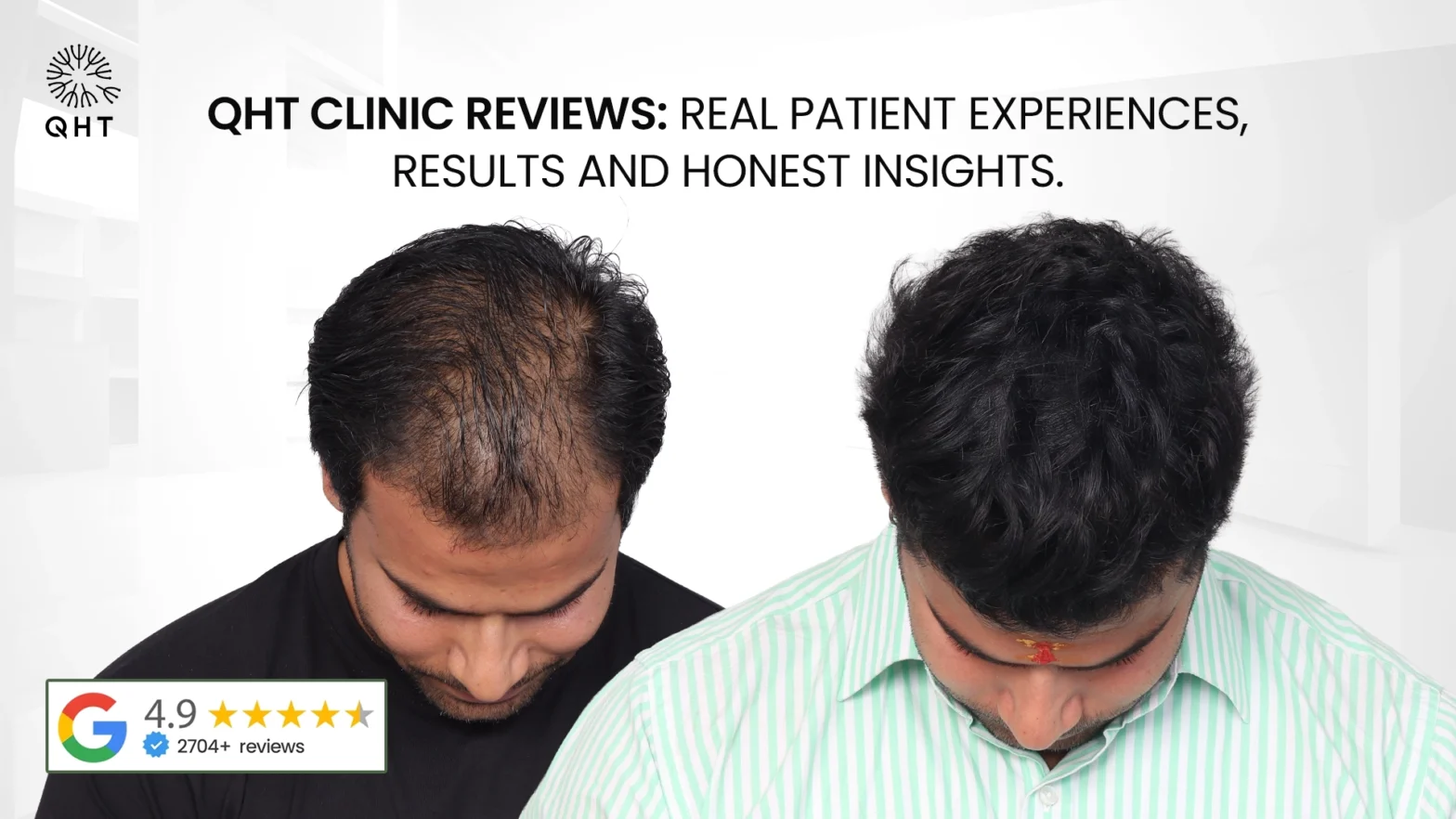
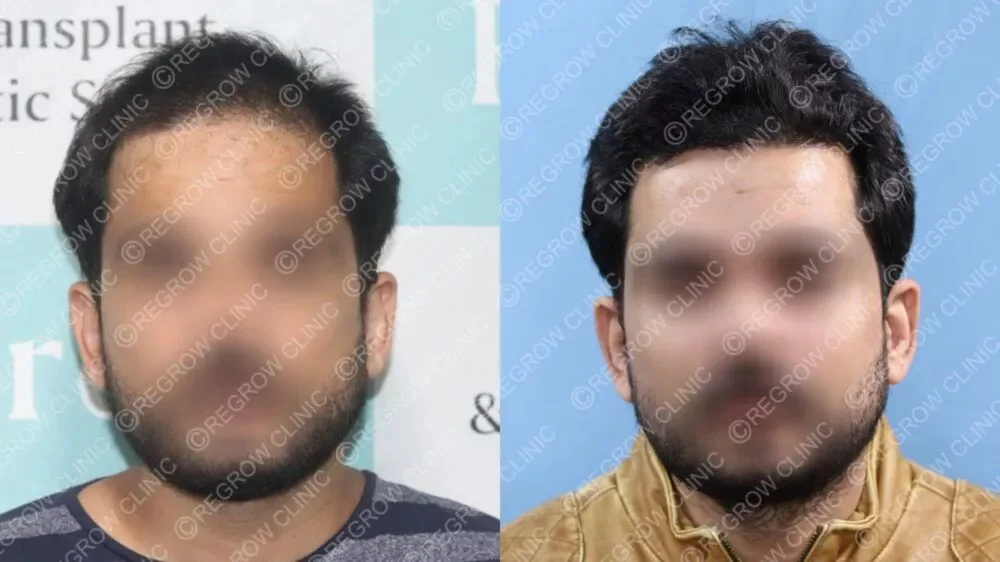
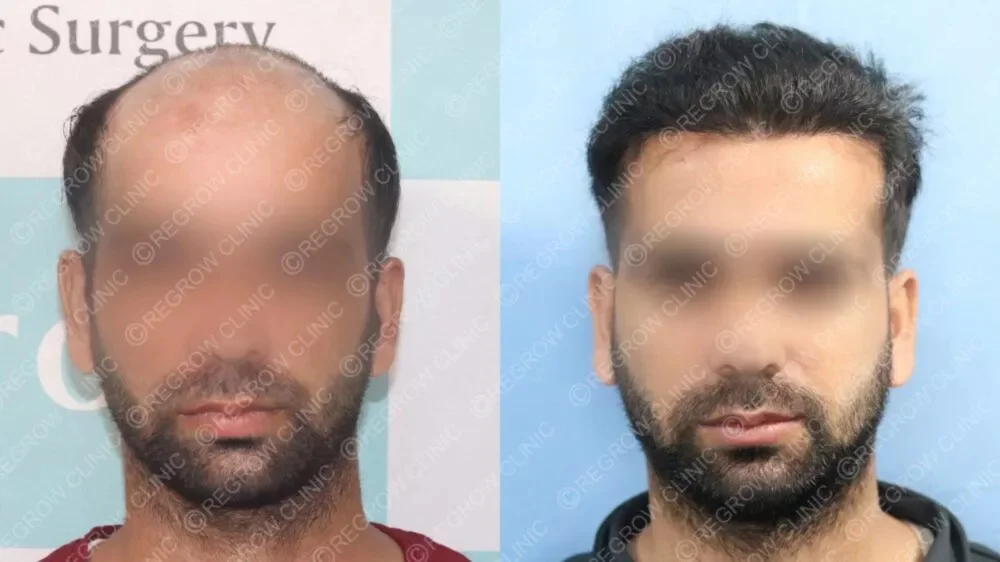
So, is it possible for a hair transplant to look 100% natural? Yes! Where science and skill meet, there are natural results—and the driving force behind a natural result is a combination of skilled surgeon, artistic placement, and consideration for your individual hair texture and pattern of growth.
With modern methods such as QHT’s Quick Hair Transplant, today we can create an outcome that is perfectly undetectable and blends seamlessly with your hair. At QHT, every transplant is done with precision, artistry, and care to restore not only hair but your confidence, too.
Book a Consultation Today
Latest Videos
-

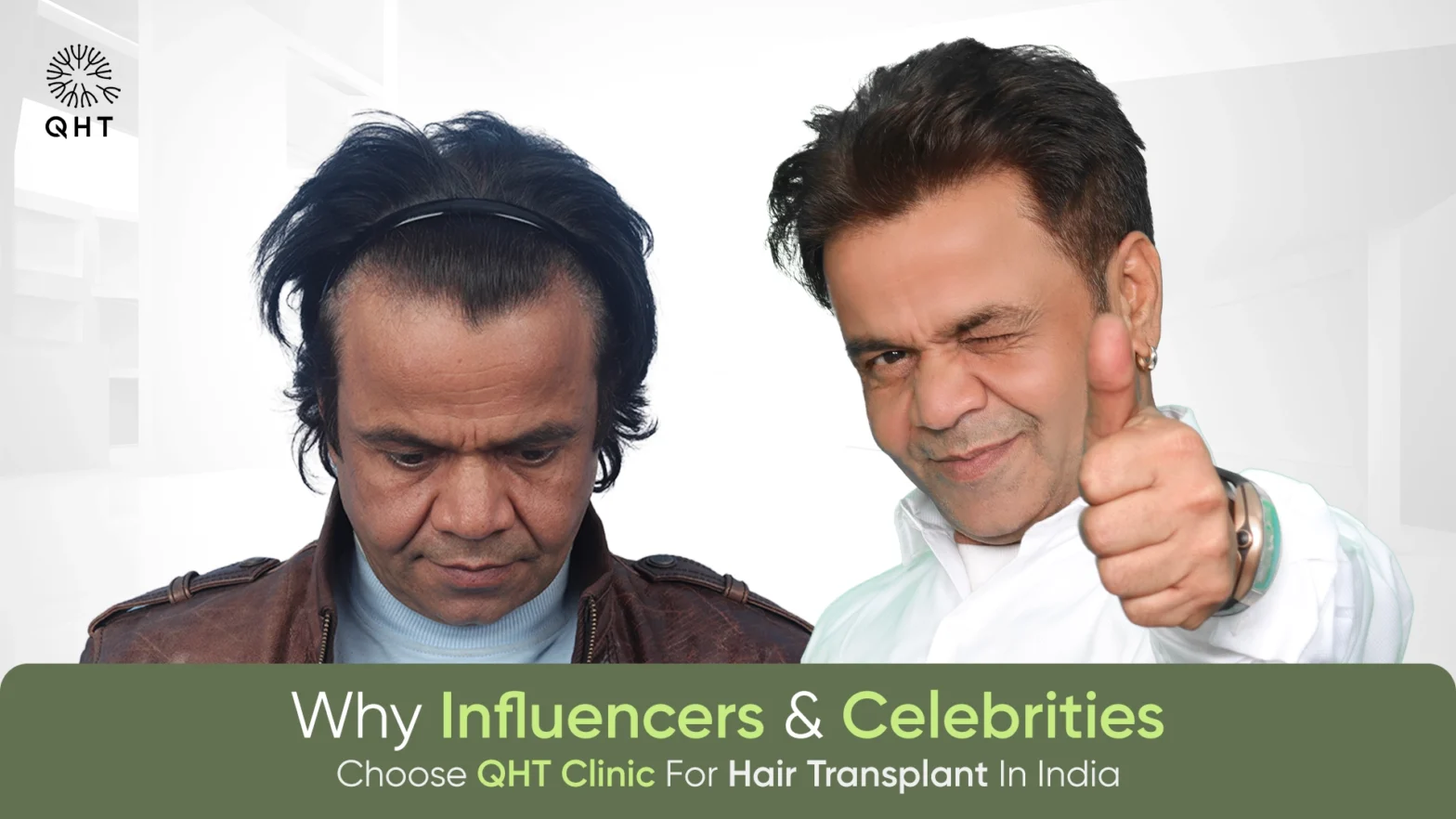
Rajpal Yadav | Bollywood Actor Hair Transplant Journey at QHT Regrow Clinic Haridwar
Click to Watch
-

FUE Hair Transplant Results | DAYA's FUE Hair Transplant Results
Click to Watch
-

Best Hair Transplant Result 2021 || NW Grade VI A || 3,422 Grafts
Click to Watch
-

Best Hair Transplant Result 2022 | Grade 4
Click to Watch
-

YouTuber Mehtab Saifi Hair Transplant
Click to Watch
-
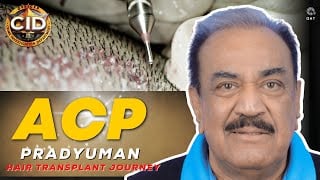
ACP Pradyuman Hair Transplant - Actor's Hair Transplant
Click to Watch