



From Shedding to Shining: Managing Shock Loss After Hair Transplant
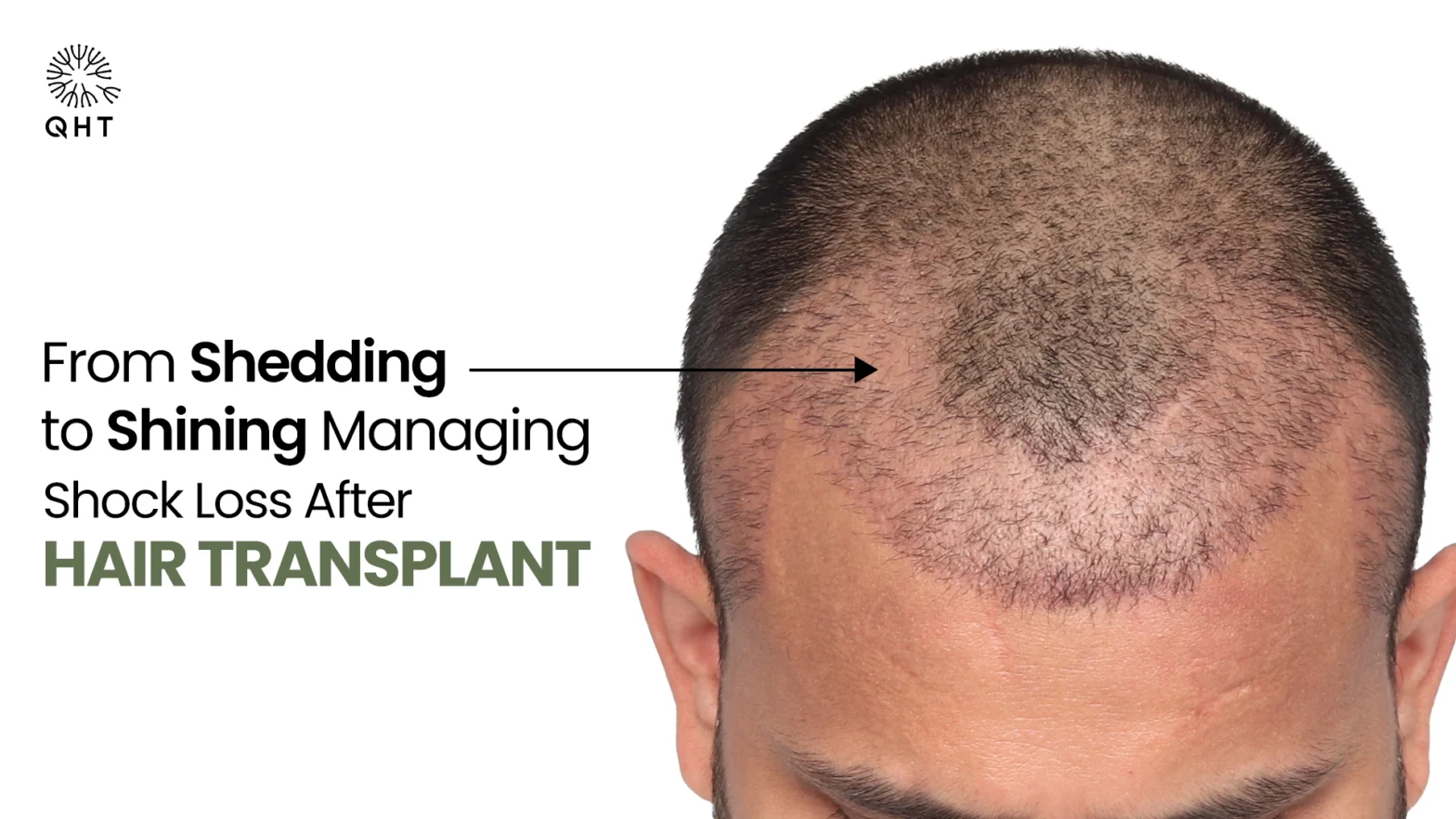
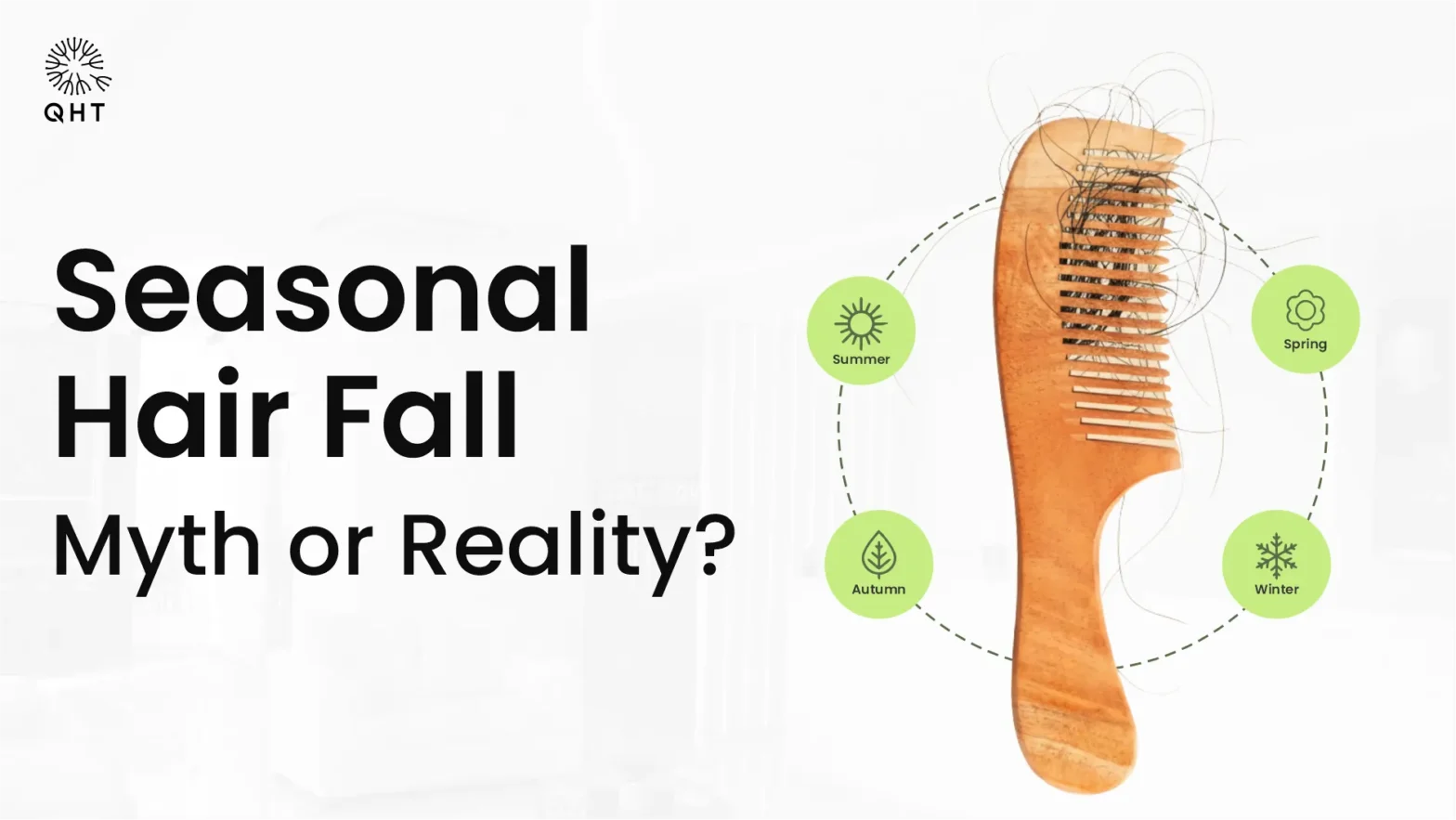
For a lot of people who undergo a hair transplant, the first few weeks after the procedure are filled with excitement and anticipation. You made an investment in restoring your hair, and naturally, you want to see some progress. It surprises many of the patients when, a few weeks after the hair transplant, their new hair begins to fall out. This momentary experience, often referred to as shock hair loss, is a completely normal (and, arguably, necessary) part of the recovery stage.
Shock hair loss is the loss of the hair that was transplanted, or other nearby native hair, which takes place shortly after hair restoration procedures. Although the term shock clearly has a negative connotation, this hair loss is, in fact, a biological reset – your scalp’s natural way of responding to the trauma of surgery and normalising the area for new, thick, strong hair to begin growing.
And the good news is that shock loss is temporary. What follows is a continuous cycle of future regrowth, resulting in newer, thicker, and healthier hair over a period of months.
Shock Loss After Hair Transplant: Why Does It Happen?
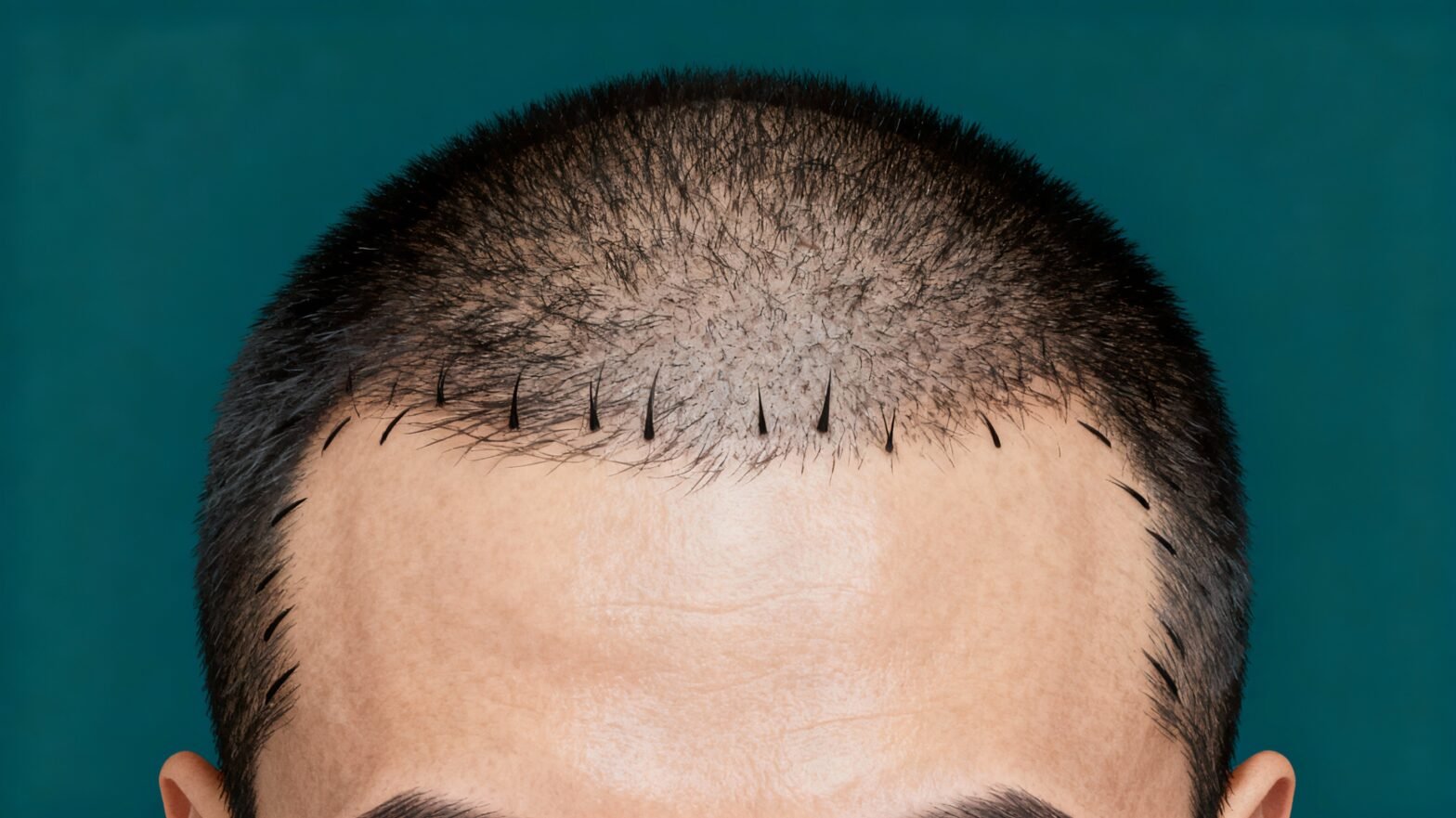
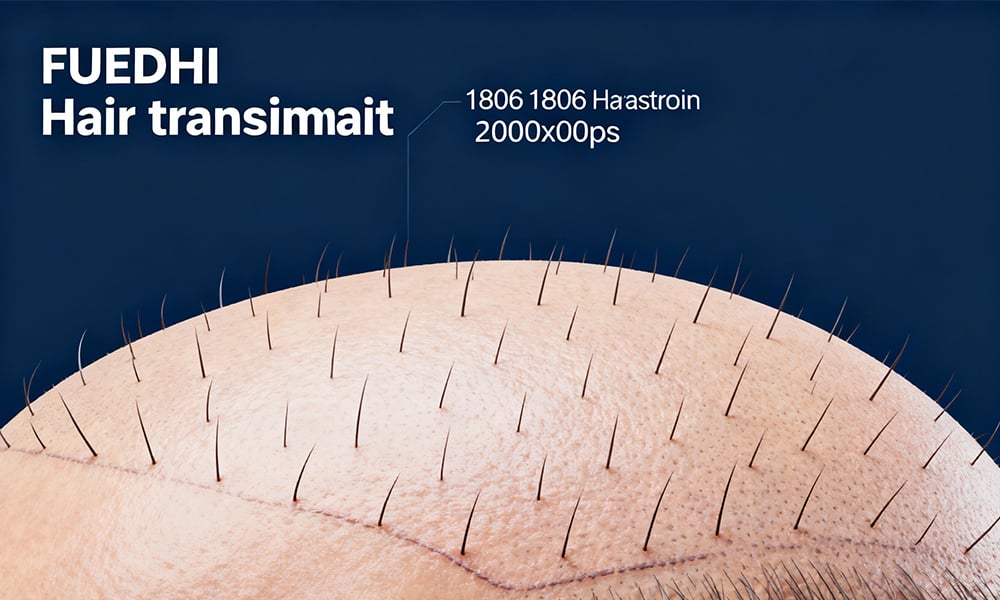
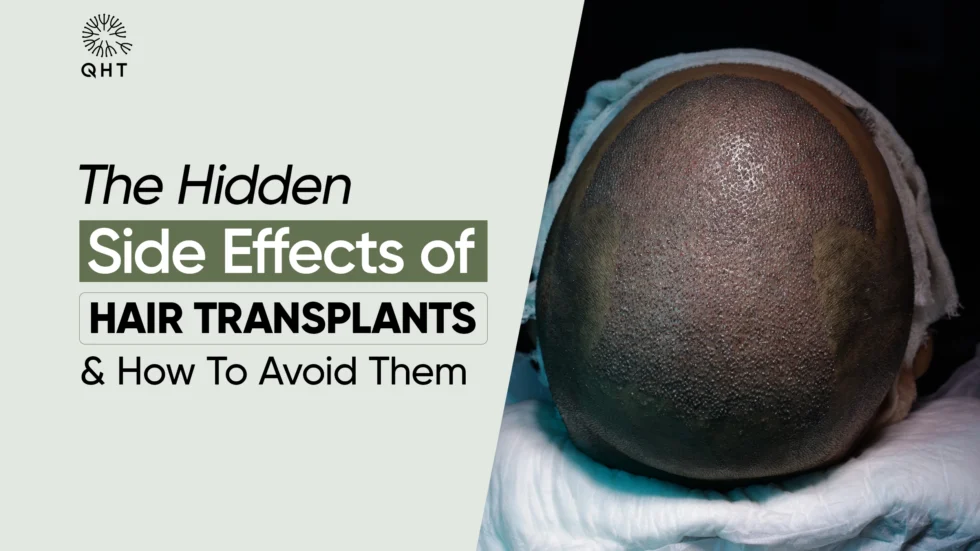
To determine shock loss after a hair transplant, we need to take a look at the follicles’ response to stress. The scalp experiences microtrauma during the transplant process- even using minimally invasive methods such as advanced FUE (Follicular Unit Extraction). This involves making tiny incisions to implant grafts, which will disrupt blood flow to the follicle and the natural growth cycle.
Hair follicles go through three different phases:
- Anagen (Growth Phase)- The active stage of hair growth.
- Catagen (Transition Phase)- The follicle ceases to grow and disconnects from its blood supply.
- Telogen (Rest Phase)- The hair falls out, allowing the scalp to regrow new hair.
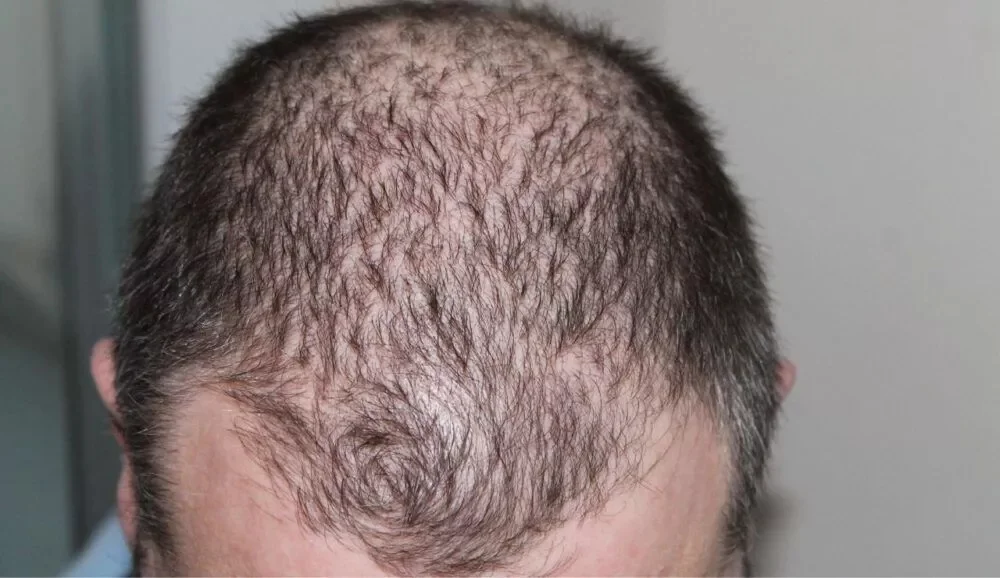
Shock loss occurs when the transplanted and surrounding hairs strangely enter the telogen phase due to stress from the surgery. This is essentially the scalp “resetting” itself before the new hair is ready to grow in. The loss appears between 2 and 6 weeks post-procedure and can last for a couple of weeks. It may feel discouraging, but it means the safe and healthy follicles have survived and strengthened for hair to continue growing.
Post-Transplant Hair Loss: What’s Normal and What’s Not
Every individual undergoes a different healing process, but knowing what is considered normal or concerning can greatly de-stress the recovery experience.
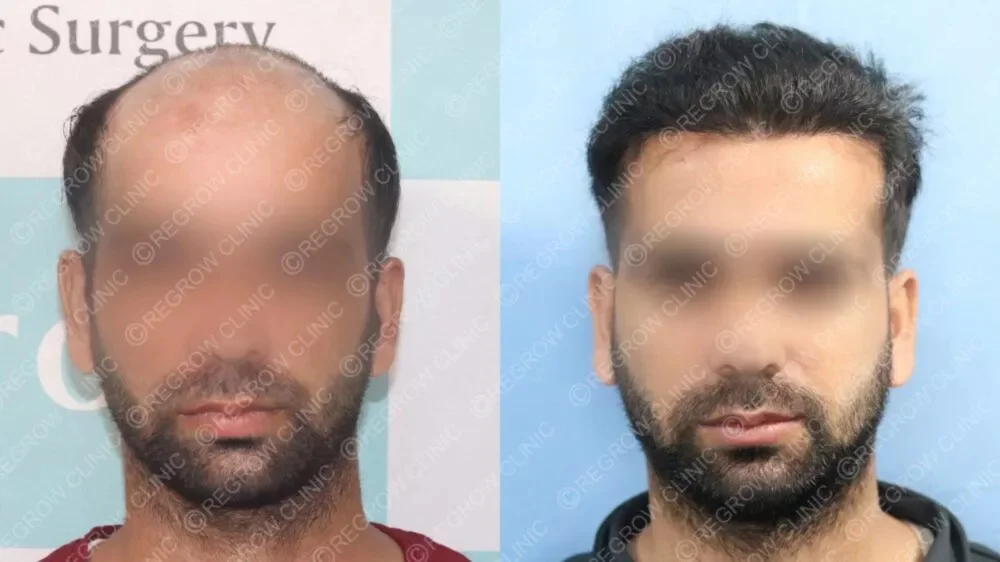
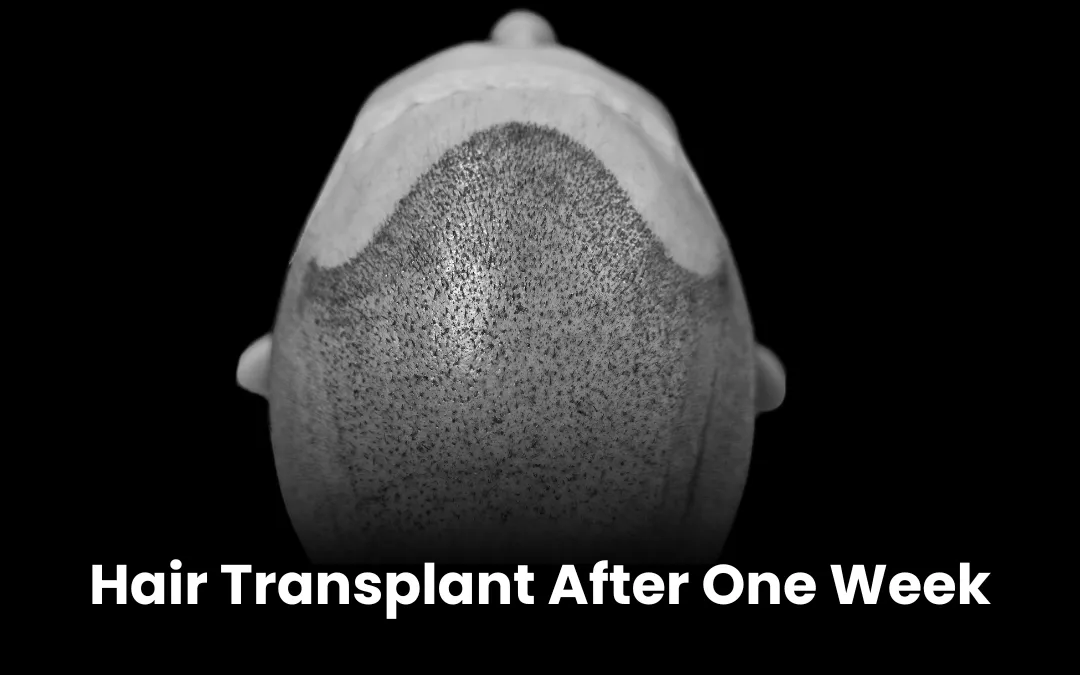
The shedding process generally occurs around two to three weeks post-surgery. Shedding hair is normal and indicates that the scalp is transitioning into the healing phase. You may also notice some mild itching or flaking — both normal healing signs as your scalp adjusts to the new grafts. Hair regrowth will generally happen between 4 and 6 months post-procedure, and these new hairs will begin to emerge with the native hair.
However, it is equally important to be aware of potential red flags that may suggest complications. For example, continued redness, swelling or pain after two weeks may be a sign of infection or irritation. Sudden hair loss outside the transplant area, or pus and unusual discharge, should also be noted. Similarly, if you notice prolonged shedding beyond three to four months, with no signs of regrowth, it may become necessary to see your hair transplant specialist.
Early identification of complications can help restore your progress and ensure a healthy scalp and long-term results.
Timeline of Recovery: From Shedding to Regrowth

If you understand the normal sequence of your transplant recovery, you will be more patient and more optimistic about the outcome. Below is what most patients experience:
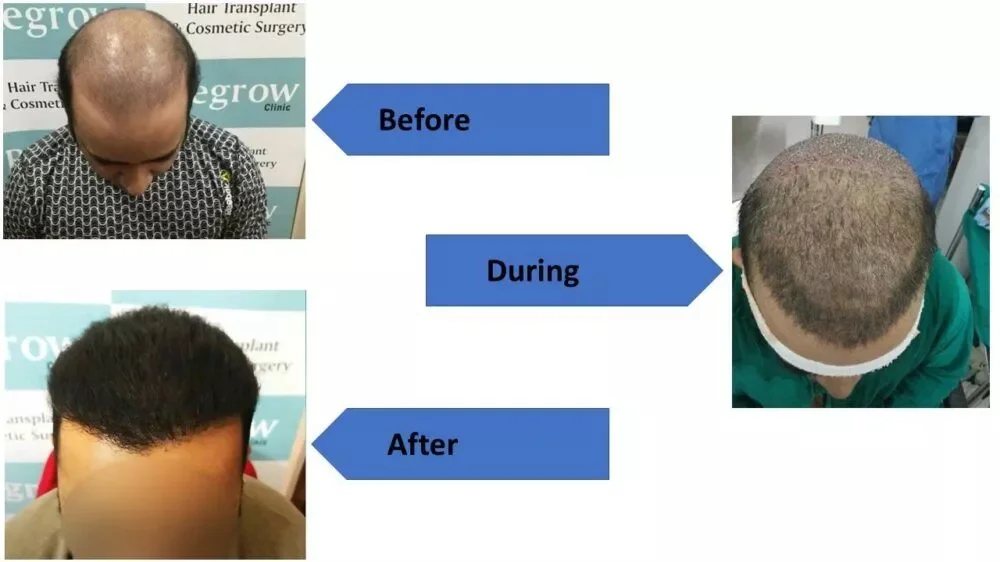
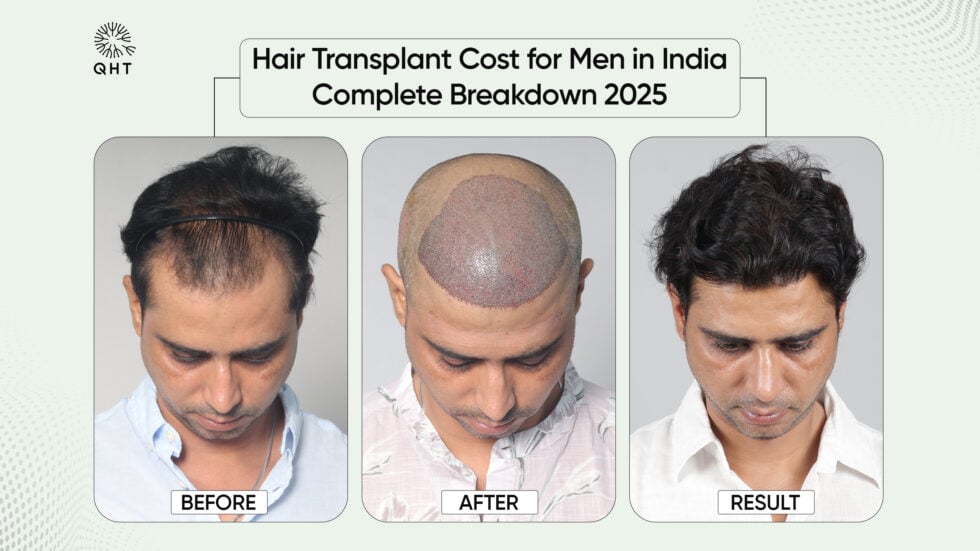
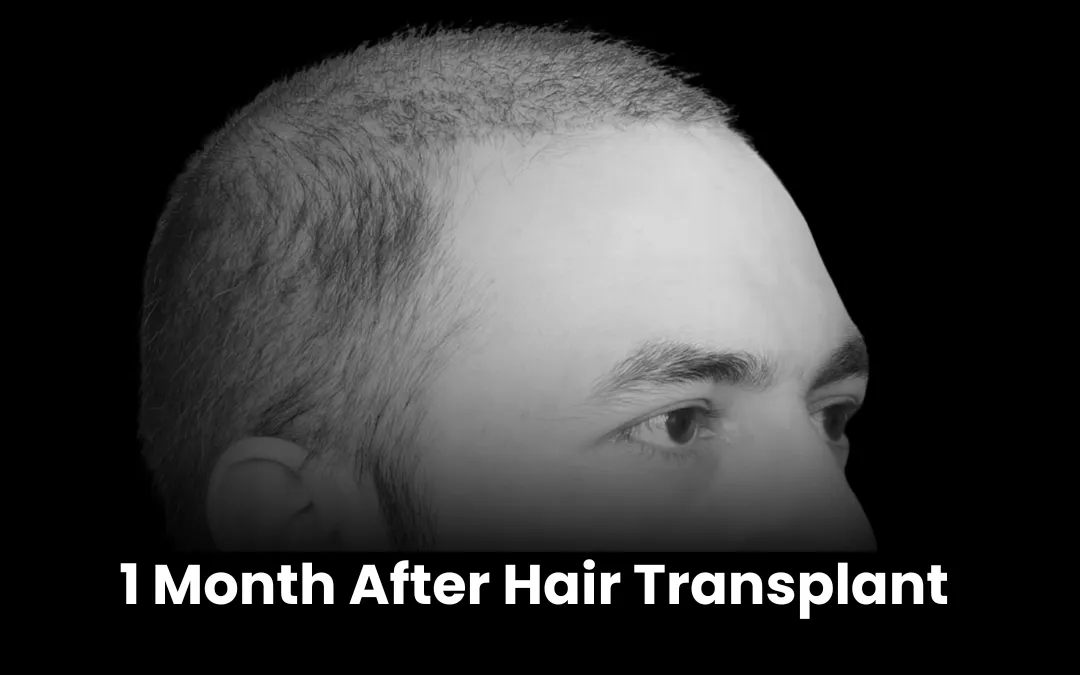
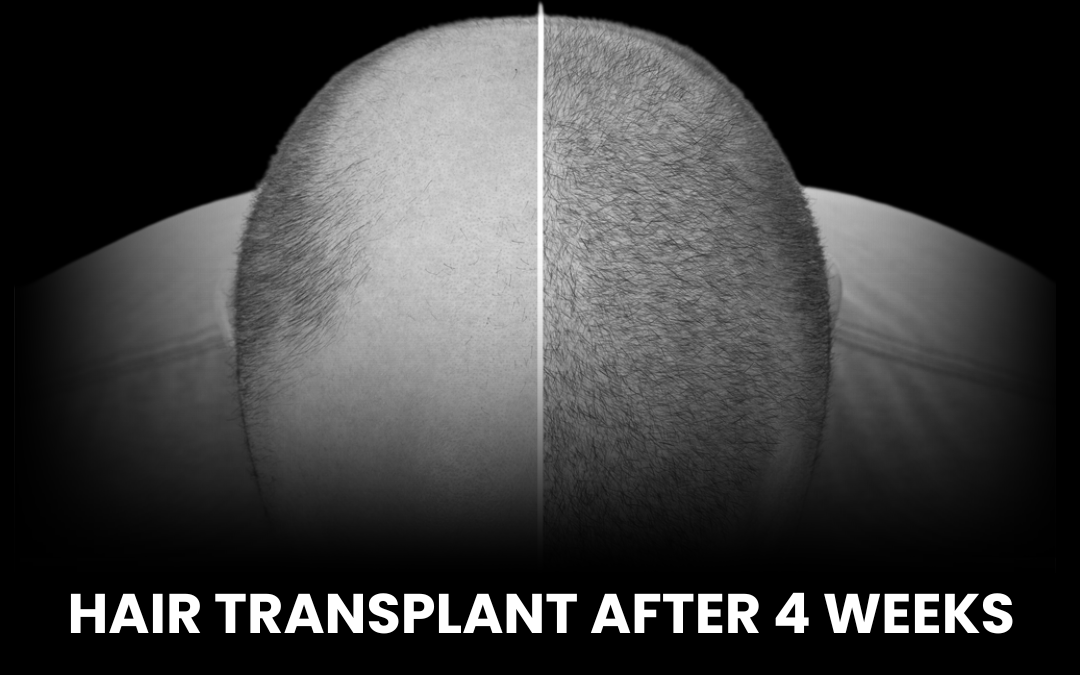
Month 1: In the first month, patients might experience some mild redness and swelling, and scabs, which will gradually subside within one or two weeks. You will see shock loss somewhere around the third or fourth week when the transplanted hair begins to shed as the hair follicle goes through a resting (telogen) phase. This is a completely normal and expected part of your recovery and indicates that your hair follicles are adjusting to their new environment. Months 2–3: At this point, most of the shedding is over, and the scalp may appear similar to its pre-transplant condition. However, underneath, the follicles are healing and getting ready to produce new hair. Patchy regrowth often follows by approximately the third month, and fine, baby-like hairs can be seen, which are great indicators that the hair is coming back.
Months 4–6: You will begin to see visible improvements. New hairs will become more visible and take on texture and pigment. There will be increased density and early signs of coverage in the scalp. Some patients start to report a visible improvement in confidence during this stage once results start appearing.
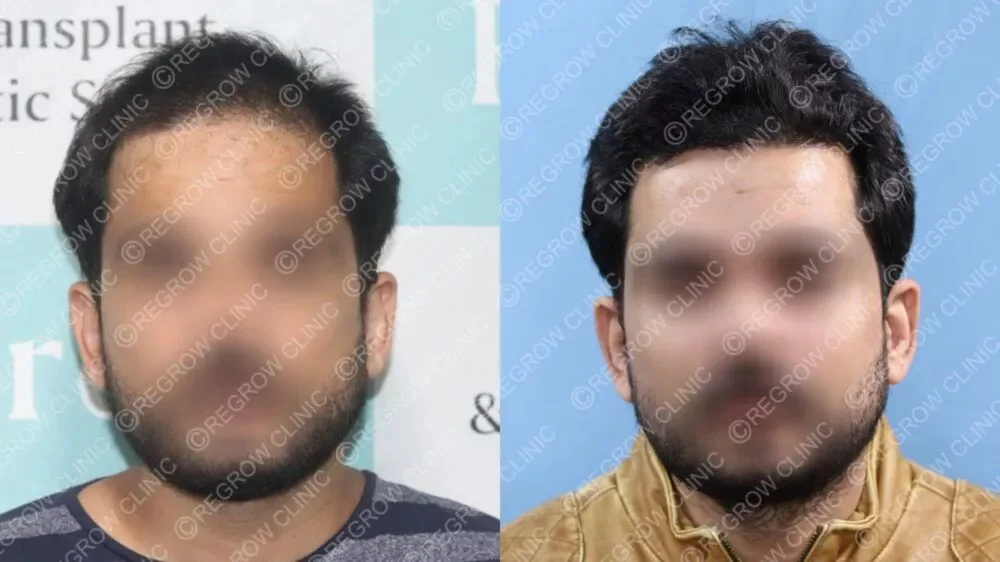
Months 6–9: At this stage, many patients notice a dramatic change. New hair will have become denser, the hairline becomes more defined, and overall coverage greatly improves. Styling will likely be far easier, and the look will now appear much more natural.
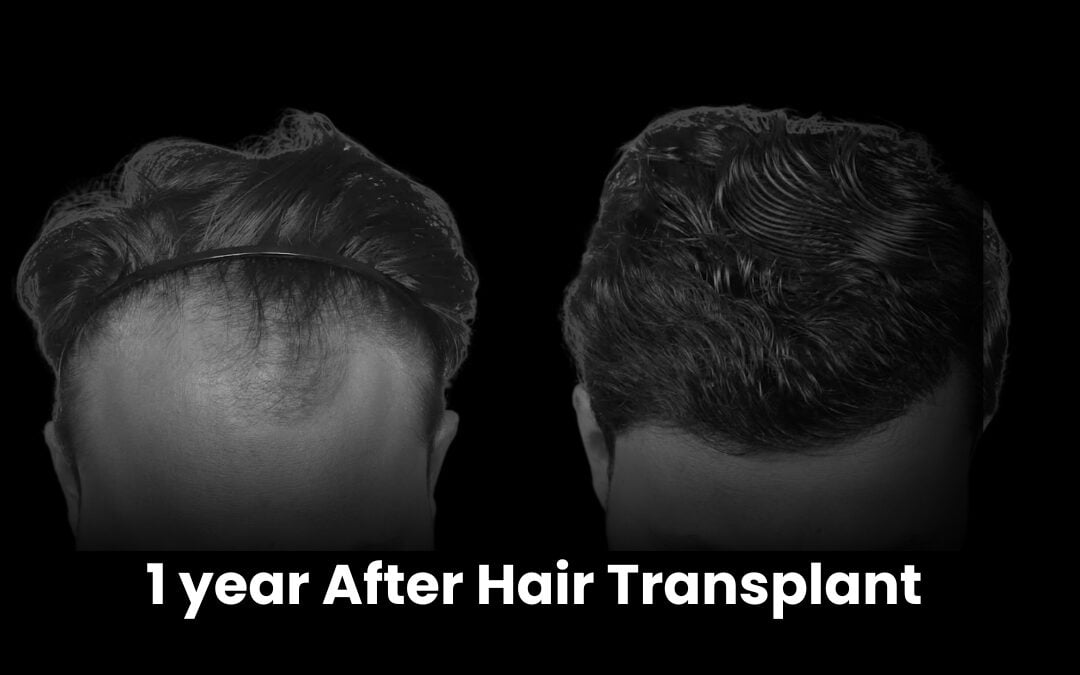
Month 9–12+: By this point, most individuals will achieve full growth and density, as the hair has matured and is thicker and stronger and will blend well with any existing hair. For many, hair growth will still be maturing up to 18 months after the surgery, achieving the complete transformation patients want.
Managing Post-Transplant Hair Loss: Expert-Approved Strategies
Although shock hair loss is a typical experience in the recovery process, it can be minimised with proper care that will help support hair regrowth more quickly.
- Follow Your Surgeon’s Aftercare Plan- It is crucial to strictly adhere to the aftercare plan provided by your surgeon. Use only mild, sulfate-free shampoos and do not physically touch the grafts. Protect your grafts from direct sunlight. Following these steps will allow the new grafts to heal securely and will help to prevent infection.
- Refrain from Physical Exertion- For the initial 10 days, avoid vigorous work or tasks that induce sweating. This allows your grafts to set and helps with healing and recovery.
- Nutrition comes first- It is important to consume a nutritious and healthy balanced diet inclusive of protein, iron, zinc, biotin and omega-3 fatty acids. These nutrients help boost growth while improving the quality of the hair.
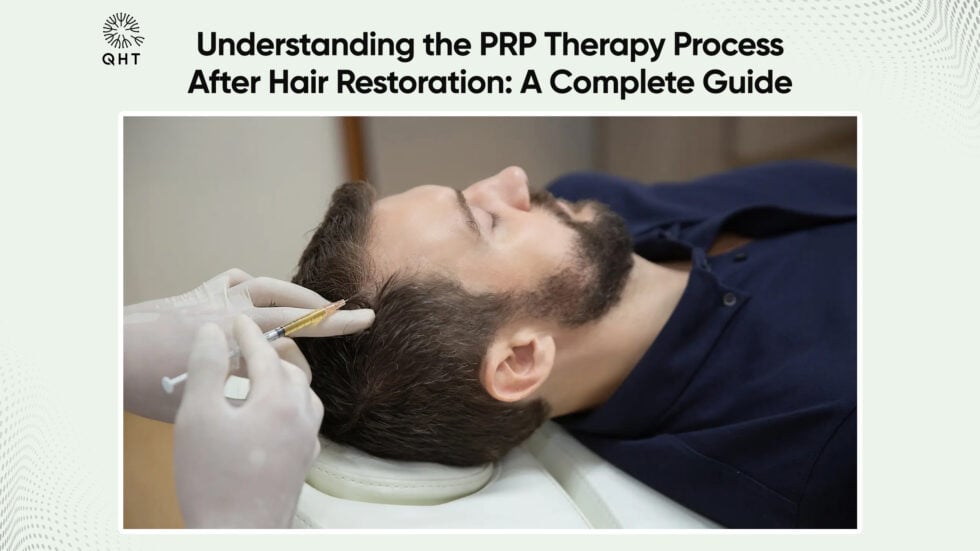
- Explore Supportive Therapies- Treatments such as PRP or GFC therapy improve graft survival and accelerate healing by administering concentrated growth factors directly to the scalp.
- Reduce Stress- Stress slows healing. Practice yoga, meditation, or deep breathing and focus on getting enough sleep to keep your hormones in check.
- Stay Patient and Consistent- Avoid using new hair products or styling too soon. Give your follicles a chance to regain strength on their own- staying patient and consistent means you will get fuller and longer-lasting results.
The QHT Approach to Minimising Shock Loss

At QHT Clinic, we do not only focus on surgery – we also focus on recovery and long-lasting, natural results. This is how QHT Clinic works:
- QHT Technique Advantage- With our signature technique, we couple our sapphire-tipped instruments with high magnification and precision. Extractions and implantations happen in the same procedure, which decreases the time of handling grafts and decreases damage exerted to the follicles, enhancing the healing process.
- 2. Controlled Depth and Angle- Every graft is positioned accurately in depth and angle, ensuring natural growth patterns and long-lasting results.
- Adjunctive Treatments- GFC or PRP sessions after surgery promote scalp healing, stimulate regeneration of hair follicles, and promote hair regrowth.
- Holistic Care Plans- Customised nutrition plans, scalp care, and supplement recommendations help promote recovery and healthy long-term growth.
Emotional & Psychological Coping Tips
Having hair shedding after your transplant can be emotionally distressing, particularly after you have taken such a significant step in improving your appearance. It is understandable for you to feel anxious or down during this temporary phase, but being educated about the process can help alleviate these feelings.
First, make sure you remind yourself that shock loss is temporary; for every hair that sheds, you are creating space for stronger, healthier hair to come in. This is a normal part of the process, not a step backwards.
Have faith in the process; hair restoration does not happen overnight, but it is permanent, worthwhile and always a success. Understanding each phase of the healing process becomes valuable in reducing anxiety and managing realistic expectations.
It is also equally important to attend follow-up appointments with your specialist to address any issues that arise.
Most importantly, keep in mind that your mental health matters just as much as your physical health. Your confidence will come back when your hair starts to grow.
Conclusion
Experiencing shock loss following hair restoration surgery can appear upsetting, though it is quite simply your scalp healing itself and preparing new and healthy hair to regrow from the hair follicles you still have. Knowing that this progression happens helps to remain relaxed and have confidence in healing.
When implementing the chosen technique, scientifically accurate protocol and sustainable aftercare plan, clinics like QHT can reduce post-surgical shedding, thus obtaining prolonged outcomes.
If post-operative hair loss does occur, do not think of it as “end of the journey”, but the beginning of new growth. True transformation will take some time to develop, trust the process and you will achieve desirable results.
Book a Consultation Today
Latest Videos
-

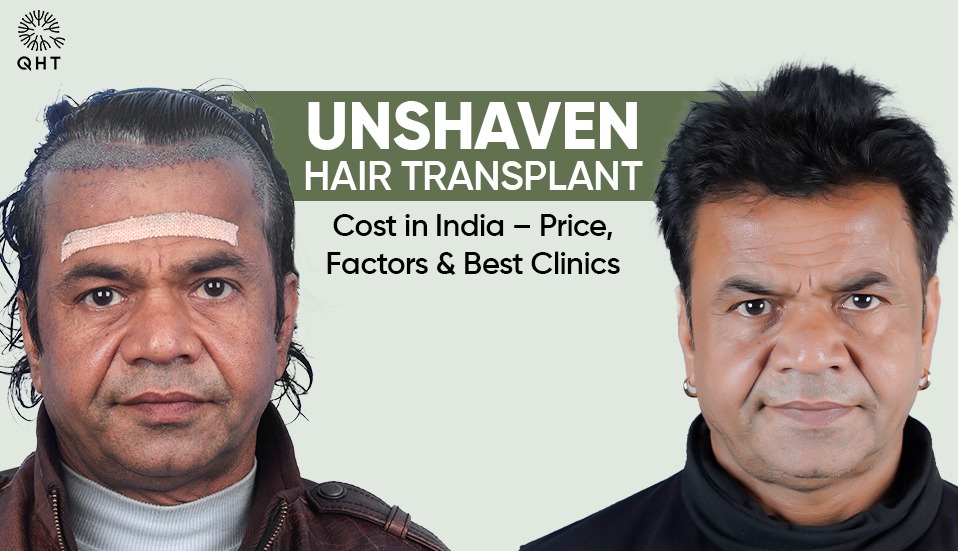
Rajpal Yadav | Bollywood Actor Hair Transplant Journey at QHT Regrow Clinic Haridwar
Click to Watch
-

FUE Hair Transplant Results | DAYA's FUE Hair Transplant Results
Click to Watch
-

Best Hair Transplant Result 2021 || NW Grade VI A || 3,422 Grafts
Click to Watch
-

Best Hair Transplant Result 2022 | Grade 4
Click to Watch
-

YouTuber Mehtab Saifi Hair Transplant
Click to Watch
-

ACP Pradyuman Hair Transplant - Actor's Hair Transplant
Click to Watch