



FUT vs. Advanced FUE Techniques: Which Hair Transplant Method is Right for You?
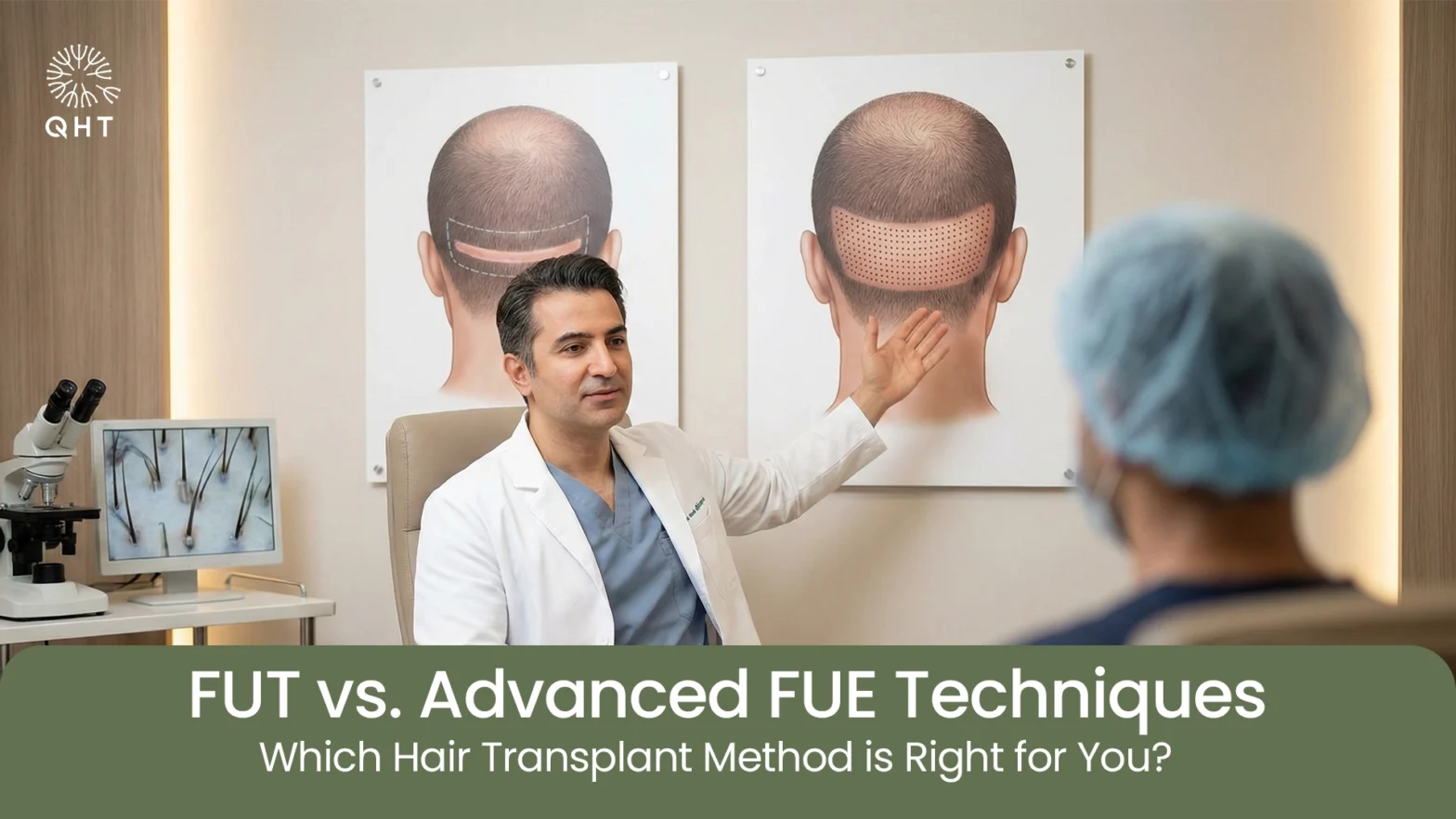
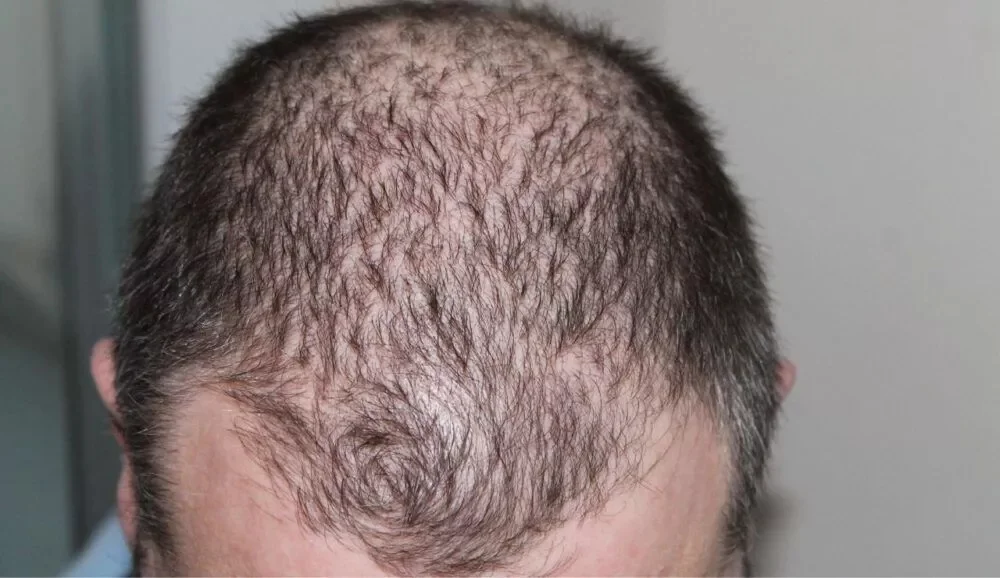
The technology for hair transplants has drastically changed in the last 20 years. Hair restoration procedures used to centre upon the FUT technique, but this has evolved into refined, minimally invasive methods of extraction, called FUE. With the multitude of options available, it can be difficult to differentiate between which method may be right for you.
Ultimately, all modalities have strengths and limitations- no technique is superior to the other. The right method will depend on individual needs/situations, donor hair quality, desired hairstyle, potential scarring risk, and future/long-term considerations.
This document details the differences between traditional FUT and advanced FUE, the science behind each approach, who is best suited to each, and the innovative advancements that are changing the game in hair restoration.
Understanding FUT (Follicular Unit Transplantation)
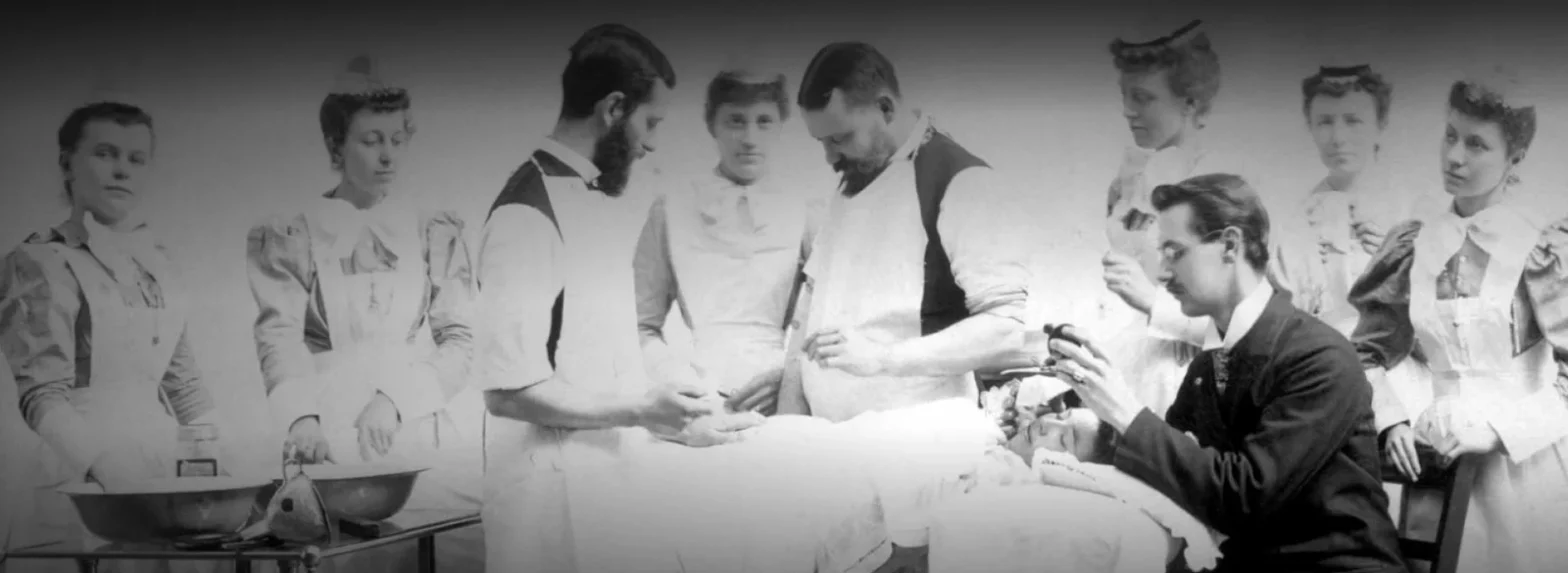
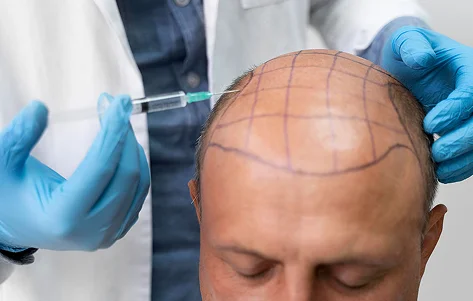
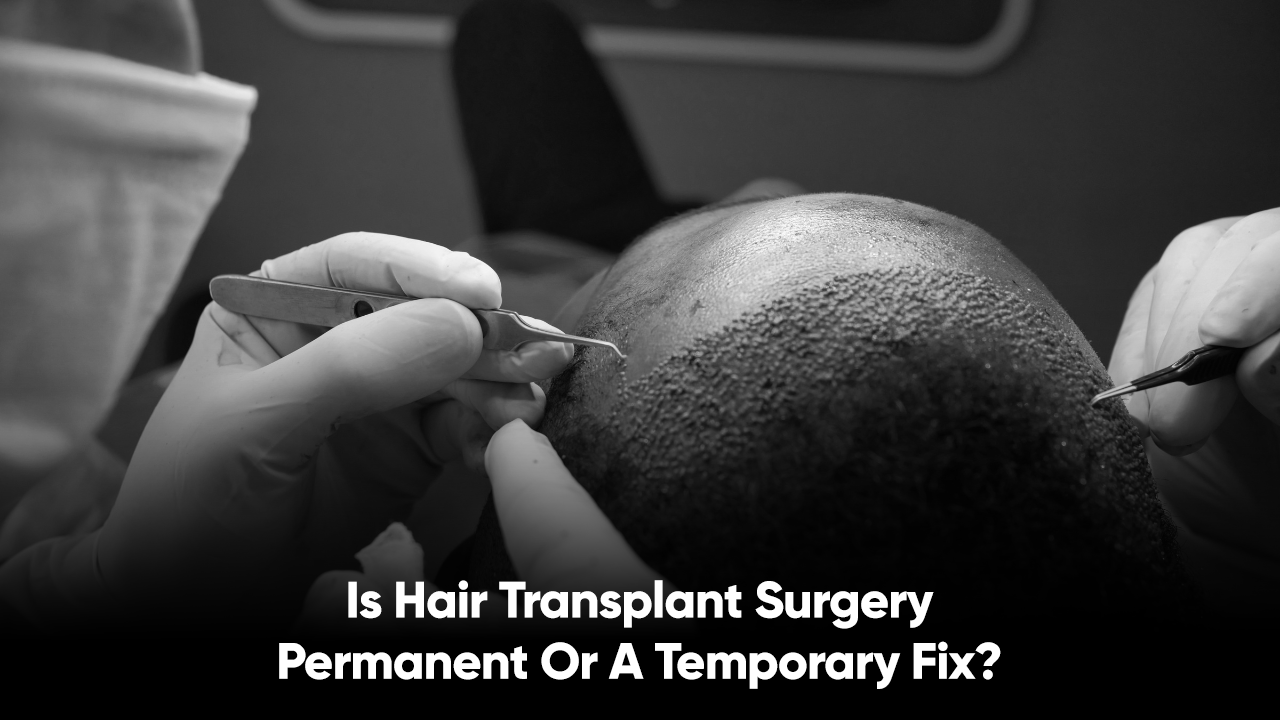
FUT, often referred to as the “strip method,” is one of the oldest and best-known methods for hair restoration. It involves removing a thin strip of skin from the back of the scalp, then dissecting it into follicular units under a microscope, and lastly implanting these follicular units into the balding area.
Although it is used less today than it used to be, FUT still has an important role to play for certain clinical scenarios and remains a valuable option for patients with high-density donor areas.
How FUT Works?
In FUT, the surgeon removes a narrow linear strip from the donor area, usually an area resistant to balding, which is dissected into single follicular grafts. These grafts are implanted in bald areas and progressively grow in these areas naturally over time. In harvesting through a single incision, the surrounding donor follicles remain unaffected, which is considered a benefit to patients who need a large number of grafts.
Advantages of FUT
FUT can produce large graft numbers in a single session, making it great for high-grade baldness cases. The grafts obtained through FUT are often relatively high in quality as the tissue helps protect the grafts during dissection. In the case of patients with limited donor density, the FUT technique can be beneficial as it provides high-quality results without depleting the donor zone for future use.
Patients with longer hairstyles may also prefer FUT for the reason that a thin linear scar can be hidden under medium to long hair.
Disadvantages of FUT
The primary drawback to FUT is the linear scar that it leaves behind. The scar is typically fairly thin but can be noticeable in a patient who likes to keep their hair short or has shaved sides. Furthermore, FUT requires a longer healing time since it utilises sutures that need to be removed after 7-14 days. Some of the patients also report tightness or stiffness around the donor area following the procedure, particularly during the early stage of the healing phase. Discomfort after the procedure is often slightly greater than that of the FUE process.
Understanding Advanced FUE Techniques
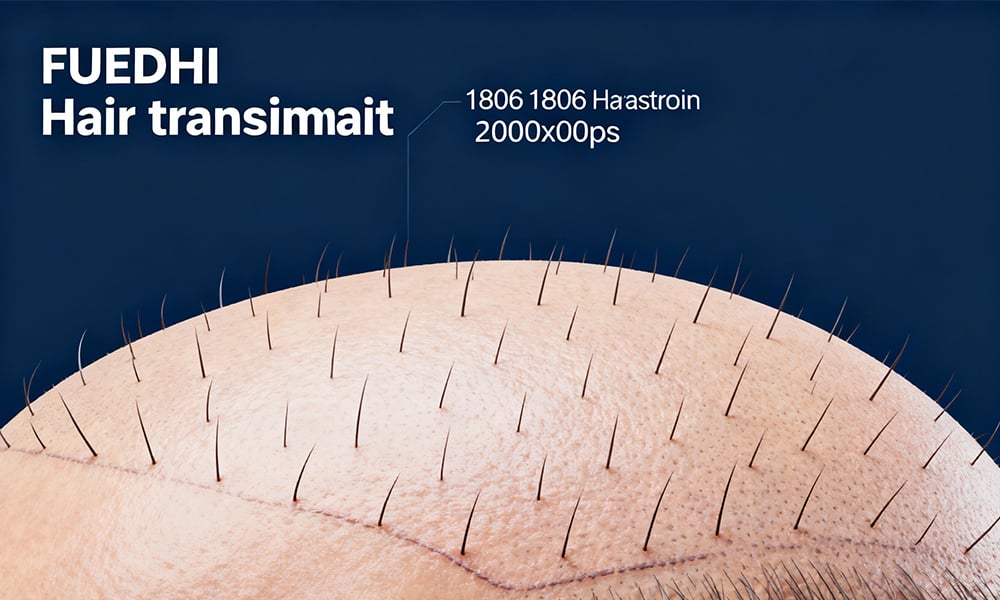
Follicular Unit Extraction (FUE) is the new alternative to Follicular Unit Transplant (FUT)- this is a minimally invasive technique where individual follicles are harvested one after another. The technology surrounding hair transplant has developed substantially over time, leading to ultra-refined approaches. FUE is considered a global standard technique because of its speed, comfort, accuracy, and, of course, “natural” looking results.
How does FUE work?
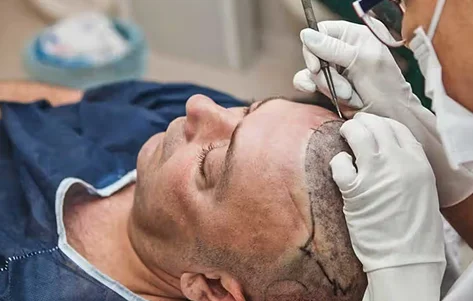
In advanced FUE, grafts are removed with small punches. These micropunches are used to reduce tissue trauma, thereby encouraging healing and producing almost invisible dot-sized marks. The grafts are then transplanted to the target area with ultra-precision instruments that accurately transplant the grafts to the appropriate direction, density and angle.
Advantages of FUE
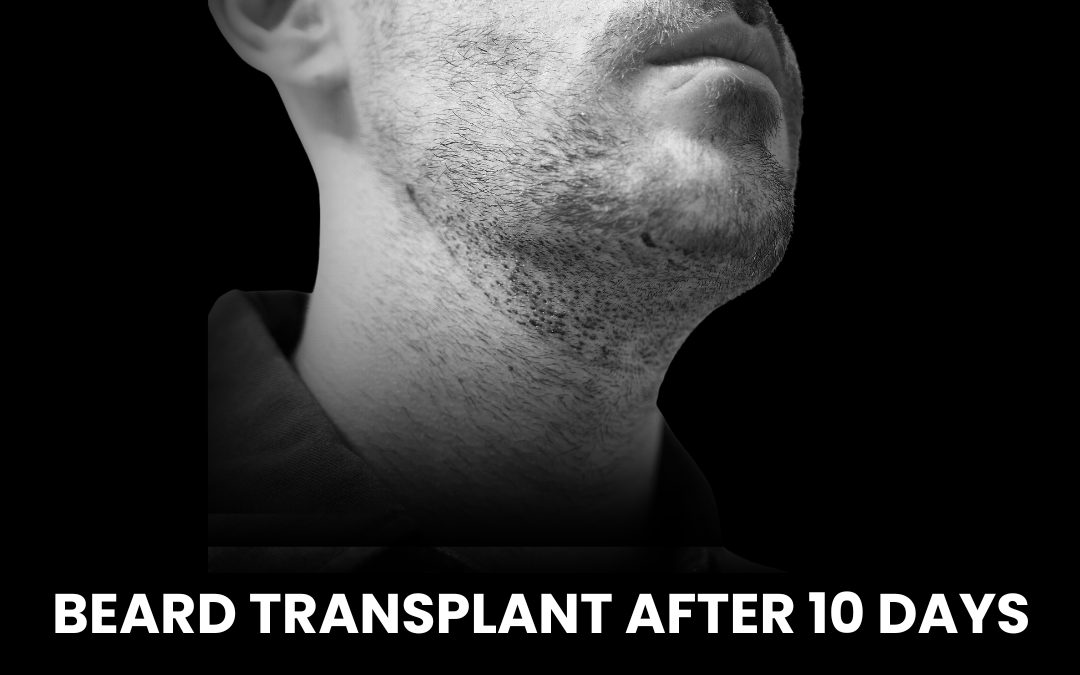
The top advantage of advanced FUE is that there is no linear scar, so patients can wear their hair short or even completely shaved without being concerned about visible scarring. Healing is rapid, there is low pain, and patients can return to normal activities more quickly than with FUT.
FUE also permits targeted harvesting, such that the healthiest follicles can be harvested from unique donor sites, including the beard and body if necessary.
Disadvantages of FUE
Although the procedure is minimally invasive, the surgeon must be mindful of the donor area. If over-harvesting occurs and the follicles are harvested without care, it can cause thinning in the back of the scalp. Extremely curly, afro-textured hair can be difficult to excise without transection of the follicle, but advanced punches and skilled surgeons can usually execute this without issue.
FUT vs. FUE Technique
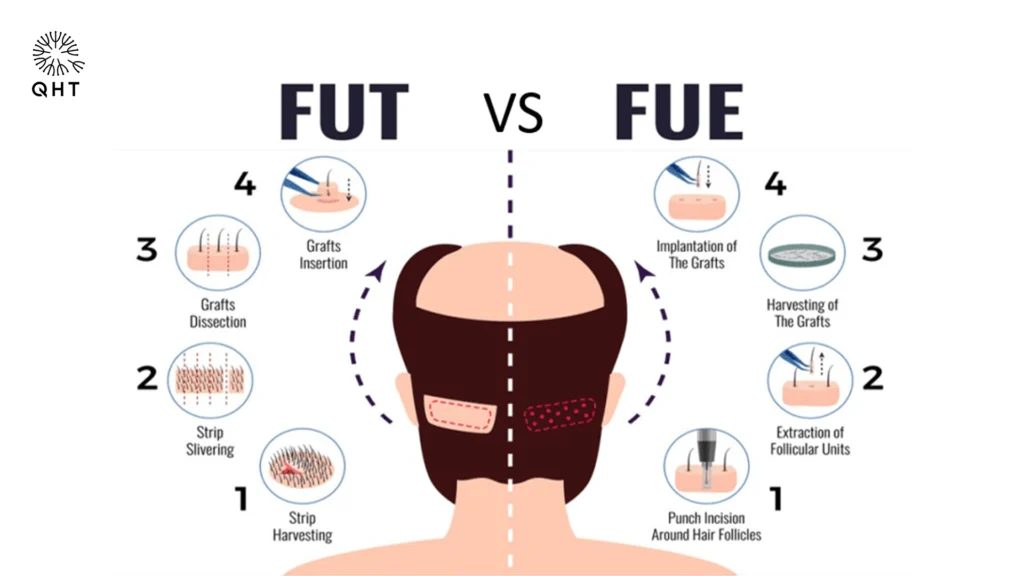
The choice between FUT versus FUE depends on how the procedure influences scarring, comfort, healing, and donor management. FUT leaves a linear scar, typically hidden under longer hair, but may not be as concealable for individuals who desire shorter hair styles. FUE, on the other hand, produces an array of tiny dot scars that are almost invisible and allows for a much shorter hairstyle without significant signs of surgery. Healing times vary significantly from FUT to FUE; FUT takes longer primarily due to the stitches, but using the FUE technique allows patients a much quicker recovery with very little discomfort after surgery.
Another important consideration is how you manage the donor area. With FUT, you are taking one whole strip out, and, in the case of FUE, you are extracting each graft separately. Both of the techniques will lead to a higher number of grafts. In terms of comfort, FUT might result in slight tightness from the stitches, while FUE is typically more comfortable and convenient overall. For this reason, FUE is often the preferred method in patients who are looking to heal quickly and have little visible scarring.
Which Technique Looks Most Natural?
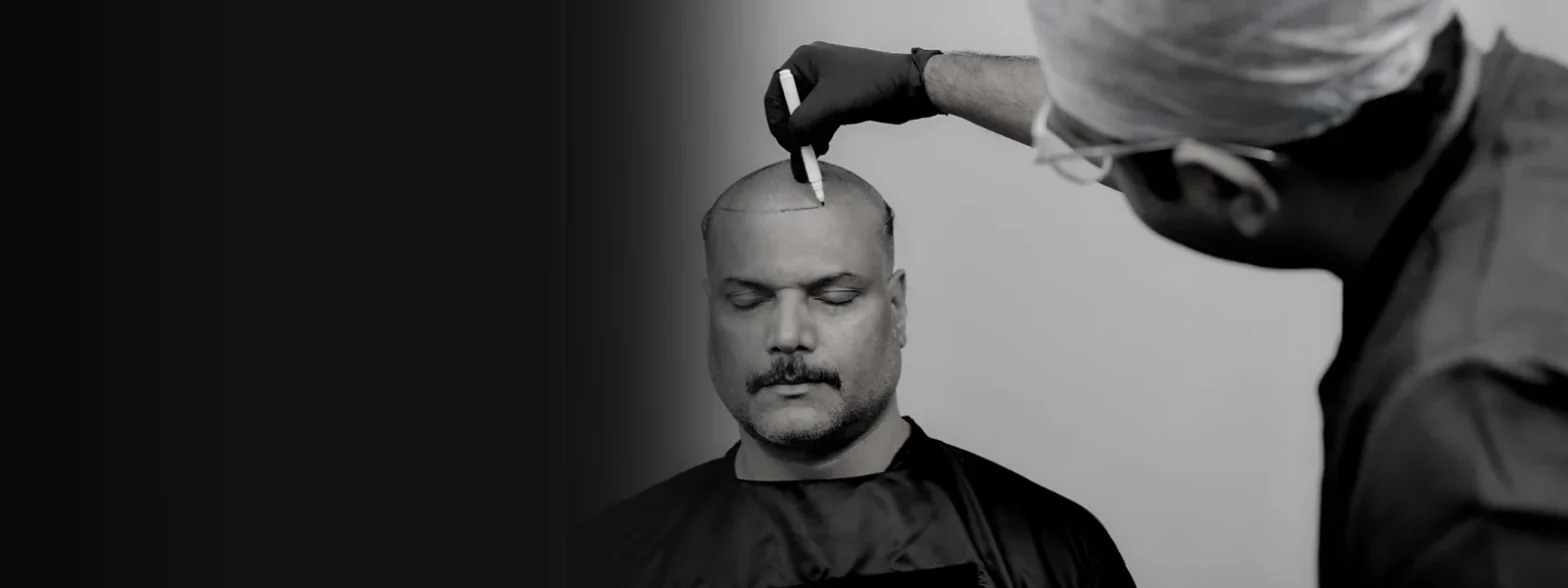
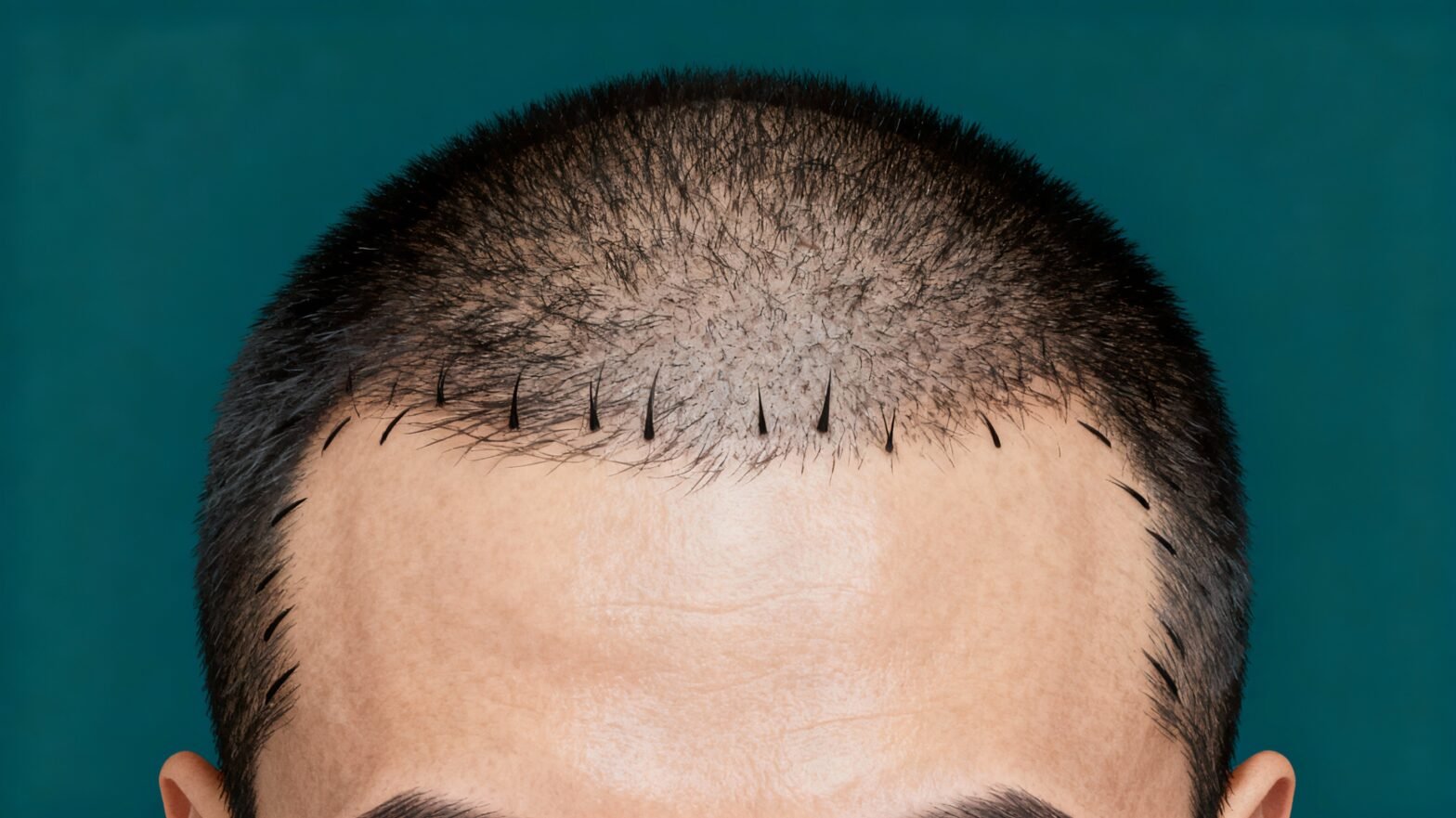
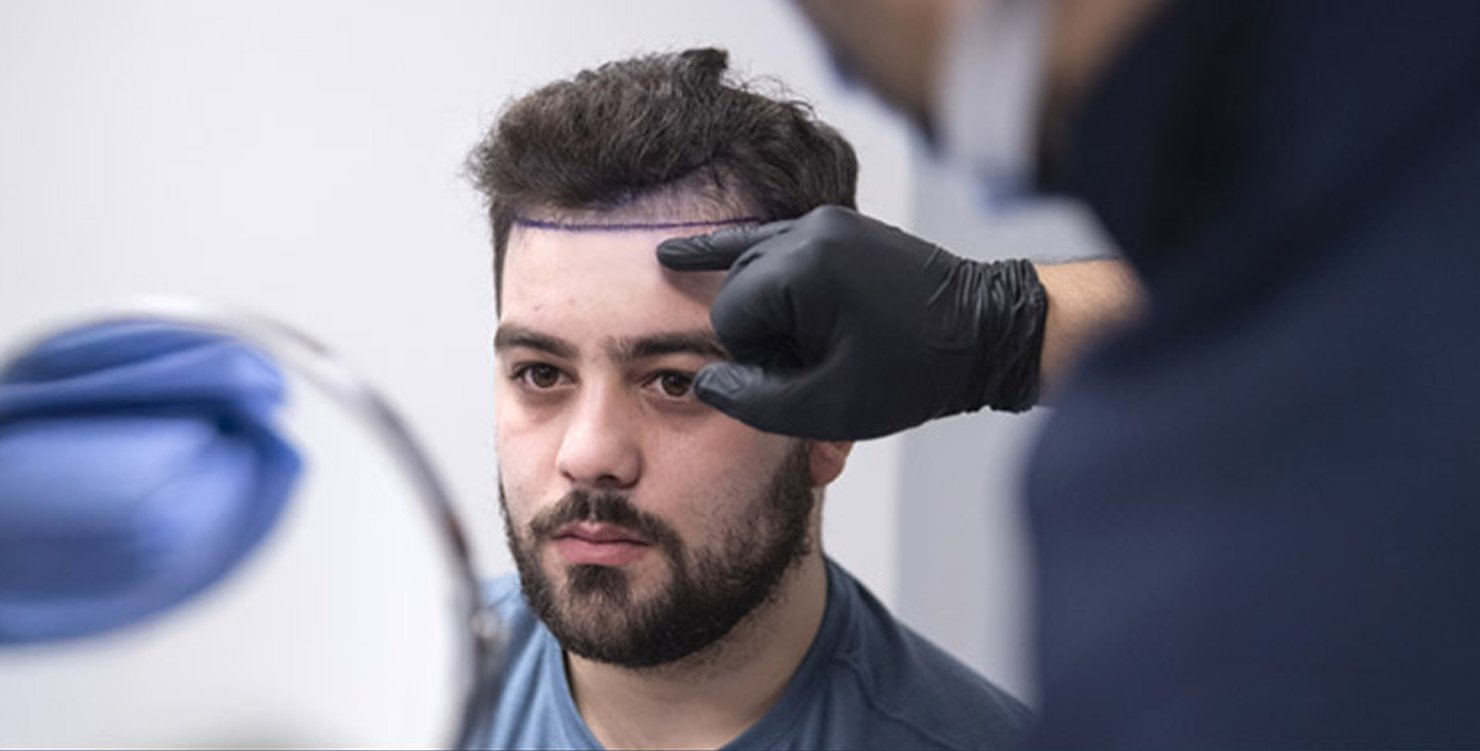
Nowadays, achieving a natural appearance heavily relies on the surgeon’s ability and implantation technique, rather than FUT or FUE. However, advanced FUE can offer more artistic control, allowing the surgeon to extract micrografts, adjust angulation in a more precise manner, and create soft, seamless hairlines that closely mimic natural growth patterns.
FUT can also look natural when done well; however, it does limit customisation and graft selection with its strip harvest. For a patient wanting maximum accuracy and a natural-looking hairline, advanced FUE will have a better aesthetic benefit.
Candidates for FUT vs. FUE
Who should undergo the FUT procedure?
- Severe hair loss patients who need to maximise graft counts
- Patients with very tight budgets (FUT can be the more economical option)
- Patients who maintain medium to long hairstyles (this method is often associated with more scarring)
- Patients who need maximum donor area preservation for any future sessions (hair will be taken from a larger donor area in an FUE procedure)
- Patients with very thick density in their donor zone
Who should undergo the FUE procedure?
- Patients wanting a non-linear scar (no line at the back of the head)
- Individuals who prefer shorter or shaved hairstyles
- Individuals looking for quick healing
- Women needing a hairline correction
- Patients who are going to take beard or body hair as a supplementary donor
The Best Hair Transplant Technique: Individual, Not Universal
There are no techniques that can claim to be the best in all situations. The best option is dependent on the following factors:
- Age and anticipated future pattern of hair loss
- Hair donor density and laxity of the scalp
- Curly texture and coarseness
- Lifestyle factors and how you personally style the hair
- Long-term planning for future sessions
A younger patient experiencing progressive hair loss may do better with conservative FUE. A patient presenting with Norwood grade 6–7 baldness may benefit from FUT + FUE in order to maximise grafts. A woman wishing to restore density in the frontal hairline may prefer long-hair FUE or no-shave FUE.
The best hair transplant technique is the one specifically tailored to meet your genetics, your donor capacity, and your long-term needs.
The QHT Clinic Perspective
At QHT Clinic, we prioritise longevity, aesthetics, and medical accuracy with hair transplants without promoting one method of hair restoration over another. The specialists at QHT Clinic take into consideration all important factors like scalp laxity, donor quality, follicular density, and likelihood of future hair loss prior to recommending the right method of hair restoration for you.
Many of our patients have excellent results purely with advanced FUE; some will benefit from FUT, which is necessary to gain large numbers of grafts, and some may need a mix of FUT + FUE to have the best results with the least amount of long-term shock-loss.
The technique selected is always based on achieving the most natural, sustainable results with the least possible compromise to the donor site.
Each part of the process – from diagnosis to extraction, implantation, and ongoing therapeutic support for their recovery and hair management – is performed with surgical accuracy, with the goal of achieving a hair implant that has dense, natural, and long-lasting results.
Conclusion
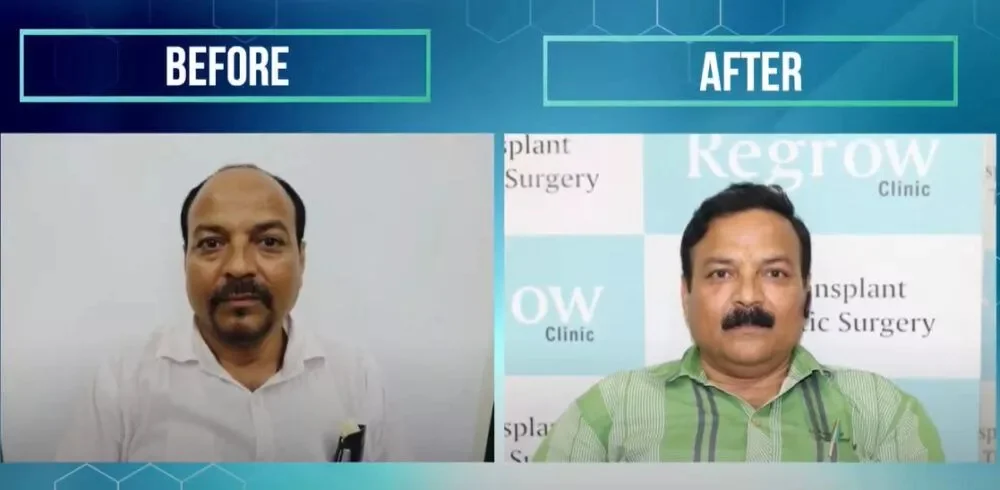
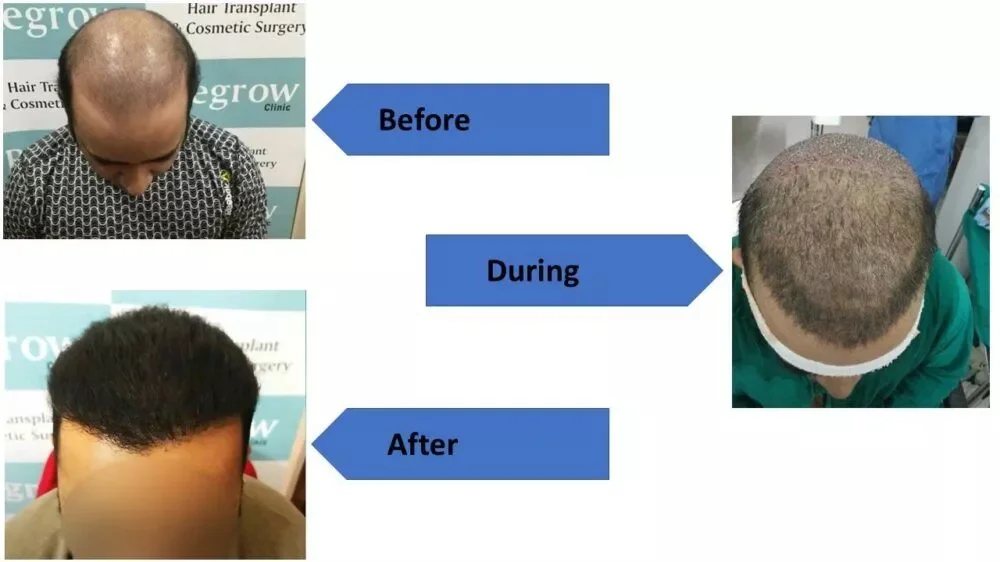
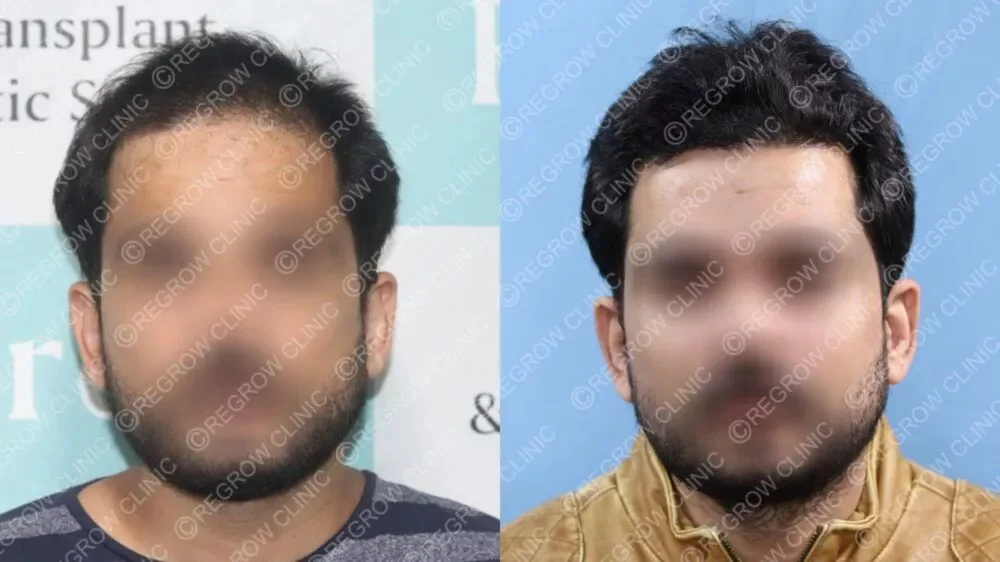
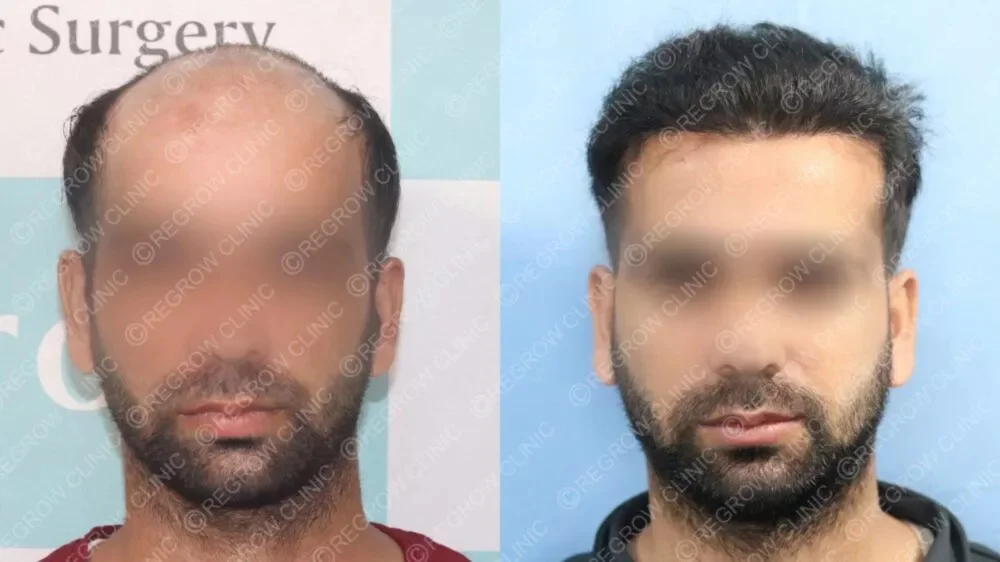
Both FUT and advanced FUE play a vital role in contemporary hair restoration, with FUE being considered the new gold standard due to its no-scar outcome, fast recovery time, and artistic results. FUT provides excellent benefits for addressing cases that require high graft counts.
It is important to note that your treatment preferences should not be rushed or simply made on a whim or based on popular trends; rather, they should follow a whole process of medical history taking, consultation with surgeons and identifying short-term and long-term goals.
At QHT Clinic, we help every patient bring thoughtful consideration to the decision-making process by ensuring that the chosen technique corresponds with the patient’s aesthetic goals, donor area health, and future goals regarding their hair restoration plan. When done properly, FUT and FUE can create results that look natural and promote the confidence of patients.
Book a Consultation Today
Latest Videos
-

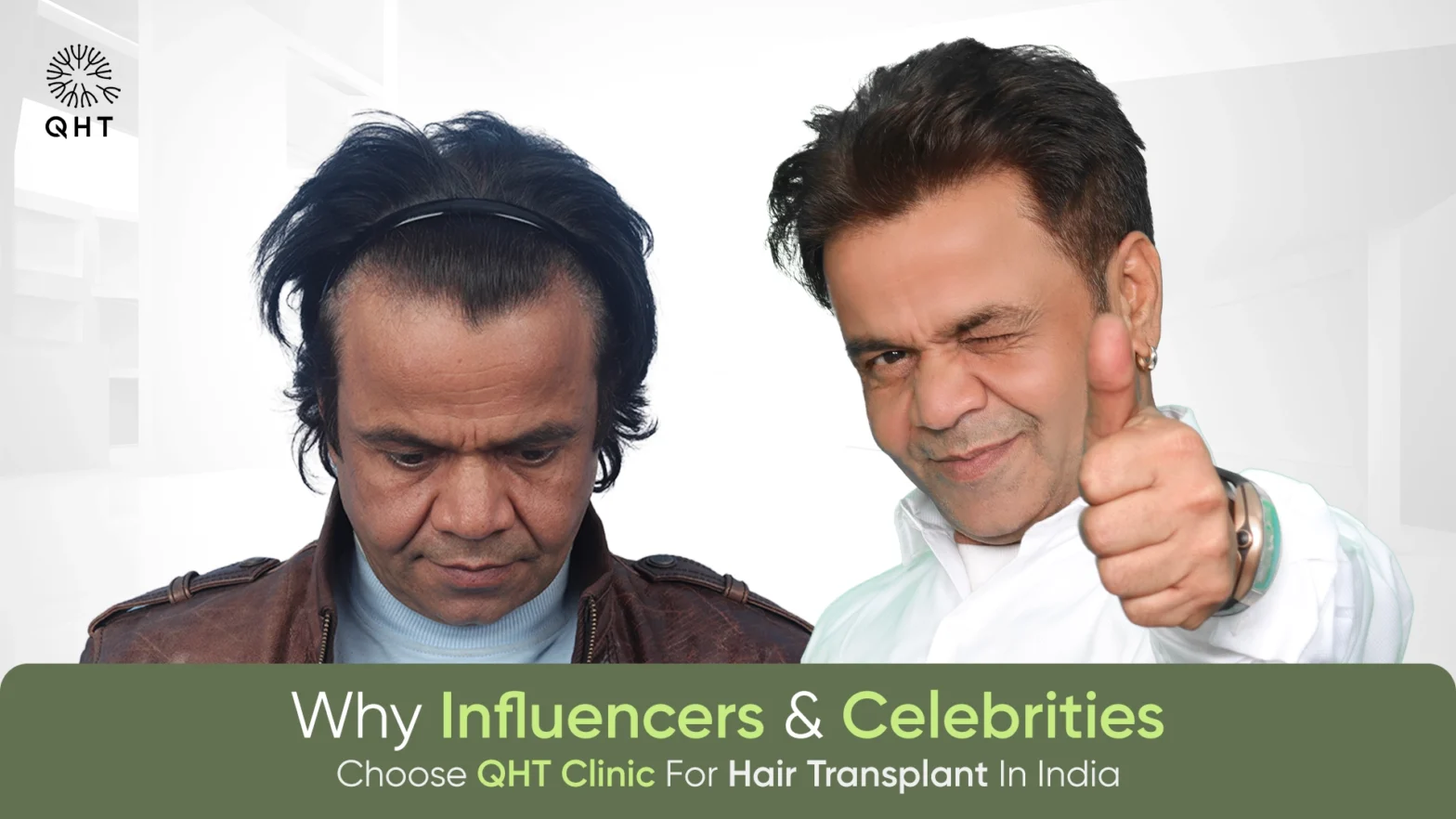
Rajpal Yadav | Bollywood Actor Hair Transplant Journey at QHT Regrow Clinic Haridwar
Click to Watch
-

FUE Hair Transplant Results | DAYA's FUE Hair Transplant Results
Click to Watch
-

Best Hair Transplant Result 2021 || NW Grade VI A || 3,422 Grafts
Click to Watch
-

Best Hair Transplant Result 2022 | Grade 4
Click to Watch
-

YouTuber Mehtab Saifi Hair Transplant
Click to Watch
-
ACP Pradyuman Hair Transplant - Actor's Hair Transplant
Click to Watch