



Hair Transplant vs Hair Replacement: Which One’s Right for You?
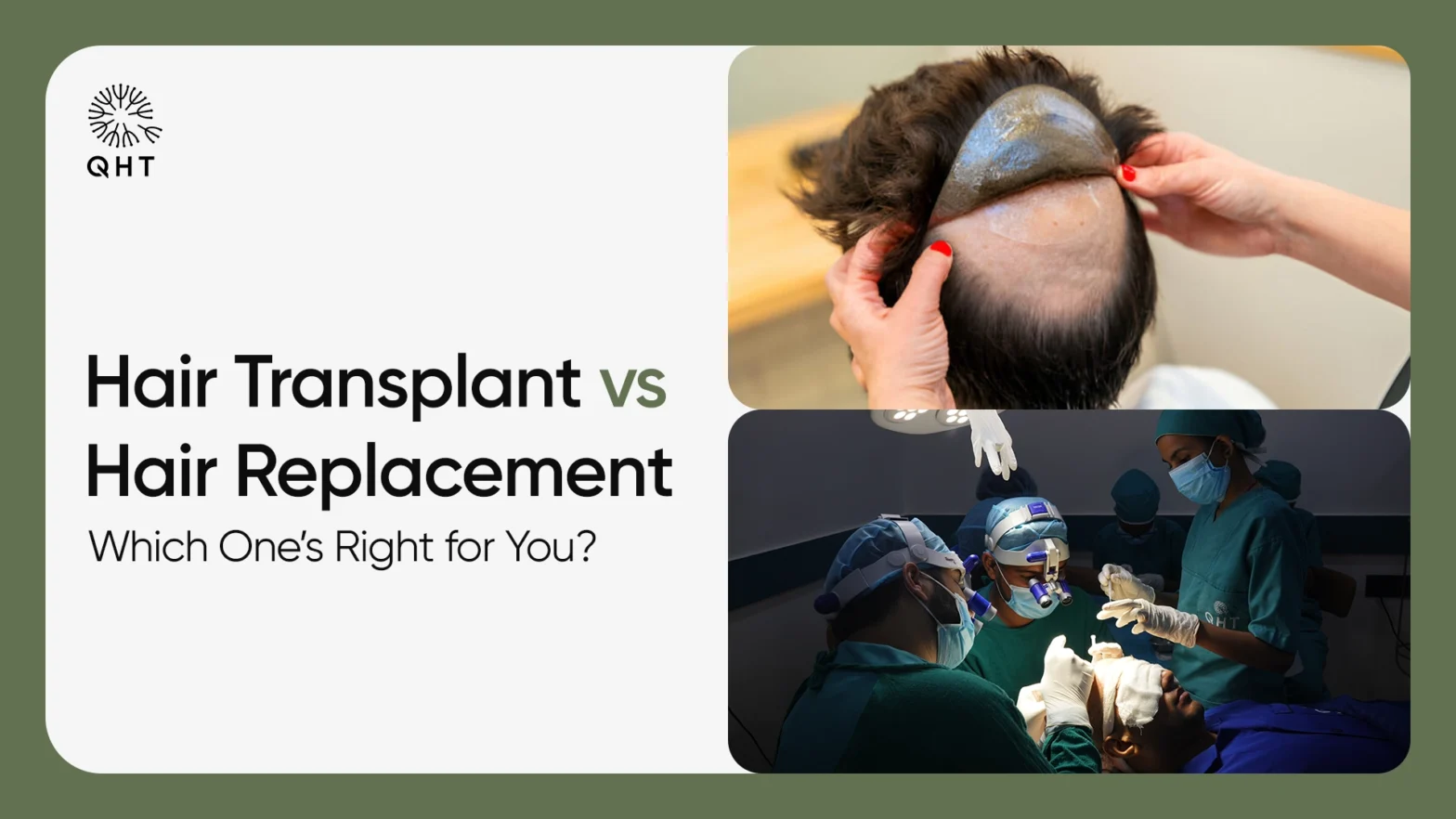
People often face significant obstacles due to hair loss. These three hair conditions—hairline recession, thinning, or noticeable bald patches—have a clear emotional impact. Treatment solutions for hair loss due to confidence are a problem that millions of Indians cope with, as they are not alone.
Hair restoration options that address the issue demonstrate positive developments in the contemporary industry. The drawback? When treating hair loss, it is crucial to understand the differences between non-surgical hair replacement and hair transplant surgery.
What is the best way to treat baldness, then? Is a long-term solution superior? Clinics like QHT Clinic can help you make an informed choice based on your expectations. With versatile hair restorative options available in the market, the debate over ‘Hair Transplant vs Hair Replacement’ is unavoidable.
It is advisable to choose the most suitable option with the help of an expert, considering the pros and cons associated with it. The experts at QHT Clinic have helped many clients achieve their desired results under their treatment and guidance. To help you make an informed decision, let’s break down the benefits, drawbacks, and differences between non-surgical hair replacement and hair transplant.
Hair Transplantation: What Is It?
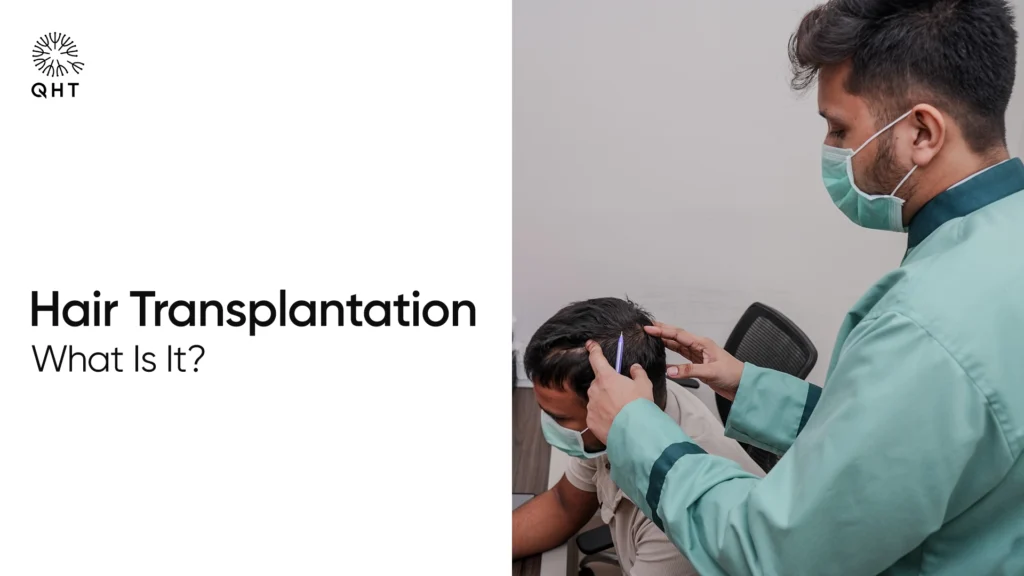
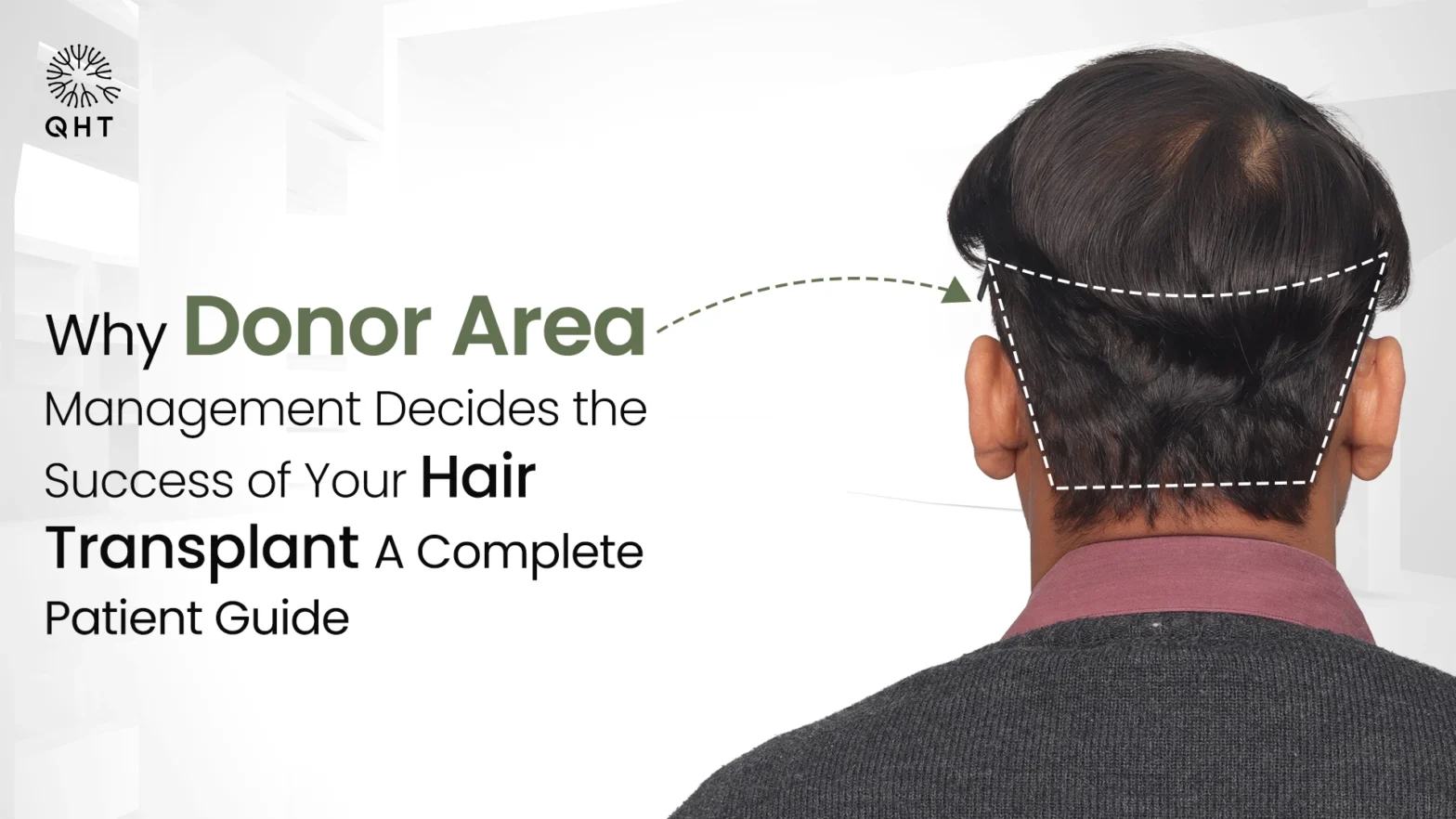
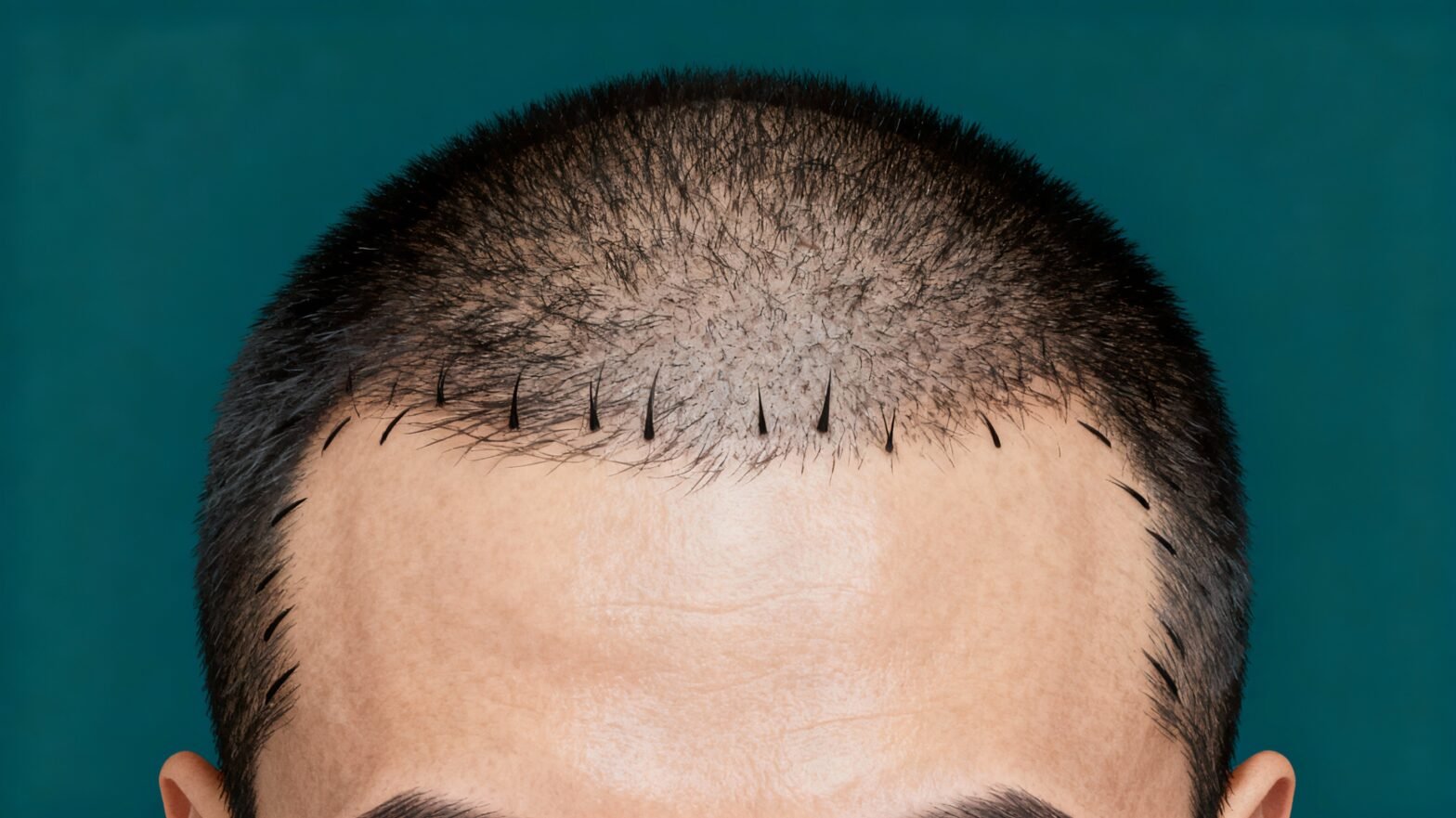
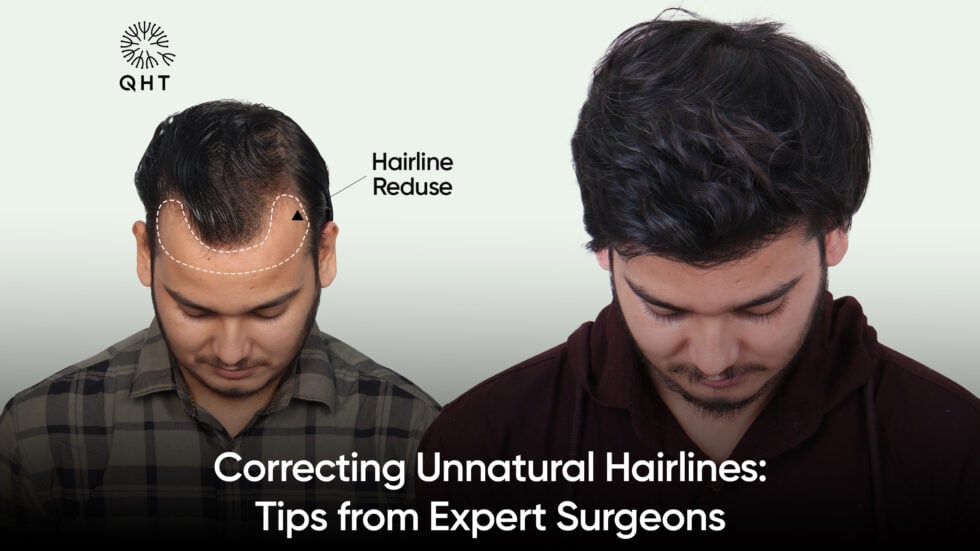
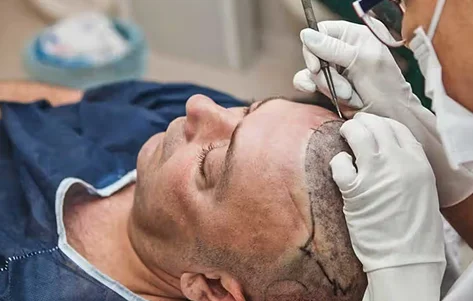
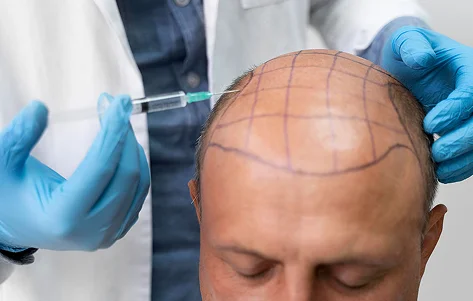
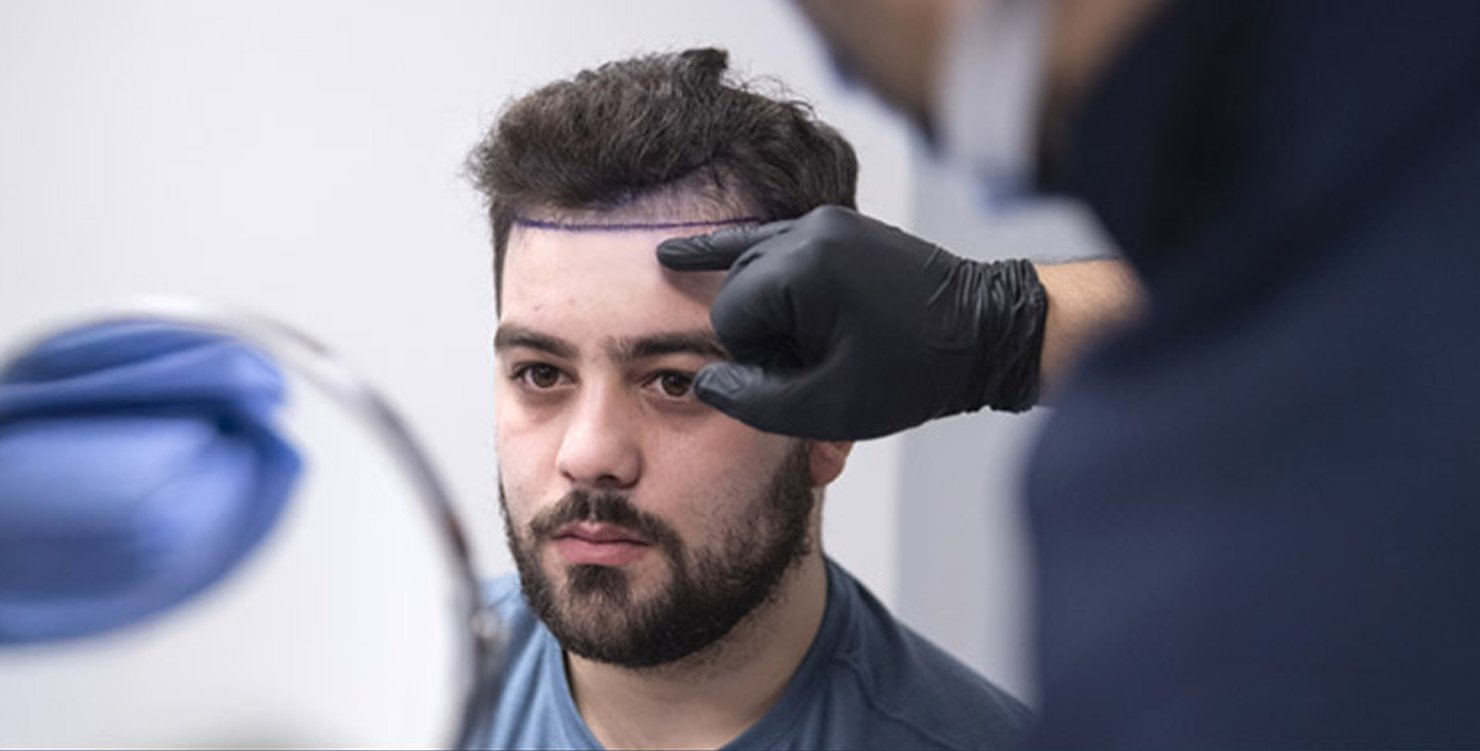
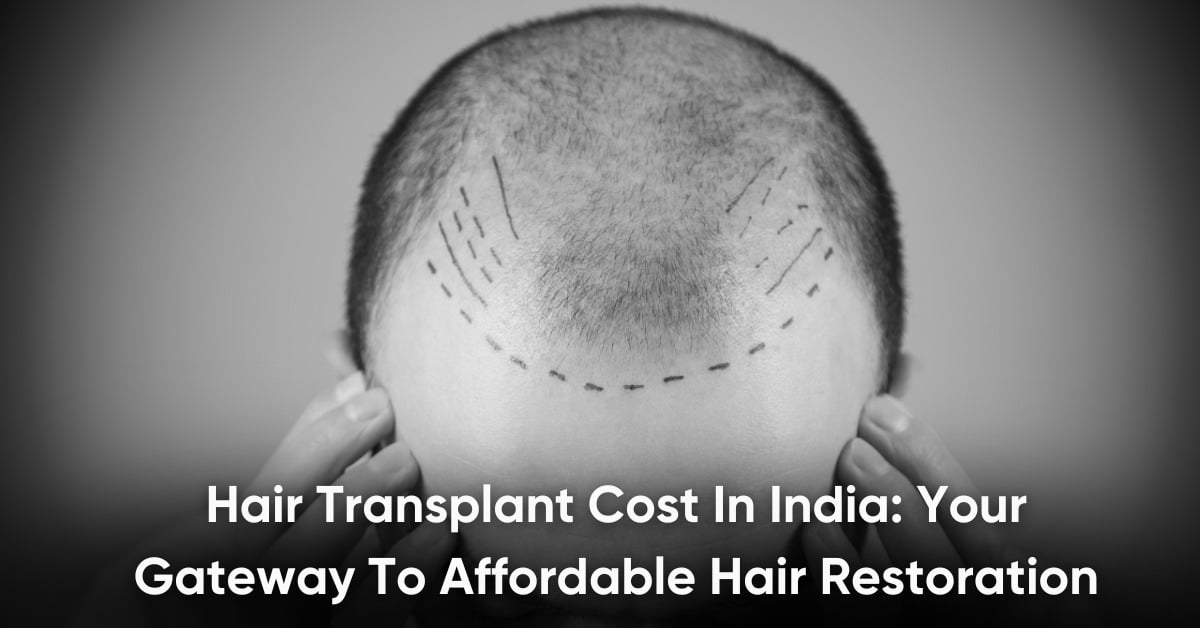
By moving healthy hair follicles from a donor location (usually the back or sides of the scalp) to thinning or bald areas, hair transplant surgery is a medical procedure designed to address hair thinning, baldness therapy, and receding hairline remedies. Advanced techniques such as Quick Hair Transplantation ( QHT ), Follicular Unit Extraction ( FUE ), and Follicular Unit Transplantation (FUT) are the sspecialitiesof clinics like QHT Clinic in India, which is regarded as one of the best hair transplant clinics.
- Quick Hair Transplantation (QHT ): An enhanced version of the FUE technique, in which the extraction and implantation of hair grafts occur simultaneously
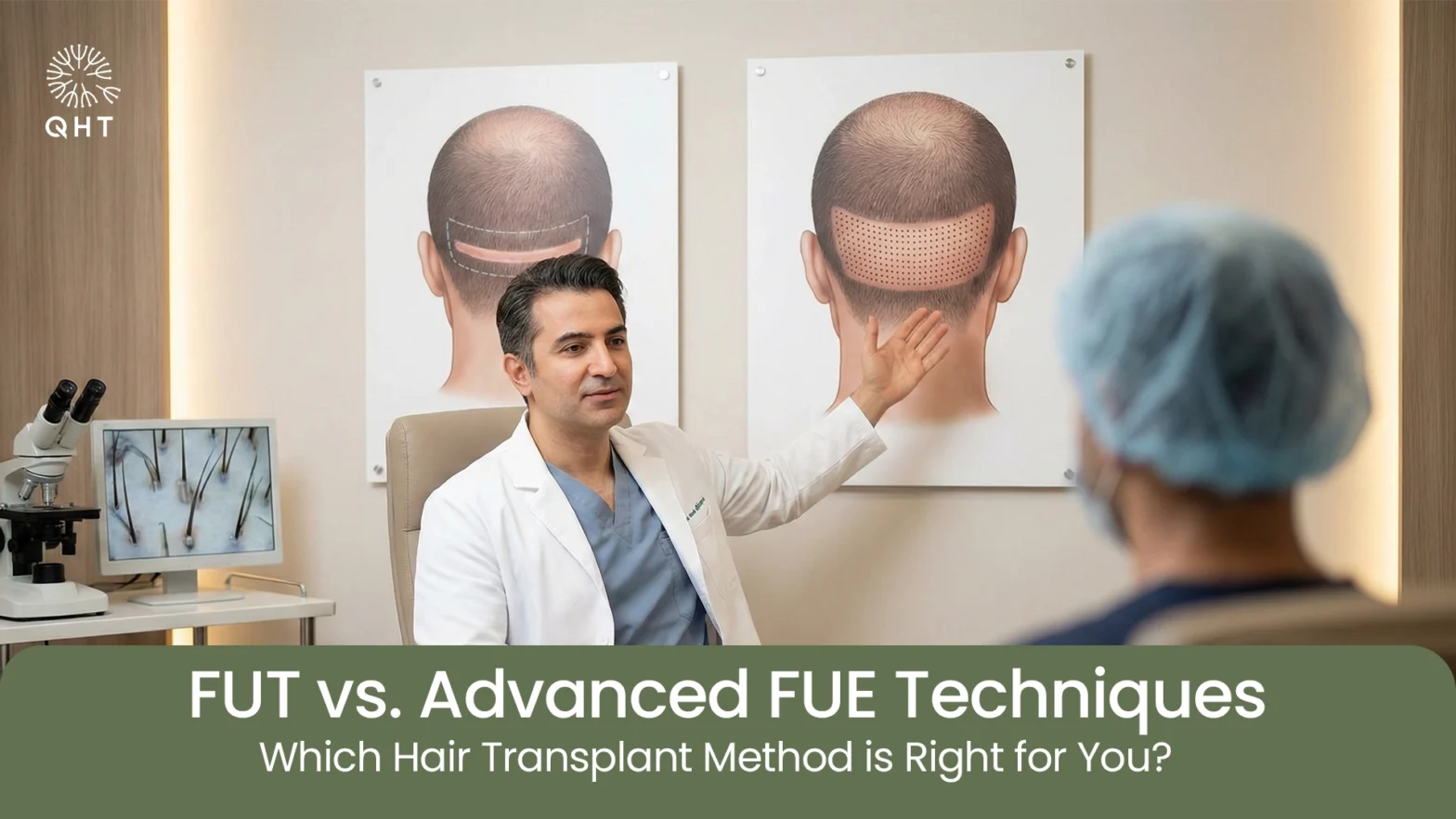
2 Follicular Unit Extraction (FUE): To ensure minimal scarring, individual follicles are removed and implanted.
- Follicular Unit Transplantation (FUT): This procedure involves removing a strip of skin that contains hair follicles, dissecting it into grafts, and then transplanting it.
Science Behind Hair Transplantation
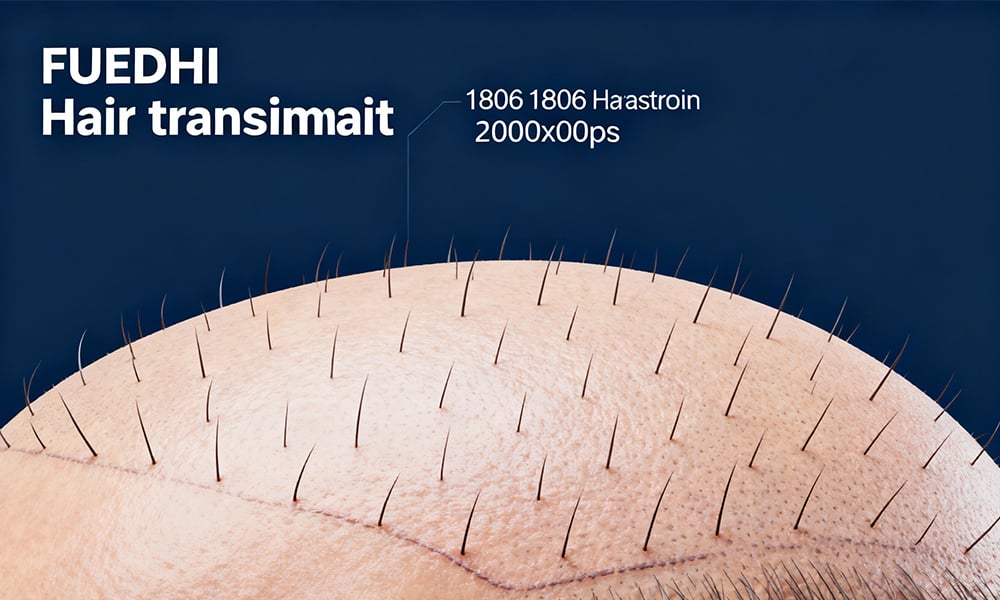
Hair follicles are surgically transferred from the donor to the recipient regions during hair transplantation. The “donor dominance” theory, which preserves the traits of the original hair, is the foundation of this procedure.
The procedure involves various techniques like Quick Hair Transplantation (QHT), Follicular Unit Extraction ( FUE), Follicular Unit Transplantation (FUT), followed by Scalp Microcirculation and Cycles of Hair Growth.
| Factor | Description |
| Donor Area Availability | Usually, the back and the sides of the scalp |
| Recipient Areas | Areas experiencing thinning or severe hair loss |
| Graft Viability | Highlydependente on the expertise of the team and their way of handling. |
Ideal candidates for hairline transplants
Candidates with the following qualities are considered ideal for hair transplant procedures:
- Steady loss of hair
- Enough hair from donor sites
3 .Reasonable expectations
- Great general health
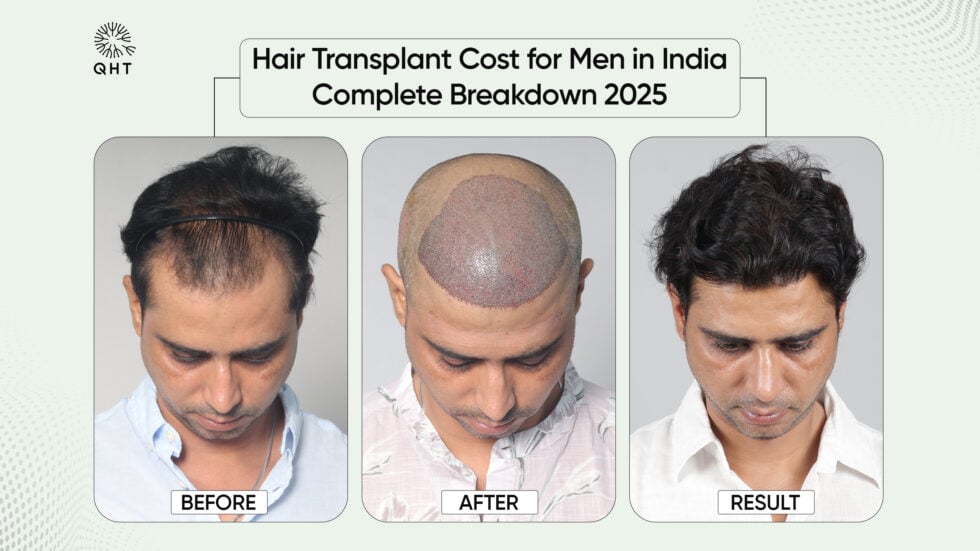
Expected Results And Hair Regrowth Timeline
The outcomes differ, but generally:
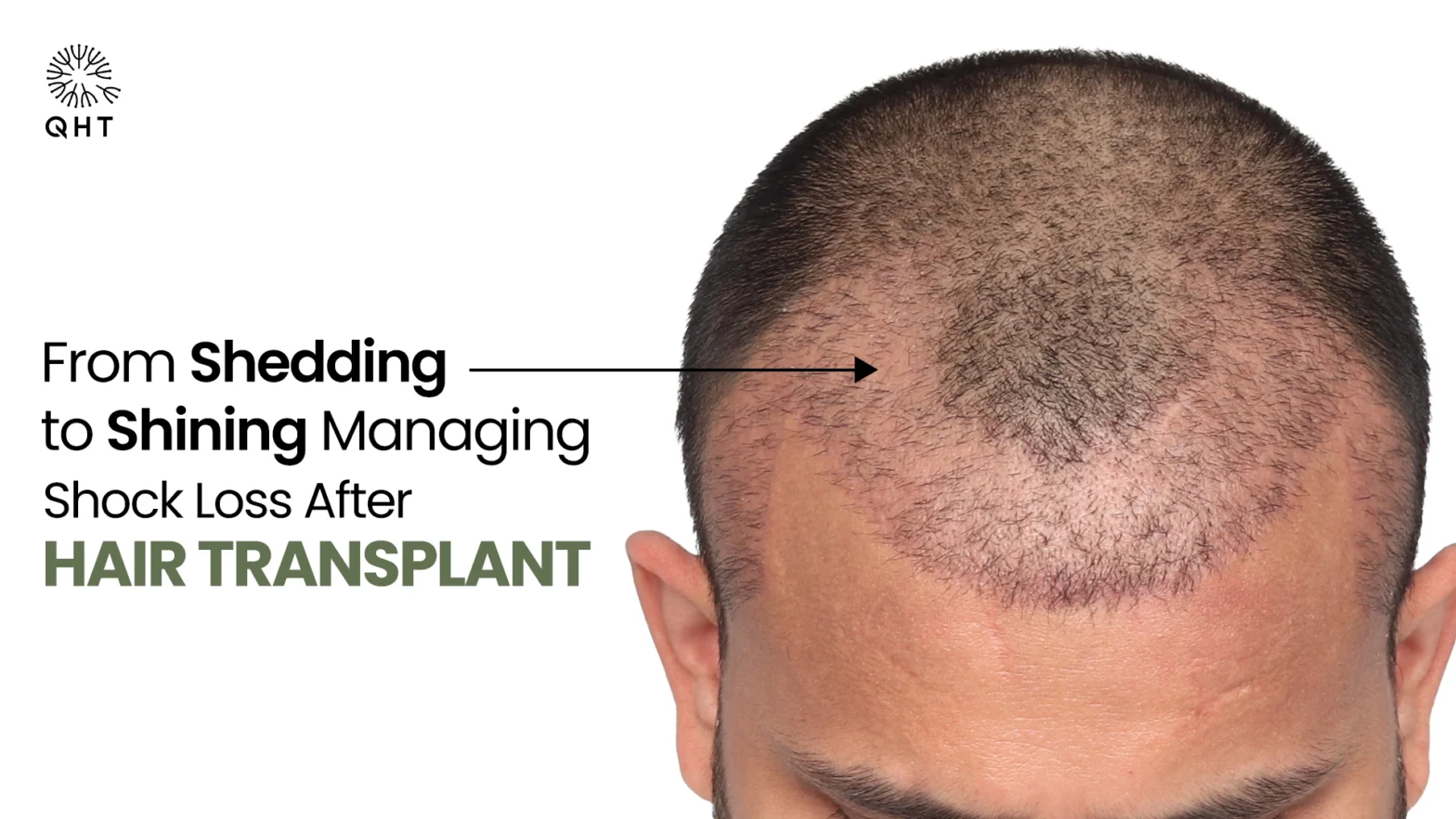
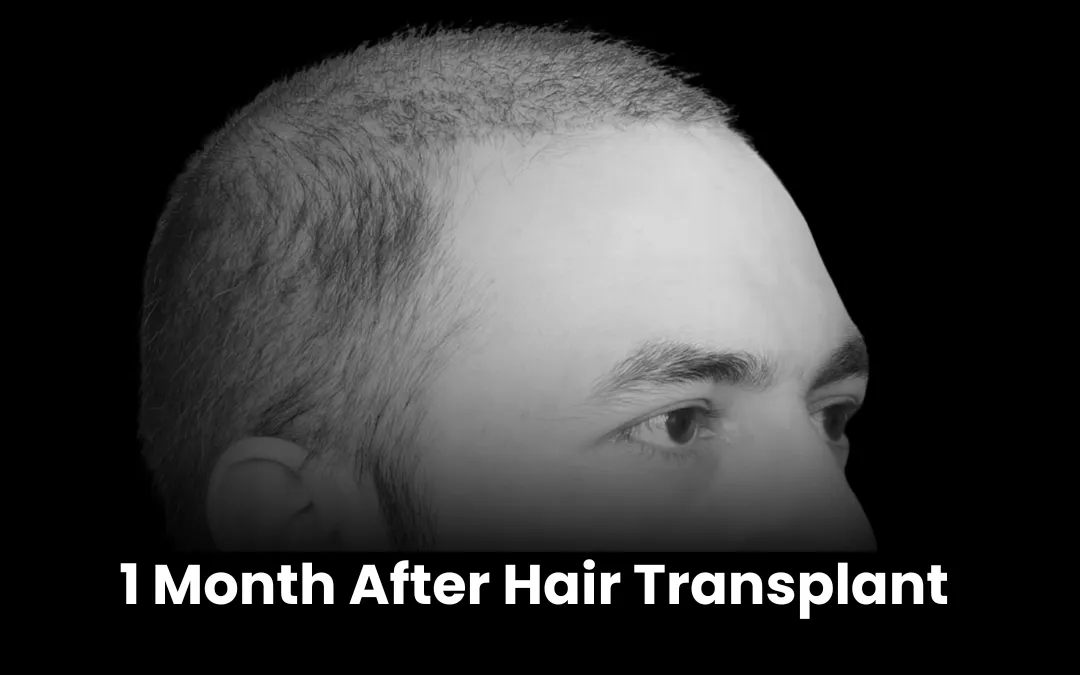
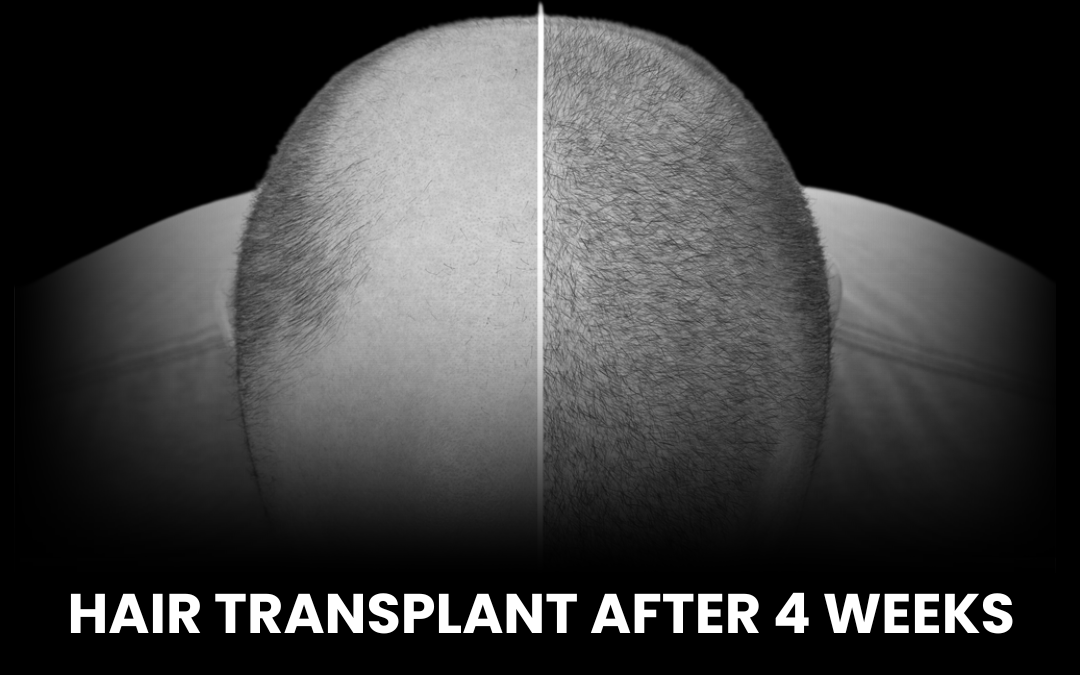
1 .The first shedding happens two to four weeks after the operation.
2.Around three to four months, new growth starts.
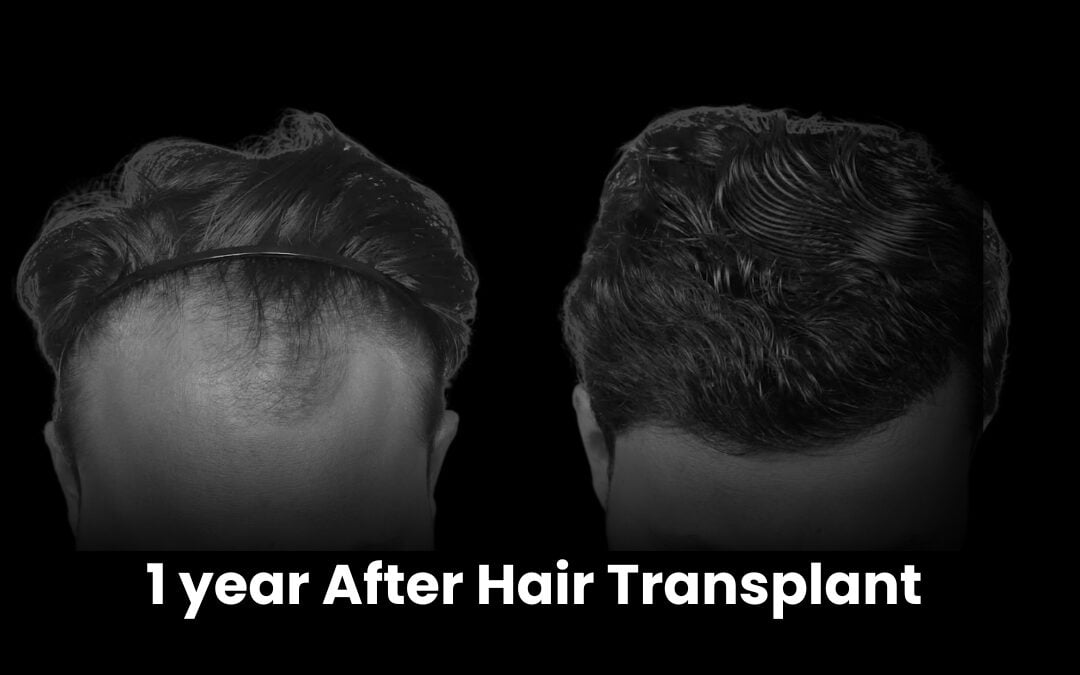
3.After 12 to 18 months, the final results are obvious.
Since hair regrowth takes time, it is advisable to remain consistent with the hair regimen.
Advantages of Hair Transplantation
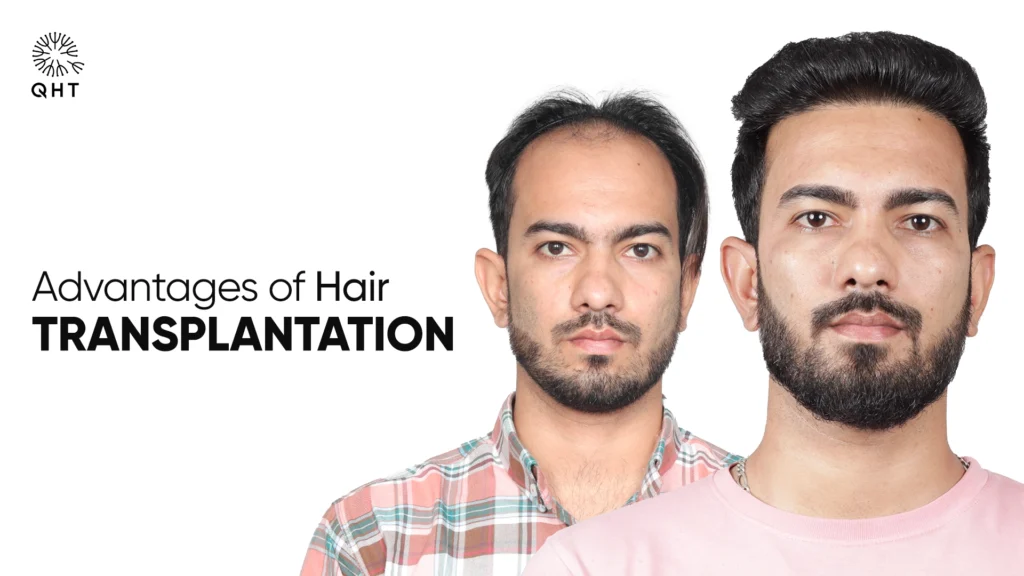
1.Treatment for Permanent Hair Loss: Transplants are the best option for advanced baldness treatment since they provide long-lasting results, unlike temporary solutions.
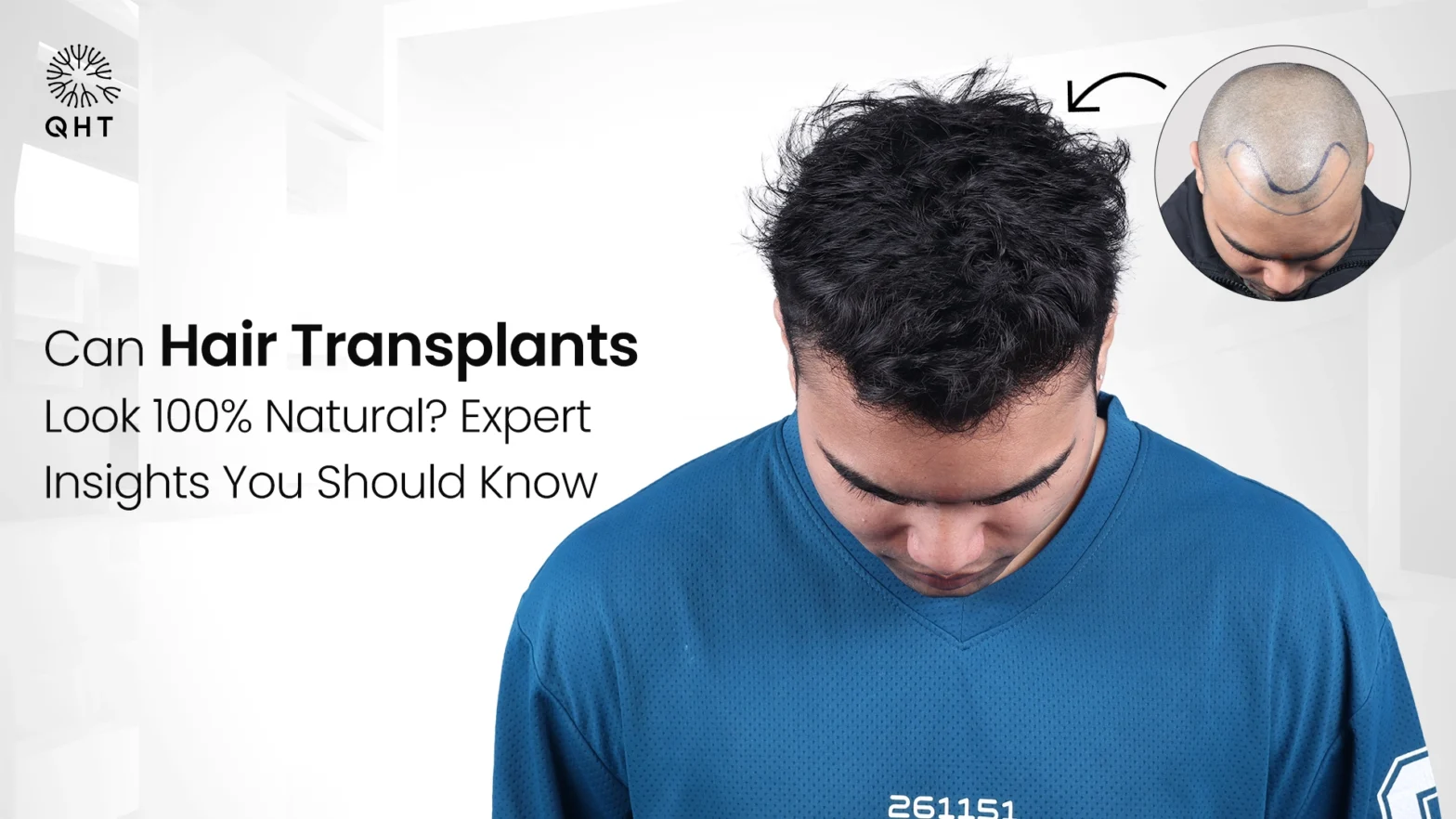
- Natural Aesthetics: To provide seamless, natural-looking hair transplant, skilled surgeons pay a high priority to density and hairline design.
- Low Maintenance: Transplanted hair grows spontaneously after healing; no special washes or routines are needed.
- Confidence Boost: For people who are having trouble with hair patches or a receding hairline, a long-term treatment can boost self-esteem.
Cons of Hair Transplantation
- Surgical Procedure: Needs a skilled surgeon and local anaesthesia.
- Recovery Period: For seven to ten days following surgery, patients may have redness or swelling.
- Not Suitable for Everyone: Alternatives may be necessary for people with little donor hair or specific medical issues.
What Is A Non-Surgical Hair Replacement?
A custom hairpiece or hair patch is affixed to the scalp as a non-surgical hair restoration technique. It provides immediate coverage but does not promote hair growth, unlike hair transplant surgery. The weave can be bonded, clipped, or sewn onto a mesh foundation or existing hair.
Understanding alternatives, such as non-surgical hair replacement for hair loss, helps you assess your options, even though QHT Clinic, India, specialises in surgical hair restoration solutions.
Types Of Hair Replacements:
Based on the coverage and preferences, they are available as ;
- Full-cap systems
- Partial hair pieces
- Toupees
- Wigs
Many people debate over ‘Hair Transplant vs Hair Wig.’
The coverage and the need for both differs.
| Hair Replacement Type | Coverage | Suitable For |
| Full-Cap | Covers the entire scalp | Best for dealing extensive hair loss |
| Partial Hair Pieces | Specific areas of thinning | Targets specific areas of thinning and baldness |
| Toupees | Top or crown area of the scalp | Best for patients dealing with Male-Pattern Hair Loss |
| Wigs | Full head coverage | Complete baldness |
Non-Surgical Hair Replacement Benefits
- Immediate Results: After just one session, you’ll have a thicker head of hair.
- Non-Surgical Hair Restoration: Perfect for people who are afraid to have surgery.
- Styling Flexibility: Try different textures, hues, and lengths.
Drawbacks of Hair Replacement Without Surgery
- Temporary Fix: Less economical in the long run, requiring replacements every four to eight weeks.
- Possible side effects of non-surgical hair replacement include irritation of the scalp, allergies, or harm to existing hair.
- High Maintenance: Frequent cleanings and adjustments at the salon.
Which One Is Best for You?
Your priorities will determine whether you choose non-surgical hair restoration or a hair transplant.
1. Hair Loss Severity
While weaves work well for mild hair thinning, transplants are the best option for treating advanced baldness.
2. Way of life
Which would you prefer: short-term style variety or a long-term, low-maintenance solution?
3. Health Issues
While weaves do not require incisions, surgical procedures do require medical eligibility.
To find the ideal baldness treatment for you, speak with experts at QHT Clinic,India, a pioneer in hair restoration treatments, for individualised guidance.
Efficiency and Durability
1. Transplanting hair
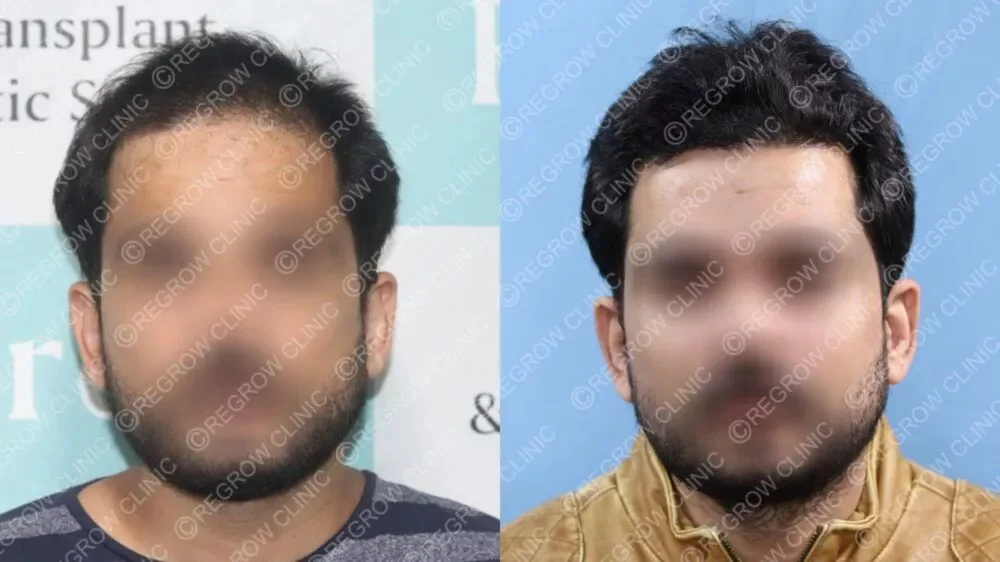
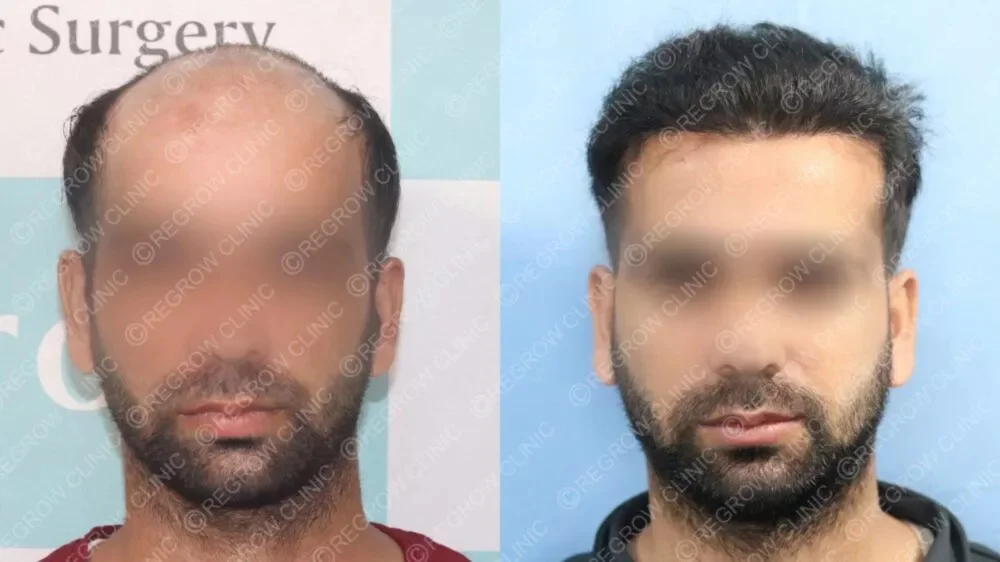
Relocating healthy follicles to thinning areas is a permanent hair loss treatment known as a hair transplant. Although transplanted hair first sheds, 90% of follicles permanently recover within 6 to 12 months, fitting in smoothly with the existing hair to provide a hair replacement that looks natural. Advanced QHT hair transplant techniques are used by clinics like QHT Clinic, India, to guarantee high-density, genuine outcomes. For people looking for long-lasting confidence, this surgery is a sustainable hair restoration option because it doesn’t require ongoing maintenance.
2. Hair Replacement Without Surgery
Although it doesn’t address regrowth, non-surgical hair replacement for hair loss provides instant disguise through attached hairpieces or patches. Traction alopecia and increasing hair loss are two non-surgical hair restoration adverse effects that can result from weave tension over time.
It requires regular salon visits for cleaning, adjustments, or replacements because it is a non-surgical hair replacement. Although short-term practical, it is not as permanent as hair transplant surgery, which makes it less suitable for treating progressive baldness.
Hair transplant surgery is the best option for people looking for long-lasting results.
Important Things to Think About
1. Natural Outcomes vs. Instant Fix
Your follicles are used in hair transplants to ensure that the texture and growth patterns match those of your natural hair. The results appear gradually and blend together to create an invisible, natural-looking hair replacement. With synthetic or real hairpieces, weaves provide a quick disguise; they are perfect for last-minute adjustments but don’t promote hair development. Transplants surpass transient cover-ups in terms of long-term authenticity.
2. Donor Area Density
The ability to harvest follicles from healthy, dense donor hair is critical to the success of transplants. In order to determine eligibility, doctors at QHT Clinic, India, evaluate follicle strength and scalp condition during consultations. Achieving natural density becomes difficult in the absence of a sufficient donor supply. Personalised hair restoration options that are suited to your particular requirements are guaranteed by this medical evaluation.
3. Dedication to Upkeep
As hair grows, weaves require regular appointments to the salon for tightening, cleaning, or replacements—a persistent inconvenience. Transplants only need simple maintenance, such as routine washing and trimming, once they have healed. Hair transplant surgery is a time-efficient option because of this low-maintenance benefit, which is consistent with QHT Clinic India’s emphasis on long-term, sustainable hair loss treatment.
Lifespan and frequency of replacement
A temporary hair fix’s durability varies depending on quality, usage, and maintenance. Generally speaking:
1.High-quality hair wigs are durable for six to twelve months.
2.Replacement frequency: For best results, every three to six months
A hair wig’s quality can be maintained with routine upkeep and appropriate care, mimicking a natural appearance. To assist you in making an informed choice, we will compare the prices of hairline transplants and hair systems as we proceed.
Initial investment for temporary hair fixes versus transplants
The investment needed for each option must be taken into account when comparing the initial expenses of hairline transplants and hair systems.
Due to the surgical nature of the procedure, the need for specialised equipment, and the need for qualified medical personnel, hairline transplants are usually more costly. Temporary hair fixes, on the other hand, are more appealing to people on a tighter budget because they provide a more affordable entry point.
Maintenance and long-term costs
Even though the initial expenditure is vital, it’s as critical to take each option’s long-term costs into account:
Hair Transplant:
1.Periodic touch-ups
2.Post-operative drugs
3.Products for specialised hair care
Temporary Hair Fixes:
1.Replacements on a regular basis (every three to six months)
2.Cleaning products and adhesives
3.Expert upkeep and styling
The total cost of temporary hair restorative options may eventually exceed the cost of a single transplant treatment, particularly for those who choose high-quality hair wigs or extensions.
Why Opt for Surgical Remedies?
Many people view hair transplant surgery as a life-altering choice rather than merely a procedure. Imagine not having to worry about hair patches or air patch adjustments when you wake up every morning. Clinics like QHT Clinic India combine artistry and science to provide natural-looking hair replacement that changes with you thanks to innovations like Quick Hair Transplant (QHT).
Why Are Hair Transplants Better Than Short-Term Solutions?
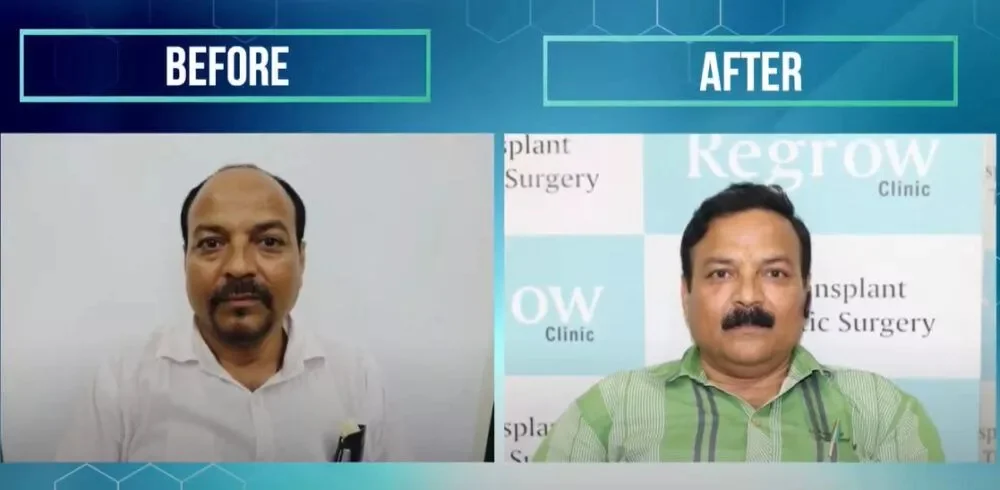
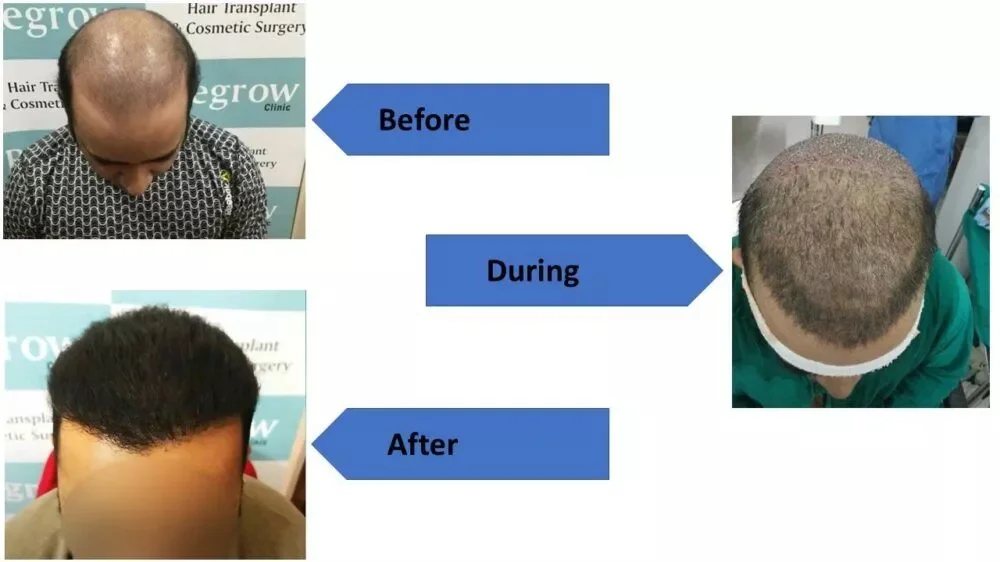
Hair transplant surgery offers a permanent solution for hair loss, whilst non-surgical hair replacement offers a temporary fix.Check out QHT Clinic India’s testimonials boosting hair transplant stories if you’re prepared to commit to long-term hair loss treatment. The advanced hair restoration techniques guarantee natural-looking hair that not only restores hair but also gives self-assurance and confidence.
Why We Are Amongst The Most Trusted Name In Hair Transplant Clinics In India
At QHT, we prefer patients’ satisfaction over anything. The hair transplant packages at QHT Clinic come with assured credibility and affordability.
- 15,000+ successful procedures
Near 100 % success rate with maximum precision and consistent results
- 30 million + grafts implanted
Expert in handling large-scale graft handling, with unmatched skills.
- 15+ years of experience
Over 10,000+ procedures performed by the expert team with 15+ years of experience
+ 5 Clinic Locations
The clinic is located all over India, offering convenience and affordability without compromising on results.
Book a Consultation Today
Latest Videos
-

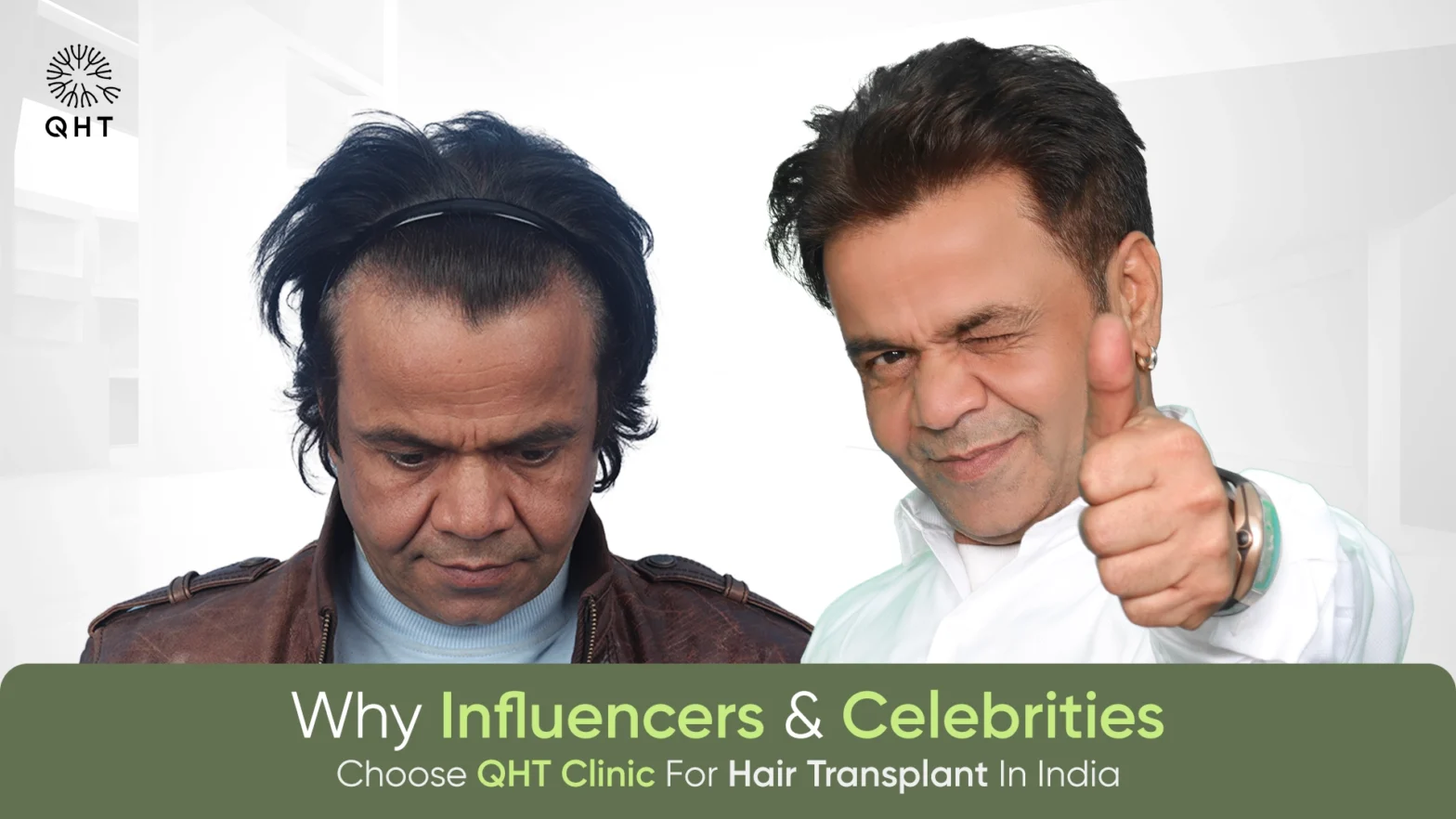
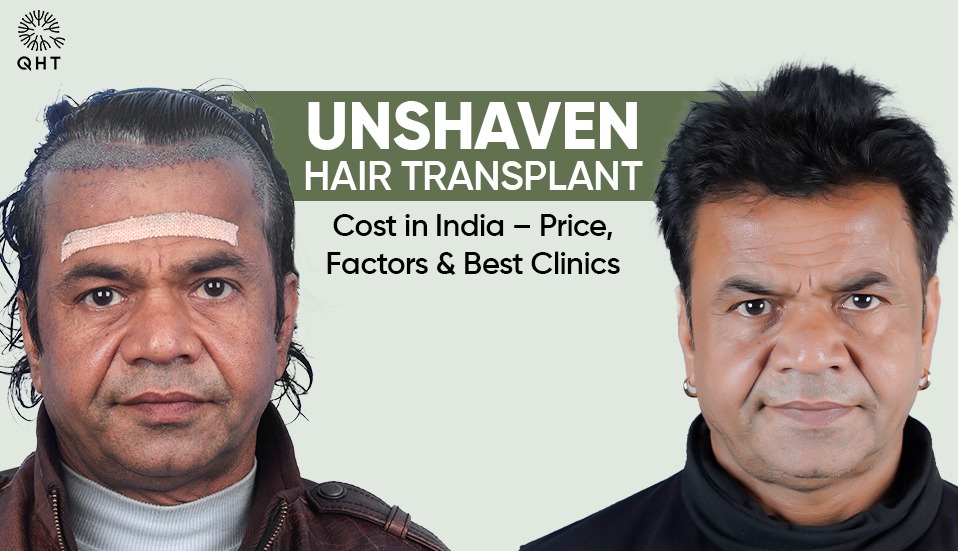
Rajpal Yadav | Bollywood Actor Hair Transplant Journey at QHT Regrow Clinic Haridwar
Click to Watch
-

FUE Hair Transplant Results | DAYA's FUE Hair Transplant Results
Click to Watch
-

Best Hair Transplant Result 2021 || NW Grade VI A || 3,422 Grafts
Click to Watch
-

Best Hair Transplant Result 2022 | Grade 4
Click to Watch
-

YouTuber Mehtab Saifi Hair Transplant
Click to Watch
-
ACP Pradyuman Hair Transplant - Actor's Hair Transplant
Click to Watch