



Seasonal Hair Fall: Myth or Reality?
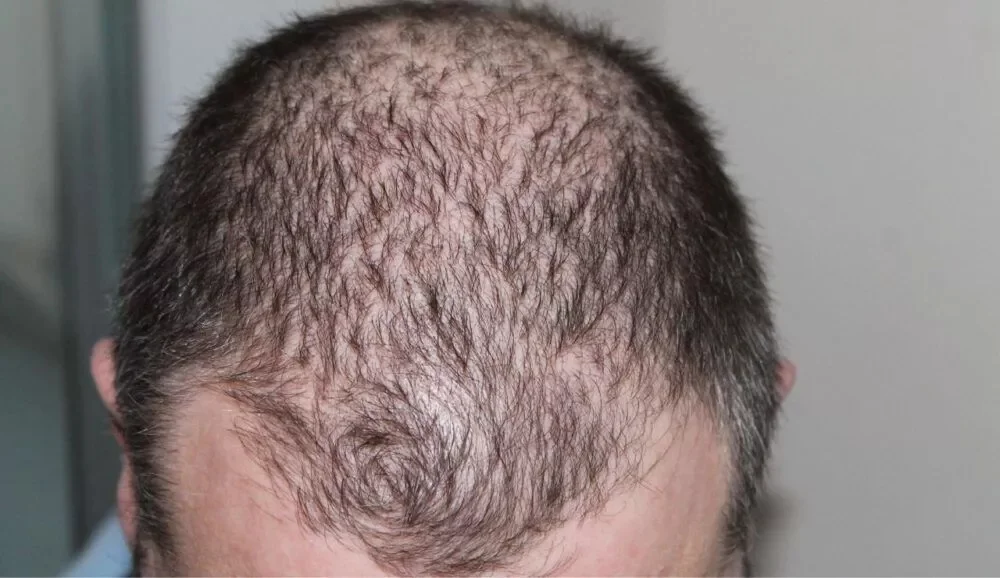
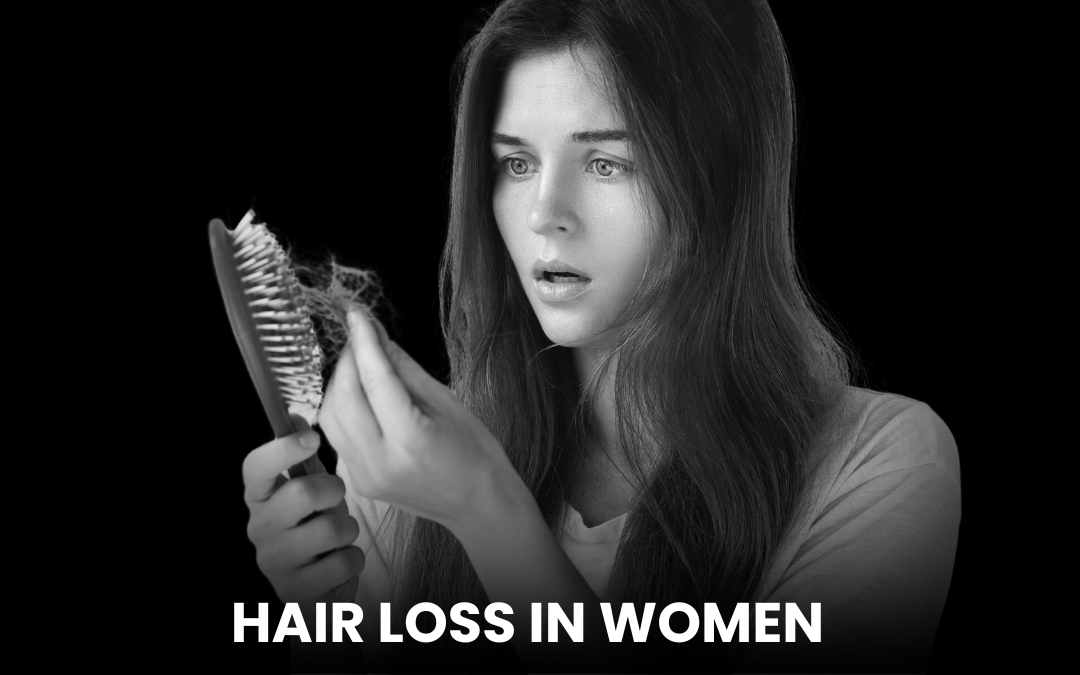
Every year, around the same time, many people notice more hair on their pillows, bathroom floors, or hairbrushes. Panic follows quickly, and the question arises: Is seasonal hair fall real, or just a myth? The truth is in between. Seasonal hair fall is a real biological thing, but people often misinterpret it, overstate it, or blame it for other hair loss problems. This blog explains the science behind seasonal hair fall, the causes, why hair falls more in monsoon and winter, and how to tell if what you’re experiencing is normal or a warning sign.
Quick Answer Box: Is Seasonal Hair Fall a Myth or Reality?
- Seasonal hair fall is real and only temporary. It normally occurs at particular seasons of the year, particularly the monsoon and early winter. This occurs due to changes in the hair growth cycle, humidity, scalp health, and lifestyle.
- Yet through fall ought to disappear itself. When it is persistent or progressing, then it is not seasonal and you should visit a physician.
Understanding Seasonal Hair Fall
One does not grow hair everywhere. It is cyclic and a minute proportion of hairs are shed daily.
Seasonal hair fall happens when:
- More hairs enter the resting phase at the same time
- Shedding temporarily increases
- This shedding is then followed by new hair growth
- It happens in humans and other mammals, showing it’s a natural biological process
Monsoon months have been known to be the most popular seasonal shedding questioned by people in the QHT Clinic, particularly during such times.
Seasonal Hair Loss Causes
What Makes Hair Fall Off More in Some Seasons?
Several factors help:
-
Synchronisation of the Hair Growth.
- During summer:
- UV light is higher.
- Hair then remains in the growth stage to cushion it.
After summer ends:
- Additional hair enters the resting stage collectively.
- Shedding rises after 2–3 months.
- This lapse is the reason why the falls are high in monsoon or early winter, not immediately after summer.
-
Scalp Environment Changes
Seasonal shifts affect:
- Sweat.
- Oil in the scalp.
- Microbes on the scalp.
These modifications have an impact on the condition of the scalp and may also augment shedding. Physicians at QHT Clinic commonly experience worsening of scalp issues depending on the seasons such that hair seems to fall more.
-
Routine Disruption Lifestyle.
Seasonal changes alter:
- What we eat.
- When we sleep.
- How much we exercise
- Stress levels.
Hair follicles respond to such internal developments.
Hair Fall in Monsoon
People tend to notice increased hair fall during the monsoon season, especially in tropical regions. This happens because:
- The scalp is sweaty because of high humidity.
- The growth of fungi and bacteria increases.
- Hair becomes weak and it breaks easily.
- Wet hair stays damp for a long time.
This leads to:
- More shedding.
- More breakage.
- Itchy scalp and dandruff.
At the QHT Clinic, monsoon hair fall is normally a combination of actual shedding + breakage, which is confused with the abrupt loss of hair.
Common Hair Fall Mistakes During the Monsoon
- Tying wet hair.
- Forgetting to wash hair since it is quite humid.
- Using excessively much oil on a humid head.
- Ignoring dandruff.
- The habits contribute to worse shedding on a seasonal basis.
Hair Fall in Winter
Hair fall in winter feels different—and for a good reason.
What Changes in Winter?
- Less oil on the scalp.
- Dry air causes moisture loss.
- Increased drought and scurry on the head.
This causes:
- Brittle hair strands.
- More breakage.
- Hair on clothes and pillows.
Fall of hair during winter is not necessarily loss of root, but rather that caused by breakage. Wrong care during dry weather is normally associated with hair fall during winter at QHT Clinic.
Winter Care Errors
Excessive and frequent washing with rough shampoos.
- Skipping conditioner.
- Not oiling at all.
- Using too much heat styling.
These habits can be fixed and the winter shedding can be stopped within a couple of weeks.
When Seasonal Hair Fall Is Not Seasonal
Seasonal Hair Fall Characteristics
- Sudden start.
- Even losing hair on the head.
- No patchy loss.
- Stops within 6–8 weeks.
- No apparent atrophy with time.
Red Flags That Are NOT Seasonal
- Hair fall has been occurring for more than 2-3 months.
- The part continues to widen or the part becomes thinner.
- The hairback or the crown becomes thin.
- Less volume in a ponytail.
The seasonal shedding may be concealing a latent issue in these situations such as androgenetic alopecia or nutrient deficiency. The detection of this difference is one of the key components of the evaluation at QHT Clinic.
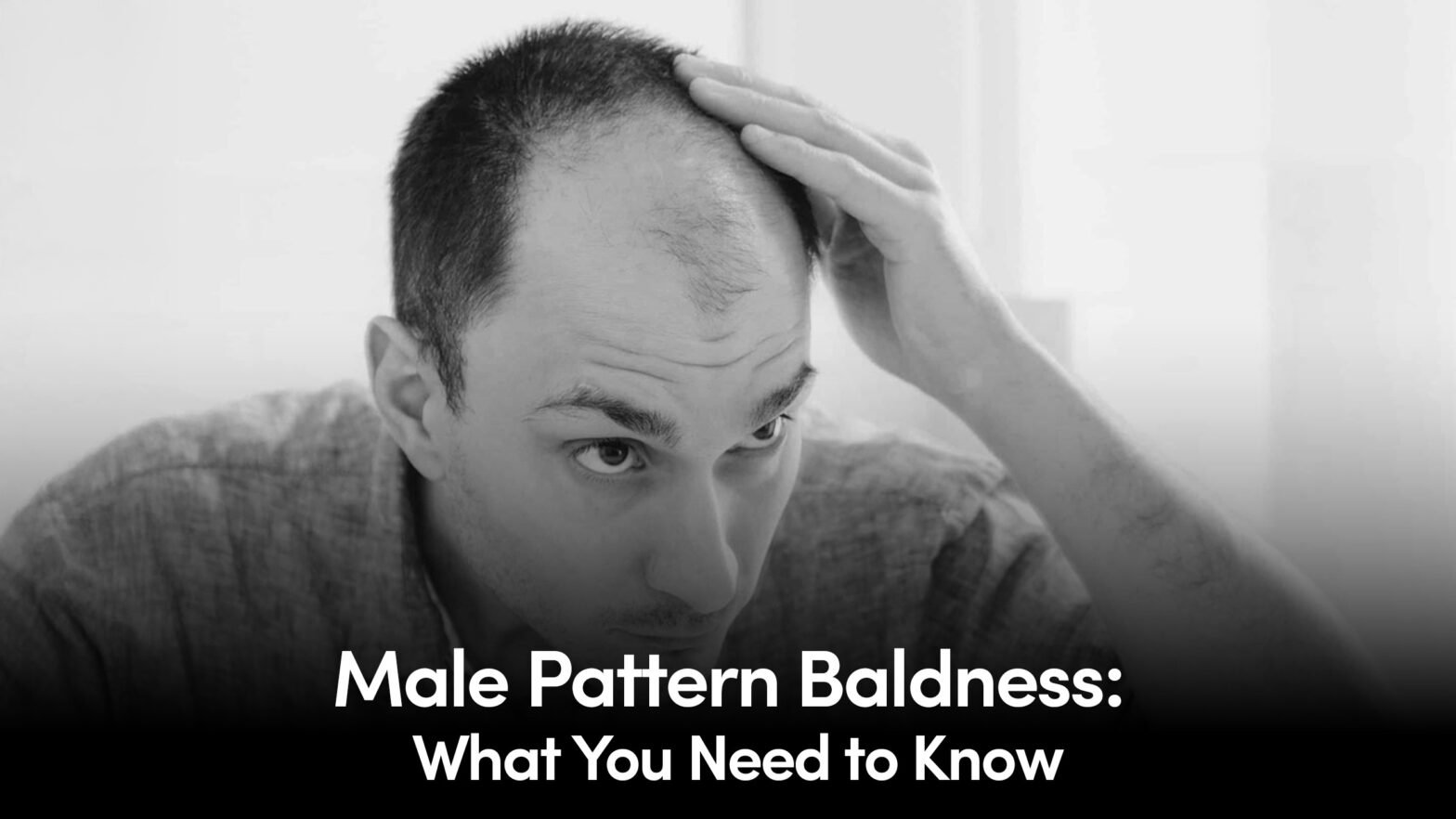
Seasonal Hair Fall vs Pattern Hair Loss
Many people think seasonal hair fall causes baldness. That’s wrong.
- Seasonal hair fall means temporary shedding.
- Pattern baldness implies progressive downsizing.
- Seasonal shedding does not cause destruction of follicles, but may increase the underlying thinning to be observed.
- That is why there are those whose first symptom of hair loss is observed during the monsoon or winter.
Myths vs Medical Reality
Myth: Seasonal hair fall causes permanent baldness
Reality: It is temporary and resolves on its own
Myth: Everyone loses the same amount of hair seasonally
Reality: The amount of hair fall varies from person to person
Myth: Avoiding hair wash reduces seasonal hair fall
Fact: Poor hygiene can actually worsen hair fall
Patient discussions within the QHT Clinic are usually used to clear these myths.
Frequently Asked Questions
- How long does seasonal hair fall last?
Usually 4–8 weeks.
- Does seasonal hair fall happen every year?
Not always. It can vary.
- Should I start treatment during seasonal hair fall?
Only in case of further shedding or aggravation of the thinning.
- Can seasonal hair fall trigger genetic hair loss?
It does not make it but it can reveal it.
- Am I sure that my hair fall is seasonal or not?
The best is a scalp and hair cycle check as it happens at QHT Clinic.
Hair Cycles Science and Expert View
Seasonal hair fall shows the natural rhythm of the hair cycle, not a disease.
Good hair care means:
- Giving an assurance where necessary.
- Evading useless procedures.
- Spotting red flags early.
At the QHT Clinic, the patients are initially made to watch and rectify their routine with the assistance of the medical service only when necessary.
Final Takeaway
Seasonal hair fall is real but often misunderstood. It is transient, self-adhering and belongs to the cycle of nature. However, not every hair fall in some seasons is seasonal. In case shedding is very high and long-lasting, or accompanied by apparent hair thinning, then you need to look into it. Knowing the difference will prevent you from panicking or forgetting.
Book a Consultation Today
Latest Videos
-

Rajpal Yadav | Bollywood Actor Hair Transplant Journey at QHT Regrow Clinic Haridwar
Click to Watch
-

FUE Hair Transplant Results | DAYA's FUE Hair Transplant Results
Click to Watch
-

Best Hair Transplant Result 2021 || NW Grade VI A || 3,422 Grafts
Click to Watch
-

Best Hair Transplant Result 2022 | Grade 4
Click to Watch
-

YouTuber Mehtab Saifi Hair Transplant
Click to Watch
-

ACP Pradyuman Hair Transplant - Actor's Hair Transplant
Click to Watch