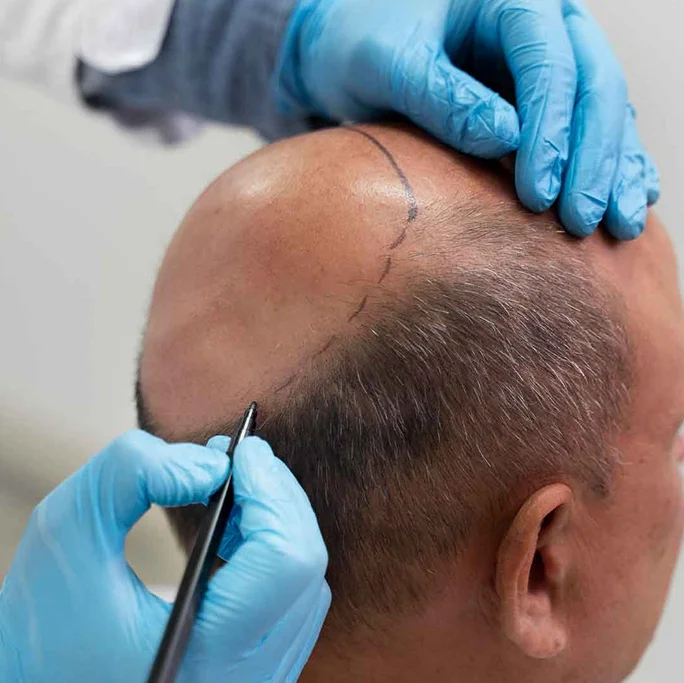


Most people end up paying more due to not having the right clinic, the right technique, or the ability to compare prices. The best results can be obtained with the most affordable price, with the right guidance.
Do not go to the first clinic you encounter. Hair Transplant Cost in Delhi can vary across different clinics. Research and compare at least 3-4 clinics in terms of price, methods, and experience of the surgeons.
FUE, FUT and other sophisticated methods such as QHT differ in price. Money will be saved by selecting the appropriate one depending on your level of baldness.
Other clinics include unwarranted fees such as PRP treatment or drugs. Ask what comes with the quoted price. At QHT clinic, costs are transparent without unnecessary add-ons.
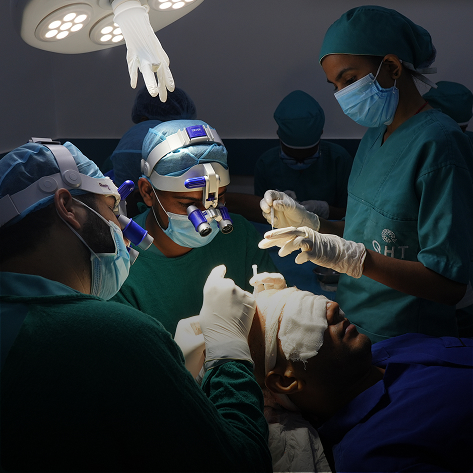
A lot of clinics in Delhi can give you a great deal of discounts during the seasons or holidays.
A qualified surgeon provides enhanced survival of the grafts, or fewer grafts (and reduced costs) to the equivalent outcome.
There are other cases when a minor initial expense can result in natural permanent outcomes that pay back in costs of correction in future.
Other clinics offer a lifetime hair growth guarantee, which is more affordable in the long term.
Treatment is cheaper in Delhi clinics with EMI and financing plans. QHT clinic offers EMI and other financing plans for client comfort.
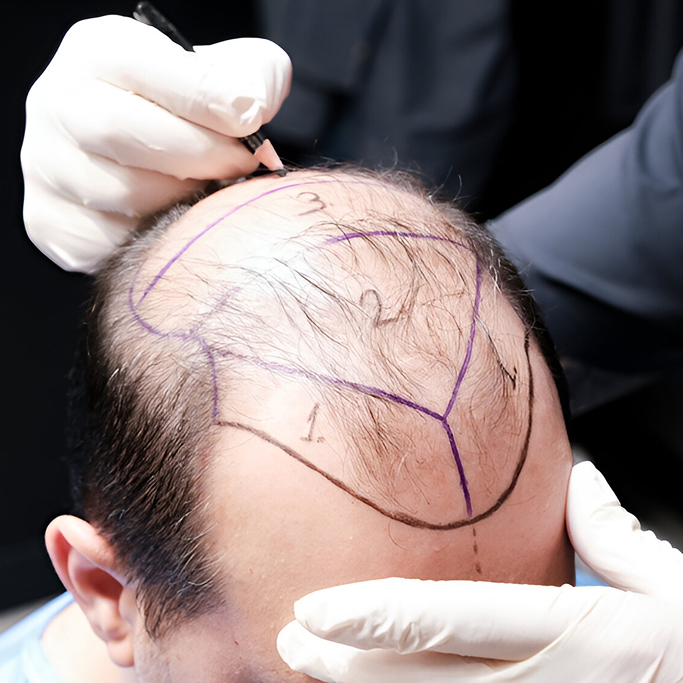
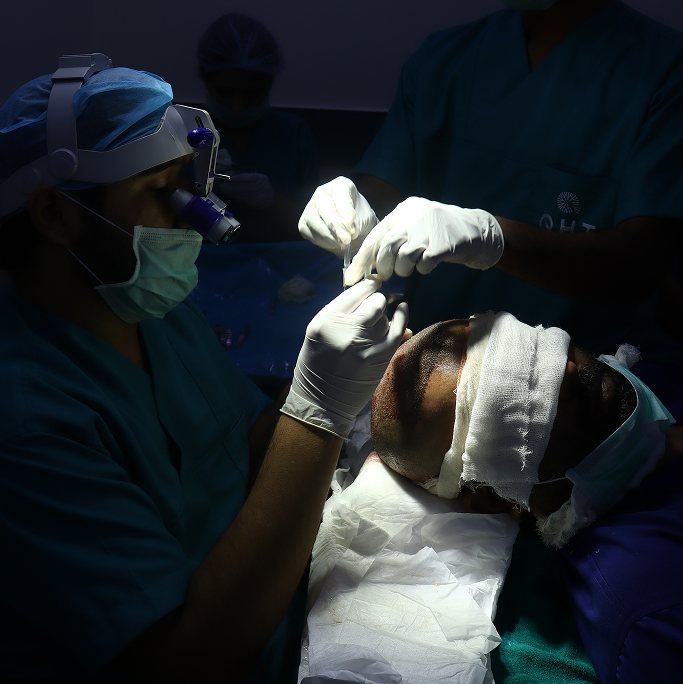
The cost increases due to the increased number grafts as we wait until baldness predisposes the patient to worse.
A lack of qualified doctors can ruin the grafts, and the process will be repeated with increased costs.
Low prices usually indicate low quality, extra fees or unsafe practices.
To avoid complications and corrective surgeries, which increase the overall cost, it is possible to skip aftercare.

A personalised estimate of the graft requirement should always be obtained.
Clinics that hire outside technicians cost more. The internal team of experts is cheaper and less risky.
It aids in an improved comprehension of negotiation.
In the case of a limited supply of scalp donor hair, body hair (beard/chest) can prove cheaper than artificial hair.
The cost of a transplant in Delhi will depend on several factors. Always consider these before going ahead with the transplant.
Increased baldness will demand increased grafts and this will automatically raise the cost.
All have varying pricing models FUT, FUE, SAVA-FUE, and QHT. The more sophisticated ones are more expensive.
A more experienced surgeon can be costly, but he/she will guarantee a better graft survival rate.
The higher the number of grafts, the higher the cost, which is normally computed per graft. At QHT clinic, a pre-operative examination is done to calculate the number of grafts which helps in determining the final cost.
The Best hair transplant clinic in Delhi will be more costly than the mid-range clinics in the prime areas of Delhi. Factors that make these clinics expensive are their facilities and expertise.
Delhi is a medical centre of India, which has the best surgeons, new technology and reasonable rates. It also boasts numerous clinics that attract patients in India and overseas. Moreover, the reputation of Delhi as a medical tourism centre has spread to hair transplant surgeries whereby customers can enjoy international trained doctors, innovative procedures, such as FUE and DHI, and clear prices.
The city is also competitive in terms of costs offered by Western countries but it is also a highly successful destination which means that both local and foreign patients tend to prefer to get safe and effective results. At the QHT clinic, we have encountered several patients who flew across the world to consult us.
There are also some of the best clinics in Delhi with the most modern forms of transplant.
Numerous foreign-trained surgeons work in Delhi.
Delhi is a competitive city in terms of transplant rates although it is the capital. Still, Hair Transplant Cost in Delhi is quite affordable for people across the country.
Foreign patients prefer Delhi because they get global quality services at a reduced cost.
US-FDA approved technology
Certified Hair Transplant Surgeons
A hair transplant is the long-term solution to baldness, whereby hair follicles (which are healthy) are transplanted to bald or thinning hair.
The clinics in Delhi like QHT clinic have clean, non-procedural surgeries; they are performed by FUE, FUT, and QHT without incisions. The patients benefit from surgeons and cutting-edge facilities, and the cost of hair transplant in Delhi is affordable, which makes the procedures even more accessible.
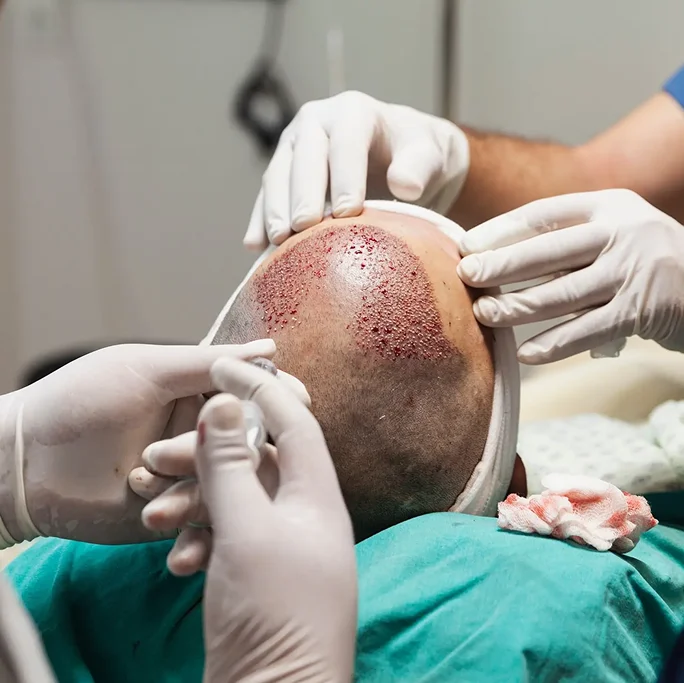
It is done through consultation, graft estimation, operation, and recovery. Delhi clinics are also offering PRP therapy and post-care packages. The effects are experienced within 3-4 months and the full results are seen in 12 months.
Delhi has clinics which offer personalised follow-ups and therefore most of the transplanted hair will grow naturally and integrate easily with the hairline. Patients have long-term outcomes and gain more confidence with proper attention and sophisticated support interventions.
Now, let’s learn further about the hair transplant costs.
In Delhi, a hair transplant generally starts with a thorough scalp assessment, where the doctor studies the pattern of hair loss and designs a suitable hairline. Once the number of grafts is decided, the procedure is carried out using modern techniques, followed by guided recovery sessions. Along with transplants, many clinics also combine supportive treatments like PRP to speed up growth and improve results.
Most patients notice early signs of new hair growth within a few months, and the complete outcome usually becomes visible after a year. Delhi clinics also emphasise regular check-ups and tailored care, helping the transplanted hair look natural and last longer. This not only restores hair but also uplifts confidence with reliable results.
Next, let’s look at how much a hair transplant can cost in Delhi.
FUE (Follicular Unit Extraction) nowadays is one of the most widely used and popular types of hair transplant procedures in Delhi. FUE is known to be accurate and patient-friendly; thus, making it the choice of local and international patients wishing to have their hair restored efficiently in the best hair transplant clinic in Delhi.
The FUE technique is popular with patients interested in the highest level of hair density and a natural look of the hairline, which makes it one of the best options at the best hair transplant clinic in Delhi.
The latest method in FUE is QHT (Quick Hair Transplant) which is very accurate as regards the implantation. QHT uses specially developed instruments, which enable a specific extraction and implantation of hair follicles and cause minimal trauma to both donor and recipient areas.
Delhi has gained a reputation as the best hair transplant destination due to its affordability, experience and high technology. The patients of India and other countries prefer Delhi due to its affordable solutions. A large number of patients have particularly chosen to use QHT hair transplant in Delhi at the QHT clinic because of the natural and permanent results.
Select QHT Clinic to have QHT Hair transplant In Delhi with a mix of the modern technology, qualified surgeons and individualized care to achieve the natural and long-lasting results.
Known to give natural results.
International trained staff.
Economical Packs.
New QHT equipment.
Consultation to recovery.
QHT Clinic would be a great option to invest in your hair restoration, with the best outcomes and the most advanced methods and treatment that will guarantee that every rupee will be worth a lifetime.
Guarantees permanent outcomes.
Tailor-Made appearance.
Clean and healthy environment.
No underwritings.
Discover a range of advanced hair restoration solutions at QHT Clinic, tailored to meet your unique needs and ensure natural, lasting results, with transparent hair transplant cost in Delhi.
Reach out anytime or visit us directly for personalized assistance, expert guidance, and seamless support experience.
QHT Clinic, 521, Model Colony, Ranipur More, Haridwar, Uttarakhand.
D -15, Outer Ring Rd, above Federal Bank, Prashant Vihar, Sector 14, Rohini, New Delhi, Delhi, 110085
QHT Clinic Opposite Hotel Park HyattRoad No. 2 Banjara Hills, Hyderabad, Telangana
Nursing Home Bearing plot No 3, Sector 46, Gurugram, Haryana 122022
The cost of hair transplant in Delhi is usually between ₹ 40,000 to ₹ 3,20,000. The price is determined by several significant variables such as the grafts required, the method used (FUE, FUT, or other more advanced procedure such as DHI/QHT) and the experience of the clinic. Early hair loss sessions are cheaper. When the baldness is severe enough, more grafts have to be used, which eventually makes the hair transplant cost more. The prices of QHT hair transplant in Delhi tend to match the competitive prices in the international market thus it is a cheap alternative without lowering the quality standards. When you decide to get a hair transplant and calculate the costs, always look for the surgeon’s experience, the technology applied, and the general care.
Yes, a hair transplant may be regarded as a lasting cure to baldness. Transplanted hair is harvested in the donor site which is normally the back or sides of the head where the hair exhibits genetic resistance to baldness. These grafts as soon as planted will also grow and develop naturally all through till the rest of your life, like your original hair. Although the process provides sustainable outcomes, thinning of the hair can still occur with time, despite the presence of natural ageing or the transplanting of the hair with no artificial intervention. This is why regular maintenance, a healthy lifestyle, and medical interventions can be prescribed so that they can yield the best effect. Basically, the hair transplanted provides long-term, natural-appearing coverage that is permanent.
Both the FUE (Follicular Unit Extraction) and FUT (Follicular Unit Transplantation) are efficient though the choice of most patients today is FUE. FUE removes a single hair graft and leaves behind a small dot-like scar rather than a long straight scar line hence, it is cosmetically favourable. The recovery is faster and less painful with faster restoration to normalcy. FUT on the other hand could permit more grafts during a particular sitting but stitches would be necessary to leave a noticeable scar. Finally, it all depends on such factors as the availability of donors, the loss of hair level, and the purpose of the patient. An expert surgeon can steer you in the right direction.
Post-surgery healing of a hair transplant is not complicated. The majority of patients can resume their normal lives after 7-10 days, but complete recovery and natural hair growth require a longer time. During the initial days, there may be mild reddishness, scabbing or swelling, which generally fade away with appropriate aftercare. Most of the visible signs disappear in two weeks. Hair that has been transplanted falls out within the first month, and then gradually starts to grow around 3-4 months. Physical density generally manifests between 8-12 months. Adhering to the post-operative recommendations and the use of follow-ups is a guarantee of successful healing and optimal outcomes of the intervention.
The outcomes of hair transplant are time-consuming. When a person receives a surgery, the transplanted hair tends to fall off in the first few weeks, and it is not something to worry about. The new growth starts at about 3-4 months in the form of thin and fine strands. At 6-8 months the hair begins to appear noticeably thicker and more natural. Complete coverage and the final, permanent results with correct density can be observed in a period of 12 months though it can take up to 15 months in some instances. Healthier regrowth may be supported by routine follow-ups with your surgeon, correct post-surgery management, and administration of prescribed medication. It is worth the wait, since the results achieved are natural and permanent.
Hair transplant is no longer regarded as a painful process due to the use of local anaesthesia in surgery. During grafting and implantation of grafts, patients are awake, but painless. The client and donor areas may also experience some mild level of soreness, tightness or discomfort after the effect of anaesthesia subsides in a few days. These symptoms can be treated using prescribed painkillers and they recover fast. According to most patients, the experience was far easier than they had imagined. It is important to adhere to post-surgery care guidelines to reduce post-surgery discomfort and make the process as painless and stress-free as possible with short downtimes.
The quantity of grafts used in a hair transplant is determined by the amount of hair loss, the hair type of the patient and the level of density he/she wishes to have. In small regions like a receding hairline or thinning temples, the number of grafts could be as few as 800-1,500. Depending on the extent of the coverage area, moderate baldness (Norwood scale 4-5) may require 2,000-3,000 grafts, whereas more extensive areas of the body, including Norwood grade 6-7 baldness, may require 4,000-5,000+ grafts. The surgeon also assesses the availability of donors, hair texture and future patterns of hair loss during consultation to advise on the number of graft counts to prescribe. The natural appearance is achieved by the right planning without excessive exploitation of donor areas, providing the coverage and density.
Yes, there is absolutely no problem with women having hair transplants in Delhi. Women lose hair differently than men, who lose their hair in diffuse thinning or receding hair lines, as opposed to bald patches. Talented surgeons in Delhi are also capable of providing customised services like hairline lowering, and temple re-plenishing surgery to women who experience hair loss or thinning in the form of patterns. Such methods as FUE and QHT hair transplant in Delhi guarantee little scarring and a natural appearance, even with long hair. Surgical restoration is also being used alongside medical therapies in many clinics to achieve maximum results. Indian and foreign women prefer the city of Delhi due to its low cost, skilled professionals, and availability of modern transplant methods.
Yes, EMI (Equated Monthly Instalment) is offered by the majority of the reputed hair transplant clinics in Delhi to make the procedure more affordable and accessible. As the hair transplant cost in Delhi may vary between tens of thousands and several lakhs based on the number of grafts and the methodology, the option of flexible payments is very helpful. EMI enables patients to pay, through convenient monthly payments, which makes the cost of the care more affordable and yet provides the same world-class care. Most clinics have collaborated with major banks or financial service providers to come up with low, or even no-interest EMI schemes. In this manner, patients will be able to concentrate on treatment and healing without being stressed about finances.
Yes, the first few weeks post-surgery may result in shedding of transplanted hairs or shock loss as it is commonly referred to as a normal and natural process. Patients are likely to be worried, but that is just a passing thing. The hair follicles are healthy and below the skin, the growth normally starts at 3-4 months. These new hairs naturally grow, like the existing hair and they are permanent in that they are growing out of the region where the hair is resistant to the effects of baldness. One should adhere to post-operative care, regular follow-ups and wait. The first shedding is an indication that the process is underway to attain natural long-term outcomes.
Yes, hair transplant cost in Delhi is easily the cheapest in India. The best hair transplant clinic in Delhi will in most instances offer cheaper packages than Mumbai, Bangalore or other international cities such as Dubai or Istanbul. The hair transplant price in Delhi is between ₹40,000 to ₹3,20,000 depending on the grafts and the technique adopted. Delhi has a great deal of highly qualified surgeons, state-of-the-art facilities, and affordable prices. Practically every patient, even international clients prefer Delhi due to its affordability, as well as the presence of modern procedures, high success rates and quality of medical practitioners educated within the international standards.
Yes, body hair is a possible source of a donor in those instances when a supply of scalp donors is inadequate. This is a procedure referred to as Body Hair Transplant (BHT). The most frequent places of donation are hair, chest, and back as well as legs. Beard hair is usually favoured because of its thickness and growth properties and the chest hair can be used to give extra grafts in case of need. BHT is particularly effective with patients who have severe baldness (Norwood grade 6-7) and who do not have sufficient supplies of scalp donor hair. In Delhi, some skilled surgeons are specialists in the area of the combination of body hair and scalp hair to ensure a natural appearance. Density and cosmetic harmony after the transplant are a certainty of proper planning.
Yes, QHT (Quick Hair Transplant) is an advanced form of a conventional FUE, which possesses several benefits. When using QHT, grafts are placed in place right after removal and this does not require a long storage period, making them a better graft to survive and be healthy in growth. The procedure also causes minimal handling, which causes fewer traumas to the hair follicles resulting in quick recovery with little scarring. The patients tend to experience increased density, faster healing, and natural results when compared to conventional FUE. Both techniques are efficient, but QHT is more applicable to a person who wants to achieve the highest possible accuracy and long-lasting outcomes. The consultation of a qualified clinic in Delhi will reveal whether QHT is the correct choice.
The selection of the appropriate clinic is an important factor in successful hair transplant outcomes. Begin by investigating the qualification, experience, and patient feedback of the surgeon. Find clinics with specialised procedures like FUE, DHI or QHT because they have the best results of creating a natural look with minimum consequences. Realistic expectations, clear communication and transparent pricing are also significantly important. Evaluating credibility before and after photos, video testimonials, and independent patient forums may be useful. Some clinics offer cheap deals, but they are not well supported by proper medical support. Instead, focus on knowledge, safety levels, and technology to make sure that you are provided with high-quality care and outcomes that reflect what you personally set out to accomplish.
Yes, in the hands of the experienced and trained surgeons, the effects of a hair transplant will be totally natural. The current methods include FUE, DHI and QHT that enable the accurate positioning of the grafts about their angle, direction and density of the grafted hair. This is a simulation of the process of natural growth and the result is practically unnoticed. Micro-sized instruments are also used, which adds to the appearance of nature, causing minimal scarring. In Delhi, numerous leading clinics are dedicated to the artistic design of the hairline to match the shape of the face and this is the main aspect to attain realistic outcomes. When taken good care of, trans planted hair blends with the existing hair that provides long-term and natural cover.