



When Can I Wash My Hair Normally After a Hair Transplant?
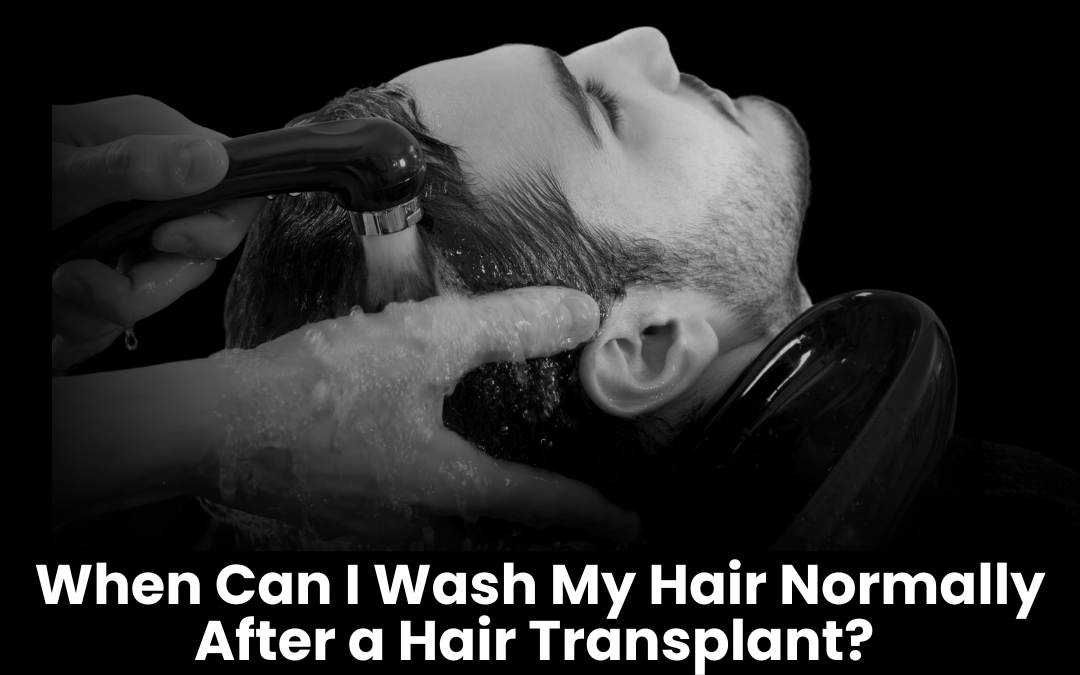
“When can I wash my hair normally after a hair transplant?”
This is a common question that many patients have after undergoing a hair transplant procedure. The journey to fuller, natural-looking hair doesn’t end once the surgery is complete. Post-transplant care plays an important role in ensuring optimal results, and one of the most delicate aspects is learning when and how to wash your hair again.
In this guide, we will walk you through the recommended timeline and steps to safely wash your hair after a transplant, helping you protect your new follicles while maintaining hygiene.
For those considering a hair transplant, QHT Clinic, a leading hair transplant clinic in India, is renowned for its expertise in Quick Hair Transplant (QHT) and FUE techniques, offering advanced and reliable solutions for achieving natural, long-lasting results.
Get expert advice tailored to your hair transplant journey. Take the next step towards achieving the best results—schedule your consultation today!
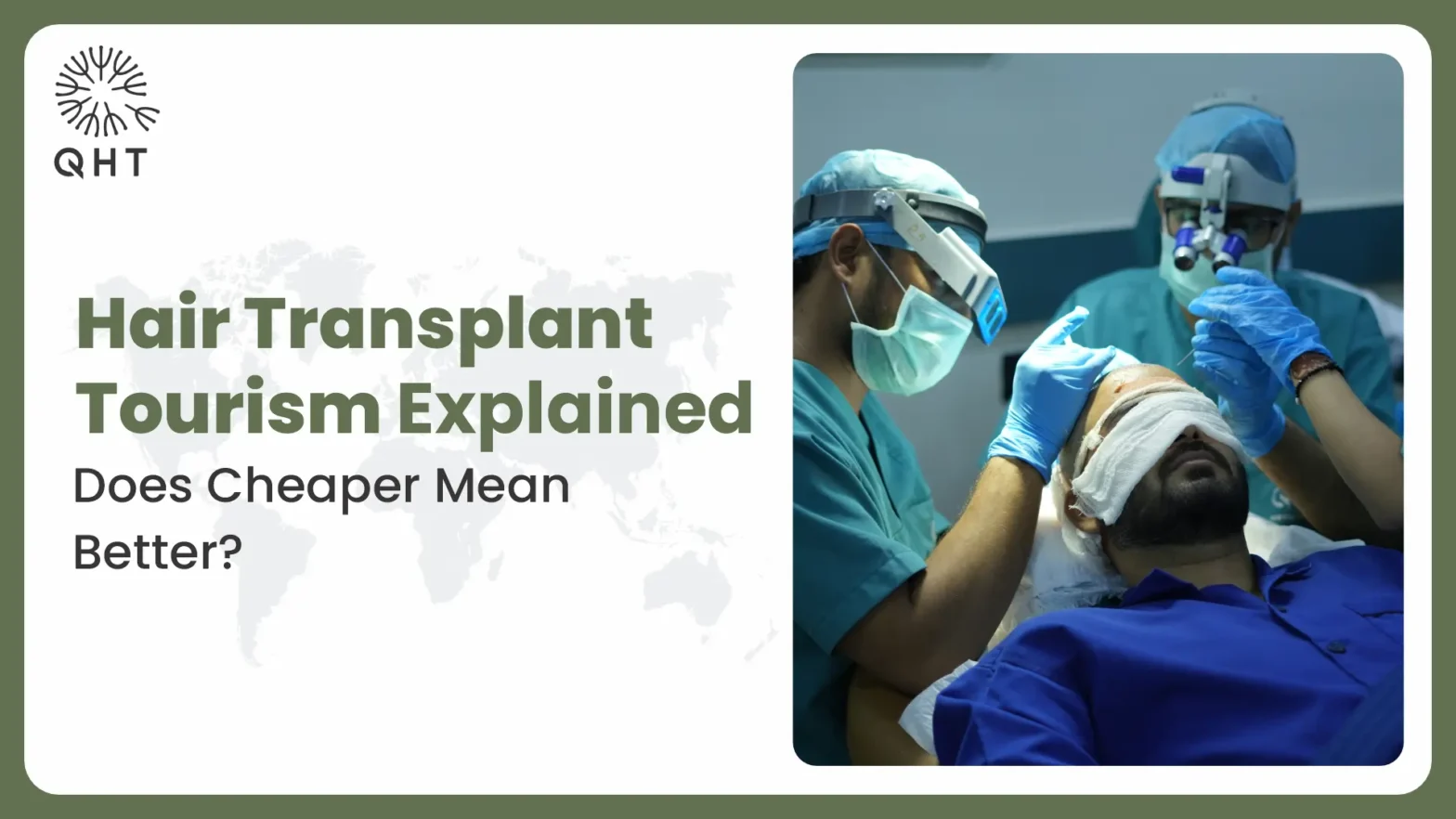
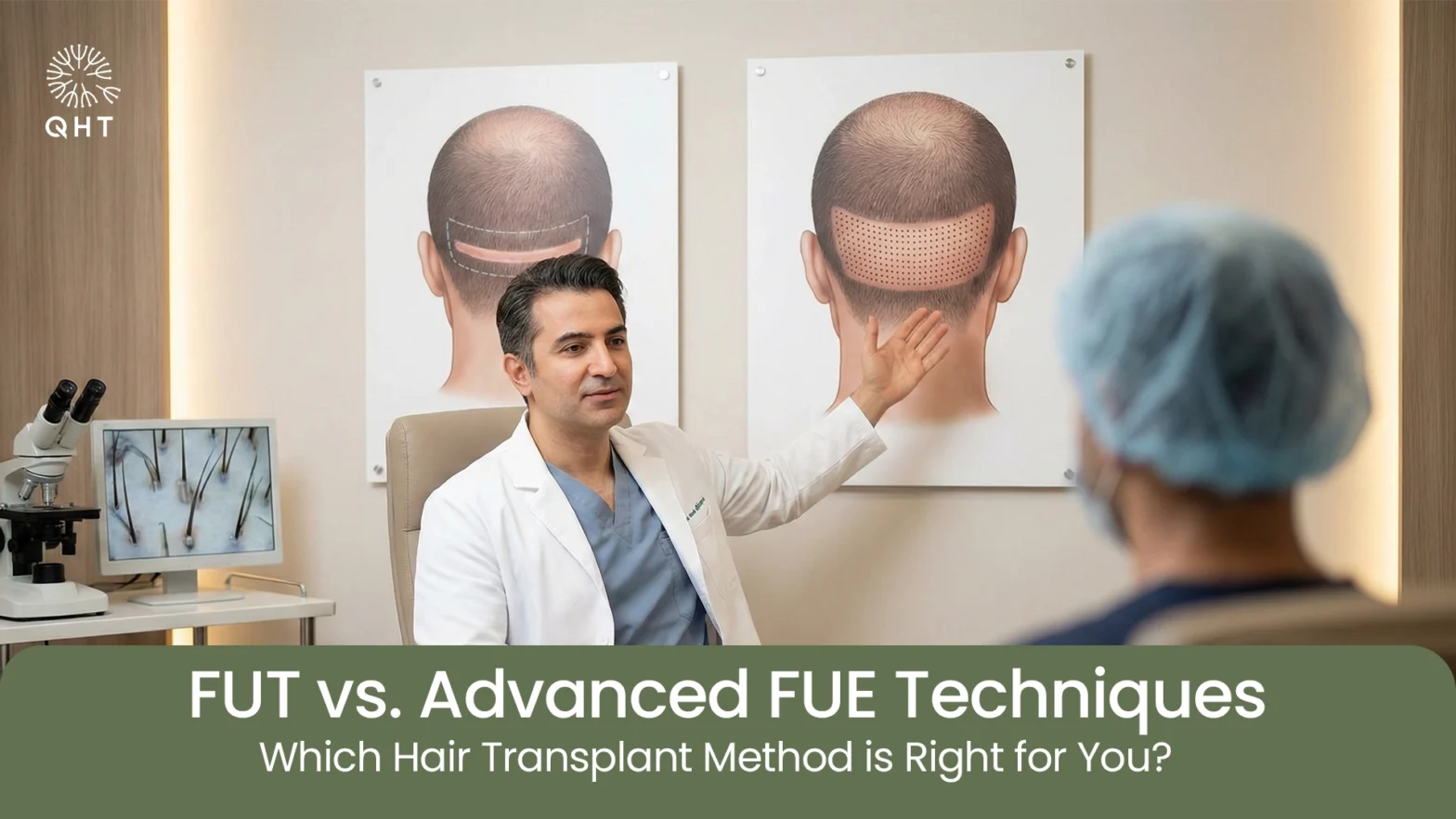
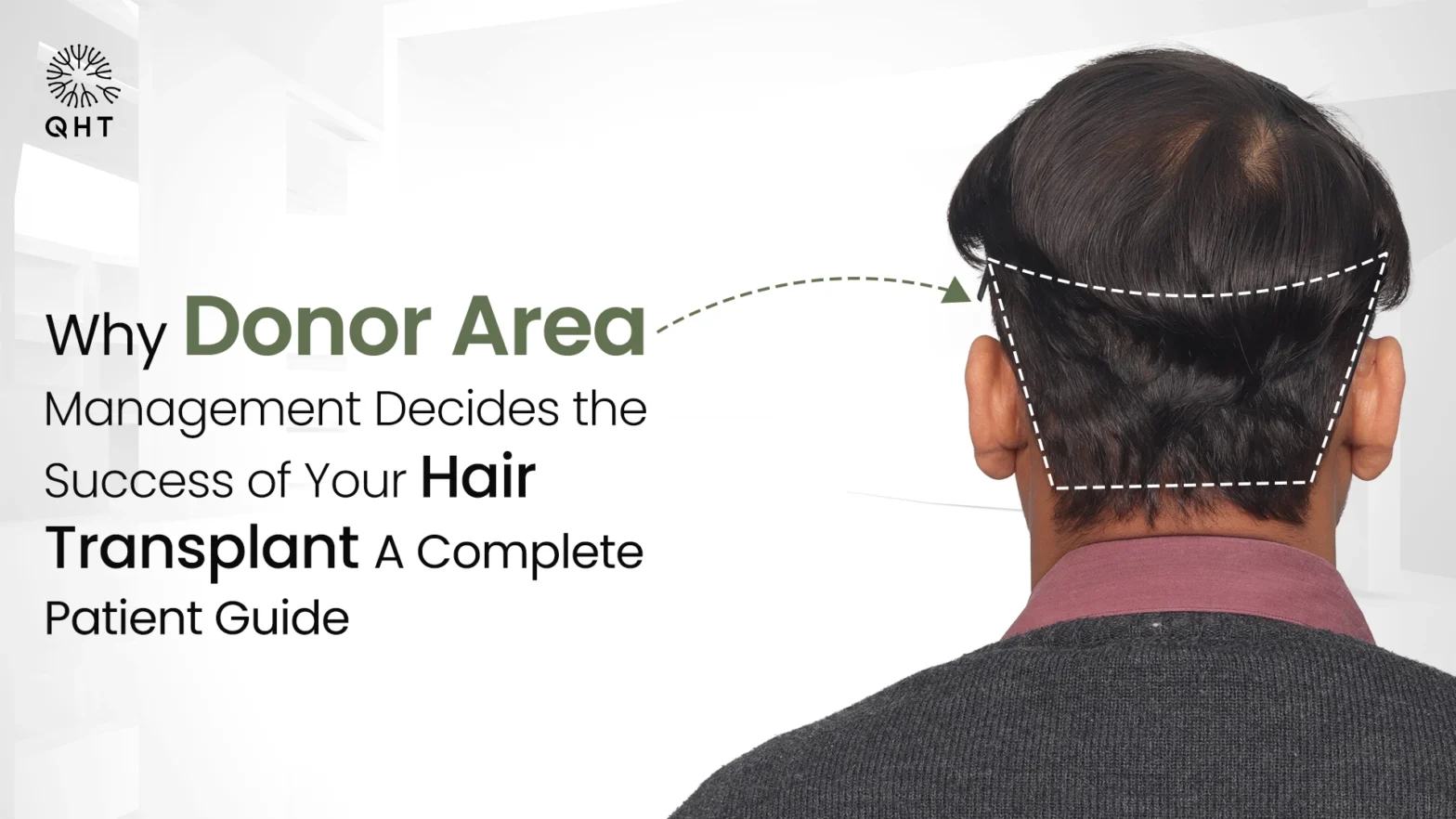
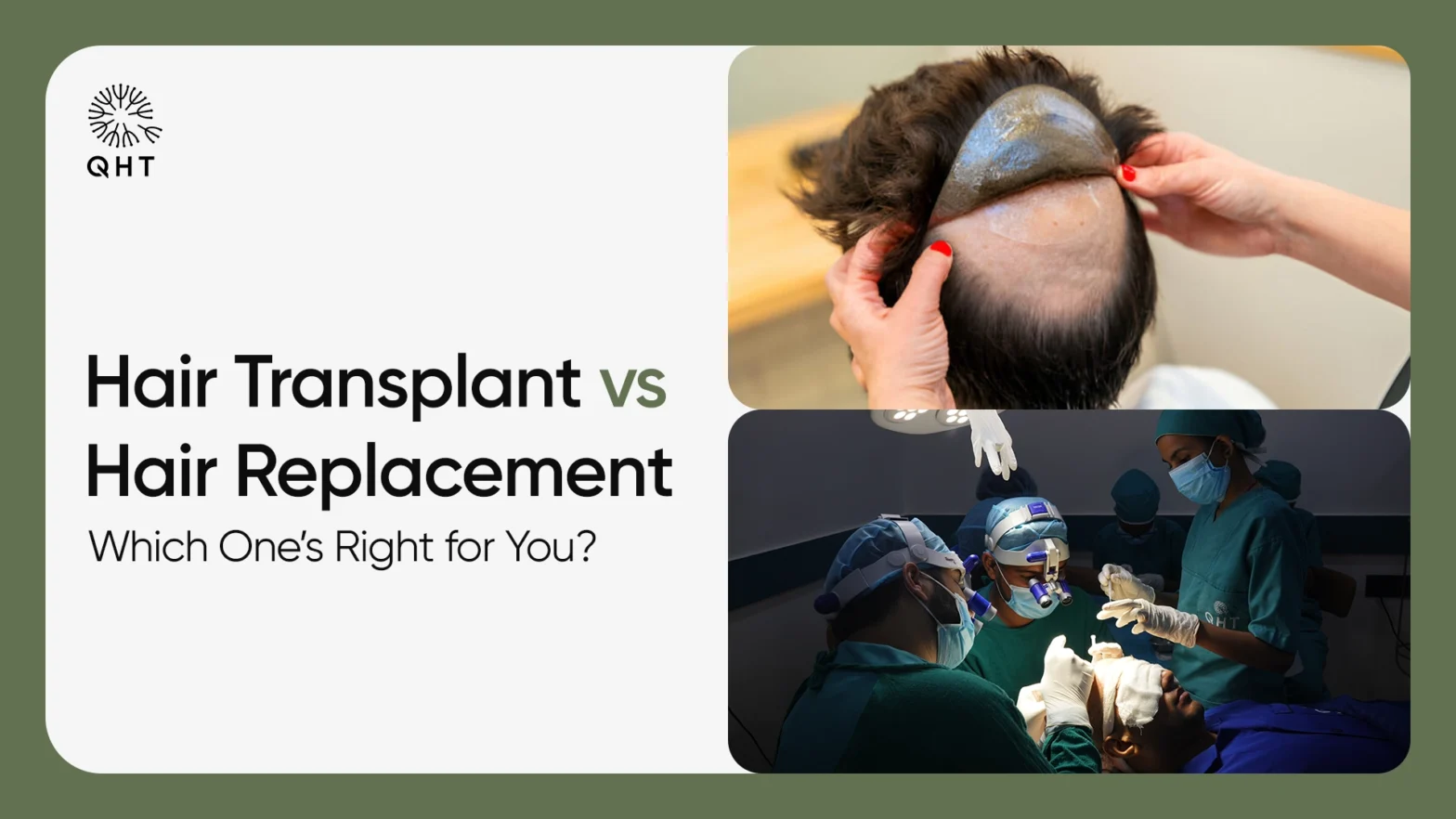
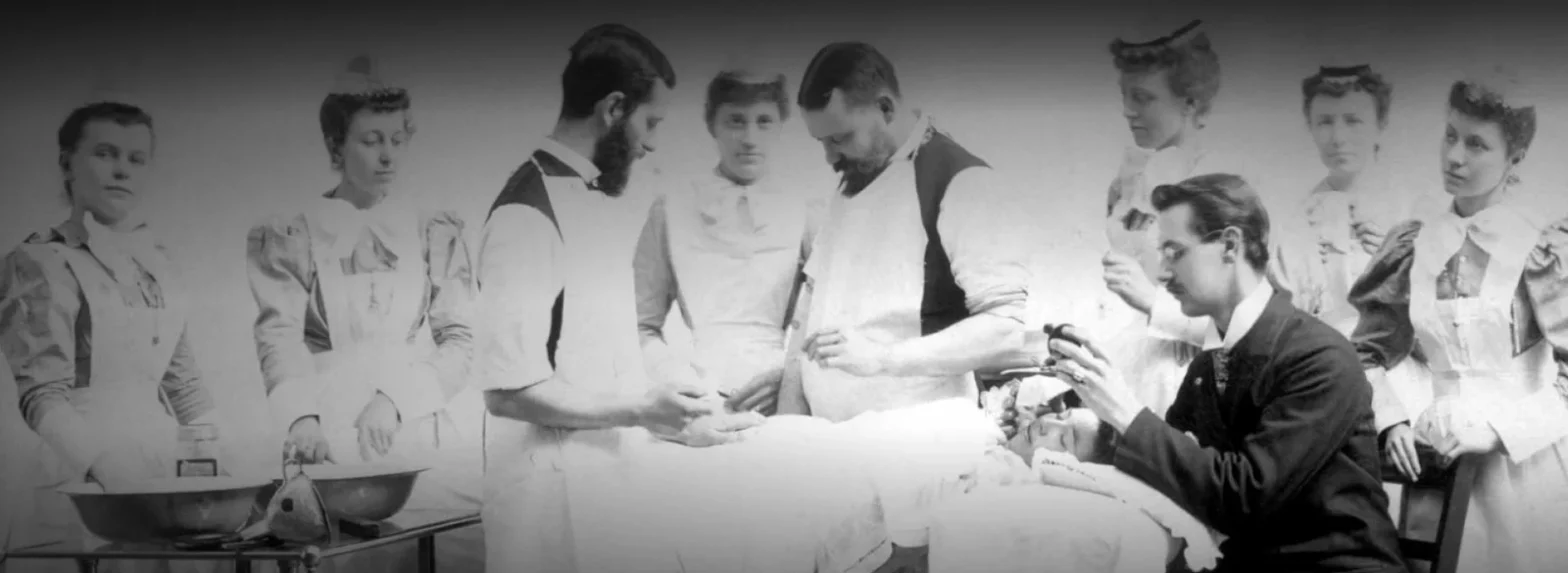
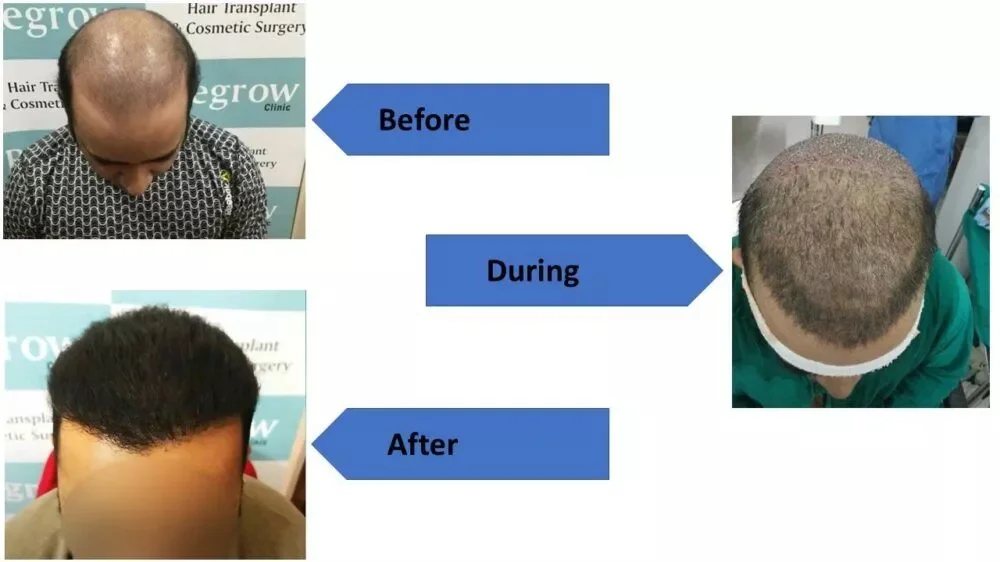
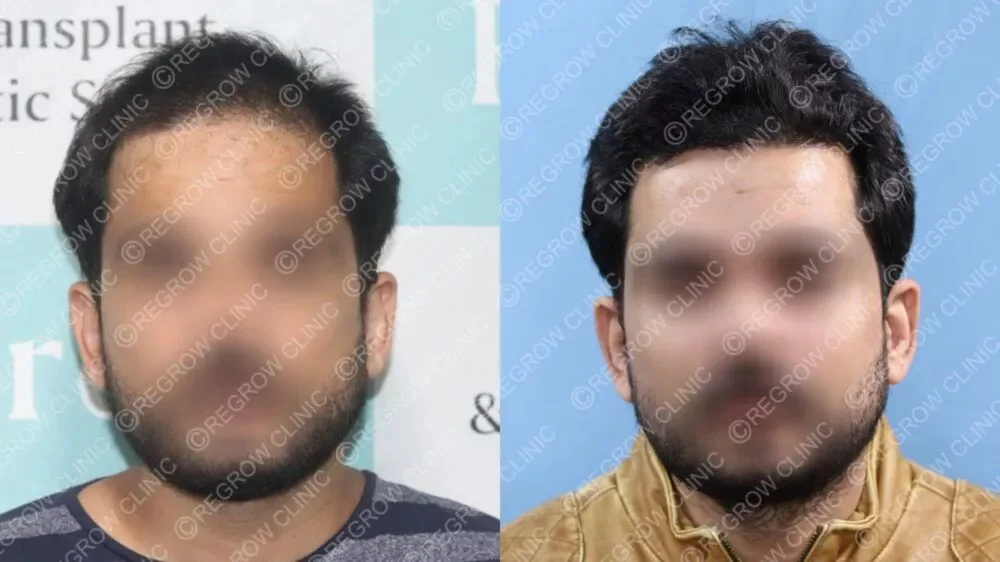
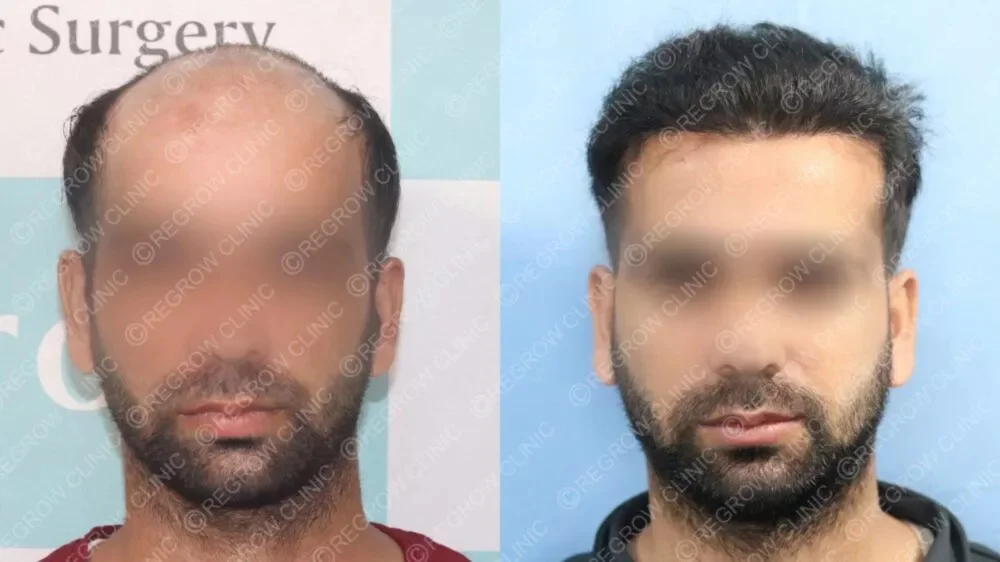
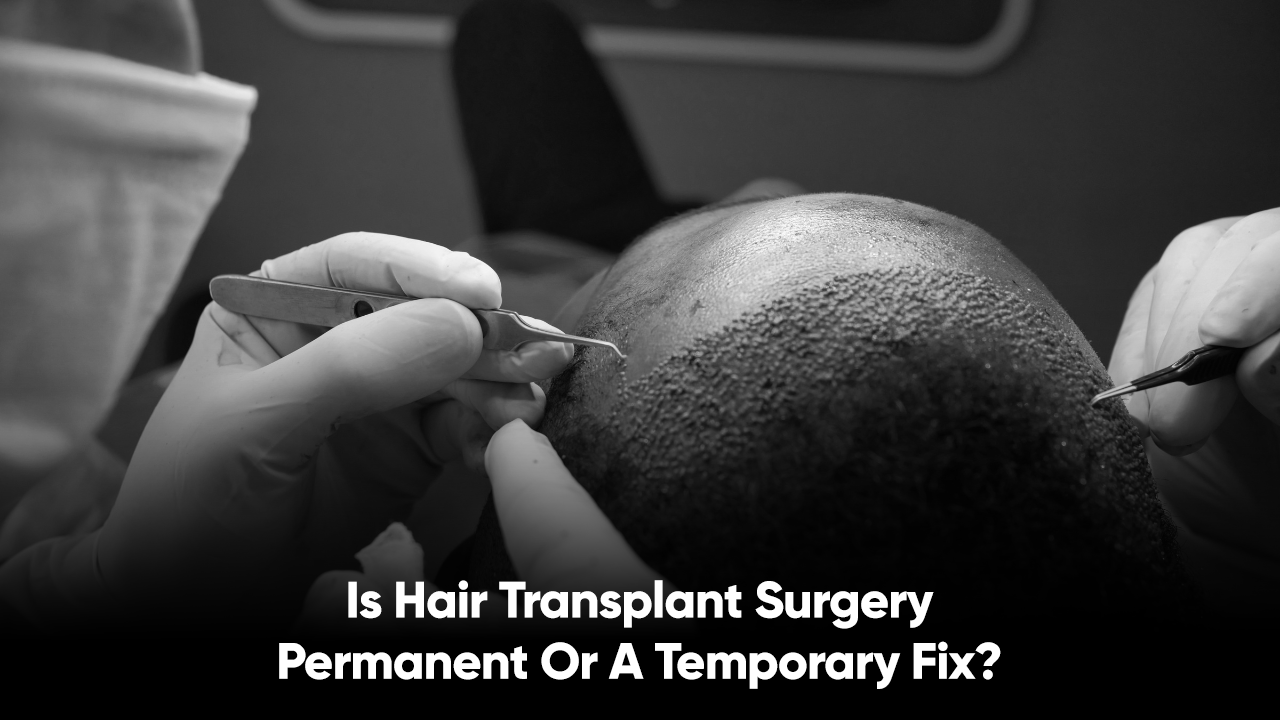
Despite being 200 years old, hair transplant treatments have been improved with modern technologies. Prior to the hair transplant, the specialists evaluate the donor’s hair quality, hair loss pattern, and the size of the balding area. The doctors adhere to two key procedures. In both of these operations, the doctor cuts a strip of healthy hair from the scalp of the patient’s head, removes it, and inserts the pieces into the bald spots.
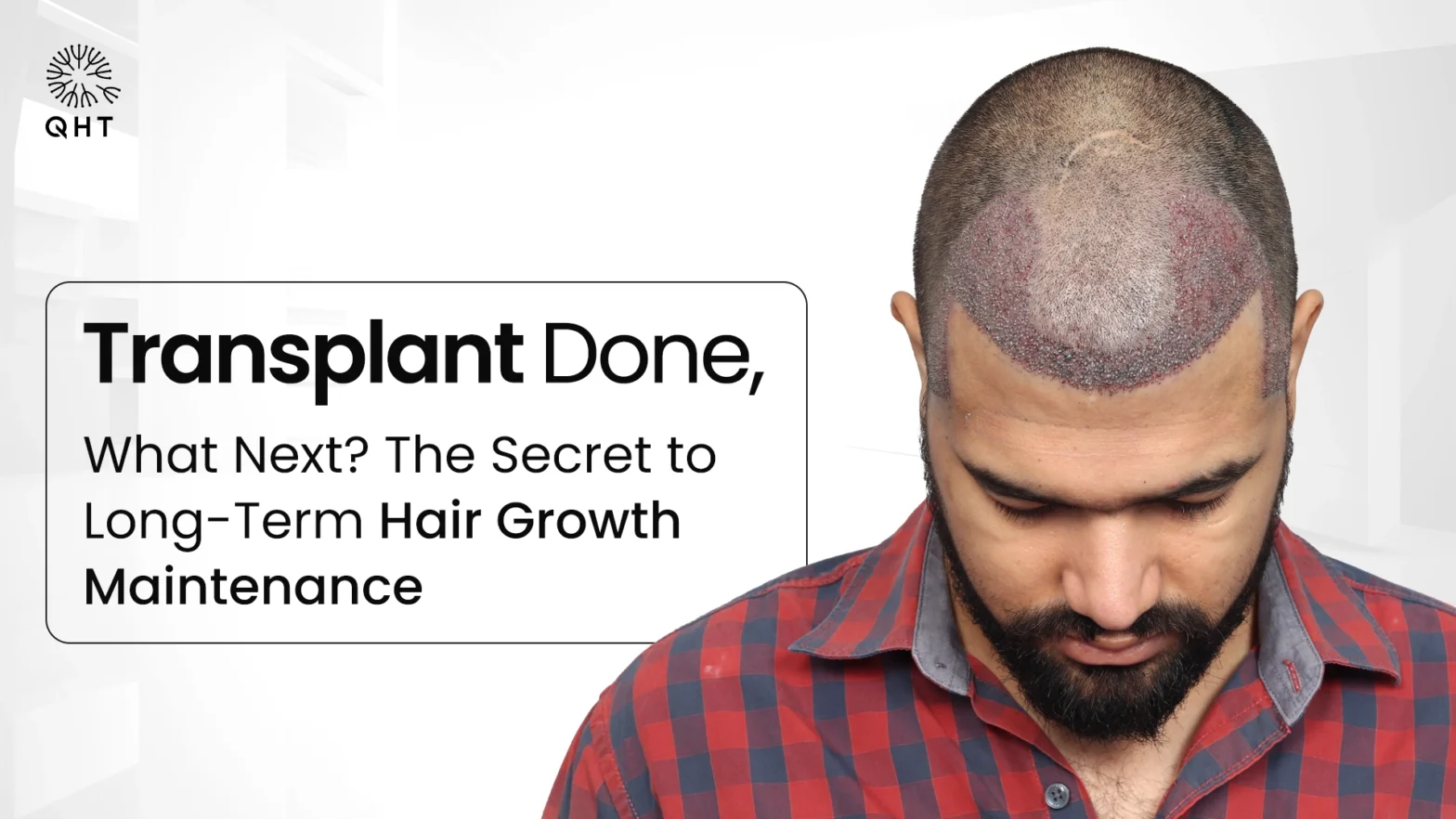
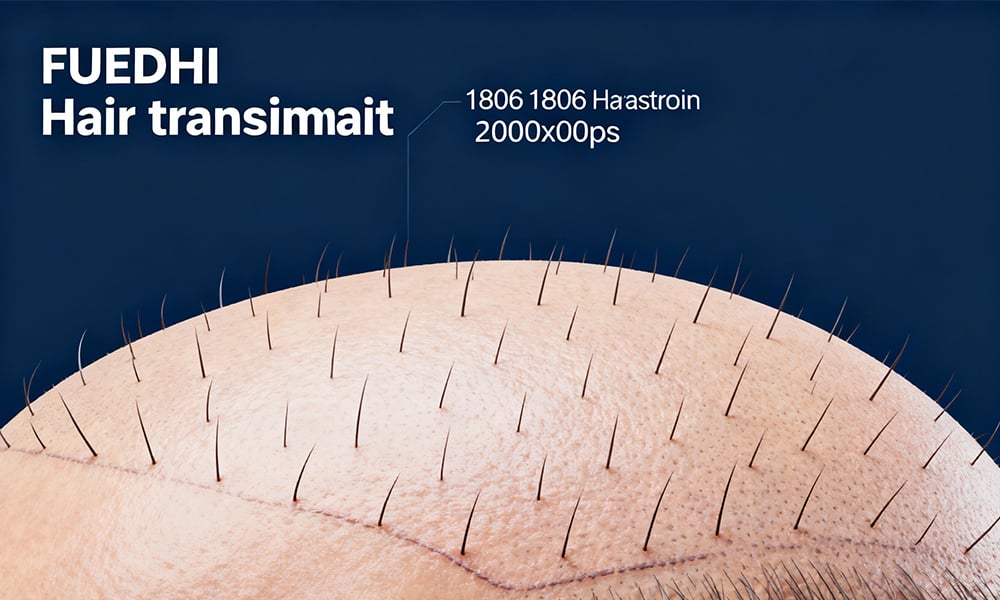
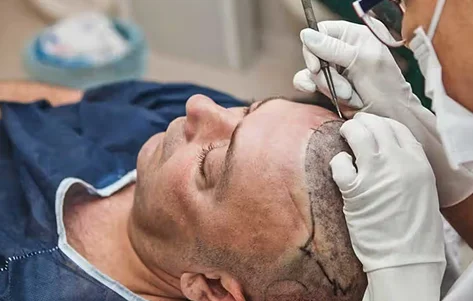
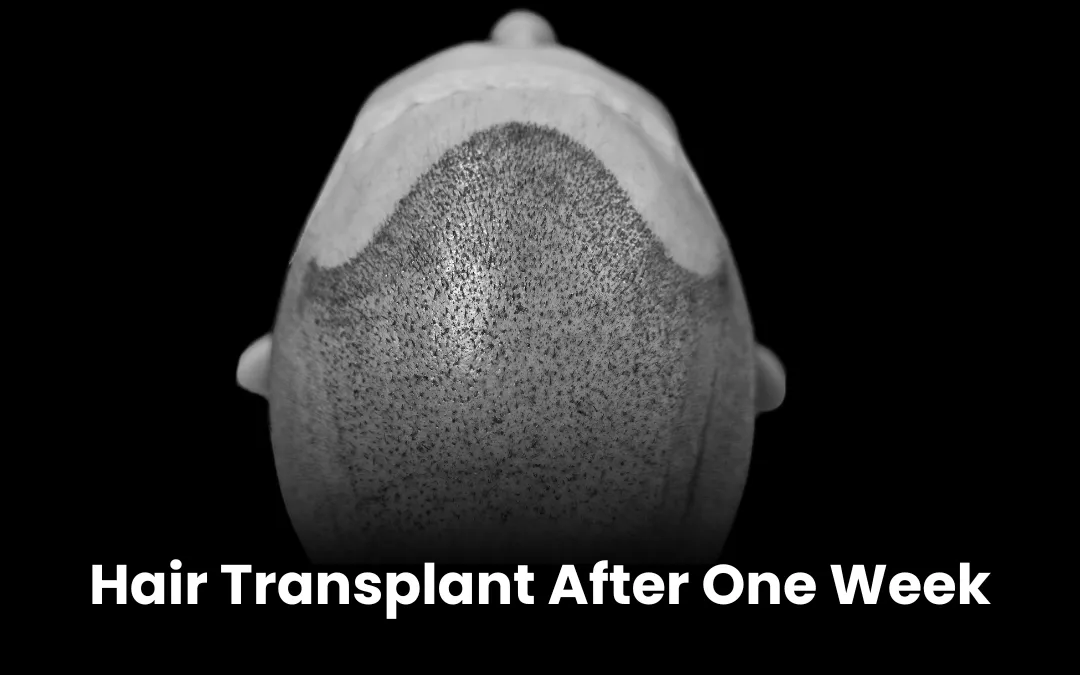
In the FUE technique, the surgeon carefully inserts hair follicles into the gaps of the bald area after extracting them from the donor location. In a single session, the surgeon can implant numerous hair strands. For a few days after surgery, the cut scalp is covered with gauze or bandages.
The hair transplant procedure lasts between four and eight hours. The hair is removed before to surgery to prepare the scalp. The patient must come in for a few hours the following day if they are having a significant hair transplant. Just the scalp is anaesthetized to make the patient’s head numb. Most of the time during the surgery, the patients will be awake. The patients must follow the doctor’s prescription after the treatment.
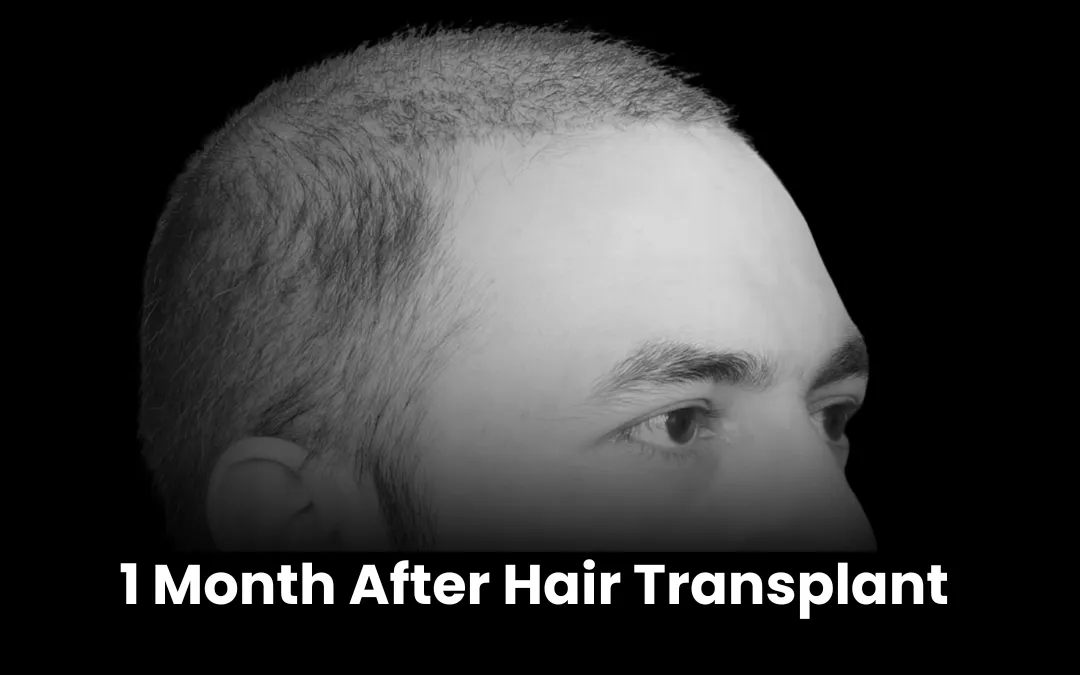
For about a week, patients should stay out of the sun as the sun’s rays can alter skin pigmentation, cause decolorization, and deepen scars. On their scalps, people initially experience tightness and itching, but this discomfort passes quickly. At first, the freshly inserted hair
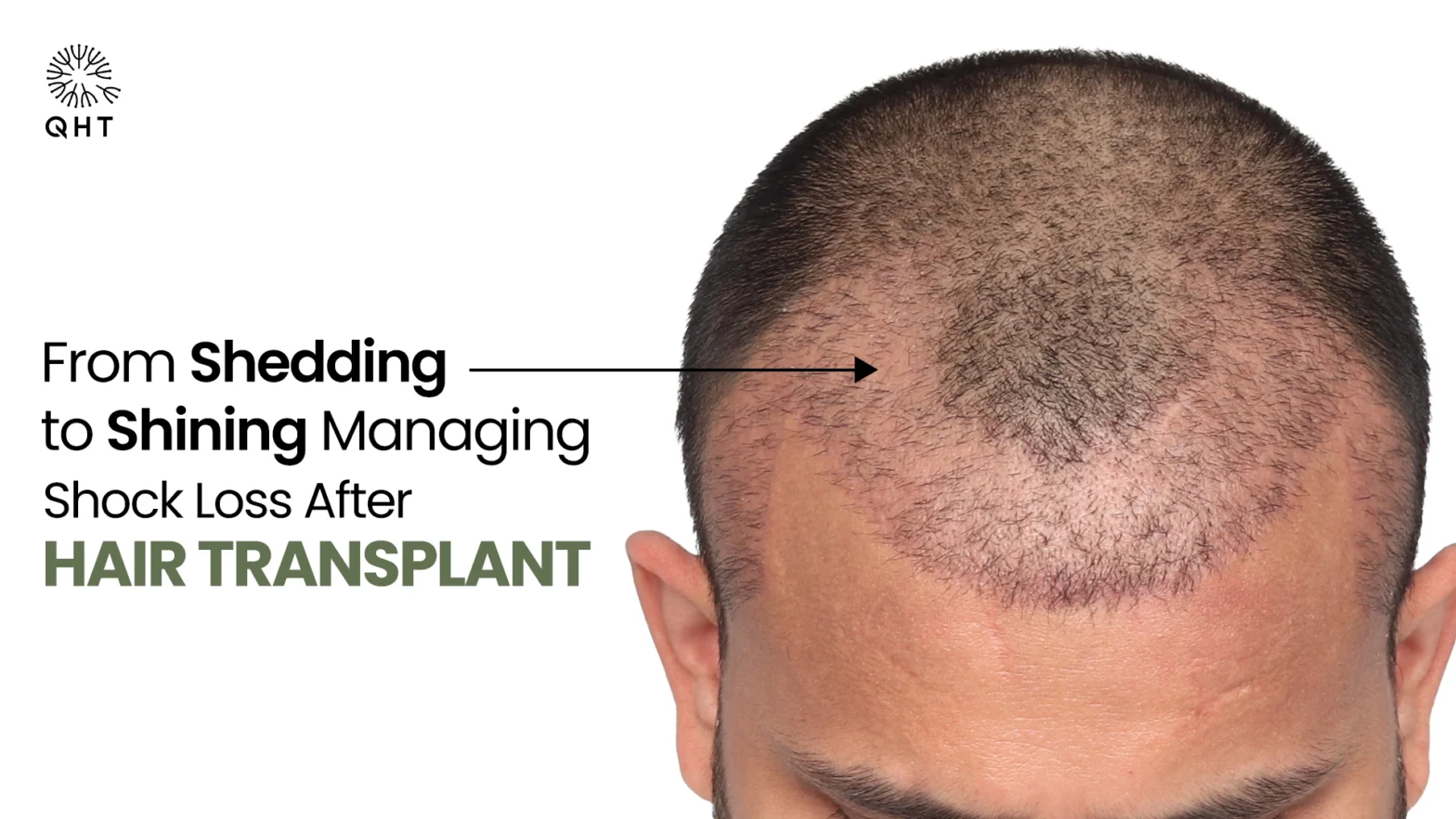
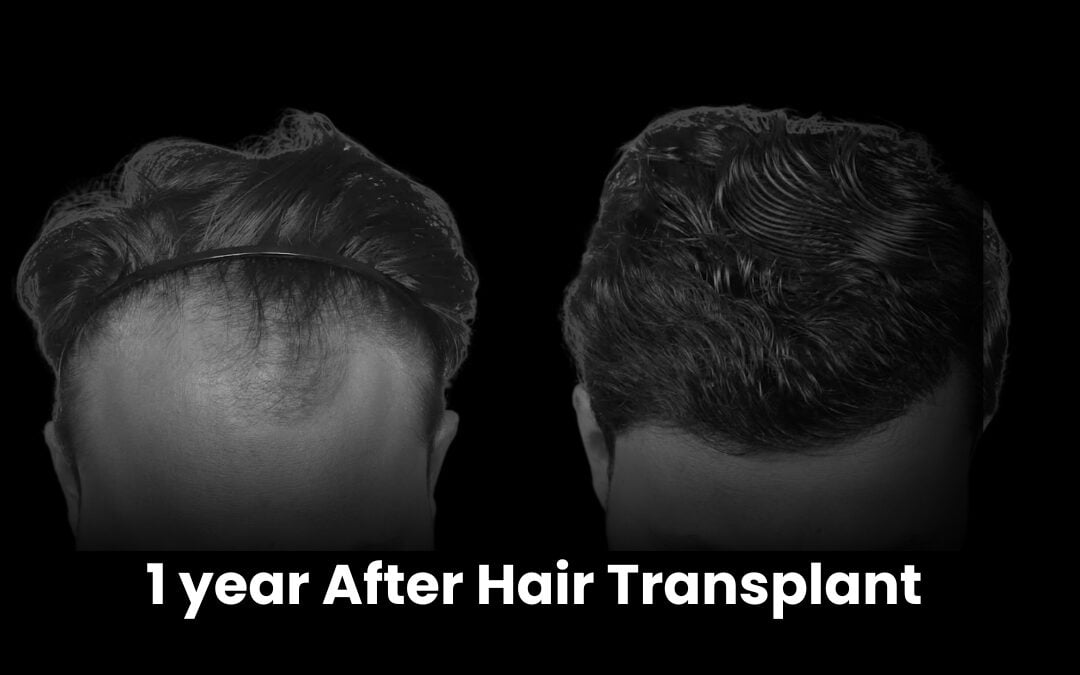
falls off 2 to 3 months following surgery, which is quite typical. The hair grows out naturally in around 4 months, and it takes 12 months for the body to fully heal. Everything relies entirely on the individual.
Why is it important to wait before washing?
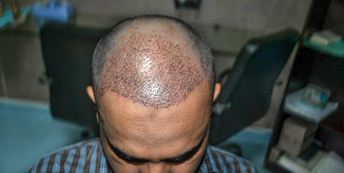
After a hair transplant, your scalp is in a sensitive healing phase, and the newly implanted follicles need time to settle securely. Washing your hair too soon can not only disrupt the healing process but may also risk dislodging the fragile grafts, which are still adjusting to their new environment. This could lead to uneven growth or even failure of the grafts to take root properly.
Waiting allows the grafts to anchor firmly, minimizing the risk of infection, irritation, or damage. By exercising patience in the early stages, you are protecting your results and giving your new hair the best possible start.
Concerned about when can I wash my hair normally after a hair transplant? Check out the timeline below for the best results.
The first 48 hours – No washing allowed
During the initial 48 hours following your hair transplant, it is crucial to avoid washing your hair entirely. This period is extremely important for the newly transplanted follicles as they begin to establish themselves in their new positions. Here’s why this strict no-washing rule is essential:
- Protection of grafts: The first 48 hours are vital for ensuring that the grafts stay in place. Washing your hair too soon can disturb these delicate implants, risking their dislodgment and potentially compromising the success of the transplant.
- Minimizing infection risk: Your scalp will be more susceptible to infection immediately after the procedure. Avoiding washing helps reduce the chance of introducing bacteria or other contaminants that could lead to complications.
- Healing and recovery: This period allows your scalp to start the healing process without additional stress. Your skin will be more sensitive, and washing could cause unnecessary irritation or discomfort.
During this time, it is best to keep your scalp dry and follow any specific aftercare instructions provided by your surgeon to ensure optimal results.
Day 3 to Day 7 – Start gentle washing
As you transition from the initial 48-hour period, gentle washing becomes necessary to maintain scalp hygiene while protecting the delicate grafts. Here’s how to approach the first head wash after hair transplant:
- Introduce mild cleansing: Begin washing your hair with a mild, non-irritating shampoo specifically recommended by your surgeon or clinic. This will help to keep your scalp clean without causing undue stress to the newly transplanted follicles.
- Use lukewarm water: Opt for lukewarm water instead of hot water, as hot temperatures can irritate the scalp and potentially affect the grafts. Lukewarm water is gentler and helps in cleaning without causing discomfort.
- Be extra gentle: Use your fingertips to gently apply shampoo and avoid scrubbing or massaging vigorously. Light, patting motions will help cleanse your scalp without disturbing the grafts. Avoid using your nails or rough towels.
- Rinse carefully: Rinse your hair thoroughly with lukewarm water to ensure all shampoo is washed out. Be gentle and avoid direct pressure on the scalp.
- Avoid hair dryers: Pat your hair dry with a soft towel, avoiding any rubbing or harsh handling. It is best to let your hair air dry rather than using a hair dryer during this sensitive period.
Day 7 to Day 10 – Transition to normal washing
As you approach the end of the first week, you can gradually transition to your regular washing routine.
- Gently massage: Begin to use gentle circular motions with your fingertips to clean your scalp. Avoid any vigorous rubbing or scratching.
- Monitor your scalp: Pay attention to how your scalp responds. If you notice any discomfort or signs of irritation, reduce the frequency or adjust your washing technique as needed.
- Continue to rinse thoroughly: Ensure you rinse out all shampoo completely to prevent buildup that could irritate your scalp.
Pat dry: Use a soft towel to gently pat your hair dry, avoiding any harsh rubbing
Get personalized aftercare advice from expert hair transplant specialists to ensure your new hair grows and looks its best. Book your appointment today.
Day 10 and beyond – Normal hair washing
 By day 10, your scalp should be ready to return to a normal washing routine.
- Resume regular shampoo: You can switch back to your usual shampoo. Choose a gentle formula to maintain scalp health and avoid irritation.
- Wash as usual: Feel free to wash your hair with your regular frequency, using normal pressure and techniques. Continue to be gentle to avoid any potential stress on the scalp.
- Avoid hot water: Stick to lukewarm water to prevent overheating the scalp, which can cause irritation.
- Dry carefully: Continue to pat your hair dry with a soft towel, or let it air dry. Avoid excessive heat from blow dryers until you are sure your scalp is fully healed.
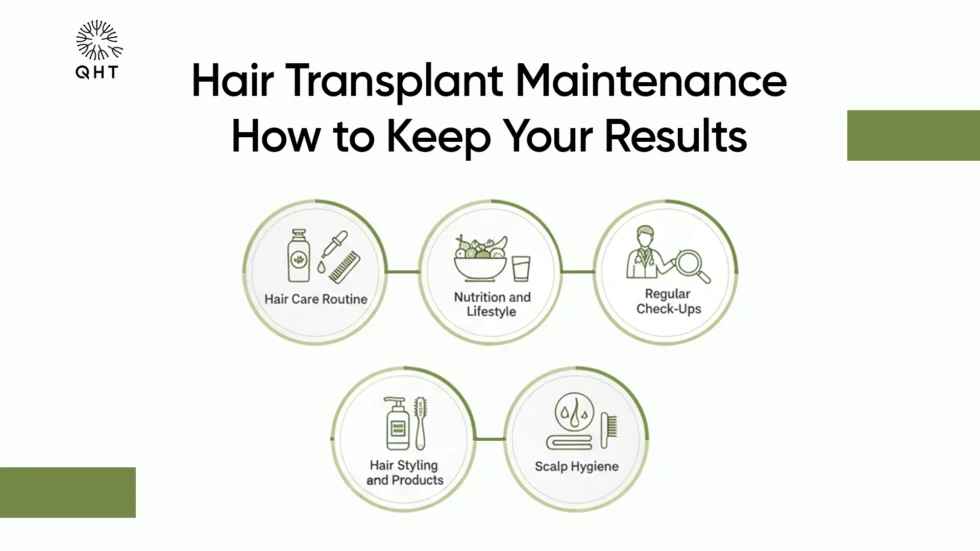
Looking to maintain the results of your hair transplant over the long term? Follow the essential tips for ongoing care to keep your hair healthy and thriving.
Maintaining healthy hair after a hair transplant requires consistent care and attention. Here are some key tips for long-term hair care:
- Use mild shampoos: Stick to gentle, sulfate-free shampoos to avoid irritating your scalp.
- Regular moisturizing: Keep your scalp hydrated to promote healthy hair growth.
- Avoid harsh treatments: Minimize the use of chemical treatments, heat styling, and hair coloring for the first few months.
- Balanced diet: Include protein-rich foods, vitamins, and minerals that support hair health.
- Sun protection: Protect your scalp from direct sunlight by wearing a hat or applying a scalp-friendly sunscreen.
- Follow-up care: Attend regular check-ups with your hair transplant specialist to monitor progress and address any concerns.
By following these practices, you can ensure your hair transplant results last and your hair remains healthy and strong.
Once you have moved past the initial recovery phases, maintaining healthy hair and scalp becomes essential to sustaining the results of your hair transplant.
- Maintain a healthy scalp: Continue using mild, sulfate-free shampoos to avoid irritating your scalp. Regular scalp massages can help improve circulation and promote hair health.
- Follow a balanced diet: Eating a nutritious diet rich in vitamins and minerals supports overall hair health. Include foods high in protein, iron, and vitamins A, C, and E.
- Avoid excessive heat: Limit the use of heated styling tools like hair dryers, flat irons, and curling devices. If using them is necessary, ensure you apply a product that protects against heat, and always choose the lowest heat setting to avoid damaging your hair.
- Protect from sun damage: Extended time in the sun can harm both your scalp and hair. To protect them, consider wearing a hat or applying a UV-protection hair product when outdoors for long periods.
- Regular trims: Keep your hair trimmed to avoid split ends and maintain a healthy appearance. Regular trims can help manage growth and ensure your hair looks its best.
- Stay hydrated: Keep yourself well-hydrated by drinking enough water daily, as it supports both your body and scalp, which is crucial for promoting healthy hair growth.
- Consult your specialist: Regular check-ups with your hair transplant specialist can help monitor your progress and address any concerns you might have.
Ensure the best results for your hair transplant journey with personalized aftercare advice. Schedule your consultation today to support your new hair’s optimal growth and appearance.
Long‑term hair care after hair transplant
Maintaining healthy hair after a transplant requires consistent care and attention. Key tips include: using mild, sulfate‑free shampoos; keeping your scalp well‑hydrated; avoiding harsh chemical treatments and heat styling for the first few months; eating a balanced diet rich in protein, vitamins and minerals; protecting your scalp from direct sun exposure by wearing a hat or using a scalp‑friendly sunscreen; and attending regular follow‑up visits with your hair transplant specialist to monitor progress and address concerns. By following these practices, you support the longevity of your transplant results and help your hair grow strong and naturally.
Caring for your hair after a transplant is important for achieving and maintaining the best results. By following the recommended timeline for washing and adopting long-term hair care practices, you will ensure your new hair grows strong and healthy.
For personalized guidance and advanced hair restoration solutions, consider QHT, a premier hair transplant clinic in India. With their expertise, you can trust that you are in good hands for both immediate care and long-term results.
Reference
https://www.betterhealth.vic.gov.au/health/conditionsandtreatments/hair-transplant-surgery
https://www.sciencedirect.com/science/article/pii/S2666142X24000614
Frequently Asked Questions
If you don’t find relevant answer please send us your queries on support@qhtclinic.com or Call +91-9084726916
When can I use normal shampoo after hair transplant?
After a hair transplant, you can start using your regular shampoo around Day 10. While you can return to your usual shampoo routine, ensure it remains gentle and non-irritating. Always follow the specific advice from your hair transplant specialist, as individual recovery timelines may vary.
The frequency of washing your hair after a hair transplant will depend on your surgeon’s specific instructions and the healing stage.
Generally, here’s a breakdown:
- Initial days: You may be advised to avoid washing your hair for the first 48 hours to allow the grafts to settle.
- First week: Once your surgeon gives the go-ahead, you will likely be instructed to wash your hair daily with a gentle shampoo to keep the area clean and prevent infection.
- Second week: As your scalp continues to heal, you may be able to reduce the frequency of washing to every other day.
- After two weeks: You can usually return to your normal hair-washing routine, but it is always best to consult with your surgeon for personalized advice.
How many months after hair transplant do you see results?
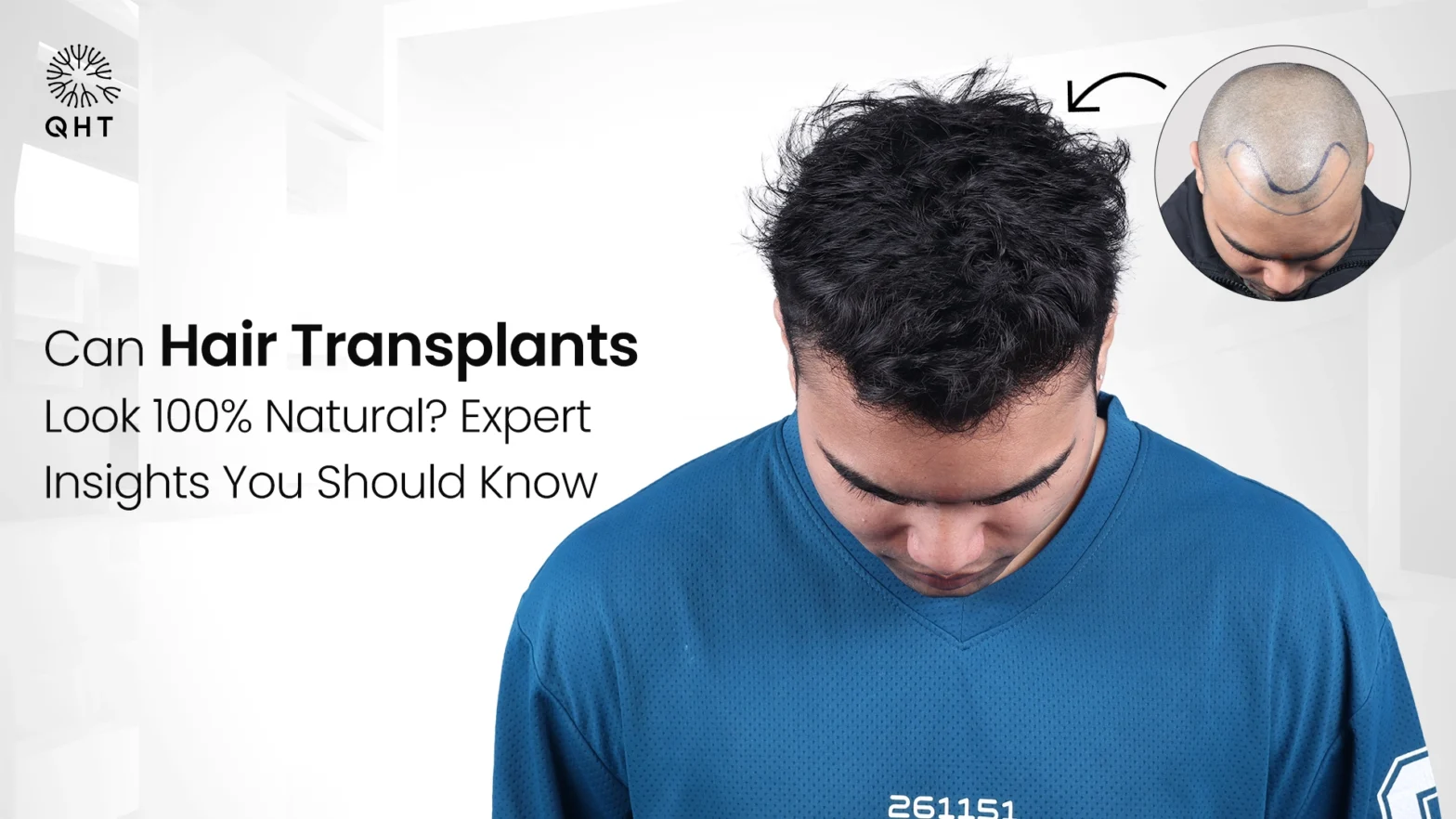
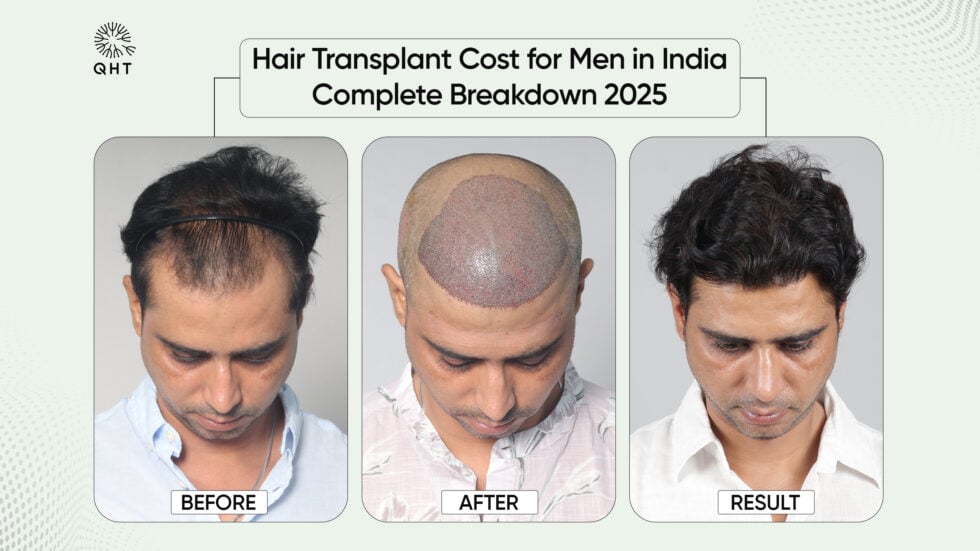
It usually takes 6-9 months to see noticeable hair growth after a hair transplant. During the initial months, you may experience some shedding as the transplanted hair follicles adjust to their new environment. This is a normal part of the healing process. After this shedding phase, you should start to notice new hair growth emerging from the transplanted areas. It is important to note that full, mature results may take up to a year or longer to achieve.
When can you shower after hair transplant?
Generally, you can shower 2 days after a hair transplant. However, this may vary based on your surgeon’s specific instructions and the type of procedure performed. Your surgeon will provide detailed guidelines on when it’s safe to shower and how to do so gently without disturbing the transplanted grafts. It is important to follow these instructions closely to ensure optimal healing and prevent
Can I wash my hair twice a day after hair transplant?
It is not recommended to wash your hair twice a day immediately after a hair transplant. This is because excessive washing can irritate the scalp and potentially dislodge the transplanted grafts.
How to wash transplanted hair after 10 days?
After 10 days, you can wash your transplanted hair using a mild shampoo. Gently apply the shampoo with your fingertips without scrubbing. Rinse your hair carefully with lukewarm water, avoiding direct pressure on the scalp. Finally, gently pat your hair dry with a soft towel, taking care to avoid rubbing. This approach helps maintain cleanliness while protecting your newly transplanted hair.
Disclaimer: The information shared in this content is for educational purposes only and not for promotional use.
Book a Consultation Today
Latest Videos
-

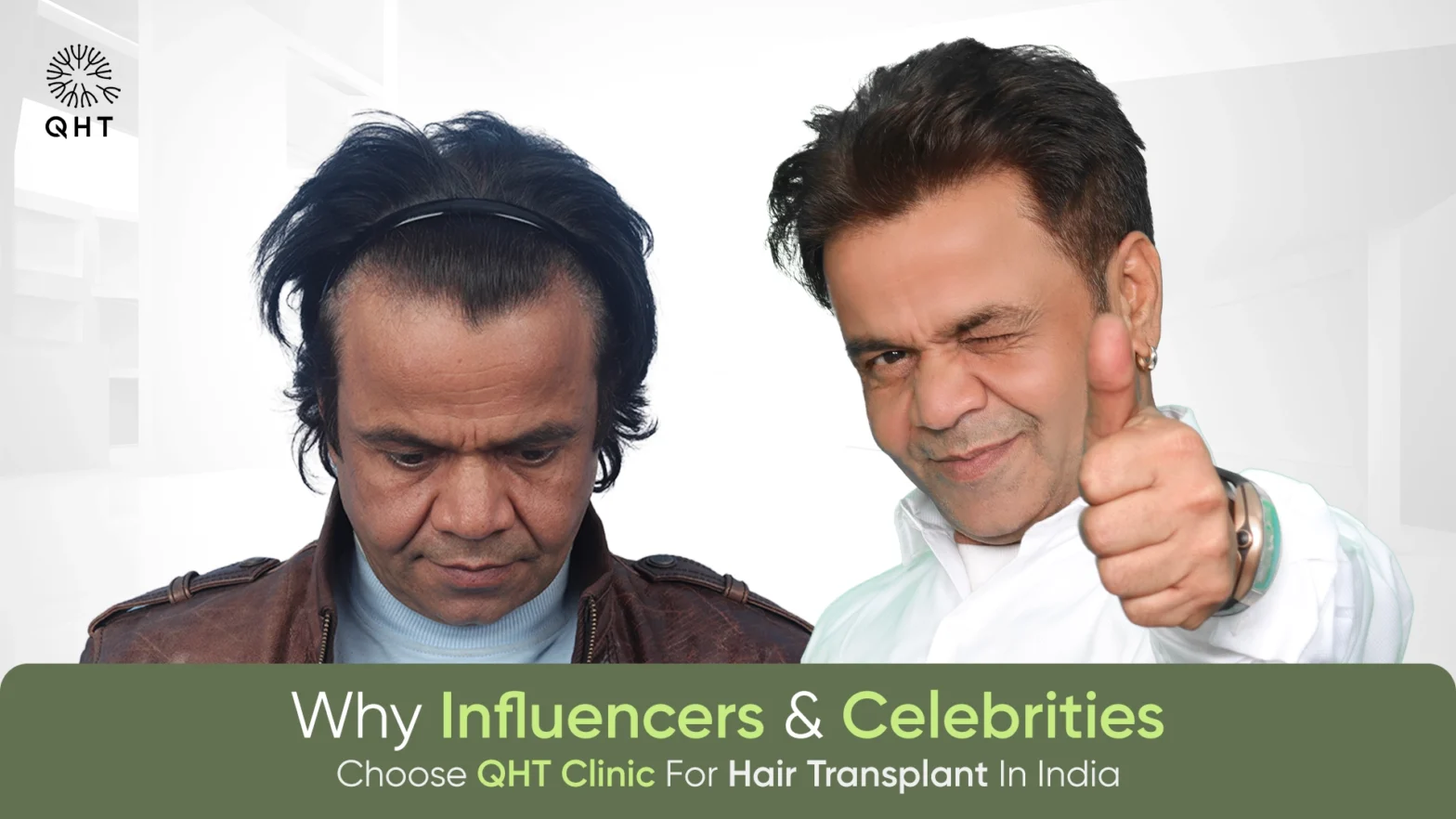
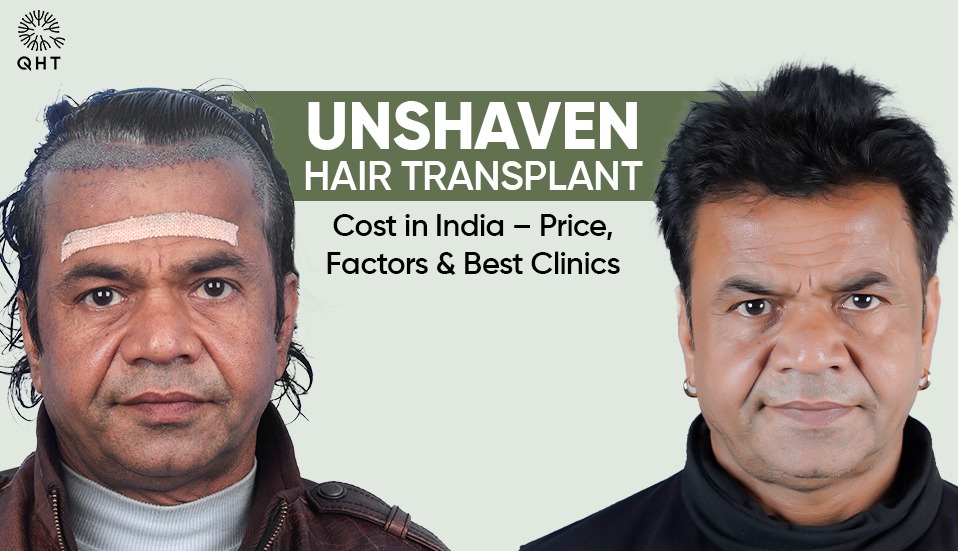
Rajpal Yadav | Bollywood Actor Hair Transplant Journey at QHT Regrow Clinic Haridwar
Click to Watch
-

FUE Hair Transplant Results | DAYA's FUE Hair Transplant Results
Click to Watch
-

Best Hair Transplant Result 2021 || NW Grade VI A || 3,422 Grafts
Click to Watch
-

Best Hair Transplant Result 2022 | Grade 4
Click to Watch
-

YouTuber Mehtab Saifi Hair Transplant
Click to Watch
-

ACP Pradyuman Hair Transplant - Actor's Hair Transplant
Click to Watch